Written By Bridget Stieb, Director of Marketing at LUX Foundation Solutions • Reviewed by LUX’s foundation repair specialists serving Northern Virginia & Florida
Your crawl space is one of the most overlooked parts of your Florida home and one of the most vulnerable. Year-round humidity, heavy seasonal rainfall, and a high water table create conditions where moisture builds up beneath your floor faster than most homeowners realize. By the time the signs become obvious, the damage is often already spreading.
Knowing the signs that crawl space needs vapor barrier protection early is the difference between a straightforward installation and a costly remediation. This guide covers seven warning signs specific to Florida homes that should not be ignored, and what to do when you recognize the signs in your home.
Sign 1: A Musty Smell on the Ground Floor With No Clear Source
If your house has a damp, musty odor that persists no matter how much you clean or ventilate, the source is likely below your feet. Florida’s average relative humidity ranges from 74% to 76% year-round. When there is no vapor barrier separating the bare soil of your crawl space from the air beneath your home, excess moisture continuously evaporates upward.
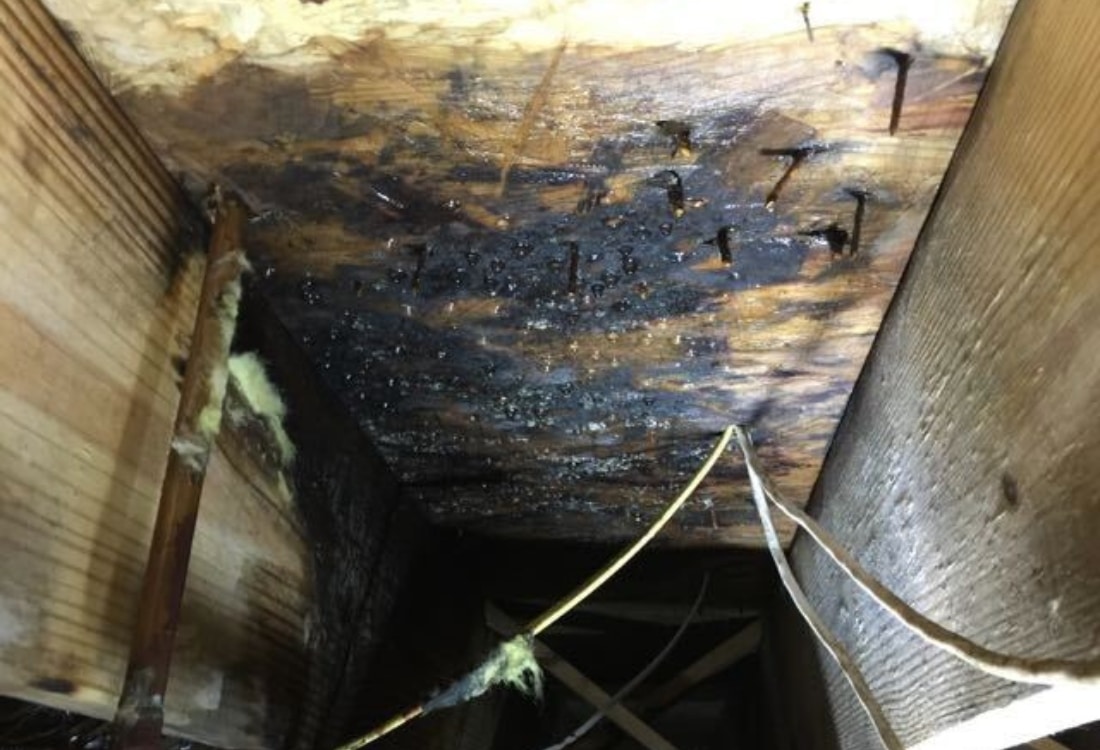
Humid air does not stay in the crawl space. Research suggests that up to 50% of the air circulating through a home can come from below the floor. Mold spores and damp air travel into your living space through gaps, vents, and ductwork, bringing that persistent smell with them.
A musty smell with no obvious indoor source is one of the first things Florida homeowners notice when crawl space moisture has affected their indoor air quality and gone unaddressed.
Sign 2: Indoor Humidity That Feels High Even When the AC Is On
Running your air conditioning and still feeling like the air is thick and heavy? That is not always a sign that your AC unit needs to be replaced. It may be a sign that moisture is being pulled into your home from below faster than the system can handle.
Florida’s soil holds a significant amount of moisture year-round due to its high humidity, high water table, frequent rainfall, and sandy soil composition. Without a vapor barrier in place, that ground moisture rises freely into the crawl space and gets drawn into the conditioned air of your home. Your HVAC system ends up fighting a problem it was never designed to solve on its own.
If your dehumidifier runs constantly and still struggles to keep up, or if the humidity inside feels disproportionate to the weather outside, your crawl space condition is worth investigating.
Sign 3: Floors That Feel Soft, Bouncy, or Uneven in Spots
Floors that have a slight bounce or sections that feel noticeably different from the rest of the room are telling you that something is happening to the wood underneath. When floor joists absorb moisture over time, the wood fibers swell and begin to break down. The process is gradual, which is why many homeowners chalk it up to an old house settling.
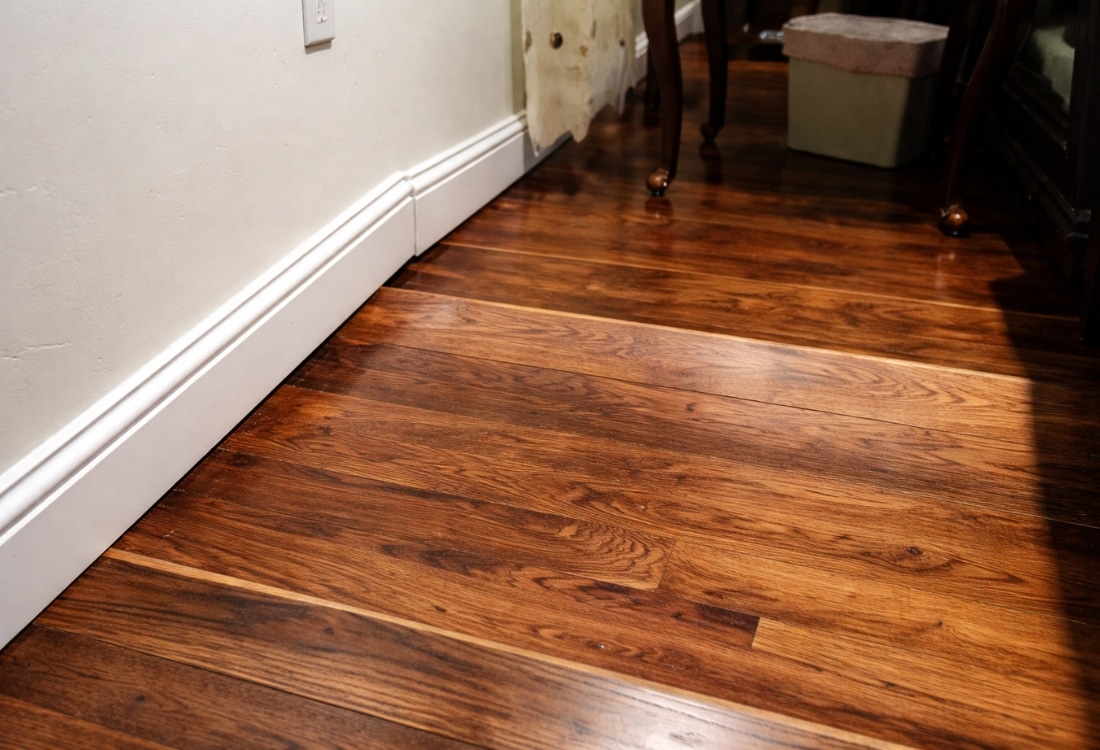
In Florida’s climate, wood rot in the crawl space can develop faster than in drier states because the moisture exposure is year-round rather than seasonal. What takes years to develop in other states can take months in Florida’s combination of constant heat and high humidity.
Soft spots are particularly worth paying attention to near bathrooms, kitchens, and exterior walls, where moisture tends to concentrate. A floor that feels different from how it used to is not something to wait to have a professional check on. The structural integrity of your floor system is at risk the longer moisture goes unaddressed.
Sign 4: Elevated Radon Levels
Radon comes from the ground. It forms when uranium in soil breaks down naturally over time. It is odorless and colorless, and it rises from the ground into enclosed spaces, including crawl spaces, as a normal geological process. Without a vapor barrier, radon can enter your home directly from the soil into the structure of your home.
According to the EPA, radon rank as the second leading cause of lung cancer in the United States. Florida’s geology, particularly in areas with phosphate-rich soils in Central and North Central Florida, can produce higher radon concentrations than many homeowners expect.
In Florida, where soils vary significantly across the state, radon testing is a worthwhile precaution if your home has an unprotected crawl space. A vapor barrier is one of the most effective first steps in reducing radon entry from the soil beneath your home.
Sign 5: Pest Problems That Keep Returning
Termites and rodents do not randomly choose a crawl space. They are drawn to the specific conditions that unprotected crawl spaces create: moisture, warmth, darkness, and easy access. Florida is one of the highest-risk states in the country for termite activity, and a wet crawl space essentially rolls out the welcome mat.
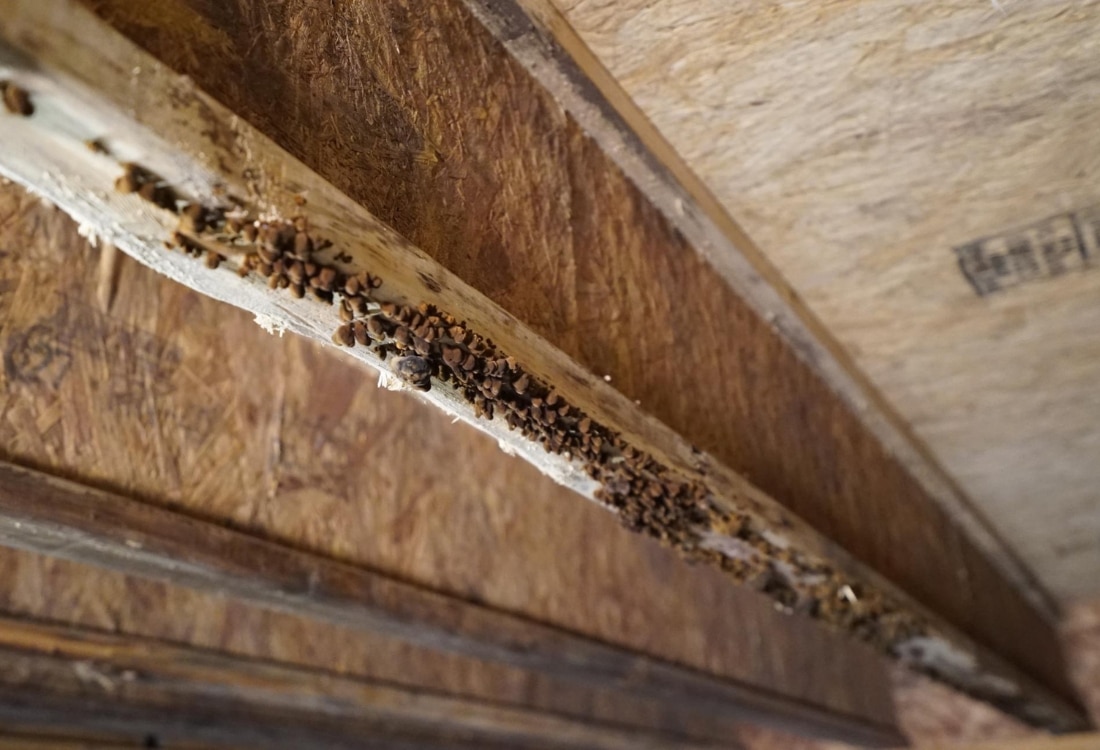
Termites need moisture to survive, and they do their worst damage in damp wood, which an unprotected crawl space provides year-round in Florida. Rodents follow a similar pattern, nesting in soft, damp insulation and using the crawl space as a sheltered entry point into the home. See our mice in crawl space page for more on this specific problem.
If you have had repeated pest issues and treatments that only seem to work temporarily, moisture control in the crawl space may be a contributing factor.
Sign 6: Rising Energy Bills Without an Obvious Cause
A crawl space without a vapor barrier acts as a direct path for humid outdoor air to enter the underside of your home. That ongoing moisture load forces your air conditioning system to work harder to maintain a set temperature, which shows up on your utility bill.
Research on sealed crawl spaces has documented average annual energy savings of around 20% in homes where energy efficiency is improved by properly controlling moisture below the floor. In Florida, where the AC runs for most of the year, controlling moisture below the floor helps you save money on energy costs that compound over time in an unconditioned crawl space.
If your energy bills have been increasing and your HVAC system runs longer than usual, your crawl space is worth checking before you call an HVAC technician. The problem may not be your equipment at all.
Sign 7: Visible Condensation, Rust, or Wet Insulation in the Crawl Space
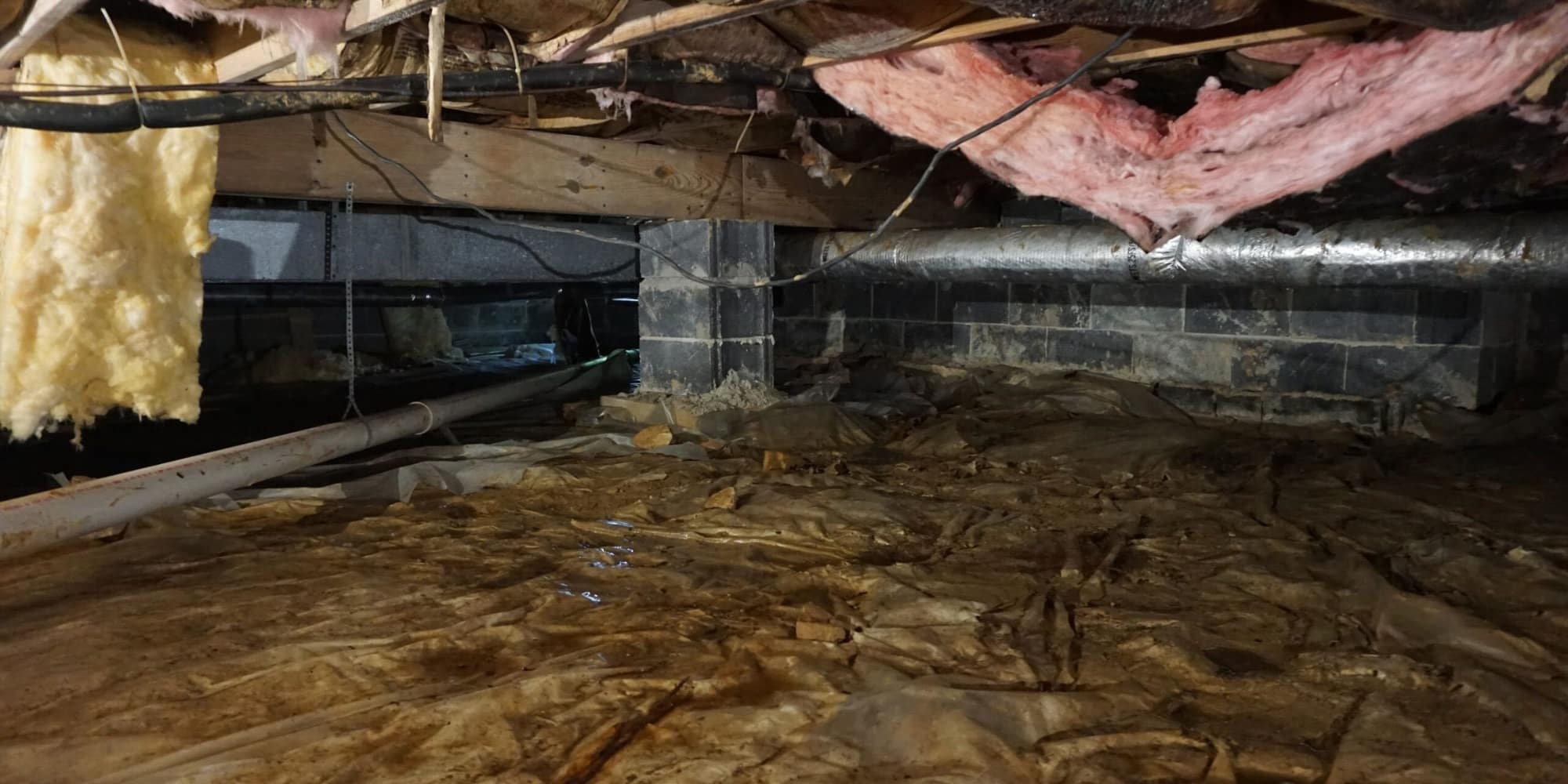
Visible moisture on pipes, HVAC ductwork, or the underside of your floor, along with water stains on wood surfaces, is a clear sign that warm humid air is hitting cooler surfaces beneath your home and condensing. In Florida, this is especially common during the summer months, when outdoor air is heavy with moisture, and the temperature difference between outdoor air and crawl space surfaces is significant.
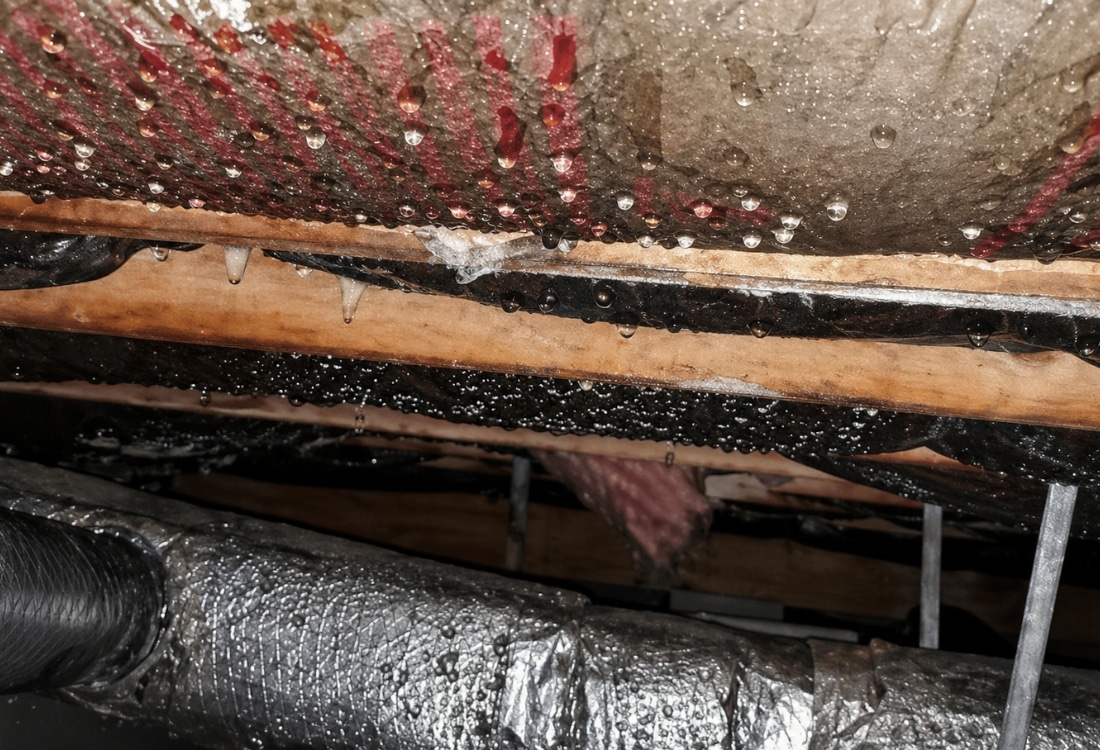
Open crawl space vents, once considered standard practice, are now understood to make this problem worse in humid climates. Instead of drying out the crawl space, they allow Florida’s outdoor humidity to flow directly underneath the home, where it condenses on every cool surface it contacts.
Rust on metal pipes, damp insulation, and corroded electrical components are all downstream effects of this condensation cycle and early indicators of a moisture problem that will worsen without a vapor barrier.
What to Do If You Recognize Any of These Signs
If you recognized one or more of these signs in your Florida home, here is what to do next:
- Do not ignore it. Crawl space moisture in Florida does not pause between rain events. What looks minor today can spread to structural wood and insulation within a single wet season.
- Do not attempt a DIY fix. Laying plastic sheeting over a moisture problem without identifying the source traps moisture rather than blocking it, accelerating the damage beneath your floor.
- Check multiple signs together. A single sign is worth monitoring. Two or more appearing at the same time points to an active moisture problem that needs professional attention.
- Schedule a professional crawl space inspection. A trained inspector at LUX Foundation Solutions can identify exactly where moisture is entering, how far it has spread, and the right solution for your specific crawl space and soil conditions in Florida, across Jacksonville, Palm Coast, Gainesville, and Ocala.
Is Your Florida Crawl Space Showing These Signs?
Crawl space moisture does not resolve on its own in Florida. The conditions driving it are active every day of the year. Every wet season that passes without a vapor barrier in place gives moisture more time to spread into the wood, insulation, and air quality of your home.
LUX Foundation Solutions inspects and protects crawl spaces throughout Northern and Central Florida, including Jacksonville, Ocala, Gainesville, Palm Coast, and St. Augustine. If you have noticed any of the signs covered in this guide, we can assess your crawl space and recommend the right solution through our crawl space repair services.
Call us at 904-231-9926 to schedule a free assessment and find out exactly what is happening under your home.
ABOUT THE AUTHOR

FAQ’s
Can I install a crawl space vapor barrier myself?
While DIY vapor barrier kits are available, a crawl space installation in Florida is more demanding than it appears. Florida’s high water table, year-round humidity, and tight crawl space conditions require precise material selection, proper ground preparation, and sealed overlaps to be effective.
An incorrectly installed vapor barrier can trap moisture rather than block it, accelerating the damage it was meant to prevent. A professional installation ensures the barrier is sized, sealed, and positioned correctly for Florida’s specific conditions.
Do I need a vapor barrier in my crawl space in Florida?
Yes. Florida’s combination of year-round humidity, a high water table, hurricanes, seasonal rainfall, and warm temperatures makes crawl space moisture a near-universal problem for Florida homes with unprotected crawl spaces.
A vapor barrier is one of the most practical protective measures a Florida homeowner can take to prevent moisture-related damage from spreading beneath the floor.
What does moisture in a crawl space look like?
Crawl space moisture shows up as standing water on the floor, condensation on pipes and ductwork, rust on metal components, wet or sagging insulation, and soft spots or discoloration on wood joists and subflooring.
Standing water is the most obvious sign, but condensation and rust are equally important and easier to miss during a casual inspection. In Florida, where groundwater levels rise quickly after heavy rain, these signs can appear even without a visible water intrusion event.
How do I know if my crawl space has a moisture problem?
You can tell if your crawl space has a moisture problem by looking for multiple signs appearing together: a musty smell, high indoor humidity despite the AC running, rising energy bills, soft spots in your floor, repeated pest activity, or worsening allergy symptoms.
Any one of these on its own is worth investigating. Two or more appearing at the same time points strongly to an active moisture problem beneath your floor. A professional crawl space inspection will give you a definitive answer.
Can a crawl space vapor barrier reduce energy bills?
Yes. Studies on sealed crawl spaces have documented average annual energy savings of around 20% in homes where moisture below the floor is effectively controlled. In Florida, where air conditioning is used most of the year, lowering the moisture your HVAC system needs to handle leads directly to reduced monthly energy bills.
A vapor barrier removes the direct pathway for humid outdoor air to enter the underside of your home, reducing the workload on your AC system.
How long does a crawl space vapor barrier last?
A crawl space vapor barrier typically lasts 10 to 20 years, depending on the material thickness, installation quality, and crawl space conditions. Thicker mil ratings generally last longer and hold up better under foot traffic during maintenance visits.
In Florida, where crawl space conditions are more demanding than in drier climates, professional installation with a high-quality material is worth the investment to ensure the barrier performs as intended over time.
Is a crawl space vapor barrier the same as encapsulation?
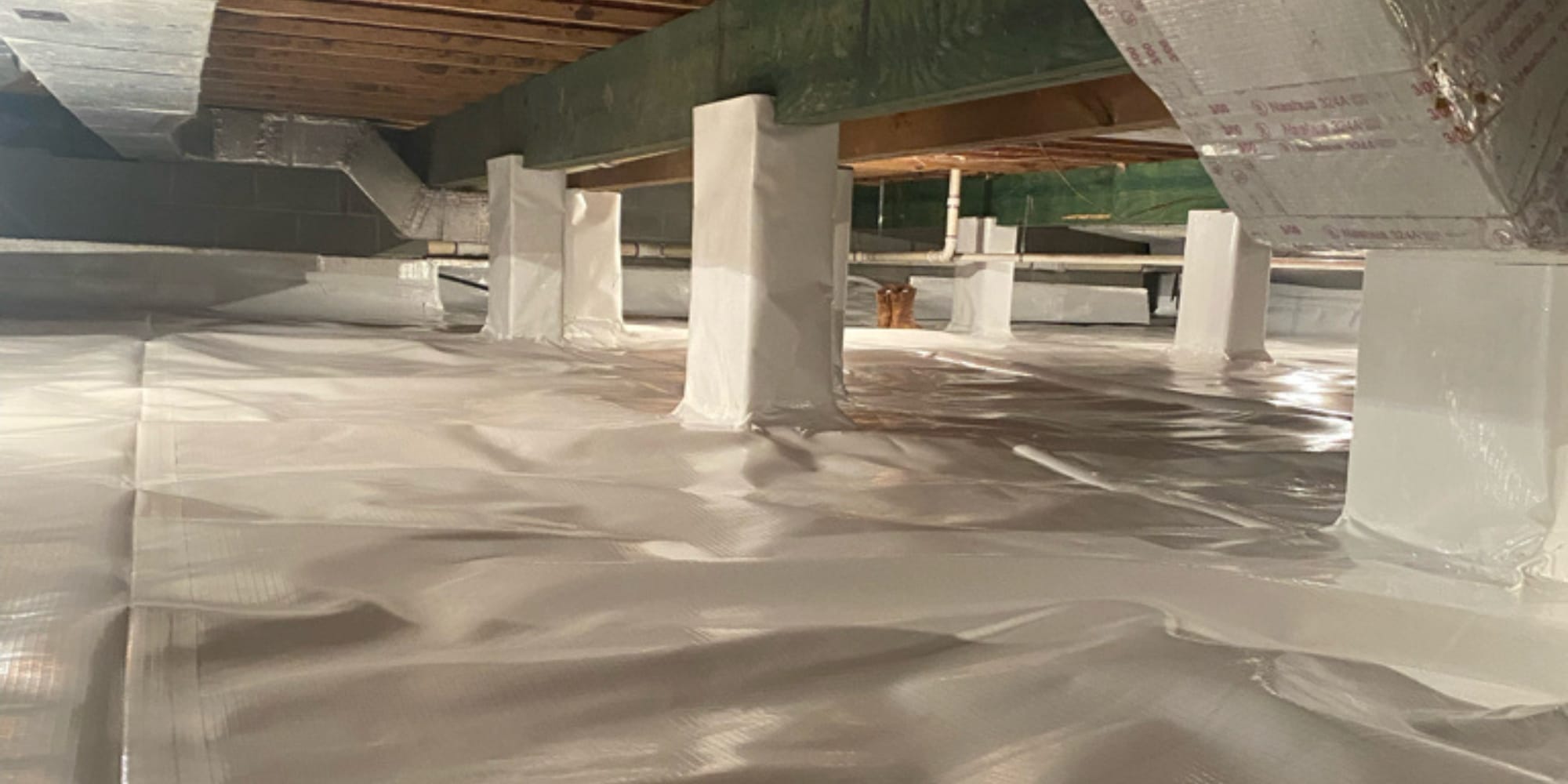
No. A vapor barrier is a sheet of polyethylene plastic laid across the crawl space floor to block ground moisture from rising into the space above. Encapsulation is a more comprehensive system that covers the floor, walls, and sometimes the ceiling of the crawl space and includes sealing all vents and openings.
Think of a vapor barrier as the foundation of moisture control and encapsulation as the complete solution. In Florida, where humidity is active year-round, many homes benefit from full encapsulation rather than a floor barrier alone.