Written By Bridget Stieb, Director of Marketing at LUX Foundation Solutions • Reviewed by LUX’s foundation repair specialists serving Northern Virginia & Florida
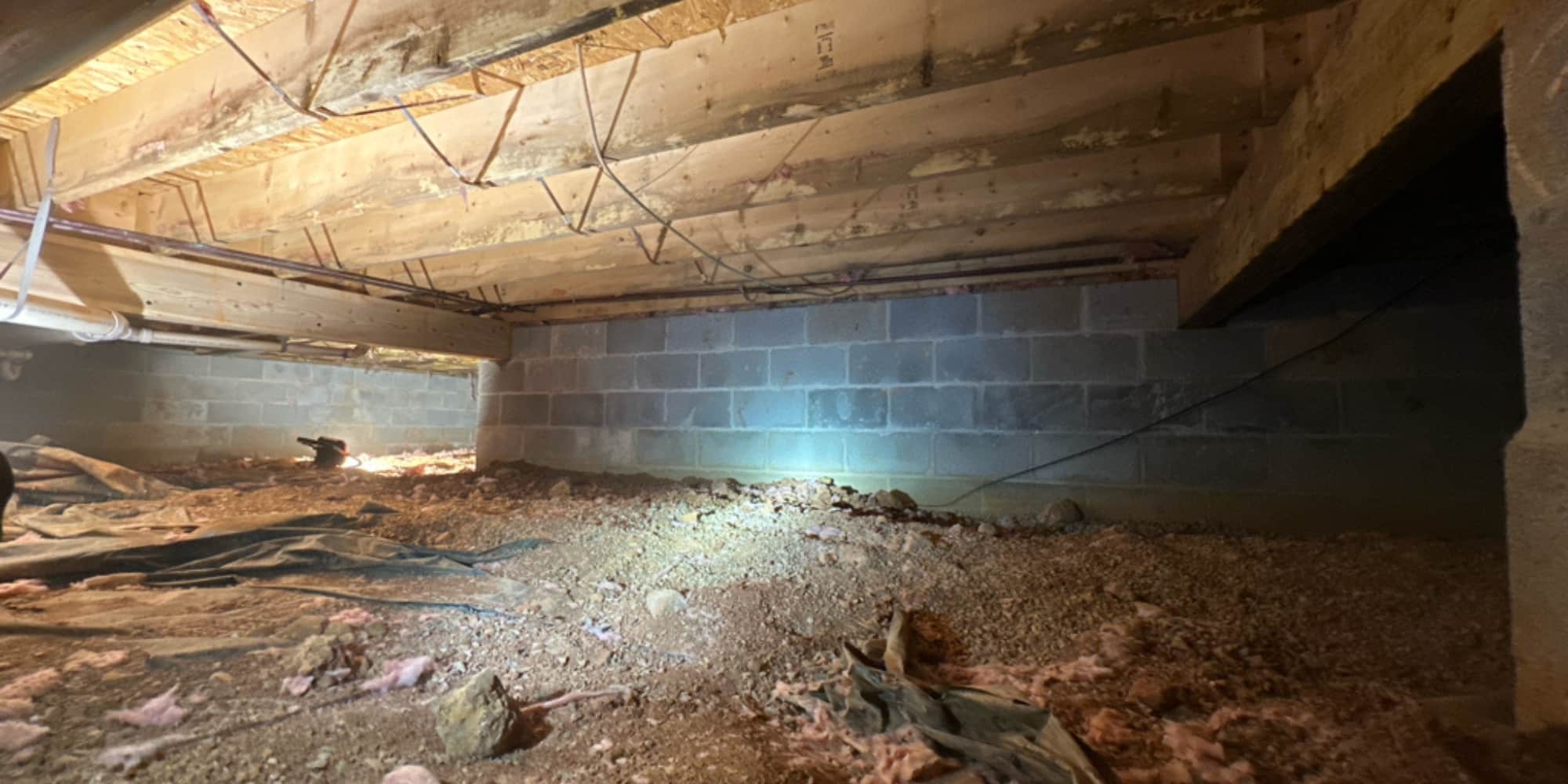
The crawl space condition directly affects the air quality inside your home, the efficiency of your heating and cooling system, and the long-term integrity of your floors and framing. When left unsealed, it becomes a pathway for moisture infiltration, outside humid air, and pests, gradually creating conditions for moisture damage, mold growth, wood rot, and structural damage.
Sealing a crawl space addresses these problems at the source. This article explains the benefits of sealing a crawl space and why it can be a worthwhile investment for long-term home protection.
Key Takeaways
- Sealing a crawl space helps control moisture, reducing the risk of mold growth, wood rot, insulation damage, and other moisture-related problems beneath your home.
- A professionally sealed crawl space improves indoor air quality and energy efficiency by limiting moisture, outside humid air, and airborne contaminants from entering your living space.
- Sealing the crawl space helps discourage termites, rodents, and other pests by creating a drier environment with fewer entry points and less available moisture.
- In Florida, year-round humidity, frequent rainfall, and high groundwater levels make crawl space sealing especially important to prevent excess moisture and protect your home’s structure.
- The right crawl space sealing solution depends on your home’s condition, making a professional inspection the best way to identify existing issues and recommend the most effective approach.
- A professionally sealed crawl space is a documented improvement that home inspectors verify, and potential buyers can confirm, helping preserve your home’s condition and market value.
What Crawl Space Sealing Does and Why It Matters
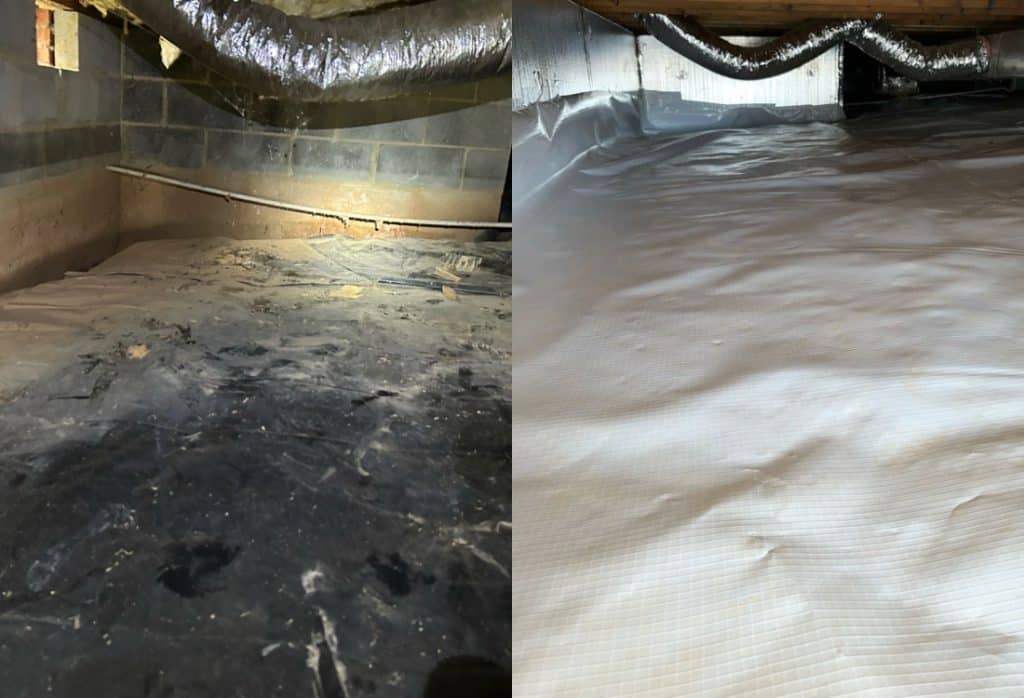
An unsealed crawl space becomes a pathway for moisture, outside air, and pests, gradually creating conditions for mold growth, wood rot, and structural deterioration. In Florida, year-round humidity, frequent rainfall, and high groundwater levels make these conditions more persistent than in most other states.
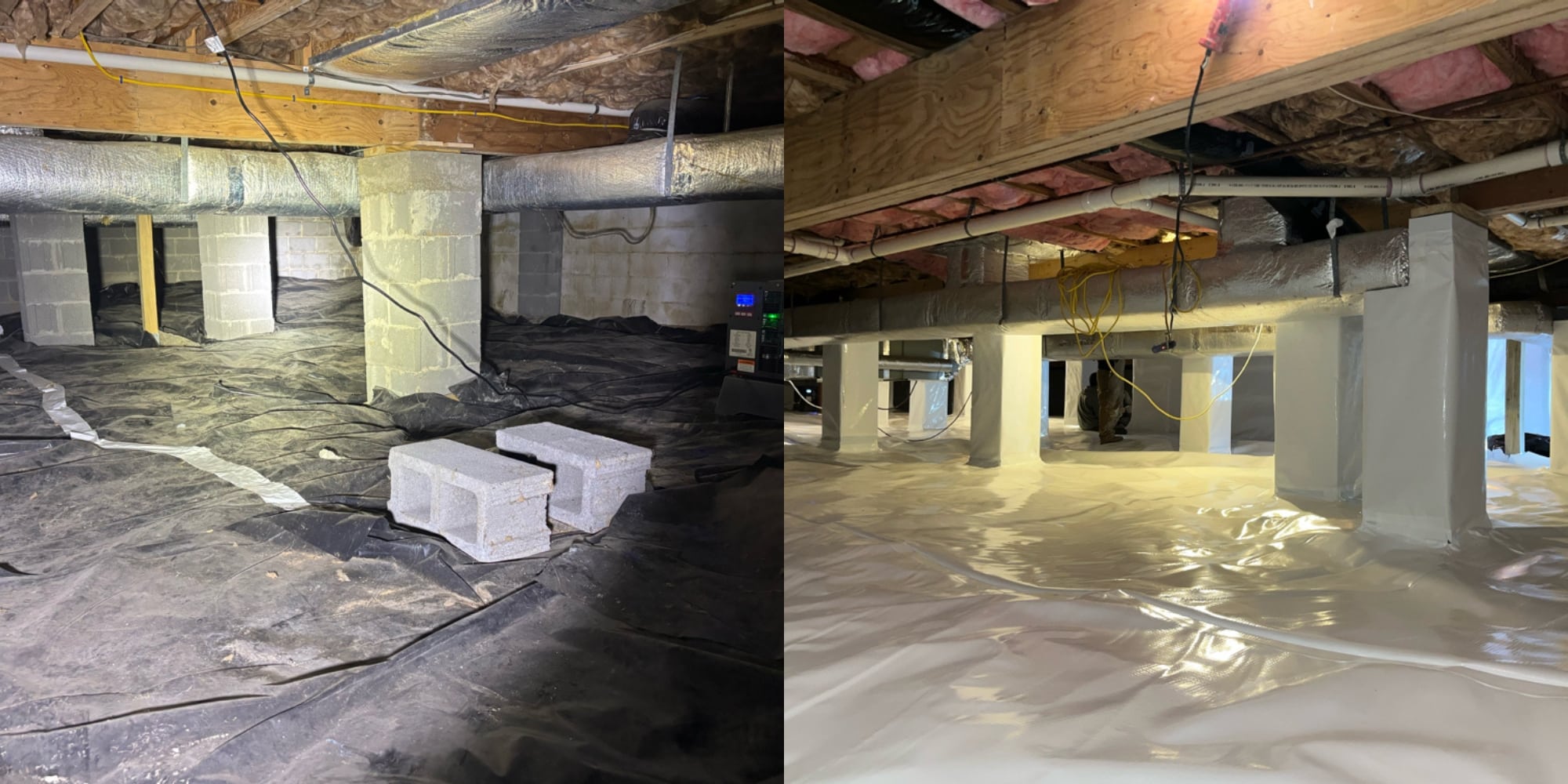
Crawl space sealing addresses this by creating a controlled environment beneath your home. A professional system includes installing vapor barriers across the floor and crawl space walls, sealing vents and air leaks, and, when needed, a dehumidifier to maintain consistent moisture levels throughout the year.
The right system depends on your crawl space’s current condition, which is why a professional inspection is recommended as a starting point.
The 6 Key Benefits of Sealing a Crawl Space
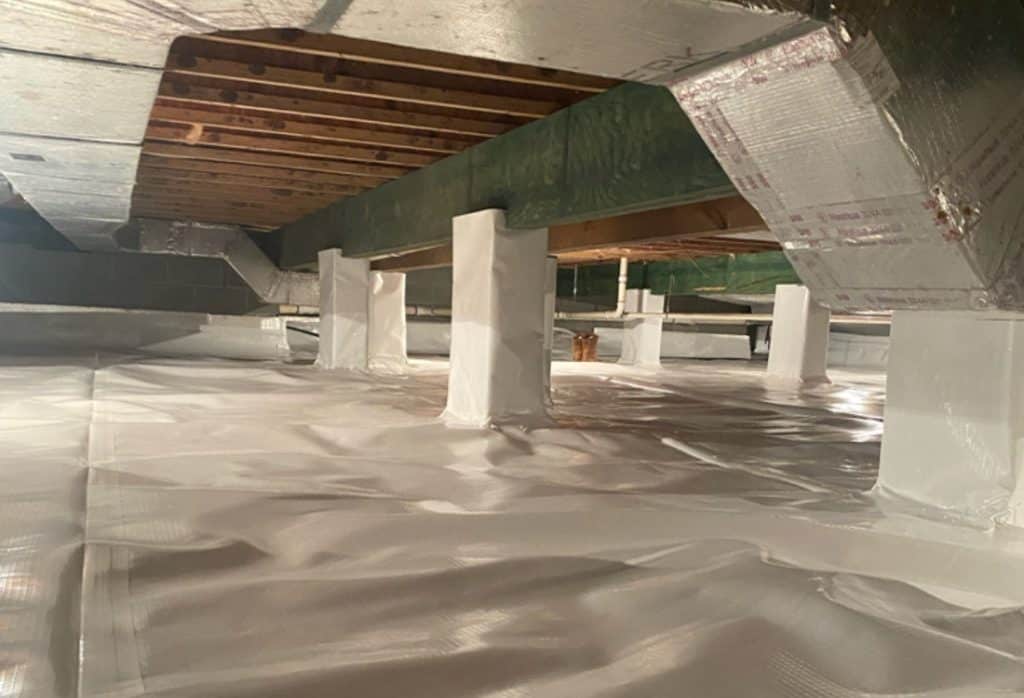
A properly sealed crawl space offers more than protection from moisture. It can improve your home’s overall performance by creating a drier, healthier, and more controlled environment beneath your living space. Here are some of the key benefits of sealing a crawl space.
1. Controls Moisture and Helps Prevent Mold Growth
Moisture is the underlying cause of many crawl space problems. Too much moisture can lead to damaged insulation, mold growth, weakened wood framing, and create damp conditions that attract pests. Over time, these problems can also affect your home’s structure.
In Florida, year-round humidity, frequent rainfall, and high groundwater levels make moisture control especially important for maintaining a healthy crawl space.
A professionally sealed crawl space uses a durable vapor barrier, air sealing, and, when needed, a dehumidifier to keep moisture levels consistently below the range where mold growth becomes a risk.
2. Creates a Healthier Indoor Environment
Warm air rises through a home, drawing in replacement air from the crawl space or lower levels. In an unsealed crawl space, that rising air carries moisture, mold spores, dust, and airborne contaminants directly into your living areas.
Building contractors call this the stack effect, and it means that the condition of your crawl space directly influences the indoor air quality throughout the rest of your home.
By controlling moisture and limiting airborne contaminants and other pollutants beneath your home, crawl space sealing helps create a cleaner, healthier living environment. It also eliminates the musty odors that enter living areas through floor gaps and HVAC ductwork, which are a direct byproduct of mold and mildew activity in an unsealed crawl space.
3. Improves Energy Efficiency
An unsealed crawl space allows outside air to enter beneath your home, making it more difficult to maintain consistent indoor temperatures. As a result, your heating and cooling system must work harder to keep your home comfortable, which can increase energy bills over time.
A professionally sealed crawl space strengthens your home’s thermal envelope by reducing unwanted air leakage and improving moisture control. It supports your home’s energy efficiency, helping lower energy costs while providing potential energy savings over time.
In Florida, where air conditioning operates for much of the year, this means your HVAC system works less to maintain comfortable indoor temperatures, which can lower energy costs and lessen the day to day workload on the equipment over time.
4. Makes Your Crawl Space Less Attractive to Pests
Dark, damp crawl spaces provide ideal conditions and a breeding ground for termites, rodents, cockroaches, and other pests looking for moisture, shelter, and easy access into your home. Florida’s warm climate allows many of these pests to remain active throughout the year, making prevention especially important.
Termite damage to structural wood can go undetected for years, and standard homeowner’s insurance policies rarely cover the cost of repairs.
Crawl space sealing helps reduce the moisture and entry points that attract pests, improving pest prevention by sealing common gaps and creating a more controlled sealed crawlspace beneath your home. While it does not replace professional pest control, it can make your crawl space far less inviting to unwanted visitors.
5. Protects Structural Components
Excess moisture beneath your home, including standing water and prolonged dampness, can gradually damage important structural components, including floor joists, support beams, subflooring, and other wood framing. Left untreated, prolonged exposure to damp conditions can cause wood rot, weaken structural materials, and lead to costly repairs.
Keeping these components in good condition helps support the long-term stability, structural integrity, and performance of your home. By helping maintain a dry, controlled crawl space, sealing reduces the conditions that lead to moisture-related deterioration.
6. Helps Preserve Your Home’s Long-Term Value
A professionally sealed crawl space is a documented improvement that home inspectors can identify, and buyers can review through inspection reports and maintenance records. During a home inspection, signs of moisture damage, mold, pest activity, or structural deterioration can raise concerns for potential buyers and may lead to additional repair requests or lower offers.
Sealing your crawl space before small problems become bigger helps protect your family, improves your home’s market value, and gives future buyers greater confidence in its condition if you decide to sell.
Protect Your Home With Crawl Space Sealing
Understanding the benefits of sealing a crawl space helps you make an informed decision when it’s time to schedule an inspection. Every crawl space is different, and the right approach depends on its current condition and the underlying issues present beneath your home.
If you’re dealing with moisture issues, musty odors, elevated humidity, or signs of pest activity, LUX can help. We provide expert crawl space encapsulation services for homeowners in Jacksonville, St. Augustine, Gainesville, Ocala, Palm Coast, and surrounding areas. Our team will inspect your crawl space, explain what’s causing the problem, and recommend the right solution to help protect your home for years to come.
See our completed wet crawl space repair in Jacksonville, FL for a real example of what professional crawl space sealing looks like.
ABOUT THE AUTHOR

Frequently Asked Questions
Is sealing a crawl space worth it?
Yes. Sealing a crawl space helps control moisture problems, improve indoor air quality, increase energy efficiency through crawl space encapsulation, discourage pests, and protect structural components from moisture-related damage. By keeping the crawl space drier, sealing can help reduce the risk of costly repairs, lower maintenance costs, and provide long-term savings through a cleaner, drier environment beneath your home.
Does Florida’s climate make crawl space sealing more important?
Florida’s warm temperatures, high humidity, frequent rainfall, and high groundwater levels create conditions that allow moisture to build up beneath many homes. A properly sealed crawl space helps manage these conditions and reduces the risk of moisture-related problems throughout the year.
Will sealing a crawl space stop musty smells in my home?
Yes, in most cases, sealing the crawl space eliminates the source of musty odors that enter the living area through the subfloor and ductwork. Mold and mildew release volatile organic compounds (VOCs) that can move through gaps in the floor and your HVAC system, allowing musty odors to spread into the living areas.
By reducing moisture, crawl space encapsulation helps prevent mold growth, reduces musty odors, and improves the air inside your home.
Can sealing a crawl space help reduce radon gas?
Radon is a radioactive gas that forms naturally in the ground and can enter a home through openings where the structure comes into contact with the soil, including unsealed crawl spaces. According to the EPA, radon exposure is linked to roughly 21,000 lung cancer deaths each year in the United States and is considered the second leading cause of lung cancer after smoking.
Sealing a crawl space can help reduce the pathways through which radon enters, but it should not replace a dedicated radon mitigation system. If testing detects elevated levels, the EPA recommends installing an approved mitigation system to reduce indoor radon concentrations safely.
Can I seal a crawl space myself to save money?
DIY installation is not recommended for full encapsulation systems. Mistakes in sealing vents, connecting barrier seams, or managing drainage can trap moisture and accelerate damage rather than prevent it.
LUX Foundation Solutions offers free crawl space inspections, making it worth scheduling an assessment before deciding whether to proceed on your own or with professional installation.