
Published: March 29, 2021 • Updated: March 24, 2026
Most Florida homeowners think about hurricanes, flooding, and humidity when it comes to protecting their homes. Mice and other rodents rarely make the list. But crawl spaces in Florida are a year-round target for rodents, and the warm, damp environment under your home gives them everything they need to nest, breed, and cause damage without ever being seen.
This guide covers what specifically draws mice in crawl spaces, what they damage once they’re inside, and the steps that actually work for removing them and keeping them out.
Signs of Mice in Crawl Space
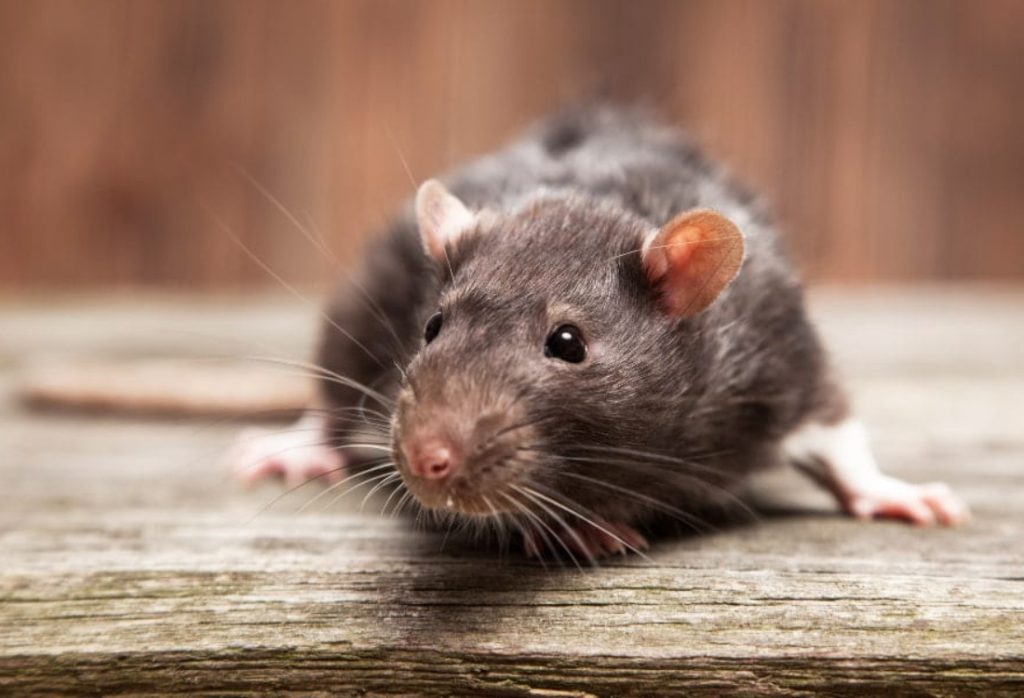
Crawl spaces are out of sight, so mice under your house can go undetected for weeks or longer. These are the signs most commonly found in Florida homes:
- Droppings near insulation, beams, or along the crawl space walls.
- Torn or shredded insulation pulled from walls or floor joists, used for nesting.
- Chewed vapor barriers, wiring, or plastic piping.
- Unusual odors coming from your crawl space, such as musty, ammonia-like smells.
- Sounds of scratching or movement under the floors, often noticeable at night.
- Gnaw marks around vent openings, crawl space doors, or pipe penetrations in the foundation.
If you notice any of these, take it seriously. A single crawl space mice nest can hold up to two dozen rodents, and Florida’s climate means the population does not thin out seasonally.
What Mice Actually Damage a Crawl Space
The damage mice cause goes well beyond the nuisance of their presence. In a Florida crawl space, where humidity is already working against building materials, rodent activity significantly compounds the problem.
Vapor Barriers and Insulation
When mice get into a crawl space, vapor barriers are one of the first things they tear through. They use the material for nesting, and once it is damaged, ground moisture moves directly into the crawl space. In Florida, that happens fast. The humidity is already high, so even a small tear in the barrier is enough to start wood rot and mold growth that spreads through the space.
Electrical Wiring
Mice constantly chew through wire insulation, both to wear down their teeth and to gather nesting material. Exposed wiring in a crawl space is a fire hazard and often goes unnoticed until an inspection. This is one of the costliest types of rodent damage to repair.
Floor Joists and Wood Framing
In Florida, floor joists are already susceptible to moisture damage and termite activity. When mice nest in or around wood framing, they accelerate deterioration by introducing urine and nesting debris into already-vulnerable wood. Over time, this contributes to sagging or softening of the floors above.
Air Quality Inside the Home
Because air from the crawl space rises into the living areas of the home through gaps in flooring and walls, contamination from mouse droppings, urine, and dander can affect the air your family breathes. This is a particular concern for anyone in the household with asthma, allergies, or respiratory conditions.
Secondary Pest Infestations
Mice bring fleas, ticks, and mites with them. In Florida, where fleas are already a year-round concern, a mouse infestation in the crawl space can reintroduce pests into the home even after professional flea treatments.
How to Get Rid of Mice in Crawl Spaces for Good
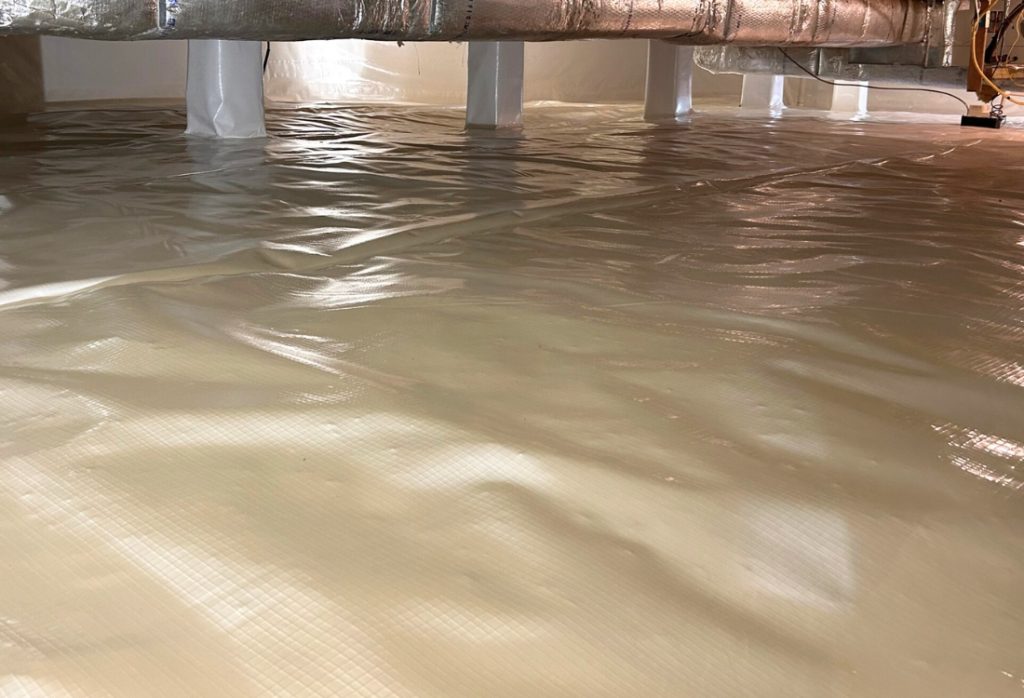
Removing mice from a crawl space is only half the job. Without addressing the conditions that let them in, they will return. These steps work together to make your crawl space resistant to rodent entry.
1. Fix the moisture problem first.
Moisture is the single biggest draw for mice in Florida crawl spaces. Crawl space encapsulation seals the ground and walls with a heavy-duty liner, removing the damp conditions rodents depend on. Pairing encapsulation with a crawl space dehumidifier keeps humidity levels consistently low, making the space far less attractive to mice year-round.
2. Close off every entry point and check them annually.
Mice can fit through a gap smaller than a quarter of an inch. Inspect all vent screens, crawl space doors, pipe penetrations, and the foundation perimeter. Fill gaps with steel wool or silicone caulk, both of which resist chewing.
In Florida, replacing open mesh vents with sealed vent covers is one of the most effective steps you can take, since open vents are a primary entry route.
3. Manage the vegetation around your foundation.
Florida’s landscaping grows fast and dense. Shrubs, ground cover, and tall grass planted close to the home give mice concealed paths to your foundation. Keep vegetation trimmed back at least two feet from the perimeter and remove any wood piles, stored materials, or debris that sit directly against the house.
4. Remove nesting opportunities inside the crawl space.
Old insulation scraps, cardboard, fabric, and loose debris are ready-made nesting material. Keeping the crawl space clear of stored items and removing deteriorated insulation removes the materials mice use to settle in. A clean crawl space is not just easier to inspect; it is also harder to nest in.
5. Add lighting as a deterrent.
Rodents prefer dark, undisturbed spaces. A motion-activated light inside the crawl space adds a layer of deterrence at low cost. It will not stop a determined infestation on its own, but it does make the space less appealing as a permanent habitat.
6. Schedule a crawl space inspection once a year.
Florida crawl spaces don’t have a slow season. By the time you hear scratching or spot droppings, mice have usually been there long enough to cause real damage.
Getting a professional crawl space inspection once a year catches early entry points, moisture issues, and early signs of rodent activity before they become expensive repairs.
These six steps, taken together, are the best way to get rid of mice in a crawl space and keep them from returning.
Why You Should Not Clean Up Mouse Activity in a Crawl Space Yourself
If you find evidence of mice in your crawl space, resist the urge to go in and clean it yourself. A crawl space with active or recent rodent activity presents several serious risks:
- Mouse droppings and urine carry pathogens, including hantavirus, leptospirosis, and salmonellosis. These can be transmitted by contact or by inhaling disturbed particles.
- Sweeping droppings without proper protection can spread contaminated particles into the air. The CDC recommends wetting the area with disinfectant, then wiping it up and sealing everything in a bag for disposal.
- Florida crawl spaces with moisture damage often have mold as well. Disturbing mold during cleanup without respiratory protection adds another health risk.
- Chewed wiring may not be immediately visible. Entering the space without checking for electrical hazards first puts you at risk.
For active infestations or any cleanup involving droppings and damaged materials, professional assessment is the right first step.
Protect Your Crawl Space With LUX
Mice rarely appear in a well-maintained crawl space. If you are finding signs of rodent activity under your home, the underlying cause is almost always moisture, damaged vents, or unsealed gaps, problems that pest control alone will not fix.
LUX Foundation Solutions inspects, repairs, and protects crawl spaces throughout Northern and Central Florida, including Jacksonville, Ocala, Gainesville, Palm Coast, and St. Augustine. We find what is letting moisture and pests in and fix it for good.
Call us at 904-231-9926 or request your free crawl space evaluation online today and get a clear picture of what is happening under your home.
Frequently Asked Questions About Mice in Crawl Spaces
Should I worry about mice in my crawl space?
Yes. Mice in a crawl space chew through wiring, destroy vapor barriers, damage insulation, spread diseases, and push contaminated air into your living areas through the floor. In Florida, there is no cold season to slow them down, so a small infestation grows faster than it would in other states. It is not a problem that resolves on its own.
How to prevent mice in a crawl space?
To prevent mice in a crawl space, seal all gaps around vents, pipes, and the foundation with steel wool or silicone caulk. Install sealed vent covers, encapsulate the crawl space, and run a dehumidifier to eliminate moisture.
Keep vegetation trimmed back from the foundation and clear all debris from inside the crawl space. Inspect entry points every year since Florida’s humidity breaks down seals faster than in cooler climates.
Can mice get into the main living areas from the crawl space?
Yes. Mice can travel through gaps around plumbing, HVAC ducts, and floor penetrations into the living areas of the home. Even if they stay in the crawl space, their droppings and urine contaminate the air that rises into your home through the floor.
How do I know if the mice are gone after treatment?
Check for fresh droppings. If you are not seeing new ones, no new chew marks, and the scratching sounds have stopped after a couple of weeks, the active infestation has likely cleared. That said, if the entry points and moisture issues that let them in remain unaddressed, it is only a matter of time before they return.
Are mouse droppings dangerous to humans?
Yes. Mouse droppings can transmit hantavirus, leptospirosis, and salmonellosis through direct contact or by inhaling disturbed particles. Never sweep or vacuum droppings dry. This spreads contaminated particles into the air.
Beyond disease transmission, some people develop an allergic reaction to mouse droppings through skin contact or inhaling particles, even without direct exposure to a live mouse.