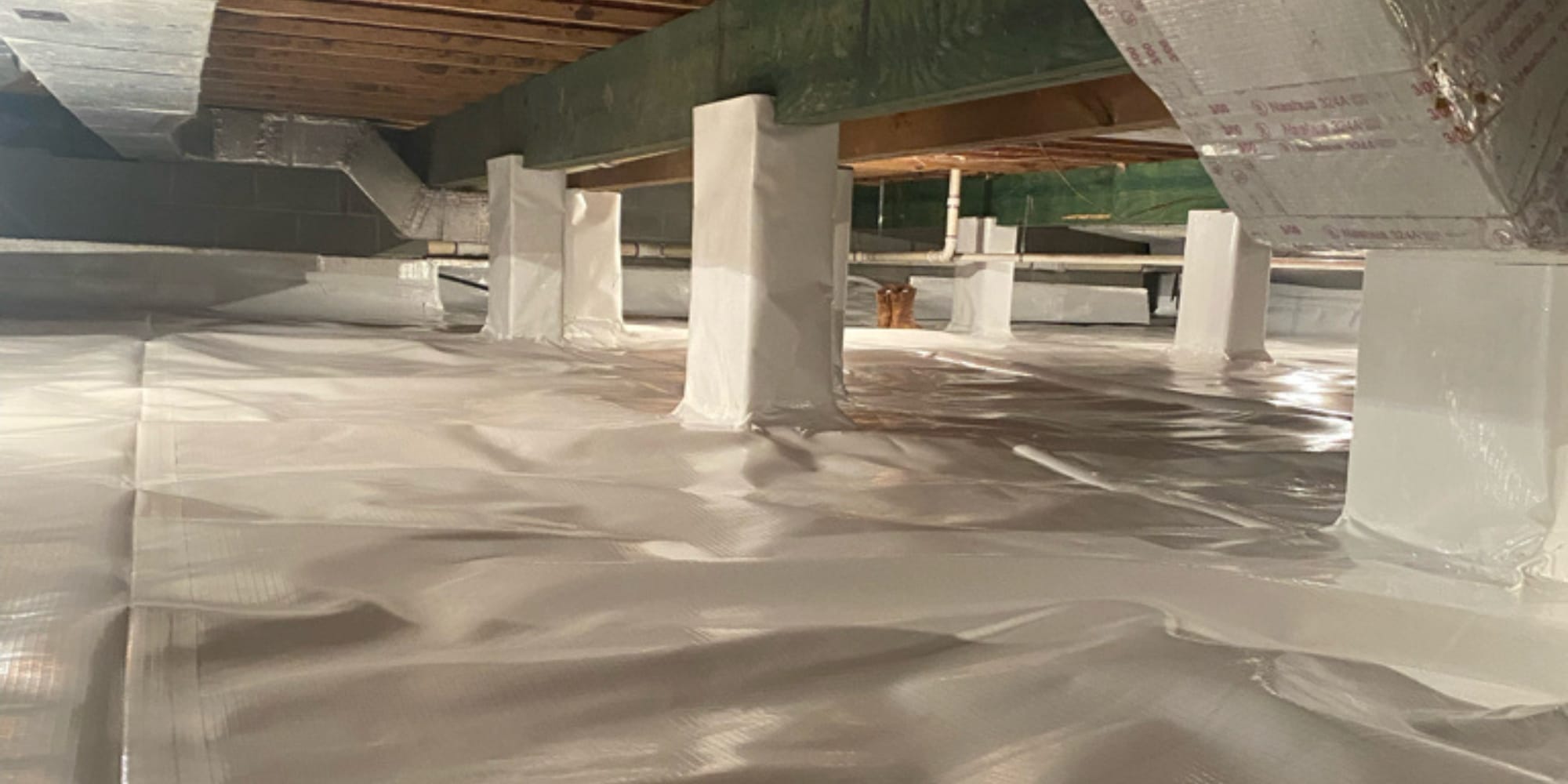
Written By Bridget Stieb, Director of Marketing at LUX Foundation Solutions • Reviewed by LUX’s foundation repair specialists serving Northern Virginia & Florida
Crawl space encapsulation is one of the most significant investments a Florida homeowner can make, and the first question that follows is always the same: how much will it cost?
The honest answer is that no single number applies to every crawl space. What your neighbor paid tells you very little about what you will pay. Cost depends on the crawl space’s size and condition, the systems needed, and the preparation required before encapsulation starts.
This guide breaks down every factor that affects crawl space encapsulation cost in Florida, so you understand what drives the price before you speak with a specialist and know what questions to ask during your assessment.
Key Takeaways
- Crawl space encapsulation cost in Florida can vary from home to home based on crawl space size, condition, and required systems. A national average may not give you a realistic idea of what your own crawl space project will cost.
- The biggest cost drivers are your crawl space size, its current condition, and whether it needs additional systems like a dehumidifier, drainage, or a sump pump before or during encapsulation.
- Florida’s year-round humidity, sandy soil, high water table, and active pest environment mean that crawl space encapsulation here often requires more preparation and more systems than in other states, which affects the final cost.
- To get an accurate crawl space encapsulation cost for your home, you need a professional to assess the space rather than relying on an online estimate or national average.
What Affects the Cost of Crawl Space Encapsulation
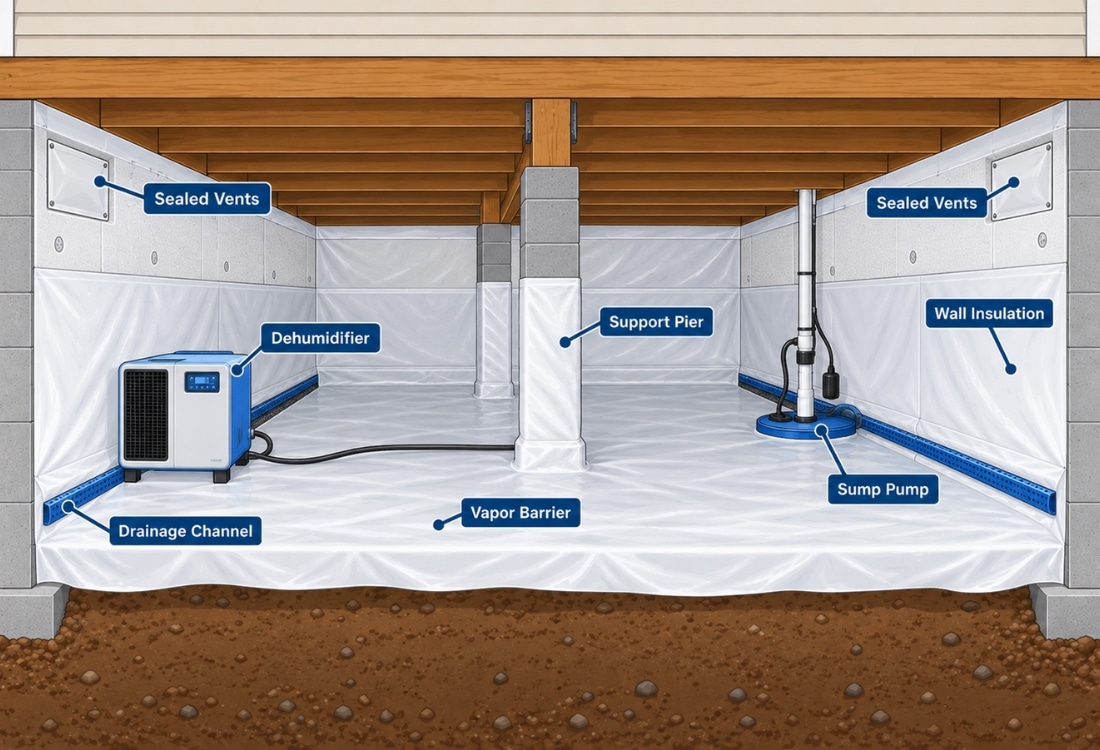
Crawl space encapsulation is not a flat-rate service. The price reflects your crawl space’s specific conditions and the work required to address them. Here are the factors that most affect what you will pay.
Size of the Crawl Space
Crawl space size is the starting point for any encapsulation estimate. A larger crawl space requires more vapor barrier material and usually takes more labor and time to complete. Ceiling height also plays a role.
A crawl space with limited clearance takes longer to work in and requires more effort to move materials and equipment in and out. A taller crawl space presents its own challenges when pulling insulation from the subfloor and working at height.
Current Condition of the Crawl Space
The condition of your crawl space before encapsulation can greatly affect the total cost. A clean, dry crawl space without existing damage is generally simpler to encapsulate.
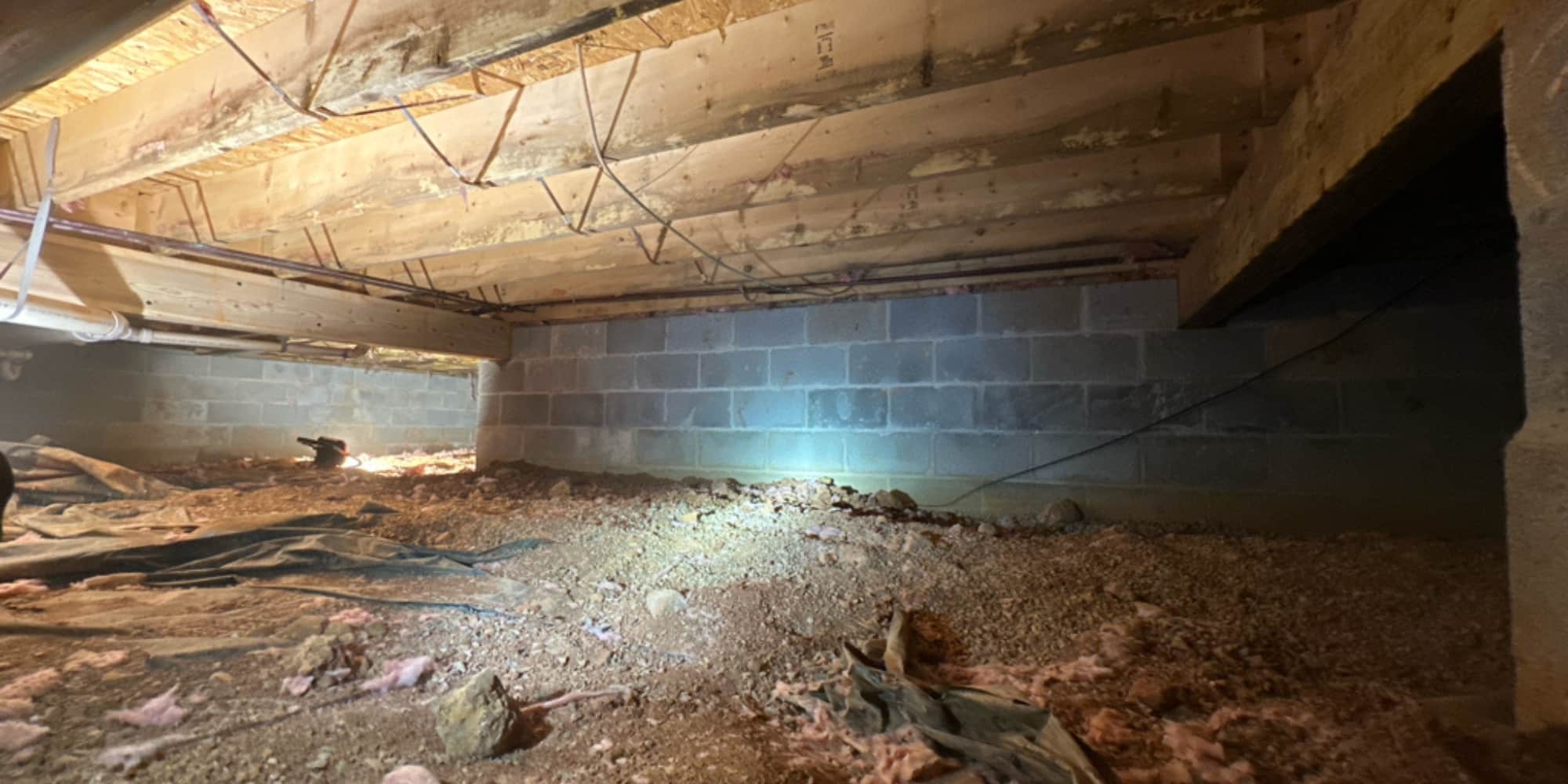
If the crawl space has a dirt floor, active moisture, mold growth, wood rot, pest damage, or damaged insulation, those problems may need to be handled before encapsulation starts, which can increase the overall cost.
Access and Installation Complexity
How easy it is to access and work inside your crawl space significantly affects labor time. A crawl space with a wide, accessible entry point and adequate clearance is faster to work in than one with a narrow hatch, low ceiling, or obstacles like ductwork and plumbing that require working around. Difficult access and a complicated layout can increase the number of labor hours needed to complete the project.
Materials and Vapor Barrier Quality
Vapor barriers can differ in quality, thickness, and durability. A thinner barrier degrades faster and offers less protection. A thicker, higher-quality barrier provides longer-lasting moisture control across the foundation walls and floor and resists punctures and wear over time.
The type of insulation chosen for the walls, whether closed-cell spray foam or rigid foam board, and the quality of sealing tape and other materials also affect the total cost of the project.
Additional Systems
Many crawl spaces require more than just a vapor barrier to stay dry and protected. Each additional system adds to the cost but also adds to the long-term value of the encapsulation:
- A dehumidifier controls ongoing humidity levels inside the sealed space.
- A sump pump manages groundwater and prevents standing water from accumulating.
- Drainage systems redirect water away from the crawl space perimeter.
- Vent sealing blocks outside air and moisture from entering.
- A new access door improves security and reduces air infiltration.
Extent of Pre-Encapsulation Repairs
If your crawl space has structural damage, mold, or a pest infestation, you need to address those issues before encapsulation begins. Mold remediation, wood rot repair, pest treatment, and structural repairs all carry their own costs and are separate from the encapsulation work itself. Skipping these steps and encapsulating over existing problems does not solve them. It traps them.
Permits and Inspections
Depending on the county and the scope of the work, crawl space encapsulation in Florida may require a permit. Permit costs vary by municipality and are separate from the contractor’s labor and material costs. A professional contractor will advise you on whether a permit is required for your specific project before work begins.
Florida-Specific Factors That Affect Crawl Space Encapsulation Cost
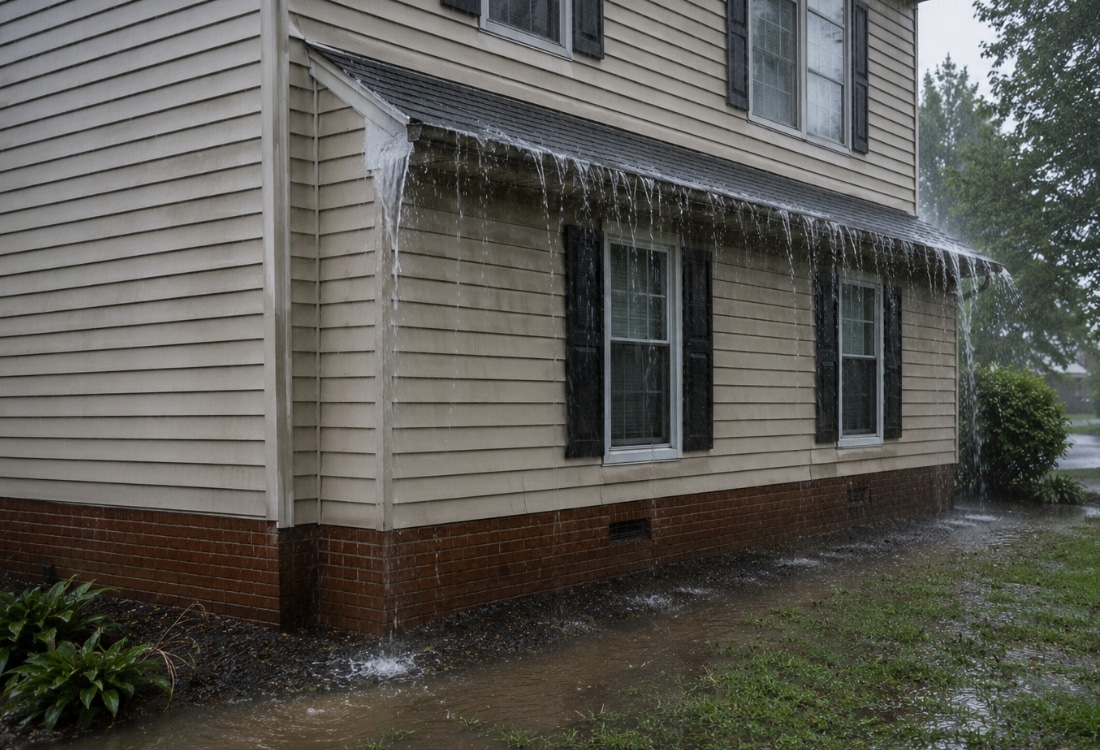
Crawl space encapsulation in Florida is different from other parts of the country. The climate, soil conditions, and pest environment here create challenges that directly affect what encapsulation requires and what it costs.
- Year-round humidity. High moisture in crawl spaces is present every month of the year in Florida. A sealed or vented crawl space without active moisture control will still accumulate humidity over time.
- Sandy soil and high water table. Groundwater rises quickly after heavy rain, making drainage or a sump pump more commonly needed than in other states.
- Active pest environment. Termite damage found during inspection must be remediated before encapsulation begins.
- Hurricane season and heavy rainfall. Florida’s wet season runs June through November. Crawl spaces on flat terrain often require more extensive waterproofing.
- Flat terrain and drainage challenges. Without natural slope, runoff pools near the foundation and drainage planning becomes essential.
What to Expect From a Crawl Space Encapsulation Quote
Professional crawl space encapsulation quotes vary because every crawl space is different. The scope of work depends on what your crawl space needs, which a professional inspection can determine.
A quote should reflect your space’s specific conditions, not a standard package. What is included will depend on what the assessment finds:
- Vapor barrier across the crawl space floor and walls.
- Sealed foundation vents and access points.
- Dehumidifier for active humidity control.
- Wall insulation where applicable.
- Drainage or sump pump if water management is needed.
- Mold, pest, or wood rot remediation if damage is present.
The components listed above work together as a sealed system and must be sized and installed correctly for your specific crawl space. A contractor who quotes without first inspecting your crawl space isn’t giving you an accurate number.
What Increases Crawl Space Encapsulation Cost
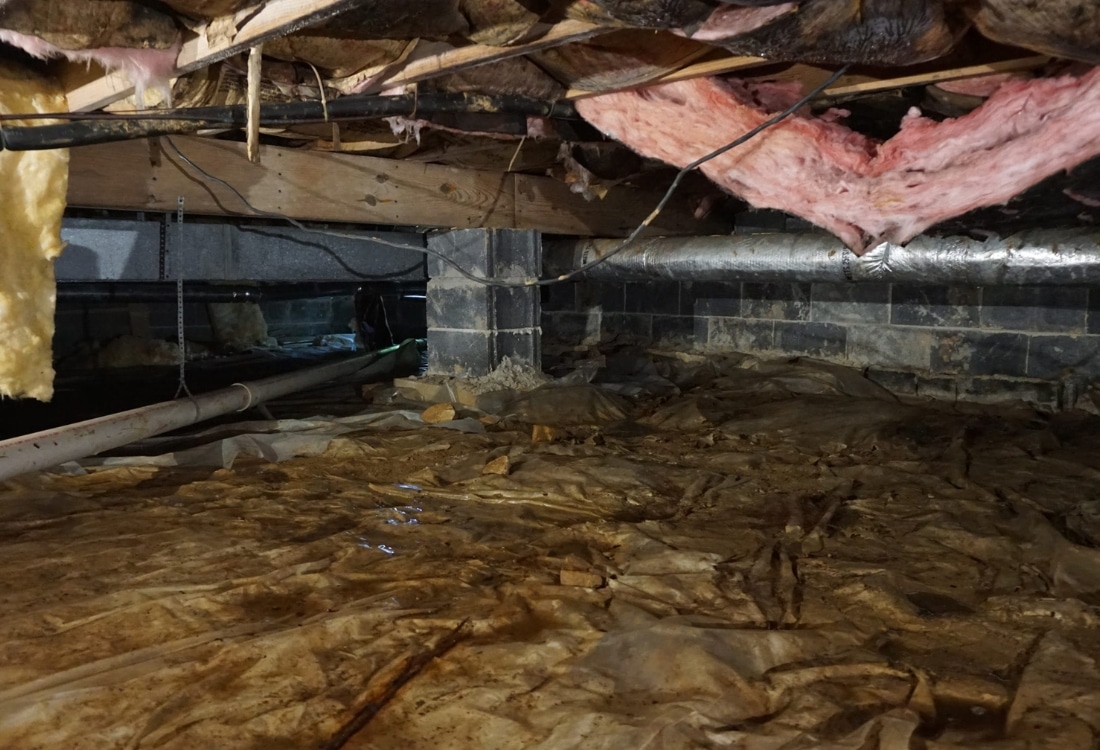
Some crawl spaces are straightforward encapsulation projects. Others require significant preparation work before encapsulation can even begin. Here is what tends to push the cost of a crawl space encapsulation project higher.
Existing moisture damage
Crawl space moisture that has been present for an extended period often causes secondary damage that must be addressed first. Wet insulation needs to be removed. Structural wood that has absorbed moisture over time needs to be dried and assessed for rot. These steps take time and add to the overall project cost before the encapsulation work itself begins.
Mold growth
Mold found in a crawl space requires professional remediation before the space can be sealed. Encapsulating hidden mold does not eliminate it; it can create conditions for continued growth inside a sealed environment that traps moisture.
Proper remediation includes addressing the moisture source, treating mold-affected surfaces, and ensuring the space is clear before encapsulation begins.
Pest damage and termite activity
In Florida, subterranean termite activity is one of the more common findings during a crawl space inspection. Repair or replace any damaged wood before encapsulating the crawl space. Pest treatment may also be required prior to sealing the space. Both add to the project’s scope and cost, along with any structural concerns identified during the inspection.
Standing water or drainage problems
A crawl space with a history of standing water or active drainage issues needs those problems resolved before encapsulation. Installing a vapor barrier over a wet crawl space does not protect it. Drainage corrections, a sump pump, or both may be required to address the underlying water source before the encapsulation system can be installed effectively.
Difficult access or tight clearance
Crawl spaces with limited access or low ceiling height require more labor time for every task. Moving materials in and out, laying vapor barriers across the floor, and sealing walls all take longer in tight spaces, which increases labor costs.
Failed or outdated previous encapsulation
If your crawl space was encapsulated in the past and the system has failed, degraded, or was improperly installed, the old materials must be removed before a new system can go in. Removing and disposing of old vapor barriers, insulation, and damaged materials adds to the project scope.
Is Crawl Space Encapsulation Worth the Cost in Florida?
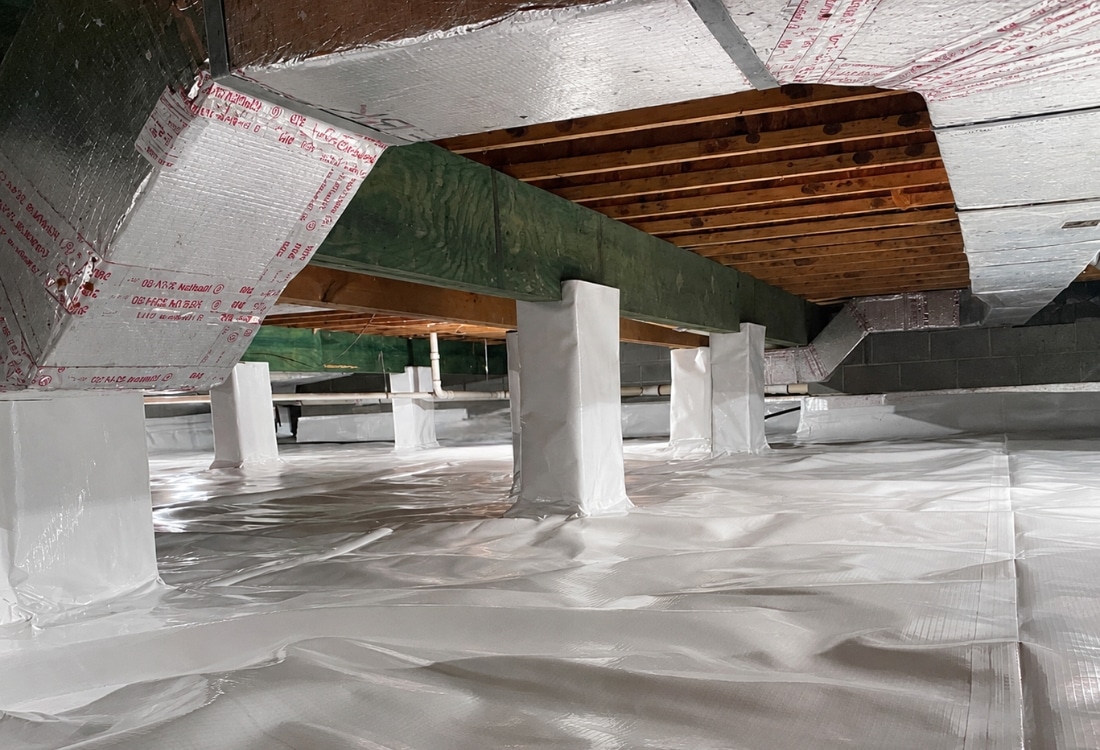
For most Florida homeowners with a crawl space, yes. Here is why the investment makes sense in this climate:
- It stops the damage cycle. Moisture moves upward into living areas affecting air quality, flooring, and structural members. For a full breakdown of what encapsulation protects against, see the benefits of sealing a crawl space.
- It protects home’s structural integrity. Persistent moisture accelerates wood rot in floor joists. Combined with Florida’s termite activity, it can compromise your home’s structure over time.
- It improves indoor air quality. Mold spores and contaminants from an unprotected crawl space make their way into the living areas above.
- It reduces energy costs. According to Building America research published by the U.S. Department of Energy, conditioned crawl spaces deliver 15 to 18 percent in heating and cooling savings.
- It adds value when you sell. A documented encapsulation with a transferable warranty removes a common buyer concern and supports your appraised value.
How to Get an Accurate Crawl Space Encapsulation Cost Estimate
The only way to know what crawl space encapsulation will cost for your specific home is a professional inspection of the space itself. Online calculators and national averages give you a starting point at best. They cannot account for your crawl space’s condition, what systems it needs, or what preparation work must happen before encapsulation begins.
Here is what to expect from a professional crawl space assessment and how to get the most out of it:
What a professional inspection covers
A thorough crawl space inspection evaluates current moisture levels, looks for signs of mold, wood rot, pest activity, and structural damage, assesses the existing vapor barrier (if present), and identifies drainage or water intrusion issues. This gives the contractor the information needed to recommend the right scope of work and provide an accurate estimate.
What to have ready before your assessment
- Any history of moisture problems, flooding, or pest activity in or around your home.
- Whether your crawl space has been previously encapsulated and when.
- Any signs you have noticed inside your home, such as a musty smell in crawl space, uneven floors, or increased energy bills.
- Questions about the systems being recommended and what each one does.
What to look for in a quote
A reliable quote should clearly outline the scope of work, the materials being used, the systems included, and the warranty coverage. If a contractor provides a quote without first inspecting your crawl space, that number is an estimate at best and may not reflect what the project actually requires.
Why getting multiple quotes matters
Different contractors approach crawl space encapsulation differently. Getting more than one assessment helps you understand the range of recommendations for your specific space and gives you a basis for comparison. The lowest quote isn’t always the right choice if it doesn’t address the underlying conditions driving moisture into your crawl space.
Find Out What Crawl Space Encapsulation Will Cost for Your Home
Every crawl space is different. The only way to know what encapsulation will cost for your home is a professional assessment that evaluates the actual condition of your crawl space, what systems it needs, and what preparation work must happen before encapsulation can begin.
LUX Foundation Solutions provides free crawl space assessments for homeowners across Jacksonville, St. Augustine, Gainesville, Ocala, Palm Coast, and surrounding areas in Northern and Central Florida. Our team inspects your crawl space, explains what we find, and gives you a clear picture of what your crawl space repair project involves before you make any decisions.
About the Author

Frequently Asked Questions
What is the difference between a vapor barrier and crawl space encapsulation?
A vapor barrier is one component of a crawl space encapsulation system. It is the polyethylene sheeting installed across the floor and walls to block ground moisture. Crawl space encapsulation is the complete system, which includes the vapor barrier, sealed vents, a dehumidifier, insulation, and any drainage or waterproofing components the space requires. Installing a vapor barrier alone is not the same as full encapsulation, and in Florida’s climate it is rarely sufficient on its own.
What is the most expensive part of crawl space encapsulation?
Pre-encapsulation work often drives the highest costs. Crawl space problems like mold, wood rot, termite damage, standing water, or a failed previous encapsulation must be addressed before the vapor barrier and other systems can be installed. The encapsulation itself is a predictable scope of work. The condition of the space going in creates the most variability in total project cost.
Does crawl space encapsulation include a dehumidifier in Florida?
In Florida, a dehumidifier is a standard component of a properly completed crawl space encapsulation, not an optional add-on. Florida’s year-round humidity means a vapor barrier alone cannot maintain the low moisture levels needed to prevent mold growth inside a typical crawl space in this climate. Active humidity control is necessary for the encapsulation system to perform as intended in this climate.
How long does crawl space encapsulation last?
A professionally installed, properly maintained crawl space encapsulation system can last 15 to 20 years or more. How long it lasts depends on the materials used, how well moisture problems were handled before installation, and whether regular inspections identify issues early.
Does crawl space encapsulation increase home value?
Yes. A properly encapsulated crawl space with documentation of the work completed and a transferable warranty is viewed positively by buyers, appraisers, and home inspectors. It removes one of the most common sources of concern during a home sale, supports the property’s appraised value, and signals that the home has been well maintained.
Can mold grow in an encapsulated crawl space?
Mold can still grow in an encapsulated crawl space if the encapsulation was improperly installed, the dehumidifier isn’t functioning correctly, or a moisture source wasn’t addressed before sealing.
Encapsulation helps control the moisture and humidity that mold needs to grow, but proper installation and regular maintenance are still necessary. Regular inspections can catch minor issues early and help prevent them from worsening.