Condensation in Crawl Space FAQ’s
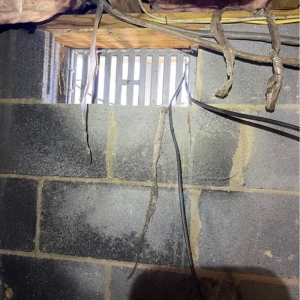
Some minor dampness can occur, but recurring condensation isn’t normal. In Jacksonville’s sandy soils and humid climate, moisture in the crawlspace often signals poor ventilation or drainage.
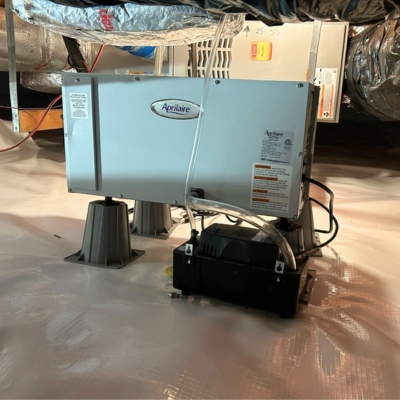
The LUX team inspects first, then installs vent covers or dehumidifiers to address crawlspace moisture issues in the long term.
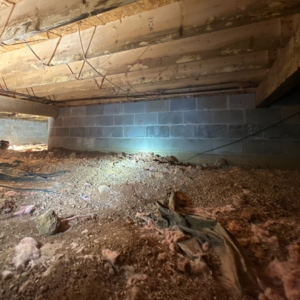
Florida’s high water table makes moisture in the crawlspace common, especially after storms.
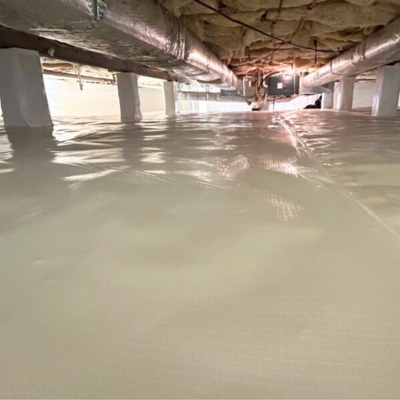
LUX recommends encapsulation systems that seal floors and walls, paired with drainage and dehumidifiers. This prevents groundwater from coming up in the crawlspace and protects your home against mold, pests, and wood rot.
If you see condensation on pipes in the crawlspace, musty odors, or sagging floors, it’s time to act. These problems of condensation in crawl spaces usually indicate that the structural supports are under stress.
LUX Foundation Solutions offers complimentary assessments to identify the cause and apply effective crawl space condensation solutions.
A crawlspace should never stay wet. Persistent dampness or pooling water means fixing crawspace moisture problems fast. In Palm Coast, where coastal soils hold water, LUX installs drainage and dehumidification systems to stop moisture under crawlspace areas and restore healthy indoor air quality.
Condensation under house flooring and ducts in Ocala is fueled by humid summers and groundwater intrusion.
LUX will assess what causes moisture in the crawl space and utilize a combination of vapor barriers, moisture-resistant rigid foam insulation board, and encapsulation to permanently eliminate moisture in the crawl space areas—keeping your structure dry, efficient, and safe year-round.