Published: December 30, 2020 • Updated: April 8, 2026
Cracks on the ceiling are something Florida homeowners notice more often than they expect, and the first question is almost always the same: Are these something to worry about or completely normal?
Not all ceiling cracks are serious. Certain types are cosmetic and common in any home that has been standing for a few years. Others are common signs of a deeper underlying problem that needs professional attention before it leads to serious structural damage. Knowing the difference can save you time, money, and a great deal of stress.
This guide covers what do ceiling cracks mean in a Florida home, the most common types, what causes them, and when to worry.
What Do Cracks in the Ceiling Mean in a Florida Home?
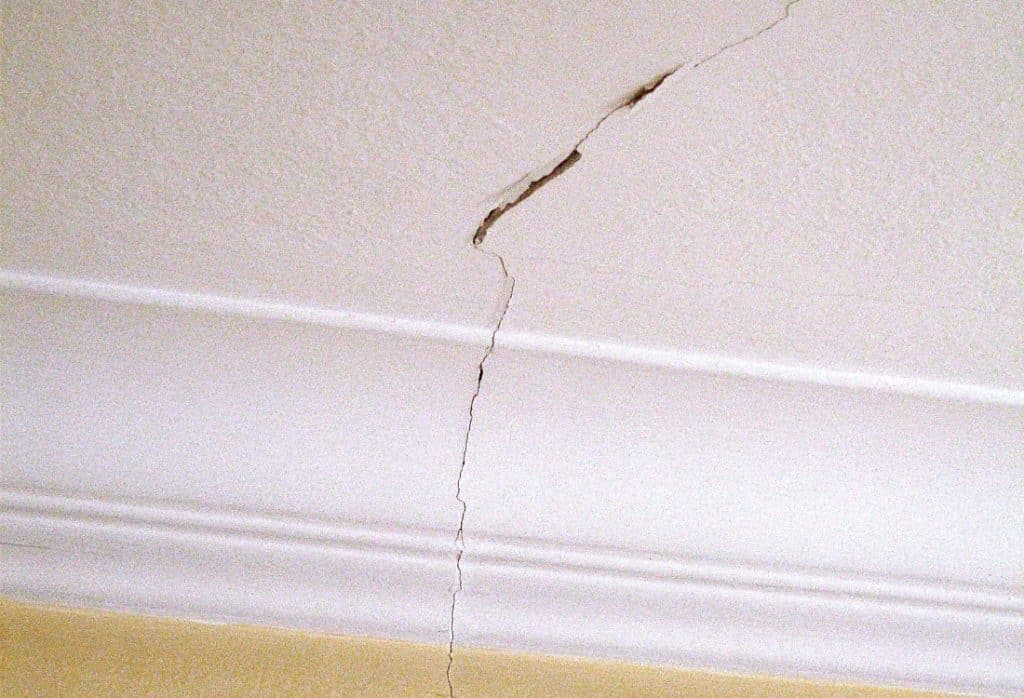
A cracked ceiling is not always a sign of structural problems, but it is always worth understanding what caused it. Cracks in the ceiling can range from drywall tape that has dried out over time to foundation settlement that is actively shifting the structure of your home.
Florida puts more stress on home structures than most states. Year-round humidity, sandy soil, a high water table, and hurricane season rainfall all work together to make ceiling cracks more common here than in drier climates.
A crack that reads as cosmetic elsewhere may warrant a closer look in Florida, especially when it appears near where a wall meets the ceiling or is accompanied by other warning signs.
The key is not to panic at the sight of a cracked ceiling but to know what you are looking at before deciding whether to monitor it or call a professional.
Types of Ceiling Cracks and What They Mean
Understanding the common types of ceiling cracks, with pictures, is the starting point for assessing the seriousness of your situation.
Hairline Ceiling Cracks
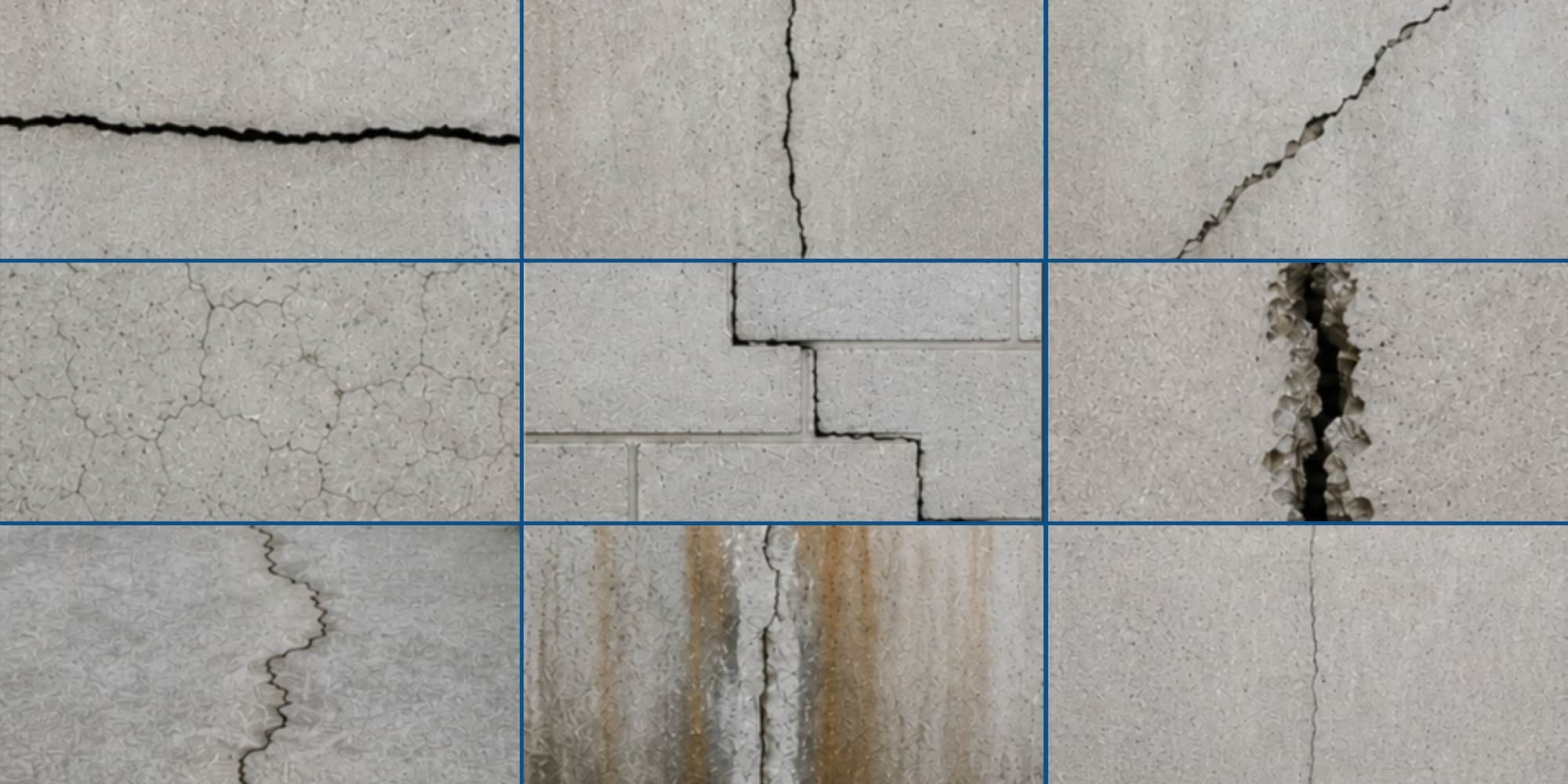
Hairline cracks in the ceiling are thin cracks that run along the surface of the ceiling without any depth or displacement. They are completely normal in most Florida homes, especially older ones, and are one of the most common signs of house settling. Spiderweb cracks from aging drywall fall into the same category. Neither type indicates structural movement.
Cracks Where the Wall Meets the Ceiling
A crack that runs along the edges where a wall meets the ceiling can indicate foundation settlement, particularly in Florida, where sandy soil shifts more than denser soils. These cracks suggest the ceiling and walls are moving independently, which is a common sign of foundation movement beneath the home. If the crack is getting wider or showing up alongside other symptoms, get a professional to take a look.
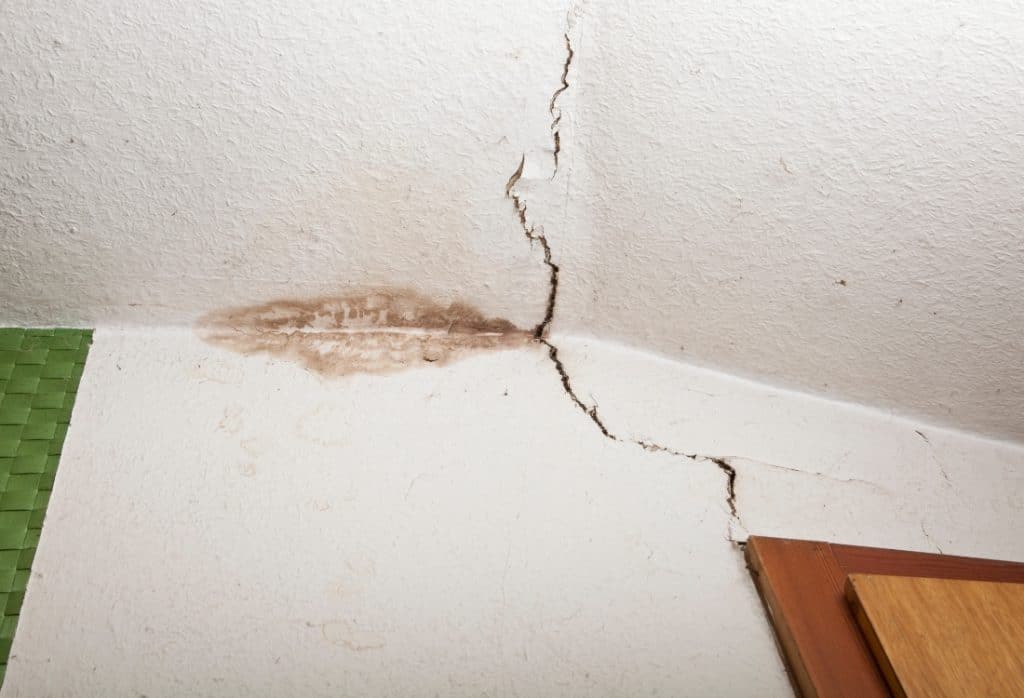
Straight Cracks Along the Ceiling
Straight ceiling cracks that follow drywall seams are usually a sign that the joints beneath the surface have dried out or were not taped correctly during the original build. These are generally not structural, but they should still be monitored.
If the same crack reappears after being repaired, an underlying problem with the drywall joints or the structure above may be the cause.
Diagonal Ceiling Cracks
Diagonal cracks running across the ceiling are often linked to structural movement in the framing above. In Florida homes, diagonal cracks near the corners of windows or doors are worth monitoring closely, as they can indicate that the foundation is settling unevenly and causing the structure above to shift.
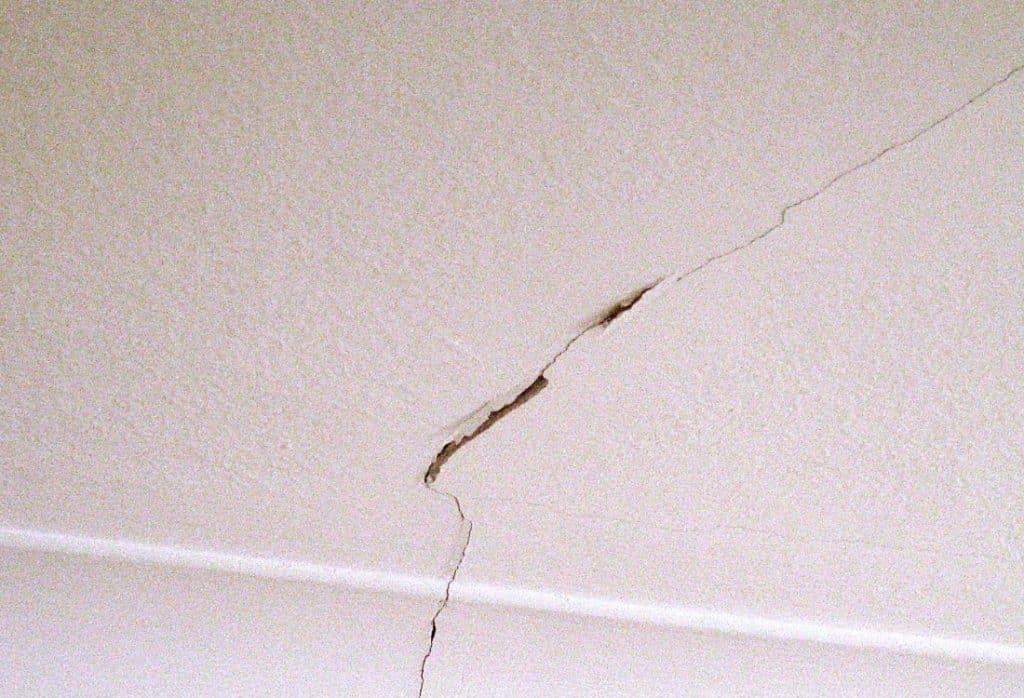
Large or Long Ceiling Cracks
Large cracks that run as continuous cracks across a large portion of the ceiling or extend from the ceiling down into the wall are structural ceiling cracks until proven otherwise. These dangerous ceiling cracks indicate a significant structural issue and should be evaluated by a professional without delay.
Sagging or Bowed Ceiling Cracks
A bowed ceiling with cracks is one of the most serious ceiling issues a Florida homeowner can face. Sagging points to moisture damage from a plumbing leak, roof intrusion, or weakened ceiling joists. In Florida’s humid climate, moisture spreads fast, making this a situation that needs immediate professional attention.
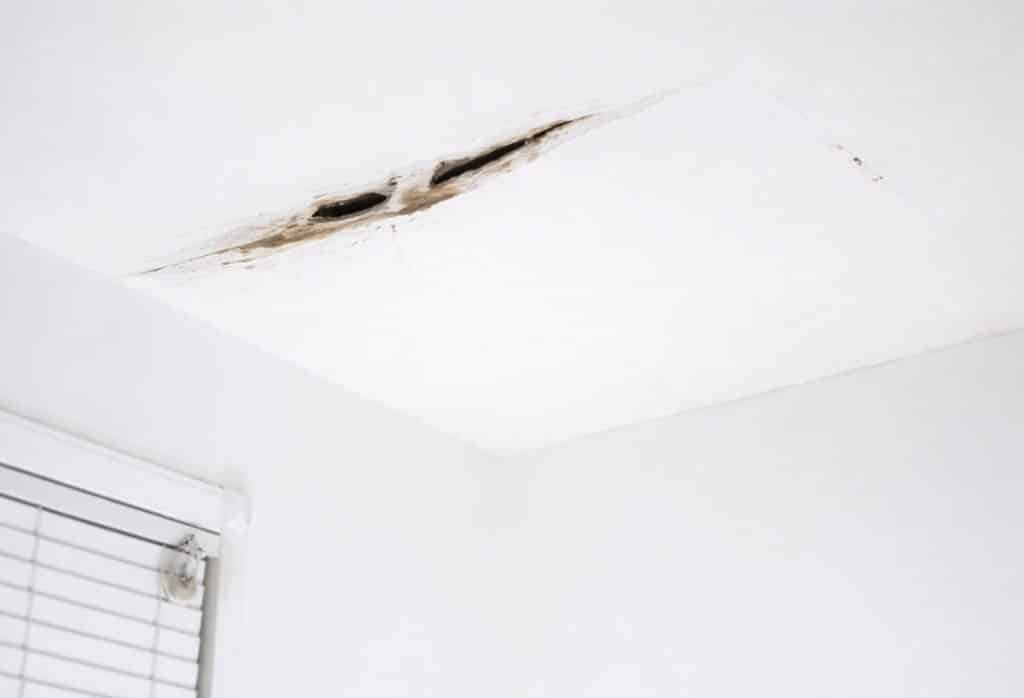
What Causes a Crack in the Ceiling in Florida Homes?

Florida’s climate and soil conditions create specific pressures on homes that homeowners in other states do not face to the same degree. The most common causes of ceiling cracks in Florida homes are:
- Normal house settling: Minor cracks along drywall joints or where walls meet the ceiling are completely normal in Florida homes as sandy soil compacts and shifts beneath the foundation over time.
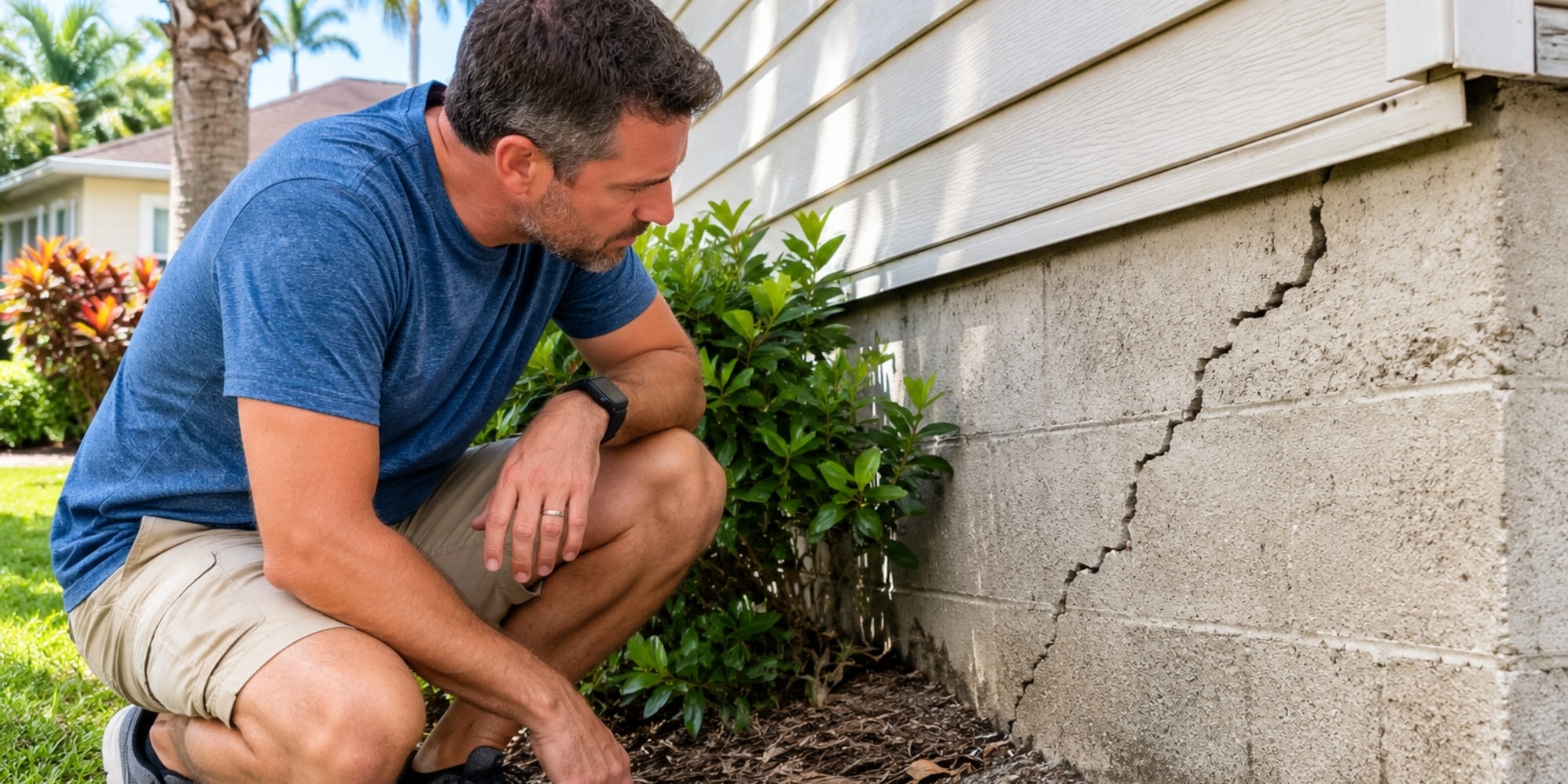
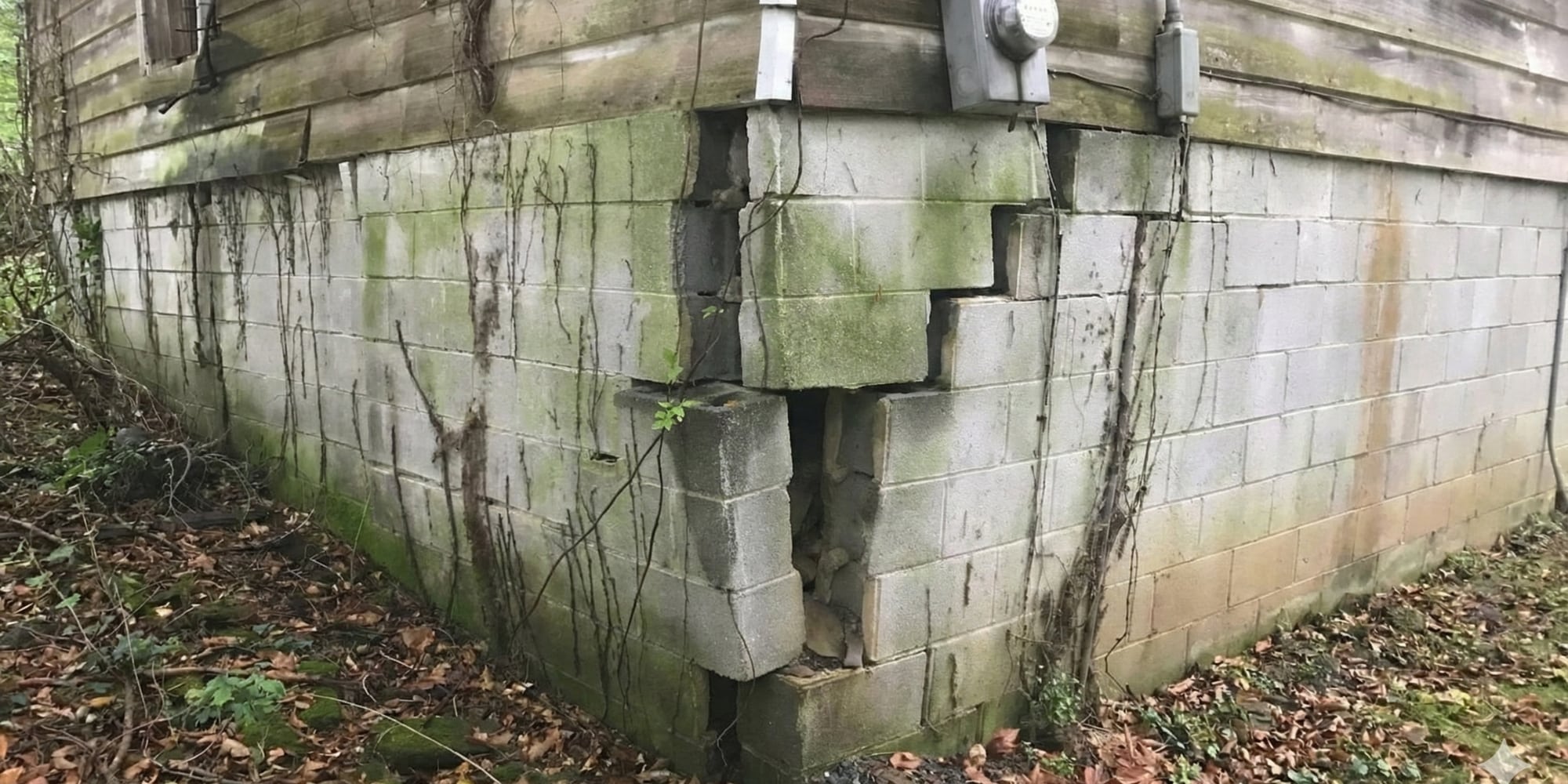
- Foundation settlement: When the soil beneath a slab erodes or shifts unevenly, the structure above moves with it, often first appearing as cracks on the ceiling, sticking doors, uneven floors, or gaps between walls and floors.
- Moisture damage and plumbing leaks: A slow plumbing leak or water entering through the roof can soak into ceiling joists, causing the drywall above to swell and crack. Florida’s year-round humidity makes this worse, accelerating moisture damage throughout the surrounding structure faster than most homeowners expect.
- Hurricane season water intrusion: Heavy rainfall and sustained winds during Florida’s hurricane season can push water into roof edges and through gaps in the structure, causing ceiling cracks to appear or worsen quickly in older homes.
- Heat expansion and contraction: Florida’s high daily temperatures cause building materials to expand and contract, creating daily cycles of expansion and contraction that can stress drywall joints and ceiling edges, leading to straight or hairline cracks over time.
- Drywall and construction issues: Drywall joints that were not properly taped, insufficient drywall compound, or poorly secured ceiling joists can cause cracks years after construction. If the same crack reappears after repair, poor workmanship is likely the underlying cause.
- Heavy load on upper floors: Storing heavy items in attic spaces or installing heavy fixtures on upper levels can stress the ceiling structure below, accelerating cracking along drywall joints and at structural connection points.
How to Tell if Ceiling Cracks Are Serious
Not all ceiling cracks require the same level of concern. However, knowing how to distinguish cosmetic cracks from those that threaten a home’s structural integrity is the most important skill a Florida homeowner can develop.
Here is a quick checklist to help you assess what you are looking at:
A ceiling crack is likely cosmetic if:
- It is a thin hairline crack in the ceiling with no depth or displacement.
- It runs straight along a drywall joint or seam.
- It appears as a spiderweb pattern from a central point.
- Both sides of the crack are level with no sagging.
- It has not changed in size since you first noticed it.
- There are no other symptoms in the home.
A ceiling crack may be serious if:
- It is wider than 1/8 of an inch at any point.
- It is longer than 12 inches across the ceiling.
- One side of the crack sits higher or lower than the other.
- The ceiling is sagging or bowed near the crack.
- It runs diagonally from the corner of a door or window.
- It continues down from the ceiling into the wall below.
- More cracks are appearing in the same area over a short period of time.
- It is accompanied by sticking doors, sticking windows, gaps between walls and floors, or uneven floors.
- There are water stains alongside the crack.
A simple monitoring test. If you are unsure whether a crack is growing, mark both ends with a pencil and note the date. Check it every few weeks. If the marks move, the crack is active and needs professional attention. If it stays stable over several months, it is likely a cosmetic crack that can be addressed with routine maintenance.
When to Worry About Ceiling Cracks
Most ceiling cracks in a Florida home are cosmetic and manageable. However, these specific situations mean it is time to call a professional:
- A crack getting longer or wider over time means something beneath the surface is actively moving.
- A bowed or sagging ceiling, along with cracks, indicates moisture damage or structural failure that requires immediate attention.
- Cracks, sticking doors and windows, uneven floors, and gaps between walls and floors are common signs of foundation settlement.
- Water staining alongside a ceiling crack means active moisture intrusion that will worsen without finding the underlying cause.
- Cracks wider than 1/8 of an inch or running diagonally from door or window corners are structural ceiling cracks until proven otherwise.
- Multiple new cracks forming in the same area over a short period suggest an underlying problem rather than normal settling.
Are Your Ceiling Cracks Worth a Closer Look?
Not all ceiling cracks indicate a serious problem, but in Florida, where humidity, sandy soil, and a high water table put home structures under consistent stress year-round. Some cracks are worth a closer look, and knowing what you are dealing with early is always the better approach.
LUX Foundation Solutions evaluates ceiling cracks, foundation settlement, and structural concerns throughout Northern and Central Florida, including Jacksonville, Ocala, Gainesville, Palm Coast, and St. Augustine. If you have noticed cracks that are growing, sagging, or appearing alongside other symptoms, we can tell you exactly what is happening.
Call us at 904-231-9926 or request your free evaluation online today.
Frequently Asked Questions
Are ceiling cracks normal in Florida homes?
Yes, certain types of ceiling cracks are completely normal. Hairline ceiling cracks from house settling, spiderweb cracks from aging drywall compound, and straight cracks along drywall joints are all cosmetic and do not indicate serious structural damage.
Not all cracks on the ceiling are serious, but any crack that is growing, sagging, or accompanied by other symptoms should be evaluated by a professional.
Why are my ceilings cracking?
Ceilings crack for a lot of reasons. In Florida, the most common ones are normal settling on sandy soil, the daily cycle of heat expansion and contraction, drywall joints that have dried out or were never installed correctly, moisture getting in through humidity or a slow plumbing leak, and foundation settlement from soil shifting beneath the slab.
A crack that appears suddenly, grows quickly, or occurs alongside sticking doors or uneven floors is more likely to be due to foundation movement than to normal aging.
What are the most common issues people run into with ceilings, and how do they fix them?
The most common ceiling issues Florida homeowners encounter are hairline cracks from normal house settling, straight cracks along drywall seams from aging drywall joints, sagging or bowed sections from moisture damage, and larger cracks connected to foundation settlement.
Cosmetic cracks, such as hairline and spiderweb types, can typically be addressed with drywall compound and paint. Cracks caused by moisture, foundation settlement, or structural movement require a professional evaluation before any cosmetic fix is applied; otherwise, the problem will reappear after repair.
How do I know if my ceiling cracks are serious?
The key indicators of serious ceiling cracks are:
– width greater than 1/8 of an inch,
– displacement where one side of the crack sits higher than the other,
– sagging or bowing near the crack,
– diagonal direction from a door or window corner,
– water stains alongside the crack,
– and other symptoms in the home, such as sticking doors, sticking windows, gaps between walls and floors, or uneven floors.
A crack that stays stable and shows none of these signs is likely cosmetic.
Can ceiling cracks be a sign of foundation damage?
Yes. Ceiling cracks are one of the common signs of foundation damage, particularly when they appear where a wall meets the ceiling, run diagonally, or grow over time. Foundation settlement causes the structure above to shift.
That movement often first shows up as cracks in ceilings and walls before more obvious signs. In Florida, foundation settlement on sandy soil is more common than in most other states.
When should I call a professional about ceiling cracks in my Florida home?
Call a professional if the crack is growing, if the ceiling is sagging or bowed, if the crack is wider than 1/8 of an inch, if it is diagonal or runs from the ceiling down into the wall, if there are water stains present, or if the crack appears alongside other symptoms like sticking doors, gaps between walls and floors, or uneven floors.
Catching foundation problems and structural movement early is always less costly than addressing them after serious structural damage has occurred.