If your yard stays soggy days after a Florida storm, or water keeps pooling near your home’s foundation, the cause is usually poor drainage sitting below the surface where gutters and regrading can’t reach it. Sandy soil and a high water table make this a common problem for homes across Northern Florida, and left unaddressed, it can lead to foundation damage, soil erosion, and mold.
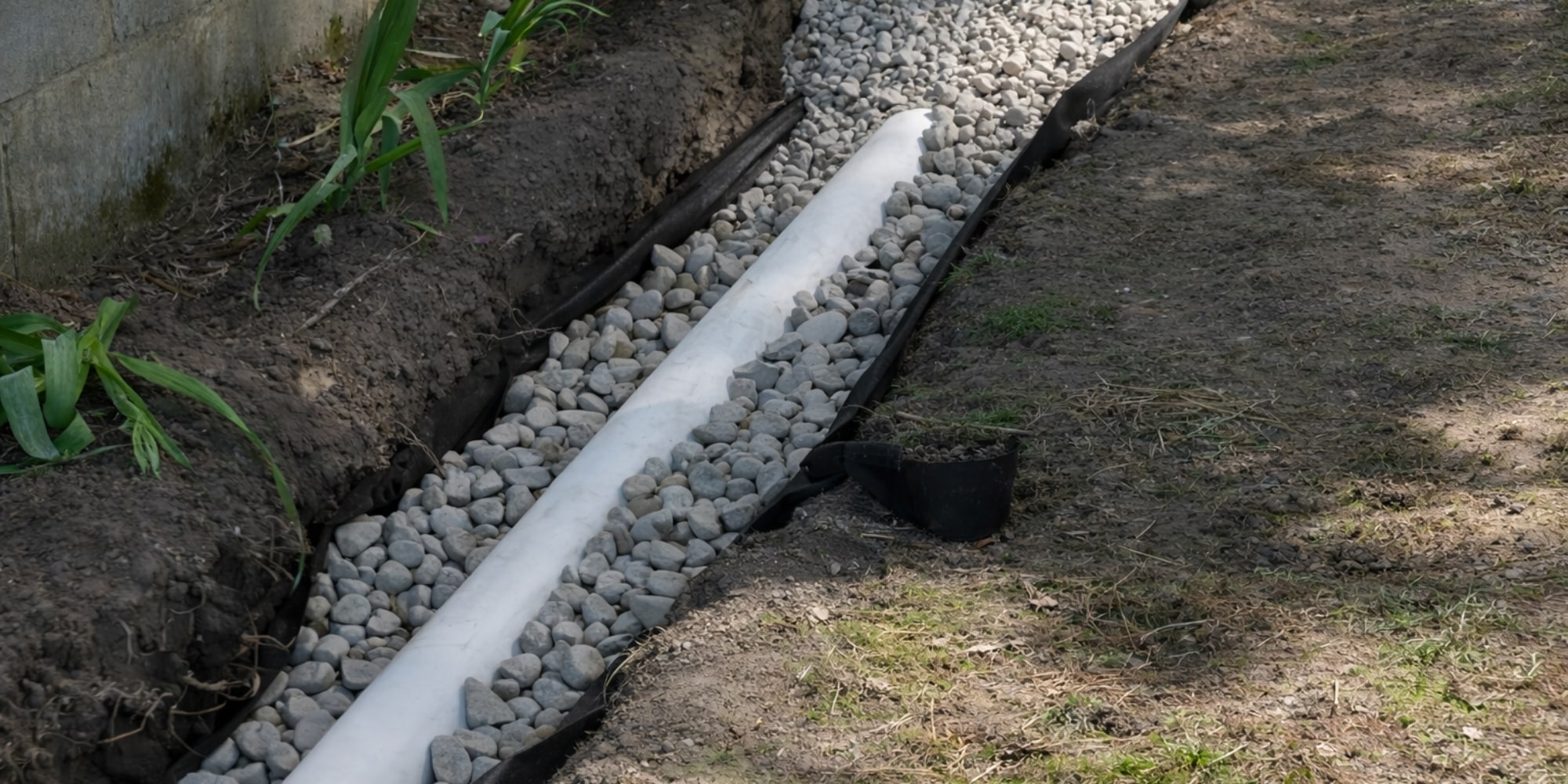
A French drain is a trench filled with gravel and installed below ground with a perforated pipe, a simple but effective drainage solution that redirects water away from your home before it causes damage. The benefits of French drain installation go beyond a drier yard; French drains protect your foundation, slow soil erosion, and keep moisture out of your crawl space.
Here are 7 benefits of French drain installation that many homeowners in Jacksonville, Gainesville, Ocala, St. Augustine, and Palm Coast can expect.
Key Takeaways
- French drain installation addresses Florida’s sandy soil and high water table, the drainage issues that surface grading and gutters alone can’t fix.
- The core benefits are foundation protection, erosion control, and reducing moisture that leads to mold in crawl spaces.
- A properly installed French drain lasts 20 to 30 years with only regular maintenance.
- It works best for surface and shallow groundwater issues; severe foundation damage or low-lying properties may need it paired with a sump pump.
Why Florida Yards Need Better Drainage
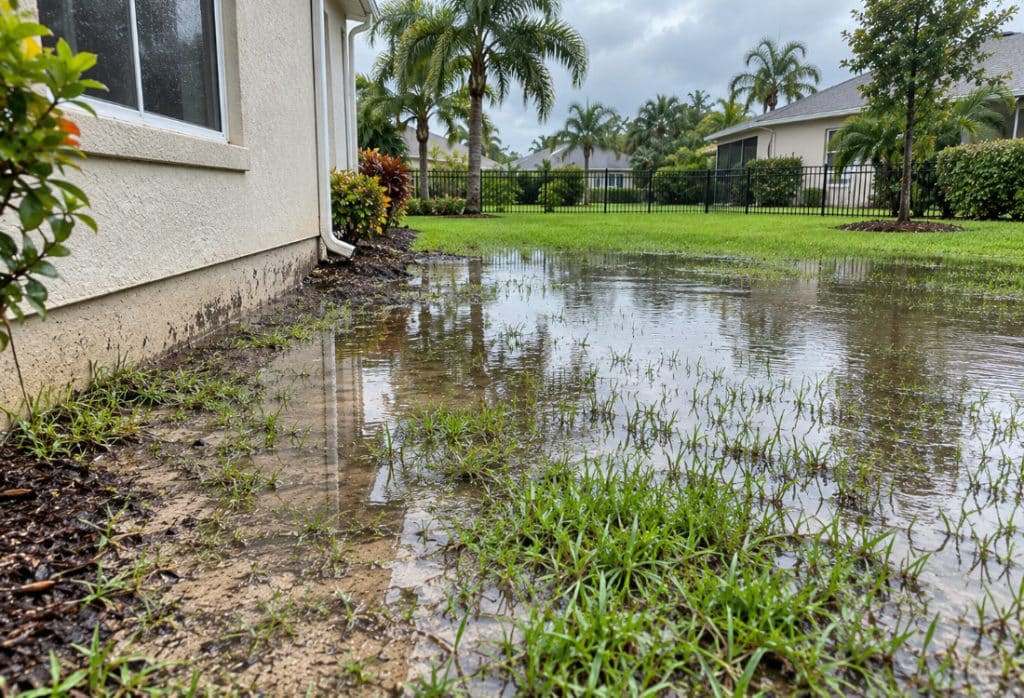
Your yard’s drainage problem likely starts with conditions most homeowners never think to check. Florida’s soil composition, mostly fine sand, lets surface water move fast but doesn’t hold its structure once it’s saturated, so it shifts rather than draining away cleanly. At the same time, Florida’s naturally high water table keeps groundwater close to the surface, leaving little room for rain and water runoff to go anywhere once a storm hits your property.
Combine that with a heavy rain, and your yard can face water accumulation faster than gutters and surface grading alone can handle. That’s why French drain installation benefits Florida properties differently than homes in other regions and helps prevent flooding, it addresses a drainage problem starting below your yard, not just the water sitting on top of it
The Top 7 Benefits of French Drain Installation For Your Florida Property
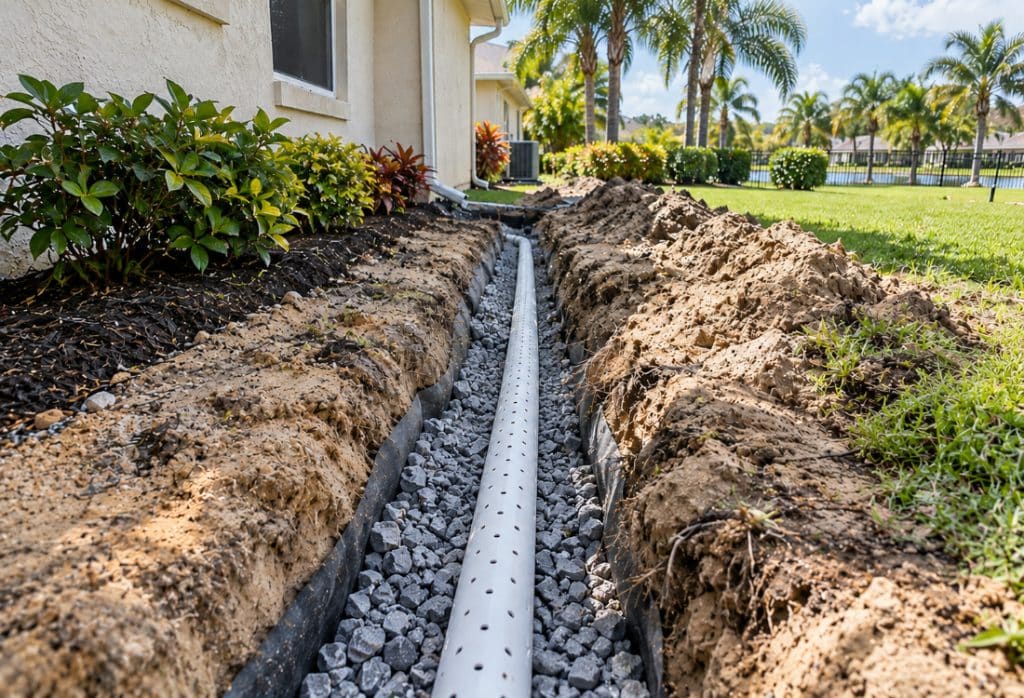
Florida’s rainy season brings intense, fast-moving storms that overwhelm yards faster than sandy soil and high water tables can absorb. Here’s what an effective drainage solution, a properly installed French drain, does for your property once it’s in the ground.
Benefit 1: Protects Your Foundation and Crawl Space
Most Florida homes sit on slab foundations or raised crawl spaces rather than basements, and both are vulnerable when water saturates the soil around them. Installing a French drain along the perimeter, with proper installation accounting for your property’s slope, pulls that water away before it reaches the footing or seeps into the crawl space, reducing the settling, foundation cracks, and water intrusion that comes with a high water table pressing against the structure.
Benefit 2: Reduces Termite and Pest Risk Near Your Foundation
Florida has some of the heaviest subterranean termite activity in the country, and moist soil against a foundation is exactly what draws them in. When water collects around your foundation instead of draining away, it creates the damp soil-to-wood contact termites need to establish a colony.
A French drain keeps that soil drier by moving groundwater away from the foundation, removing one of the conditions that makes a home more attractive to termites in the first place.
Benefit 3: Stops Standing Water and Mosquito Breeding
Standing water in a Florida yard doesn’t just sit there; it becomes a mosquito breeding ground within days and can kill grass left submerged too long, especially during the state’s long, humid rainy season. Left unaddressed, that creates more than a nuisance; standing water increases exposure risk to West Nile virus and other mosquito-borne illnesses in your own yard.
A French drain moves that water pooling below the surface and carries it away before it has a chance to pool, cutting off the stagnant water mosquitoes need to lay eggs.
Benefit 4: Reduces Erosion in Sandy Soil
If you’ve noticed bare patches, washed-out mulch beds, or small channels forming across your yard after a storm, sandy soil is usually the reason, a pattern documented in University of Florida soil assessments for residential landscapes. Changing water flow patterns across the yard can continue this erosion, weakening the soil beneath walkways and patios and eventually affecting the soil supporting your foundation, turning a yard problem into a risk to your home’s structural integrity.
A French drain intercepts that water before it can move through the soil, keeping your yard’s grading stable through storm season while minimising toxic runoff into surrounding waterways, instead of needing repair after every major rain.
Benefit 5: Reduces Mold Risk
Florida’s humidity already gives mold everything it needs to grow, so when soil moisture levels stay high in a crawl space or around the foundation, it speeds up the process significantly. Left unaddressed, that mold in crawl space can spread into insulation and framing, trigger allergy and respiratory symptoms for people in the home, and lead to costly repairs once it takes hold.
A French drain reduces the groundwater reaching these areas in the first place, cutting down on the sustained dampness that mold depends on.
Benefit 6: Protects Your Home’s Resale Value
In Florida, home sellers are legally required to disclose known drainage issues or water intrusion, so a standing water problem that goes unaddressed doesn’t just scare off buyers; it becomes paperwork that follows the sale.
A documented French drain installation gives sellers something concrete to point to during inspection instead of negotiating a price reduction or repair credit after an inspector flags standing water or crawl space moisture, protecting your property value in the process. For a property in a flood-prone part of Northern Florida, that documentation can be the difference between a smooth closing and a renegotiated contract.
Benefit 7: Stays Low-Maintenance When Built for Florida Soil
A properly installed French drain can last 20 to 30 years, but Florida’s sandy soil means the one thing worth watching is whether fine sand has worked its way past the filter fabric and into the pipe; that’s the most common reason a drainage system slows down here specifically. After hurricane season or any unusually heavy storm, it’s worth checking the outlet point for debris and confirming water is still draining within a few hours of rainfall.
Compared to the ongoing cost of regrading a yard or replacing storm-damaged landscaping every season, a French drain built for Florida conditions keeps working with only occasional attention.
Common Mistakes to Avoid in French Drain Installation
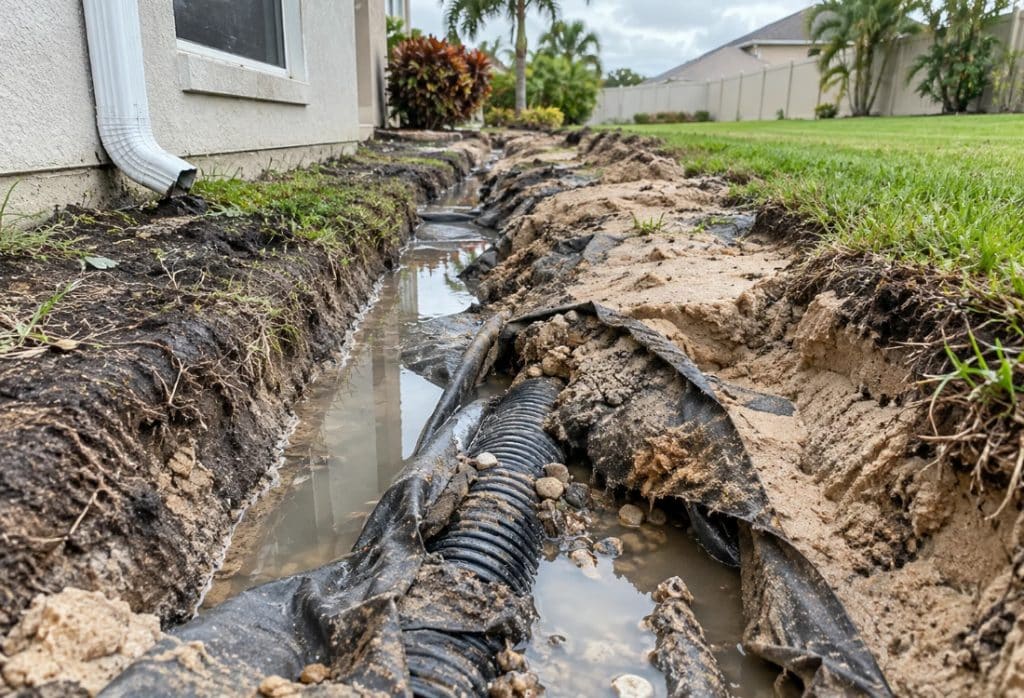
A French drain may seem simple to install, but getting the trench, gravel, and pipe right requires practical experience. Many systems that fail after a few years weren’t installed correctly from the start, and installation mistakes that were missed at the time can eventually lead to bigger problems.
- A trench with even a slightly flat slope won’t drain properly, and Florida’s flat terrain leaves almost no margin for error. This is why proper drainage depends on getting the slope right from day one.
- Skipping a proper filter fabric lets Florida’s fine, sandy soil work into the pipe and clog the system over time.
- Digging without locating buried utility lines first risks electrocution, gas line damage, or a neighborhood power outage.
- Many Florida municipalities have local regulations requiring a permit for French drain installation, especially when drainage affects a neighboring property.
- Low-lying properties often need a French drain paired with a sump pump system to avoid sump pump failure during heavy storms, not installed as a standalone fix.
A French drain is only as reliable as the installation behind it. Systems that last 20 to 30 years are the ones built by professionals who understand Florida’s soil, terrain, and storm patterns, not a shortcut that happens to look right on the surface.
Protect Your Florida Home With a French Drain
A French drain is an effective solution for water management on a Florida property, built to handle a soggy yard, a damp crawl space, or ongoing erosion before any of it turns into foundation damage.
If you’re in our service area and ready to stop water from finding its way back to the same spots every storm season, our team at LUX Foundation Solutions designs French drain systems built specifically for Florida’s sandy soil and high water table. See how we approach landscape French drain installation across Jacksonville, Gainesville, Ocala, St. Augustine, and Palm Coast, or contact us today for a free assessment.
Frequently Asked Questions
How many years does a French drain last in Florida?
A properly installed French drain typically lasts 20 to 30 years. In Florida specifically, longevity depends heavily on whether the system was built with the right gravel and filter fabric for sandy soil, an undersized or poorly lined system can clog with fine sand years before that range is reached.
Will a French drain work in Florida’s sandy soil?
Yes, but the design needs to account for it. Sandy soil drains quickly on its own, which actually helps a French drain perform well, as long as the trench is lined with proper filter fabric to keep fine sand from working into the pipe and reducing flow over time.
Which is better, a sump pump or a French drain?
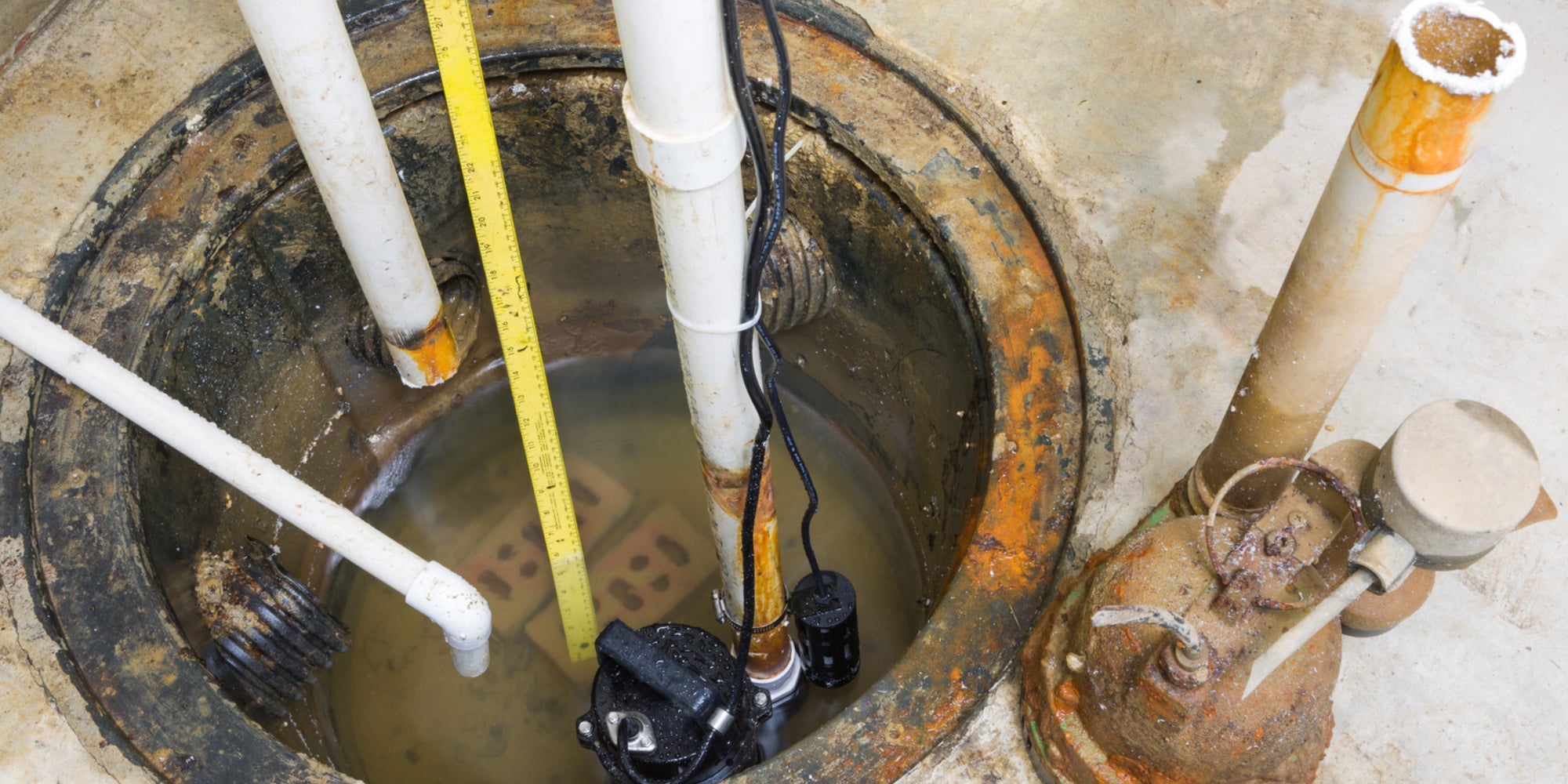
It depends on where the water problem is coming from. A French drain moves water away through gravity and a sloped trench, which works well for surface and shallow groundwater. A sump pump actively pumps water out of a low point, usually needed when a property sits at the bottom of a slope or in a flood-prone area. Many Florida homes end up benefiting from both working together rather than choosing one over the other.
Are French drains worth the money?
For Florida properties dealing with standing water, foundation moisture, or erosion, yes, a French drain typically costs far less over time than repeatedly repairing erosion damage, replacing storm-killed landscaping, or the cost of foundation waterproofing repairs caused by prolonged water exposure. The upfront investment pays for itself by preventing the larger repairs that come from ignoring a drainage problem for years.
What is the best French drain system?
The best French drain system is one designed around your property’s soil, slope, and water volume instead of using a standard design. In Florida, that typically means wider trenches, coarser gravel, and quality non-woven filter fabric rated to handle fine sandy soil without clogging.
How often does a French drain need maintenance in Florida’s climate?
Most systems only need a check once or twice a year, plus an inspection after hurricane season or any unusually heavy storm. The main thing to watch for in Florida is sediment buildup from sandy soil working past the filter fabric over time.