Written By Bridget Stieb, Director of Marketing at LUX Foundation Solutions • Reviewed by LUX’s foundation repair specialists serving Northern Virginia & Florida
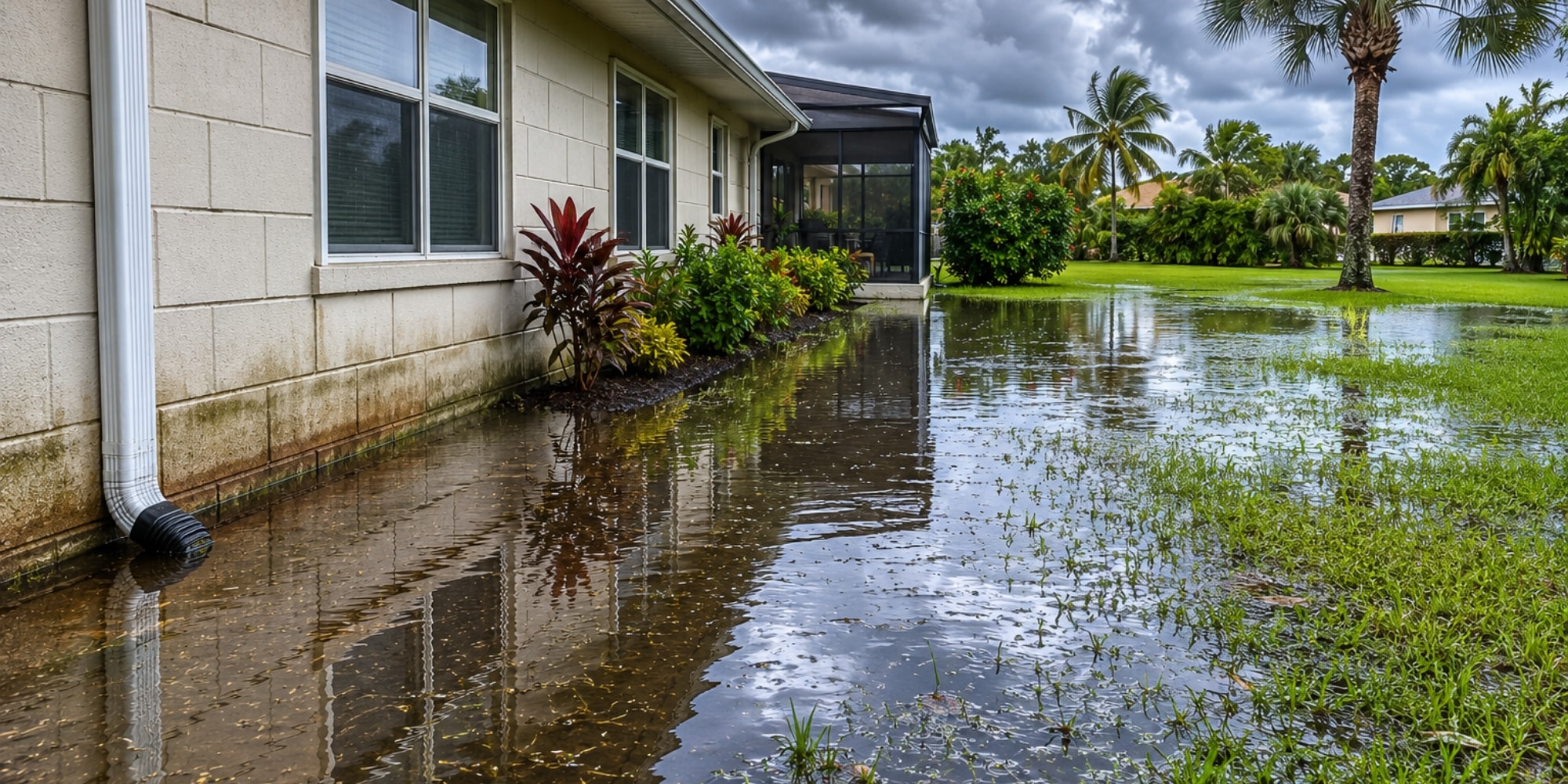
Water problems around your home do not always have the same cause. After heavy rain, water may pool near the foundation, roof runoff may drain too close to the house, or excess moisture may affect a crawl space, foundation, or basement.
Because water can come from different sources and move through a property in different ways, no single waterproofing solution fits every home. Improving drainage may help with surface water, while a vapor barrier, sump pump, or foundation waterproofing solution may be more appropriate for a different issue.
This guide explains the main foundation waterproofing methods and related water-management solutions available for Florida homes. It will help you better understand which type of solution may fit the water problem affecting your property.
Key Takeaways
- The right foundation waterproofing method depends on where the water or moisture is coming from.
- Surface water around your home may require drainage or runoff management, while crawl space and foundation problems may need a different approach.
- A vapor barrier and a sump pump serve different purposes: one helps manage ground moisture, while the other helps remove collected water.
- Interior and exterior foundation waterproofing may be appropriate in different situations depending on how water is affecting the structure.
- Some homes may need more than one solution when multiple sources of water or moisture are present.
- Identifying the source of the problem before choosing a solution can help avoid treating only the visible symptom.
Start by Identifying the Source of the Water Problem
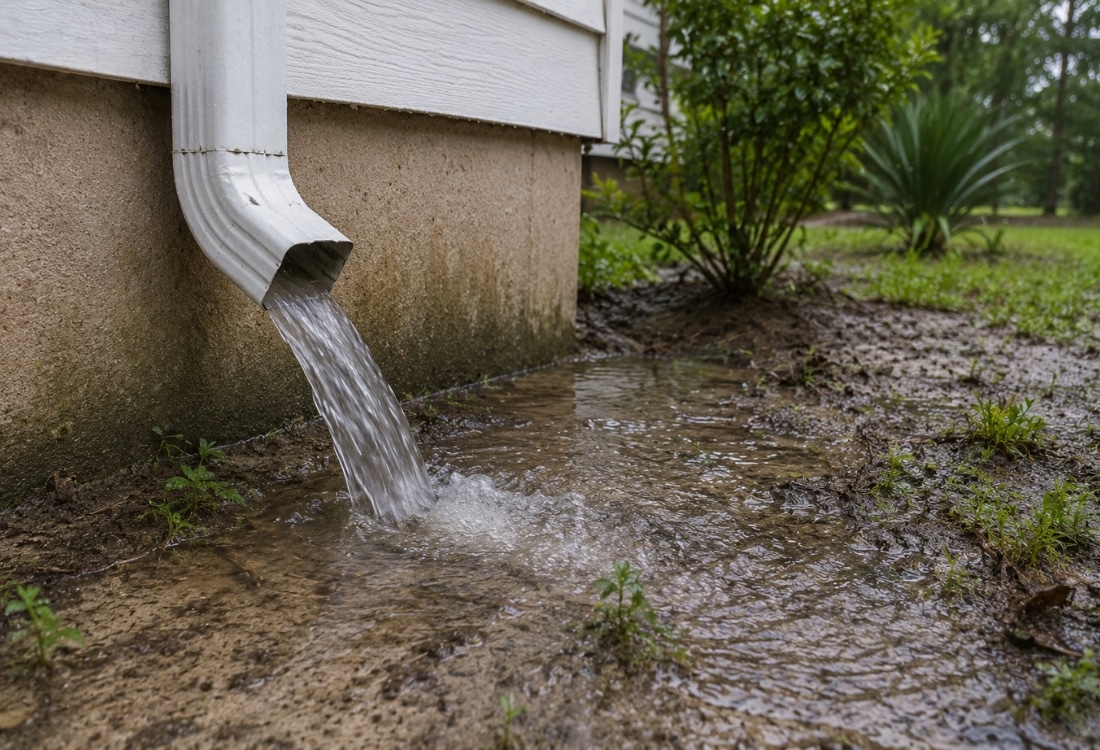
Before choosing a waterproofing method, you need to find out where the water or moisture is coming from. Similar water problems can come from different sources, and choosing a solution without finding the cause may not fully fix the problem.
Look at where and when the problem occurs. For example:
- Water pools near your home after heavy rain: The issue may involve surface drainage or how water moves across your property.
- Roof runoff drains too close to the foundation: Redirecting the water away from the home may help reduce water accumulation and prevent water from repeatedly reaching the foundation.
- Water collects in your crawl space: Identifying the cause of water in your crawl space can help determine whether the problem involves surface water, groundwater, drainage, or another source.
- The crawl space feels damp or humid: Ground moisture or excess humidity may be contributing to the issue.
Look at where the water appears, when it occurs, and how it moves around or into your home. This can help you better understand what may be causing the issue and which type of drainage or waterproofing solution may be appropriate.
Yard Drainage and Surface Water Control
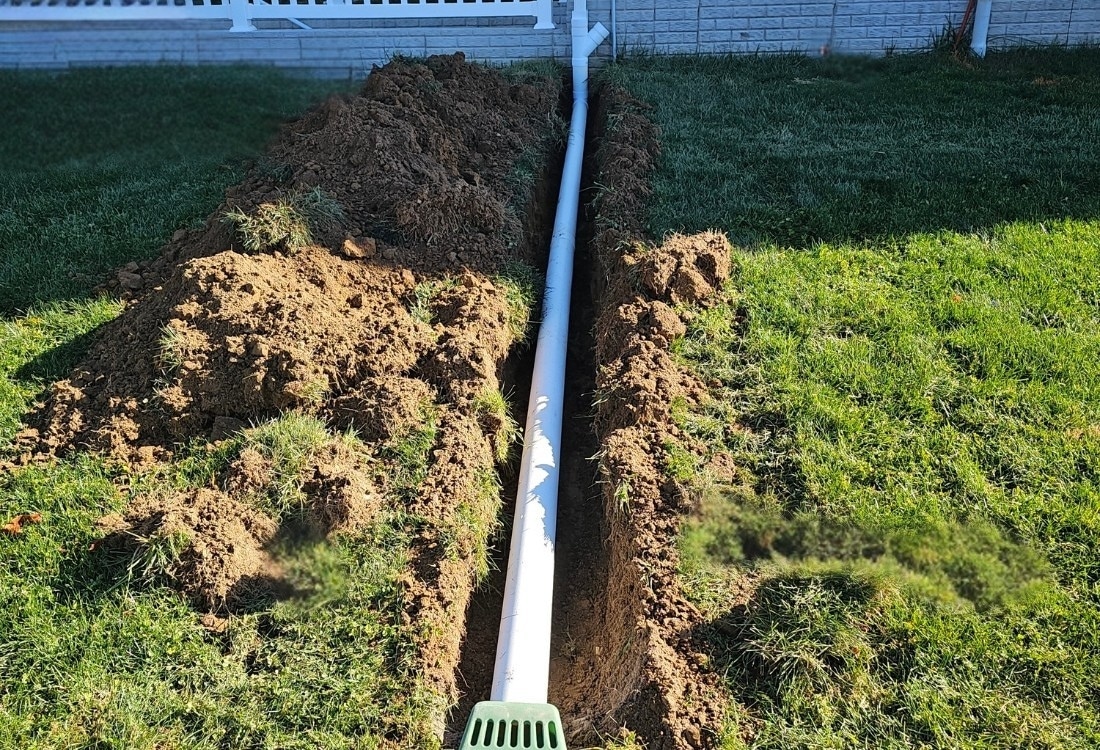
Water that repeatedly collects near your home can increase moisture exposure around the foundation and other vulnerable areas. The goal is to manage where that water goes before it continues to collect near the structure.
Different types of foundation drainage systems may be used depending on where water collects and how it moves across the property.
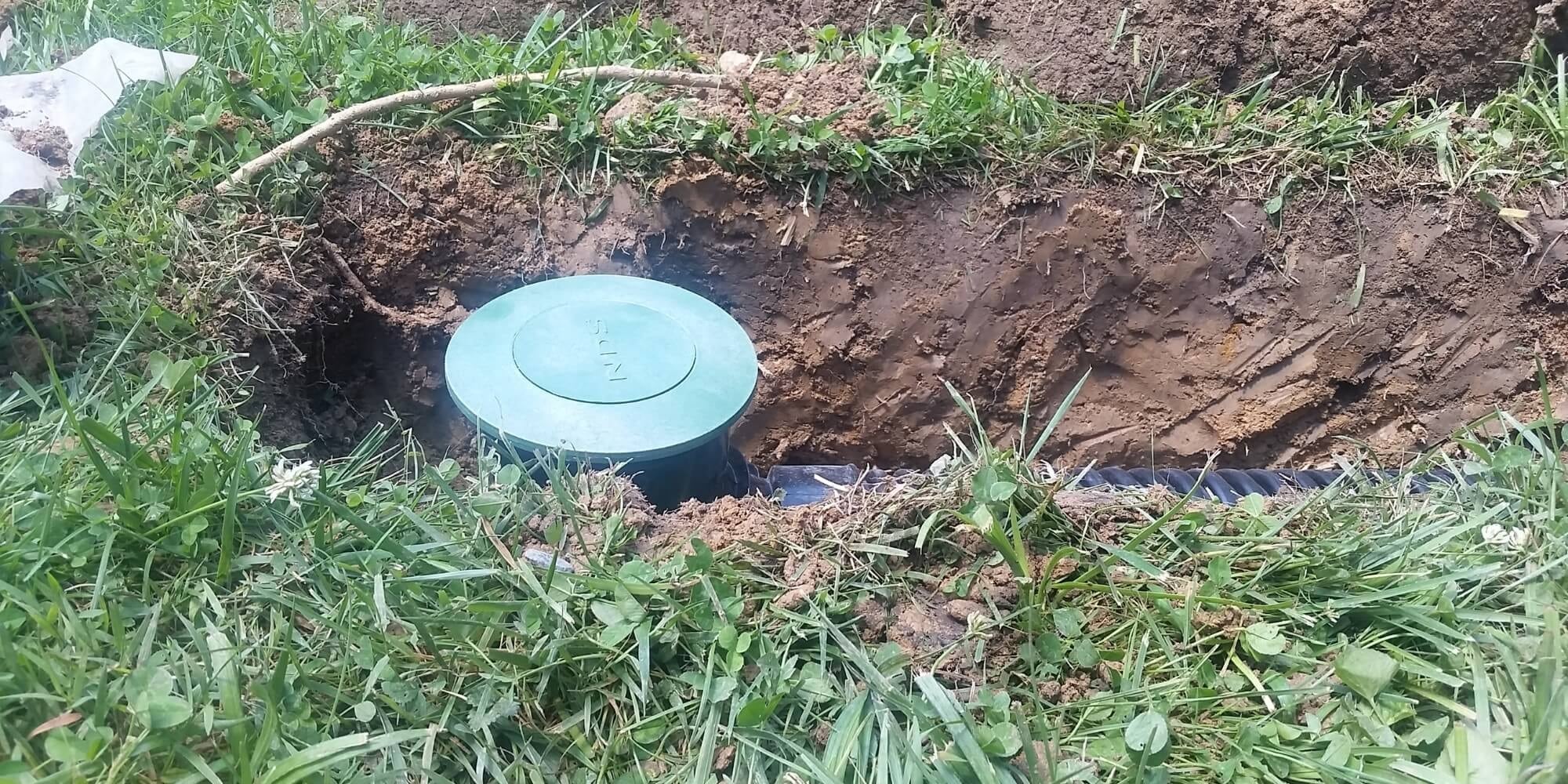
French Drains
If water regularly pools in certain areas of your yard or moves toward your home after rain, a drainage solution may help collect and redirect that water. A French drain uses a drain pipe to collect and redirect excess water away from affected areas.
The right drainage approach depends on how water moves across your property and where it tends to collect.
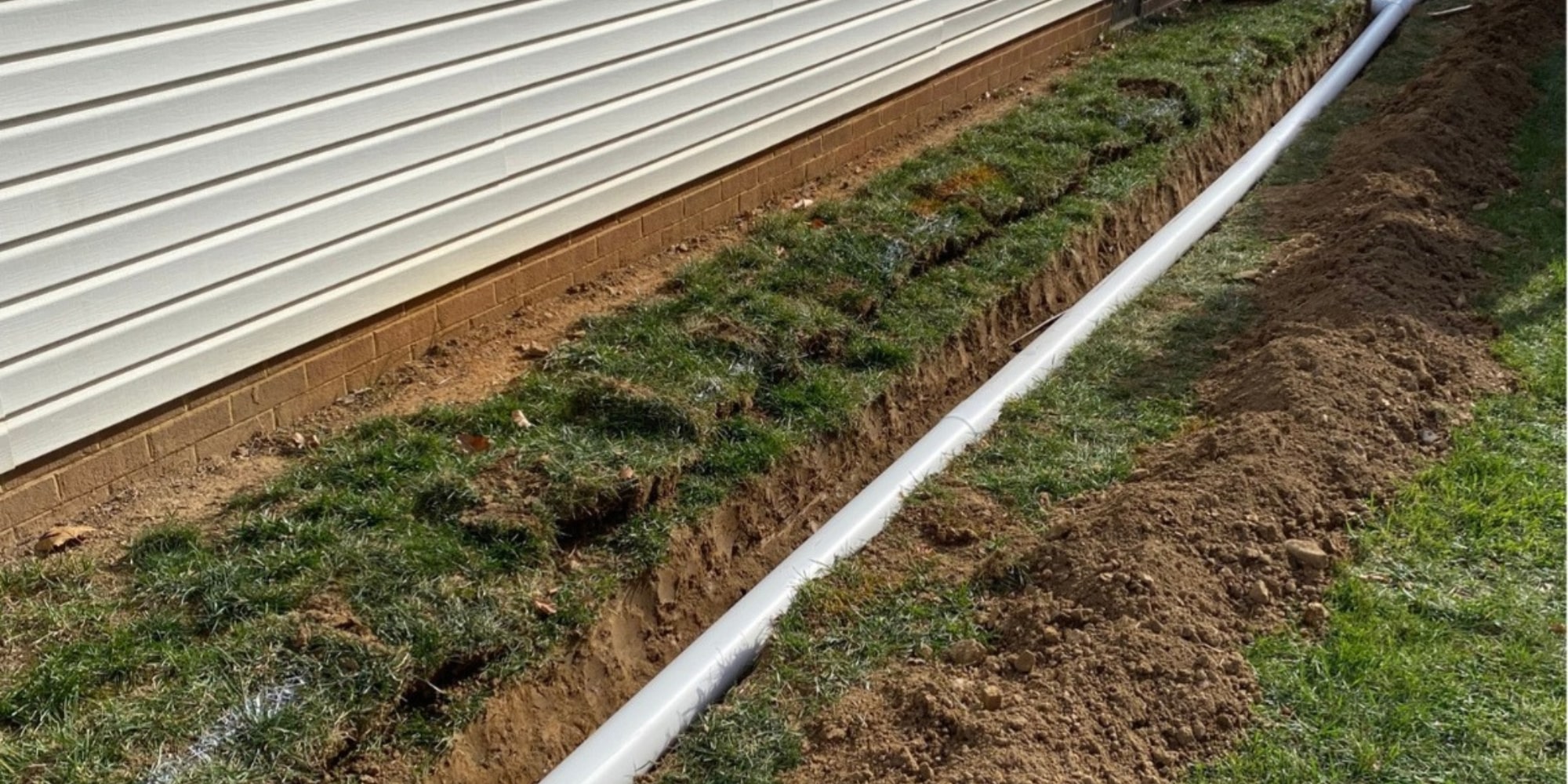
Downspout Extensions
Sometimes the problem starts with roof runoff. If your downspouts release water too close to the foundation, the soil around your home can stay saturated.
A downspout extension redirects roof runoff farther away from the home and reduces water accumulation near the foundation. By moving concentrated roof runoff away from the structure, it helps keep the soil near the foundation from becoming repeatedly saturated.
Crawl Space Waterproofing Methods
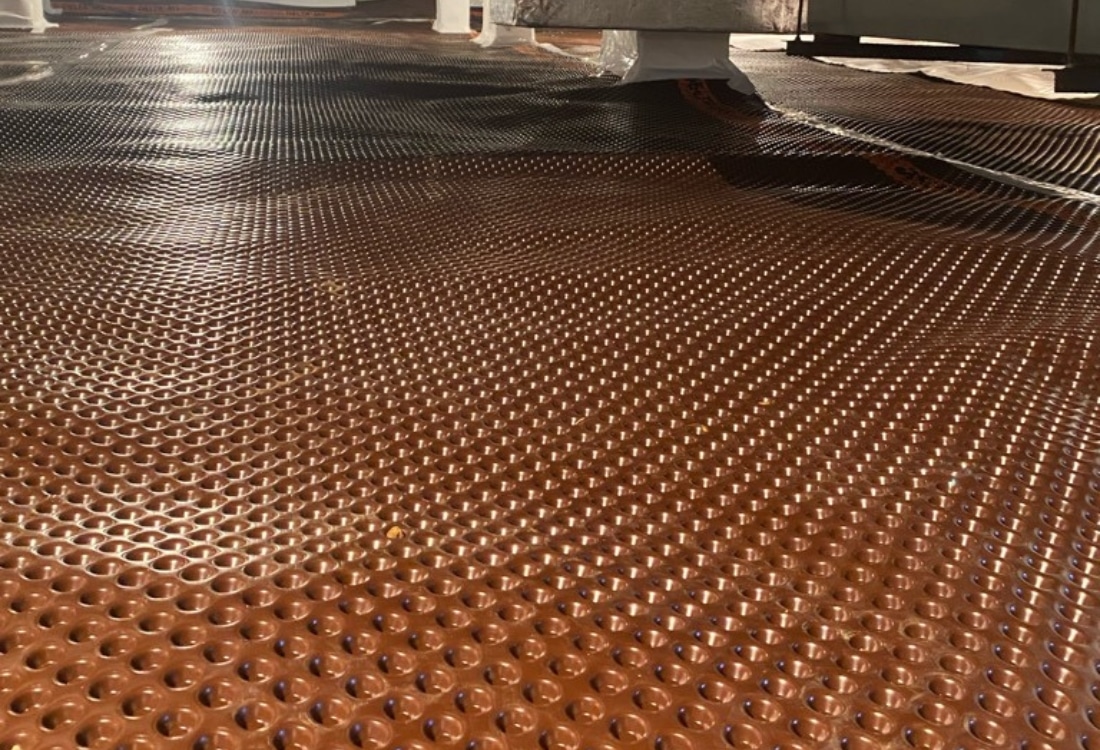
Water problems in a crawl space can involve either excess moisture intrusion or actual water collection. These issues may require different solutions, so it is important to identify whether you are dealing with damp conditions, moisture rising from the ground, water seepage, or standing water.
Crawl Drainage
If water enters your crawl space or begins to collect beneath your home, crawl space drainage directs the water away from the affected area and helps prevent continued pooling. The appropriate drainage approach depends on where the water is entering and how it moves through the crawl space. This helps manage water before it continues to accumulate beneath the home.
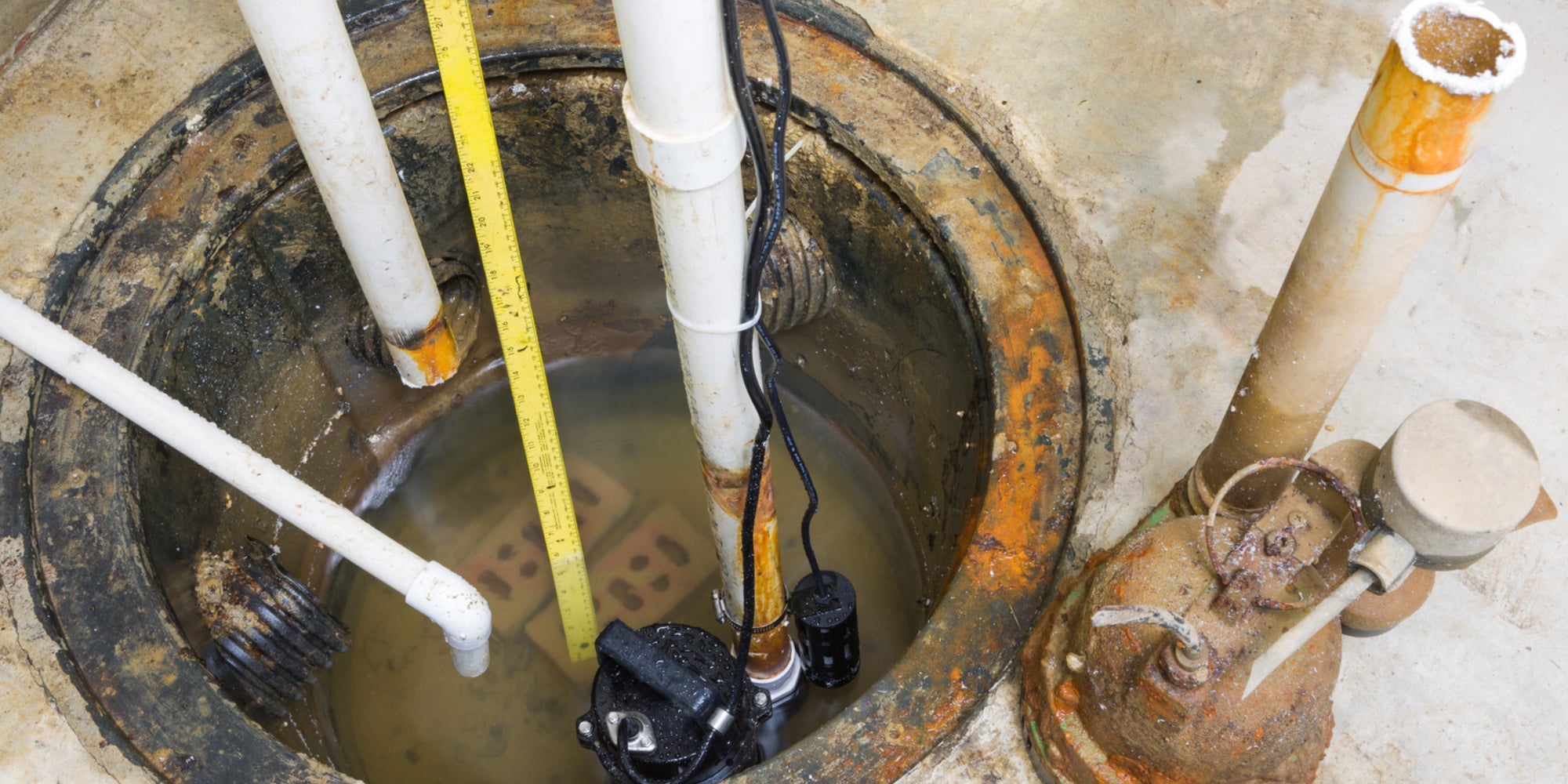
Crawl Space Sump Pump Systems
If water repeatedly collects in your crawl space, a sump pump system collects and then removes water from the area. This differs from moisture control because it manages accumulated water. The appropriate approach depends on why water is entering the crawl space and how often the problem occurs.
Foundation Waterproofing Methods
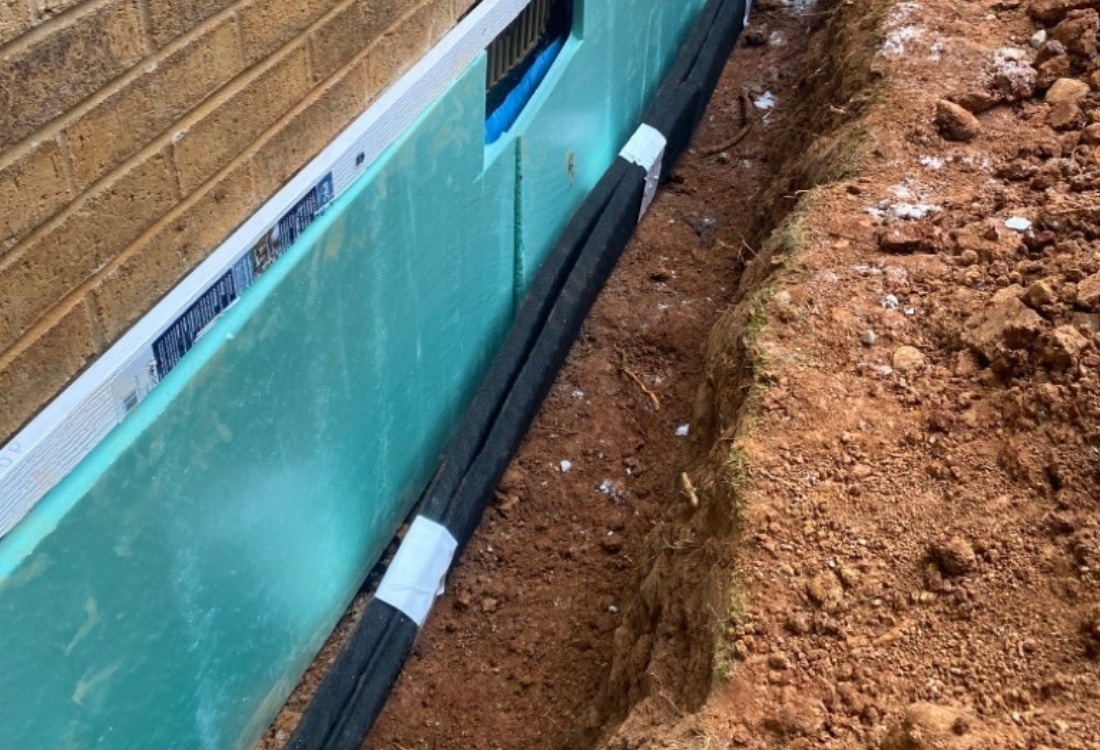
When water reaches or enters areas around the foundation, the right solution depends on where it’s coming from and how it is affecting the structure. When water builds up in the soil around the home, it can create hydrostatic pressure against the foundation.
Some of the issues may be addressed from outside the foundation. In others, managing water from the interior may be more appropriate.
Exterior Foundation Waterproofing
If water consistently reaches the outside of the foundation, exterior waterproofing can help reduce water intrusion. This approach protects the foundation from exterior water exposure and includes a waterproofing membrane designed to limit moisture from reaching the foundation.
However, exterior waterproofing may not address the underlying cause if poor drainage continues to direct large amounts of water toward the home. In some cases, improving drainage may also be part of the solution.
Interior Foundation Waterproofing
Interior foundation waterproofing manages water or moisture issues from inside the structure. Depending on the conditions, interior drainage systems can help manage water entering the area and reduce problems associated with water seeping through foundation materials.
This approach focuses on managing water from inside the structure when the source and path of the water make an interior solution appropriate.
Basement Waterproofing Methods
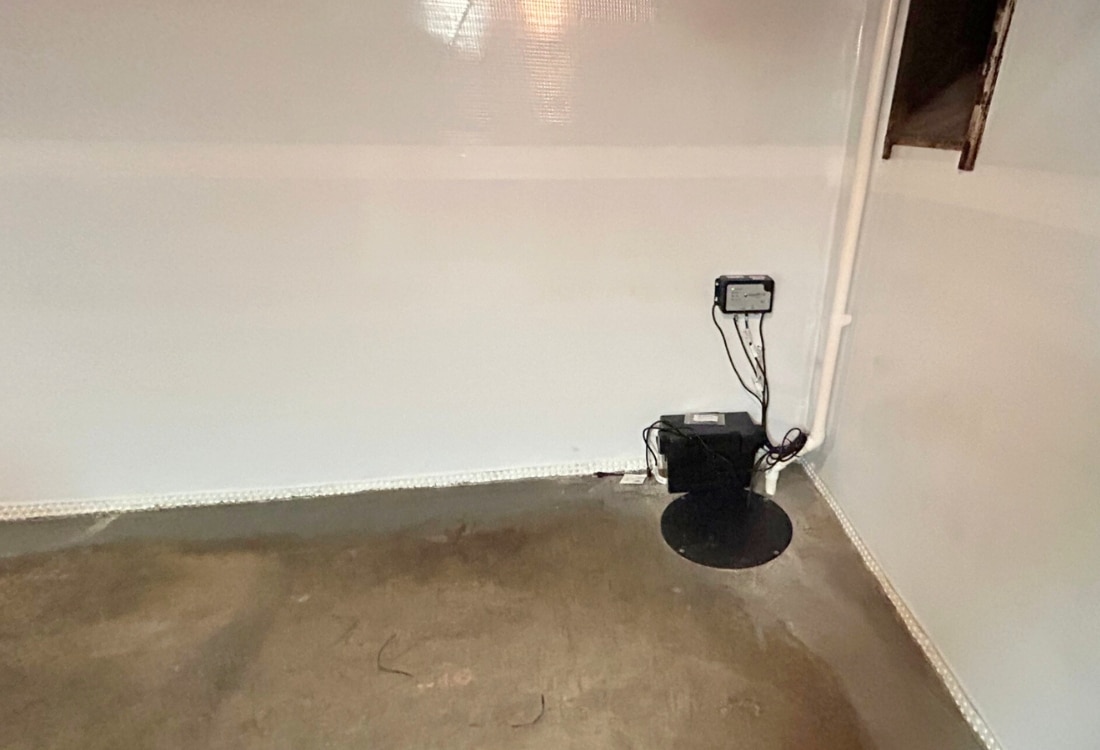
Although basements are less common in Florida than in many other parts of the country, some homes may still have basement areas that experience water or moisture problems. The right solution depends on whether moisture affects the walls or water collects inside the space.
Basement Wall Vapor Barriers
If moisture affects a basement wall, a wall vapor barrier helps manage moisture on affected concrete or other masonry surfaces. Because materials such as porous concrete can allow moisture to move through them, the source of the water or moisture should also be identified.
For example, if water is repeatedly reaching the foundation from outside, improving drainage or addressing the exterior water problem may also be necessary.
Basement Sump Pumps
If water collects on the basement floor, a sump pump removes it. This type of solution focuses on managing collected water rather than preventing every possible source of water intrusion.
It is most relevant when water repeatedly enters or collects in the basement and needs to be directed out of the space. Understanding why water is entering the basement can help determine whether to combine a sump pump with another drainage or waterproofing solution.
Which Waterproofing Solution Does Your Home Need?
The right waterproofing solution depends on where the water or moisture is coming from and where the problem is occurring. The table below provides a general guide to help you understand which type of solution may be worth exploring.
| If You Notice | A Solution That May Help |
|---|---|
| Water repeatedly pools near your home after rain | French drain or other yard drainage solution |
| Downspouts release water too close to the foundation | Downspout extension |
| Moisture rises from the soil into the crawl space | Crawl space vapor barrier |
| Water collects or stands in the crawl space | Crawl space sump pump system |
| Water consistently reaches the exterior side of the foundation | Exterior foundation waterproofing |
| Water or moisture needs to be managed from inside the structure | Interior foundation waterproofing |
| Moisture affects basement walls | Basement wall vapor barrier |
| Water collects inside a basement | Basement sump pump |
This is only a general guide. Some water problems have more than one cause, and the same visible symptom may require a different solution depending on how water is moving around or into your home. Identifying the source first can help you choose the most appropriate approach.
Some Homes Need More Than One Waterproofing Solution
Not every water problem can be solved with a single method. In some cases, water may enter or affect your home in more than one way, so addressing only one part of the problem may not be enough.
For example:
- Roof runoff and poor yard drainage: A home may benefit from both downspout extensions and a drainage solution to manage water around the property better.
- Water and moisture in a crawl space: Active water intrusion may need to be addressed before moisture-control measures, such as a vapor barrier, can effectively manage ground moisture.
- Water reaching the foundation: Foundation waterproofing may need to be combined with improved drainage if water continues to collect or move toward the home. Addressing ongoing water exposure early can also help reduce the risk of structural damage and more extensive repairs.
The right combination depends on the source of the water and how it moves around or into your property. Looking at the whole problem can help you avoid treating one symptom while another source of water remains.
Get the Right Solution for Your Water Problem
The best waterproofing approach depends on the cause. Water pooling near your home, moisture rising from the ground, and water entering a crawl space or basement can each require a different solution.
If you are unsure where the water is coming from, identifying the source is the first step. From there, you can better understand whether the issue may involve drainage, crawl space moisture control, water removal, or foundation waterproofing.
LUX Foundation Solutions provides drainage and waterproofing solutions for Florida homes and can help evaluate the problem and recommend an approach based on the conditions affecting your property.
About the Author

Frequently Asked Questions
What is the best foundation waterproofing method?
No single waterproofing method works for every home. The best approach depends on where the water is coming from and where the problem is occurring. For example, surface water may require improved drainage, while water entering a crawl space, foundation, or basement may require a different solution.
How do I know which waterproofing solution I need?
Start by identifying where the water or moisture appears and when the problem occurs. Water that pools near your home after rain may point to a drainage issue, while standing water in a crawl space, basement leaks, or moisture affecting foundation walls can point to different water problems that require different solutions.
Can drainage problems cause foundation water issues?
Yes. Water that keeps collecting near your home can saturate the soil around the foundation and eventually lead to water infiltration. In some situations, improving drainage may help address the overall water problem.
Is a vapor barrier the same as waterproofing?
Not exactly. A vapor barrier primarily helps control moisture, such as moisture rising from the ground in a crawl space. It does not necessarily address active water intrusion or standing water, which may require a different solution.
When might a home need more than one waterproofing solution?
You may need more than one solution when water enters or affects the property in different ways. For example, a home with roof runoff and poor yard drainage may need both runoff management and a drainage solution. The right combination depends on the water’s source and path.
Can I choose a waterproofing method based only on where I see water?
Where you see water doesn’t always show where the problem started. Other signs, such as cracked walls or recurring moisture, can also point to conditions you should evaluate before choosing a solution.
Identifying how water moves around or into the home can help determine which drainage or waterproofing solution may be appropriate.