A sump pump helps move water away from the lowest part of your home, but when it stops working, water can begin collecting where you least want it. Sump pump failure can happen for several reasons, including power failure, clogged components, or an aging pump.
If your sump pump in the basement or crawl space isn’t working properly, knowing what caused the problem and what to do next can help you respond before water intrusion gets worse. This guide explains the common signs and causes of sump pump failure, what you can do when the pump stops working, and when repair or replacement may be needed.
Key Takeaways:
- Sump pump failure is usually caused by age, clogs, power loss, or a faulty float switch.
- Left unaddressed, a failed sump pump can lead to water damage, mold growth, and foundation problems within days.
- Northern Florida’s storm season makes sump pump failure more likely during peak rainy months.
- If your sump pump has already failed, water extraction and a professional inspection should be your first steps.
- Routine maintenance and a battery backup system are the best ways to prevent failure.
Warning Signs Your Sump Pump Is Failing
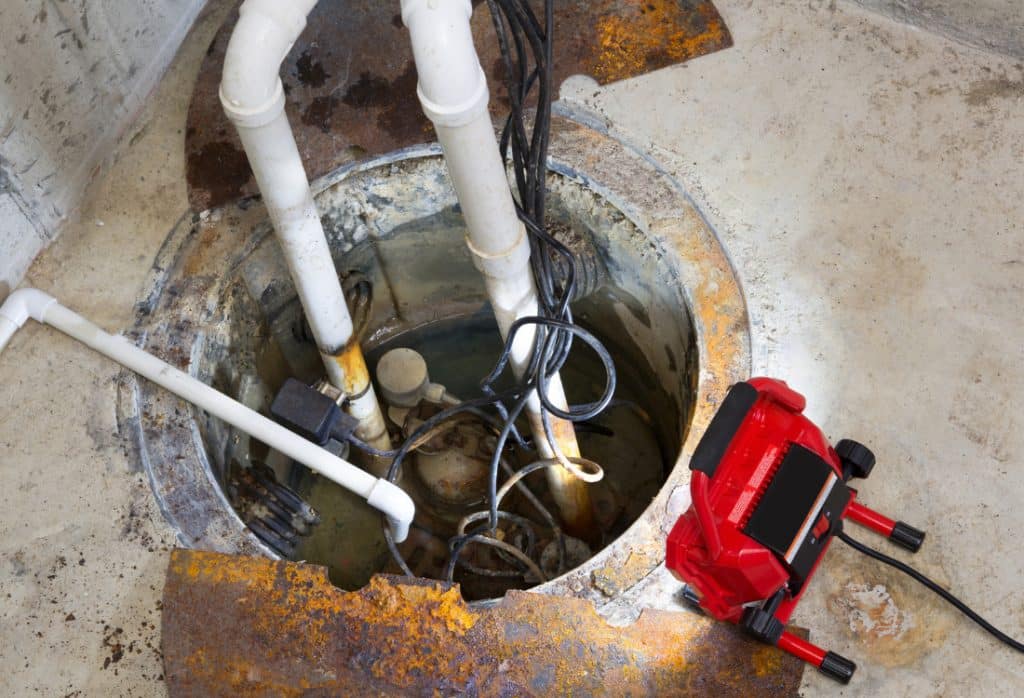
A sump pump usually doesn’t fail without warning. Most of the time, there are signs beforehand; you just have to know what to look for. If you notice any of these, it’s worth checking your system before the next storm puts it to the test.
1. Your Sump Pump Is Getting Old
Most sump pumps last around 10 years, so if yours is nearing that mark, it’s worth having it checked. Parts can wear out over time, sometimes due to corrosion, and even a pump that has worked reliably for years can fail with little warning as it ages. Getting ahead of it with an inspection is a lot easier than dealing with a failure mid-storm.
2. The Pit Stays Dry Even While the Pump Is Running
If the pump cycles on but there’s little or no water in the pit, the drainage connection likely isn’t set up correctly. This usually means water isn’t actually reaching the pump system, which defeats the purpose of installing one. It’s often traced back to a disconnected or misrouted drain line rather than the pump itself.
3. The Pump Runs Constantly or Won’t Shut Off
This often indicates a stuck float switch, which forces the motor to work harder and can shorten its lifespan. A pump that never gets to rest is working harder than it was designed to, which speeds up wear on the motor. Left alone, this usually ends in a burned-out pump rather than a simple fix.
4. There’s a Clog or a Jam
Dirt, debris, or a knotted switch can stop the pump from working even if the motor itself is fine. This is especially common in Florida, where sandy soil can work its way into the pit over time. A quick check of the intake screen and float switch can frequently resolve one of the most common sump pump problems before it becomes a bigger issue.
5. You’ve Had a Recent Power Outage
Without a battery backup sump pump system, your pump is effectively offline for as long as the power stays out. This is one of the most common reasons for failure here, since Florida’s storm season brings frequent outages just when your pump is needed most. A pump with no backup power is only as reliable as the electrical grid during a storm.
6. You Hear Strange Noises or Notice a Burning Smell
Grinding, rattling, a scorched smell, or visible rust on the motor housing means a part is failing internally. These are usually late-stage warning signs, meaning the pump could fail completely at any point. If you notice either, it’s worth getting professional attention right away rather than waiting to see if it gets worse.
Catching even one of these early can be the difference between a quick repair and a flooded basement or crawl space.
What Causes Sump Pump Failure
Florida’s climate and soil conditions can put your sump pump to work more often, especially during periods of heavy rain. Flooding is one of Florida’s most frequent hazards, and heavy rainfall is one of the factors that can contribute to flooding across the state.
Understanding what can work against your system can help you recognize potential problems before the pump fails.
1. Power Outages During Storms
This is one of the most common causes here. A sump pump runs on electricity, and Florida’s storm season brings frequent outages right when your pump is needed most. Without a backup power source, the pump simply stops, no matter how well-maintained it is.
2. Heavy, Sustained Rainfall
A pump that can normally handle regular rain may not be able to handle the volume of water from a tropical storm or hurricane. If water enters faster than the pump can remove it, the motor can overheat or burn out from constant use.
3. Sediment and Debris
Much of Northern Florida’s soil is sandy, and fine sediment can accumulate in the sump pit over time. Over time, the buildup can clog the intake screen or interfere with the float switch, keeping the pump from cycling properly.
4. A High Water Table
In low-lying areas where groundwater sits close to the surface, your sump pump may be cycling far more often than it was designed for, even without rain. That extra wear shortens the pump’s lifespan and increases the odds of a failure showing up sooner than expected, and it’s often the same underlying issue behind basement flooding problems in general.
5. Incorrect Installation or the Wrong Pump Size
A sump pump that isn’t properly installed or isn’t suited to the home’s water-management needs may not perform as expected. Problems with the installation and discharge lines can also affect the system’s ability to remove water.
6. Skipped Maintenance
A sump pump that isn’t tested or inspected regularly can develop problems that go unnoticed. A small issue may only become obvious when the system is needed during heavy rain, which is often the worst time to discover that it isn’t working.
What Happens If Your Sump Pump Fails
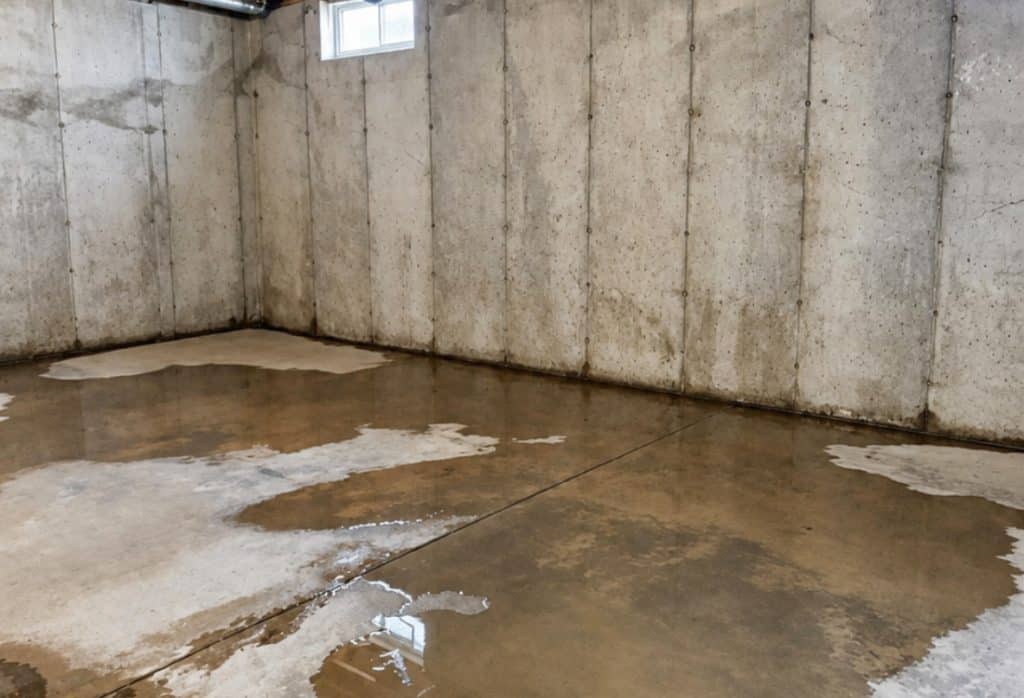
Once a sump pump stops working, water damage can start setting in within hours, especially during a heavy storm. Without anywhere else to go, even a few inches of water begin collecting at the lowest point of your home as water rises.
- Wood framing exposed to standing water starts to warp and rot the longer it sits.
- In Florida’s humidity, mold can begin developing in as little as 24 to 48 hours.
- Water begins pooling in your crawl space, foundation, or basement with nowhere else to go.
- Prolonged moisture around your foundation can lead to settling or weakened support over time.
- Mold growth affects indoor air quality, which matters if anyone in your home has allergies or respiratory sensitivities.
None of this happens instantly, but acting fast once you notice a failure makes a real difference in how much damage you end up dealing with.
Should You Repair or Replace a Failed Sump Pump?
Not every sump pump failure means starting over. Whether repair or replacement makes more sense depends on the sump pump’s condition and the cause of its failure.
A repair may be enough when the problem is limited to a clogged pump, a jammed float switch, or a tripped circuit breaker. These issues don’t necessarily mean the entire system needs to be replaced.
Replacement may be worth considering when the pump is older or has continued to experience problems. Most sump pumps last around 10 years, so an older pump showing signs of failure may need to be evaluated for replacement.
If you’re unsure whether your sump pump needs repair or replacement, a professional inspection can help identify sump pump issues and determine the appropriate next step.
How to Prevent Future Sump Pump Failure
You can’t control when the next storm hits, but you can control how well your sump pump holds up when it does. Here’s what to check to keep your sump pump running when you need it most.
| What to Do | How Often | What It Prevents |
|---|---|---|
| Test it regularly | Every few months | A storm catching you off guard with a pump that doesn’t work. |
| Clean out debris | Every 6 months | Clogs, especially common with sandy Florida soil. |
| Install a battery backup | One-time setup | The pump went offline during a power outage. |
| Schedule professional inspections | Once a year | Wear or aging parts turning into a full failure. |
| Know your pump’s age | Ongoing | An unexpected failure from a worn-out unit. |
✅ Test it regularly. Pour a few gallons of water into the pit every few months to make sure the pump activates and the water drains properly. This is the easiest way to catch a problem before a storm does.
✅ Clean out debris. Check the pit and intake screen periodically for dirt, sediment, or anything that could clog the system, especially if your property has sandy soil.
✅ Install a battery backup. Since power outages are among the most common causes of failure here, installing a battery backup or a secondary pump keeps water moving even when the electricity goes out.
✅ Schedule professional inspections. Having your system checked once a year helps catch wear, loose connections, or aging parts before they turn into a failure.
✅ Know your pump’s age. If it’s approaching 10 years old, start planning for a replacement rather than waiting for it to fail first.
Keeping ahead of these small tasks through regular maintenance is much less costly than dealing with the aftermath of a failure.
What to Do Right Now If Your Sump Pump Has Failed
If you’re noticing any of the warning signs above, don’t wait for the problem to get worse. You can test the pump by adding water to the sump pit and checking whether it activates and drains the water properly. If it doesn’t, or if you’re already dealing with standing water, a professional can assess the system and determine what needs to be done.
Our experts can inspect your sump pump, identify the likely cause of the failure, and determine whether repair or replacement is appropriate.
Whether you’re in Jacksonville, Ocala, Gainesville, or anywhere else across Northern Florida, schedule a free assessment to find out what your sump pump needs.
Frequently Asked Questions
How long does a sump pump last before it fails?
Most sump pumps last around 10 years with normal use, though heavy rainfall, sediment, a clogged discharge pipe, and frequent cycling in Florida can wear a pump down faster than that.
Can a sump pump fail without any warning signs?
It’s rare. Most failures are preceded by something noticeable, like strange noises from the pump housing, a pump that runs constantly, or a dry pit despite the pump cycling. Regular testing helps you catch these signs before they turn into a full failure.
Does homeowners’ insurance cover damage from sump pump failure?
It depends on your policy. Standard homeowners insurance often excludes sump pump failure unless you’ve added specific coverage for it, so it’s worth checking with your provider to understand what you’re covered for.
How much does sump pump repair or replacement cost?
Costs vary depending on whether the issue is a simple fix, like a clogged intake, or a full replacement, especially if the existing pump was an undersized pump for the home. A professional inspection is the most accurate way to know what you’re looking at for your specific system.
Will a battery backup really prevent a sump pump from failing during a power outage?
It significantly reduces the risk. Since power outages are one of the most common causes of failure in Florida, many homeowners opt for a battery backup or secondary pump to keep water moving out of the pit even when the electricity is down.
How often should I test my sump pump?
Testing it every few months, especially before storm season, is enough to catch most problems early and prevent flooding. Pour water into the pump basin, clean debris from around the intake, and confirm the pump activates and drains properly.