A battery backup sump pump for a crawl space keeps water moving out when the power goes down, which is exactly when Florida storms put the most water under your home. Without one, your primary sump pump stops the moment the electricity does.
If your power drops during intense storms and your crawl space floods in heavy rainfall, you likely need one. A backup buys you time while the outage lasts.
This guide covers how sump pump battery backup systems work, what to look for, and how to tell whether your crawl space needs one.
Key Takeaways
- A battery backup system keeps your sump pump running when the power goes out, and Florida storms are when outages and heavy rain arrive together.
- It works alongside your primary sump pump and takes over if the primary pump fails or can’t keep up.
- The main options are a DC battery system, water-powered backup systems, a second AC pump, or a generator.
- Runtime, battery life, and alarms matter when you compare systems, and a professional can inspect your pump, sump pit, and wiring to determine what your crawl space needs.
Does Your Crawl Space Need a Battery Backup Sump Pump?
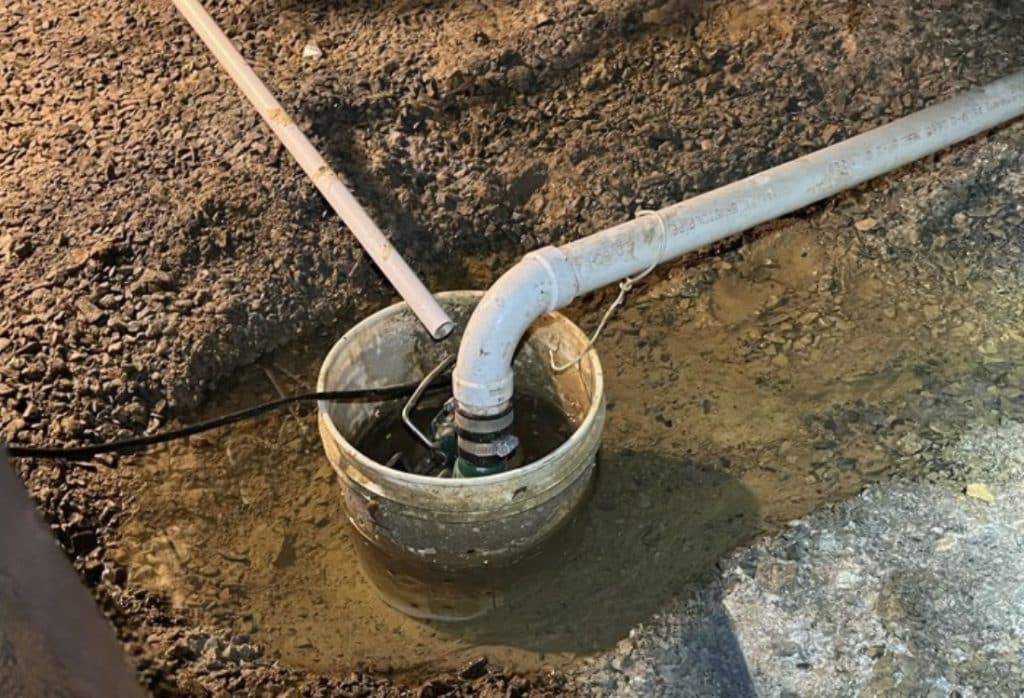
Not every crawl space needs one, but many Florida homes do. Answer these five questions honestly:
Does your sump pump run only on household power?
Do you lose power during storms or hurricane season?
Does water collect in your crawl space after heavy rain?
Is your pump getting close to the 10-year mark? (Most sump pumps last around 10 years.)
Would you be away from home, or unable to check the crawl space, during a storm?
If you answered yes to two or more, a backup is worth pricing out. If both the first two are yes, that is the strongest reason, because your primary pump loses power exactly when the conditions fill the pit.
If you’re not sure where your system stands, a free assessment will tell you what you have and whether a backup is the right fit for your home.
How a Battery Backup Sump Pump Works in a Crawl Space
A battery backup is a second pump that waits next to your main one. The main pump runs on household power. The backup has its own float switch and runs off a battery, so it keeps working when the electricity doesn’t.
Here’s what happens during a storm:
- The power goes out and the main pump stops.
- Water keeps rising in the sump pit until the backup pump’s float switch activates.
- The backup pump turns on and pushes water out through its discharge pipe.
- When the power comes back, the main pump takes over again, and the charger tops off the battery.
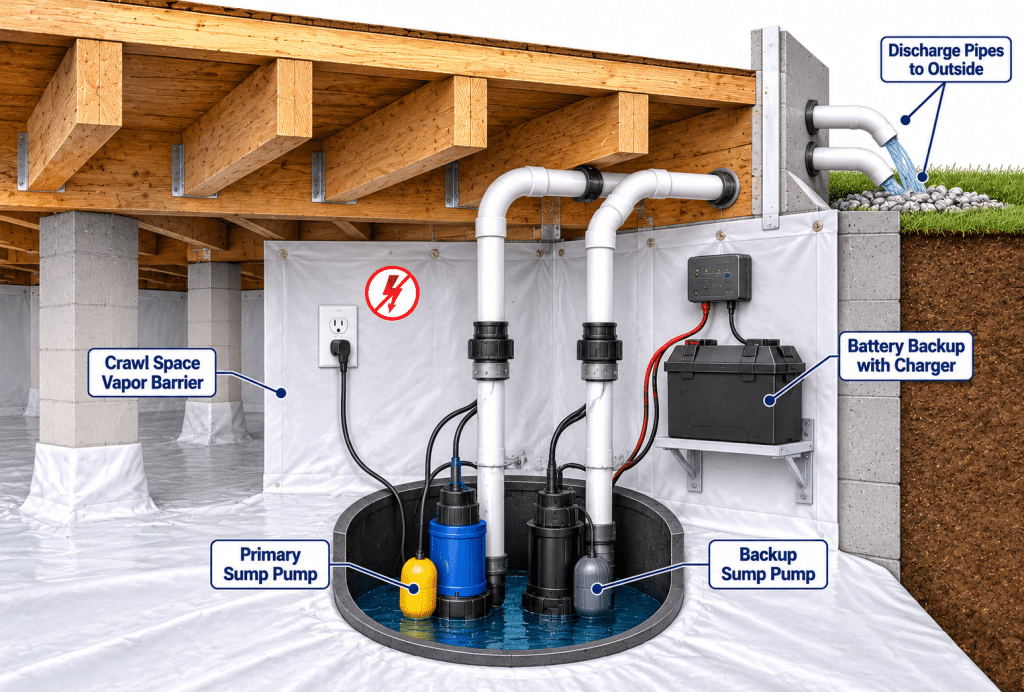
The backup also helps when the power stays on. If heavy rain brings water in faster than the main pump can move it, the backup’s float rises with the water and the second pump joins in.
A battery doesn’t last forever. How long your backup runs depends on the battery size and how often the pump has to cycle, so ask for the runtime of the exact system you’re considering.
Which Type of Sump Pump Backup Is Right for You?
There are four common backup sump pump systems for keeping water moving when the power fails.
| Type | How it works | Good for | Watch out for |
|---|---|---|---|
| DC battery backup | A separate pump runs off a battery with its own float switch. | A reliable option for outages of any kind, with no dependence on city water. | Runtime is limited by battery size, and the battery needs upkeep and eventual replacement. |
| Water-powered backup | City water pressure drives the pump, so there’s no battery. | Homes on municipal water that want something with no battery to maintain. | Doesn’t work on well water, uses city water while running, and local rules vary. |
| Second AC pump | A second pump on household power joins in when the first can’t keep up. | Heavy rain that brings in more water than one pump can handle. | Does nothing in a power outage, because it needs electricity too. |
| Generator | Powers the main pump (and the rest of the house) during an outage. | Long outages, such as after a hurricane. | A portable unit needs someone home to start it and must run outdoors because of carbon monoxide. A permanent standby generator starts on its own. |
The setup we recommend most often is an independent main pump on household power with an independent DC battery backup system beside it, and the battery kept on a charger. It covers outages and extra rain, and it doesn’t depend on city water pressure.
What to Look For in a Battery Backup Sump Pump System
A backup only helps if it works on the night you need it. These are the things to check before you choose one.
- Runtime. Ask how long the system runs on a full battery, and compare that to how long outages last in your area. A backup that lasts a few hours helps less after a hurricane that knocks out power for days.
- Independence from the main pump. The backup should have its own float switch, its own discharge pipe, and its own check valve. If both pumps share one failure point, you don’t have much of a backup.
- Battery care. Batteries wear out, so battery powered backup pumps should include a charger and a simple way to test it. Ask how often the battery needs to be replaced.
- An alarm. Options range from a loud alarm to alerts sent to your phone or email. In a crawl space you rarely open, an alert is often the only way you’ll know something has gone wrong.
- The right pump for the pit. An undersized backup lacks the pumping capacity to keep up in a heavy storm. A professional can match it to your pit.
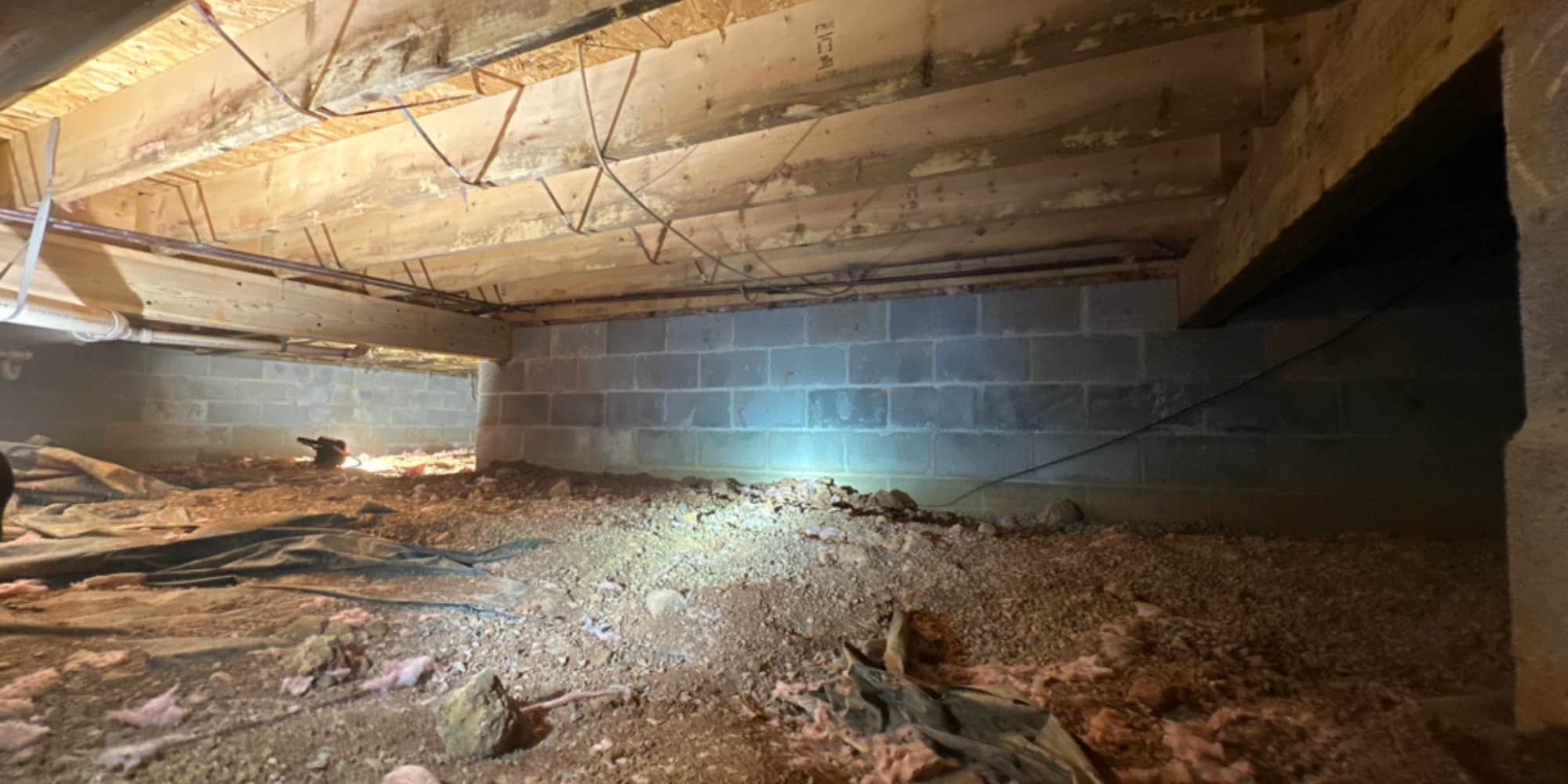
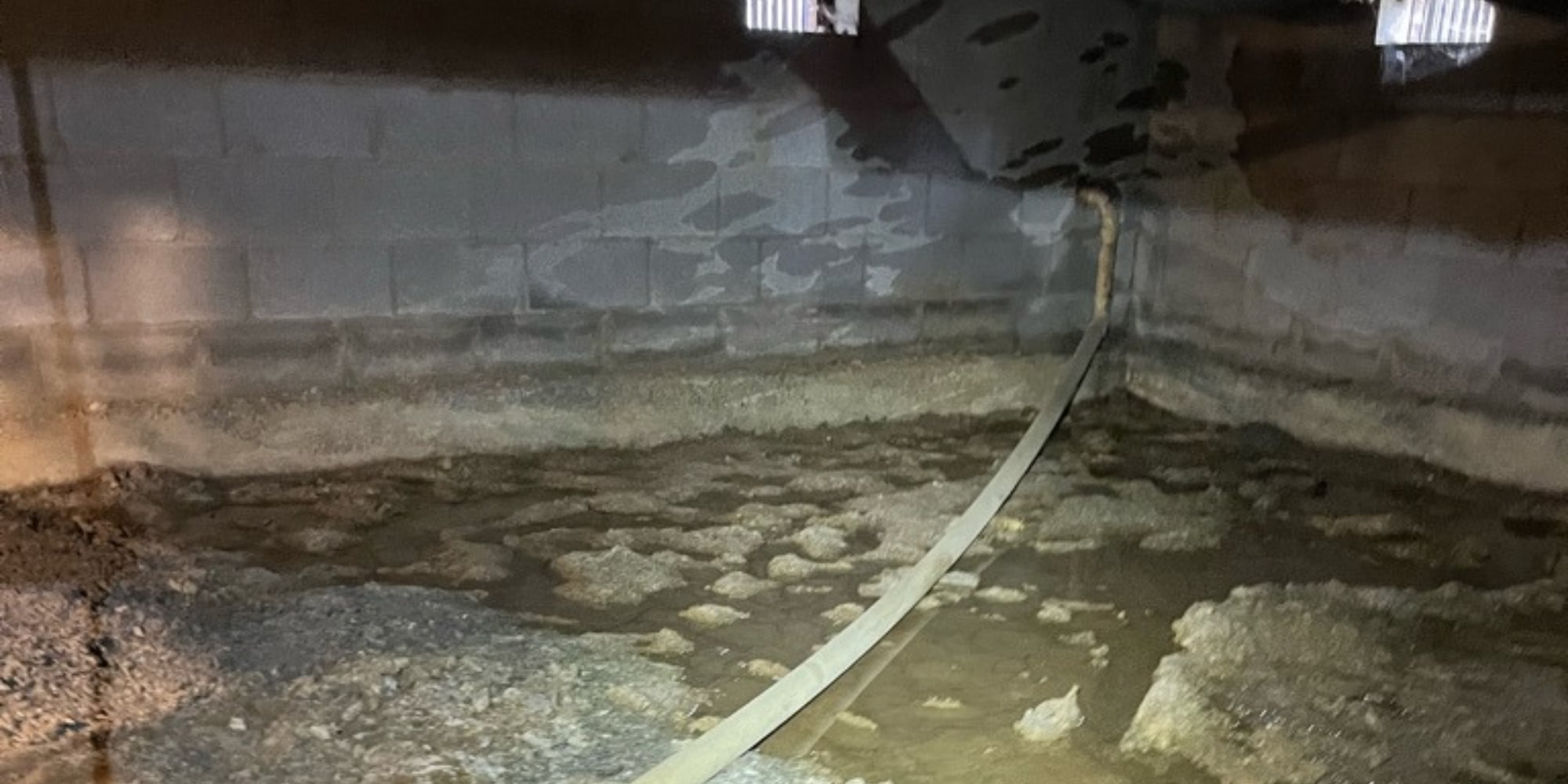
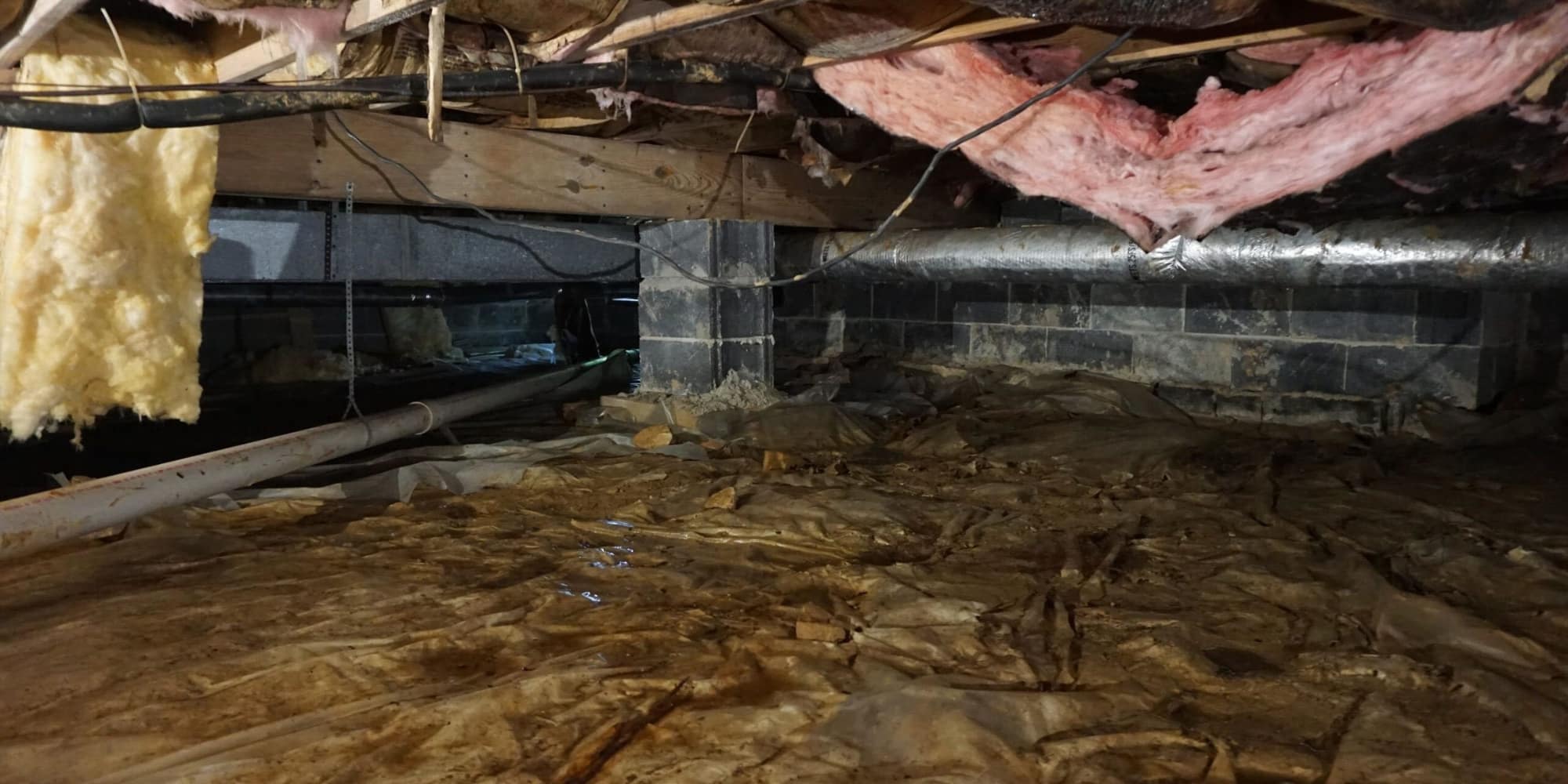
Crawl spaces add another concern: most homeowners rarely check the pump, so alerts and easy testing matter. A backup also only covers power loss, so a pit that keeps filling usually points to one of the common causes of water in a crawl space that needs fixing.
Can You Add a Battery Backup to an Existing Sump Pump?
In many cases, yes. A backup can be installed as a separate pump beside your current crawl space sump pump, so you don’t have to start over.
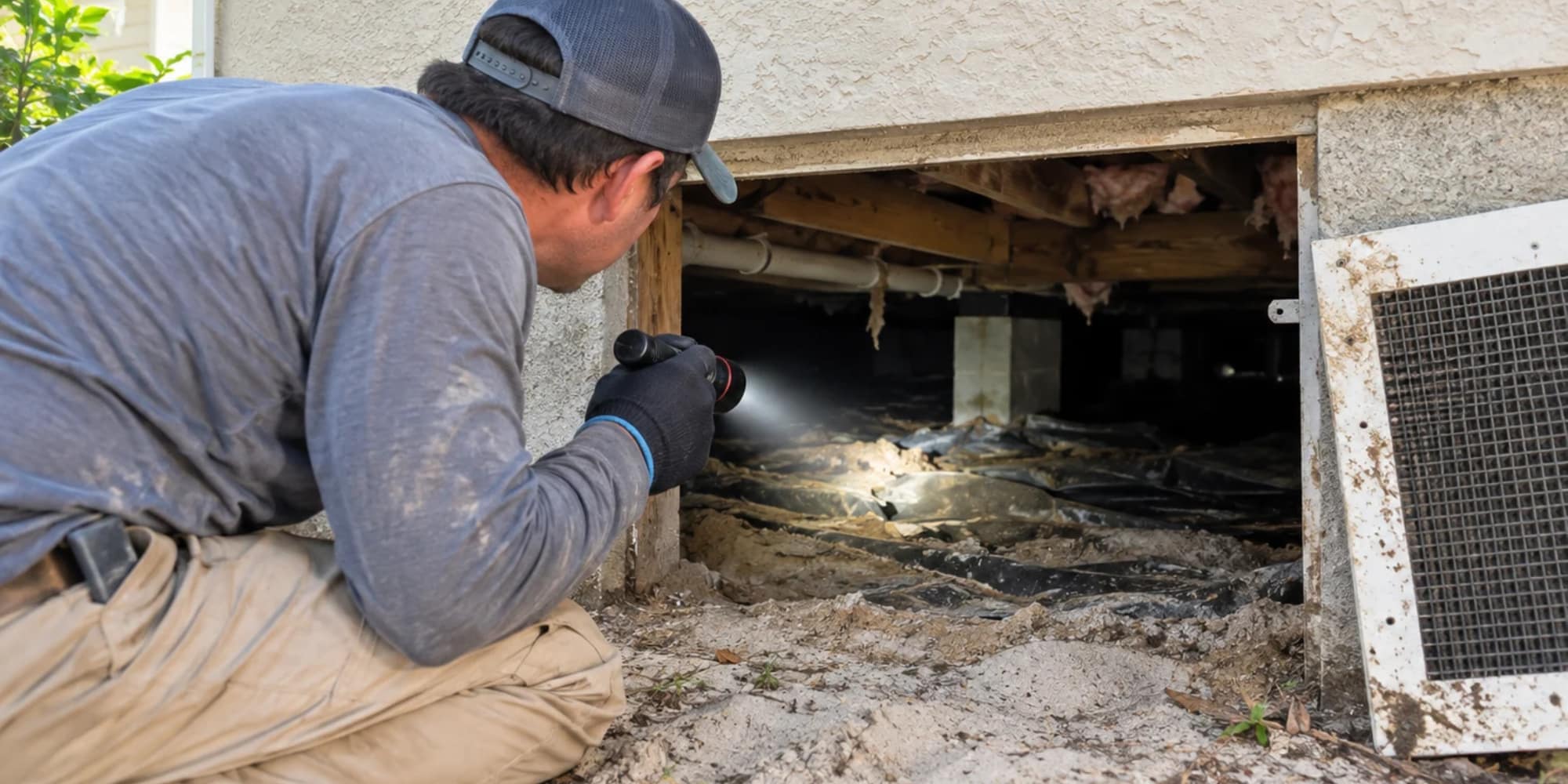
Before it goes in, someone needs to check the pit size, the wiring, and the discharge line. A pit that’s too small or a shared discharge line can limit what’s possible. If your main pump is close to the 10-year mark, replacing it at the same time may make more sense than backing up a pump that’s about to fail. A professional can look at the setup and tell you which route fits.
How to Keep a Battery Backup Working
A sump pump with battery backup only protects your crawl space if it has been tested. A few habits of proper maintenance keep it ready and give it a longer life:
- Test the system every few months and before storm season. Ask your installer how to test the backup safely.
- Check the charger and battery indicator, and replace the battery when it’s due.
- Clear debris from the pit and intake screen, which matters with Florida’s sandy soil.
- Schedule a yearly professional inspection.
Knowing the warning signs of sump pump failure helps you catch a problem before the next storm.
Protect Your Crawl Space Before the Next Storm
A battery backup sump pump for a crawl space helps protect you from water damage, mold, and repair bills when a storm knocks out power. The best time to add one is before the next storm, not during it.
If you’re not sure what your crawl space needs, LUX Foundation Solutions offers a free assessment for homeowners across Jacksonville, Gainesville, Ocala, Palm Coast, and St. Augustine. We’ll look at your pump, pit, and discharge line, and tell you whether a backup is the right fit for your home.
Call us at 352-605-6592 to schedule your free assessment.
Frequently Asked Questions
How long does a battery backup sump pump run?
It depends on the battery size and how often the pump has to cycle. Steady heavy rain drains a battery faster than a short outage does. Ask for the runtime of the specific system you’re considering.
Will a battery backup keep my crawl space dry during a hurricane?
A battery backup for the sump pump keeps the pump running only as long as the battery lasts, and a long outage can outlast it. Pairing the backup with a generator, or choosing a system built for longer outages, gives you more time. A free assessment can show what your crawl space needs.
Do I still need a battery backup if I have a generator?
A portable generator only helps if someone is home to start it and it’s set up safely outdoors. A battery backup for the sump pump turns on by itself the moment the main pump stops. A permanent standby generator starts automatically, so ask whether it covers your sump pump.
How often does the battery need to be replaced?
It depends on the battery’s model and capacity and how hard the system works, so there is no single number. Follow the manufacturer’s schedule for your system and test it regularly.
Does a battery backup sump pump need an alarm?
A battery backup sump pump can operate without an alarm, but adding one helps you monitor its activity. An alarm can notify you if the backup pump turns on, the battery runs low, or water levels start to rise. This is especially useful when you rarely inspect the crawl space.
How much does a battery backup sump pump for a crawl space cost?
The price depends on the type of backup, the battery size, whether your main pump needs replacing, and the pit and discharge setup. A free assessment is the quickest way to get an accurate number for your home.