Mold in a crawl space is one of the most common calls we get in Florida, and most of it is preventable. If you want to know how to prevent mold in your crawl space, the real work isn’t cleaning what you see, it’s controlling the moisture that lets it grow back.
This guide walks through why Florida crawl spaces are prone to mold, the crawl space mold prevention steps that keep them dry year-round, and how to tell the difference between mold and wood rot if you are not sure which one you are looking at.
Why Florida Crawl Spaces Are Prone to Mold
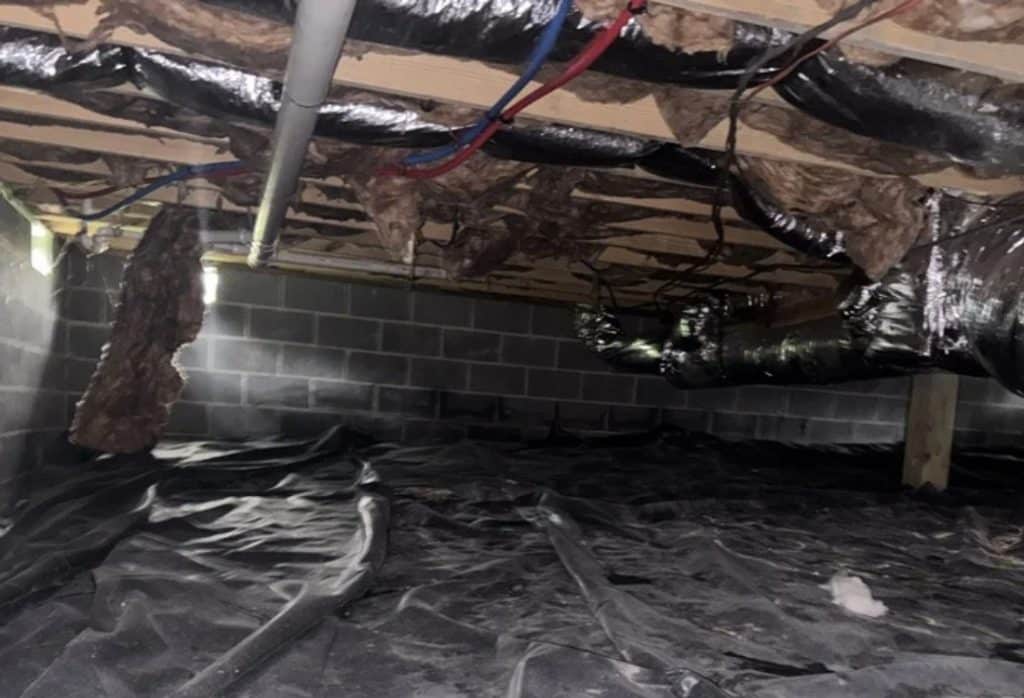
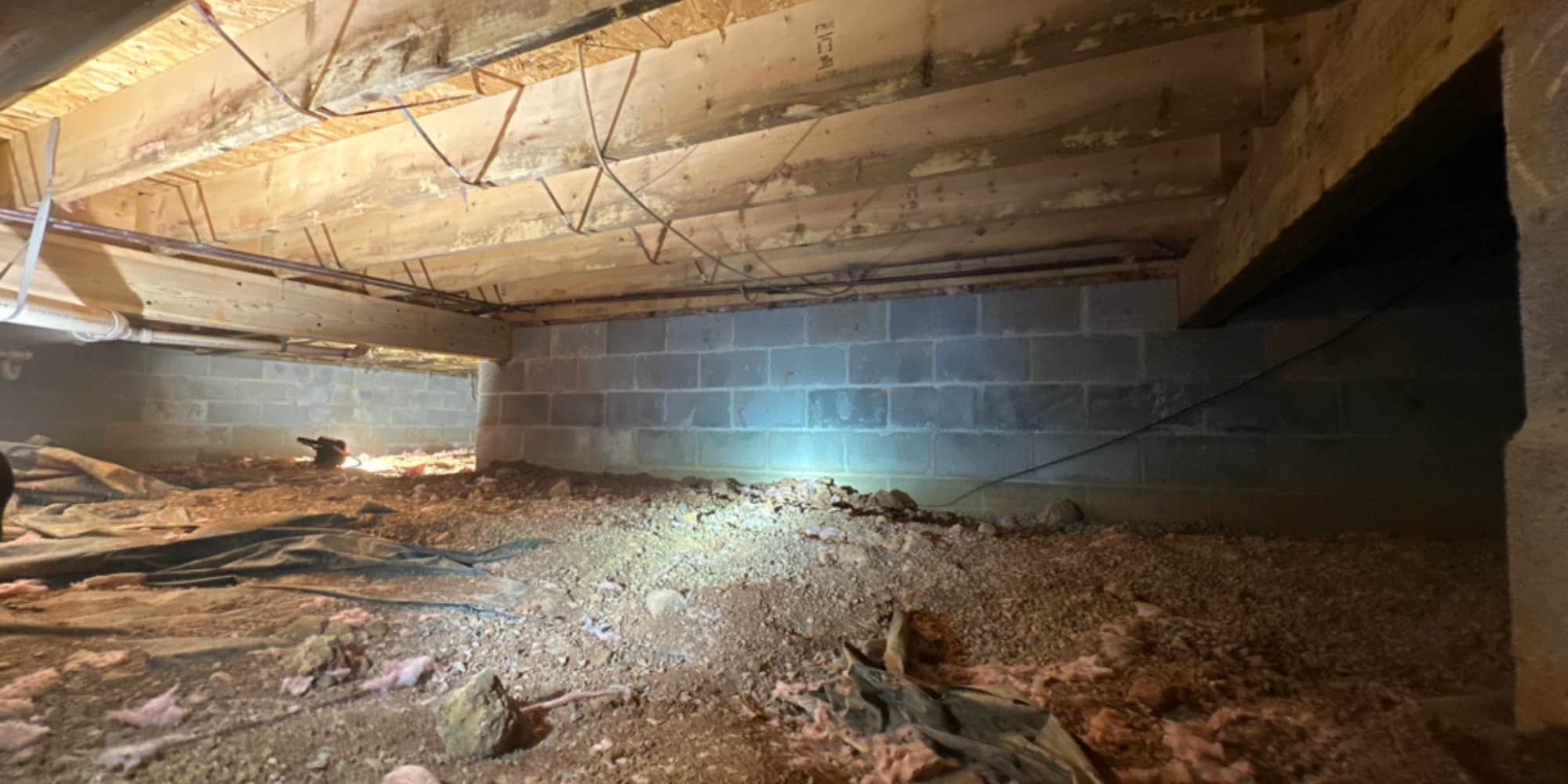
Florida crawl spaces deal with conditions that most of the country doesn’t. Warm, humid air sits beneath the home nearly year-round, and heavy rain, combined with a high water table, keeps the ground damp long after a storm passes.
Add in an older vented crawl space, which many Florida homes still have, and you get a steady supply of moist outside air settling under the floor joists. That mix of warmth, moisture, and the wood framing itself creates an ideal breeding ground for mold.
For the full breakdown of what causes crawl space mold and the warning signs to watch for, see our guide to crawl space mold causes and signs.
Common Types of Crawl Space Mold
Not all mold under your home looks the same, and homeowners often ask what exactly they’re looking at. Most of the fungus in a crawl space falls into a handful of common types:
- Aspergillus, one of the most common molds found indoors and in crawl spaces
- Cladosporium, which often shows up as dark green or black patches on wood and insulation
- Penicillium is usually blue or green and spreads quickly once moisture is present.
- Alternaria, dark and velvety in texture, is common in damp, enclosed spaces.
- Stachybotrys, sometimes called “black mold,” is less common than the others, but it is the one people worry about most.
The color alone won’t tell you which type you have, and in most cases, it doesn’t change what you need to do about it. What matters more for prevention is this: every one of these types needs the same thing to grow: moisture, the right temperature, and an organic food source like wood framing. Eliminate the moisture, and you eliminate the problem, regardless of which type of crawl space mold you’re dealing with.
Is It Wood Rot or Mold in Your Crawl Space?
A lot of homeowners find something under the house and aren’t sure if they’re looking at mold or wood rot. They often show up together, since both come from the same root cause, trapped moisture, but they’re not the same problem.
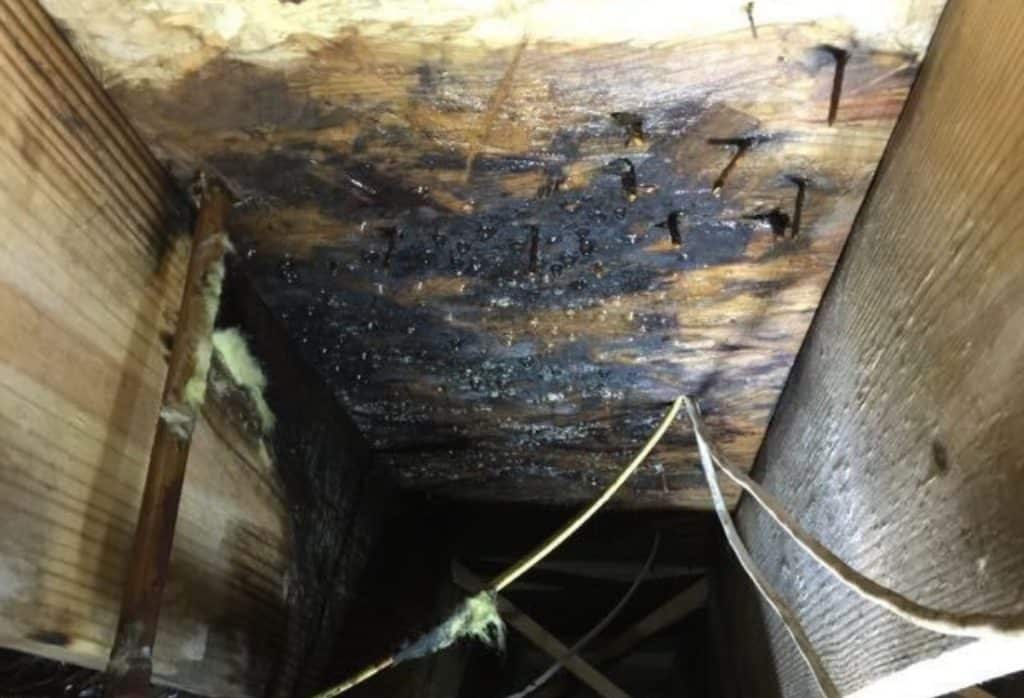
Mold is a surface issue. It looks fuzzy, powdery, or stained, usually black, green, or white, and it sits on top of the wood or insulation rather than inside it. You can often wipe a small patch, and it will return if the moisture remains, but the wood underneath is still structurally sound.
Wood rot is different. It breaks down the wood itself. Dry rot leaves wood cracked into small, cube-shaped pieces and crumbly to the touch. Wet rot leaves it soft, spongy, and darker than healthy wood, sometimes compressing under light pressure. If a floor joist feels soft when you press on it, that’s rot, not mold.
If you’re not sure which one you’re dealing with, our crawl space wood rot guide walks through what to look for and when it signals a structural problem rather than a surface one.
How to Prevent Mold in Crawl Space
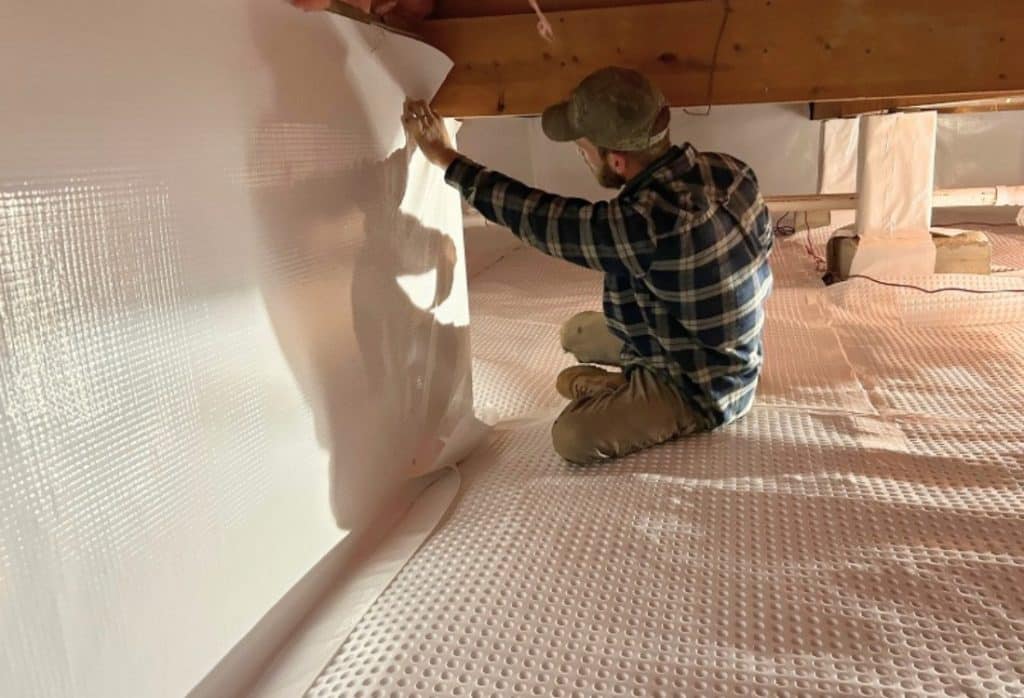
The good news: once moisture is under control, preventing mold growth in a crawl space does not take much ongoing work. These are the preventative measures we recommend to homeowners across North Florida.
1. Find and fix the actual source of moisture first.
Every mold problem starts with a moisture source, a plumbing leak, a cracked foundation wall, water intrusion after heavy rain, or groundwater seeping up through bare soil. Find that source before anything else, because a vapor barrier or dehumidifier will not fix a leak or a crack on its own. Everything else on this list only works once the source is handled.
2. Install or repair vapor barrier.
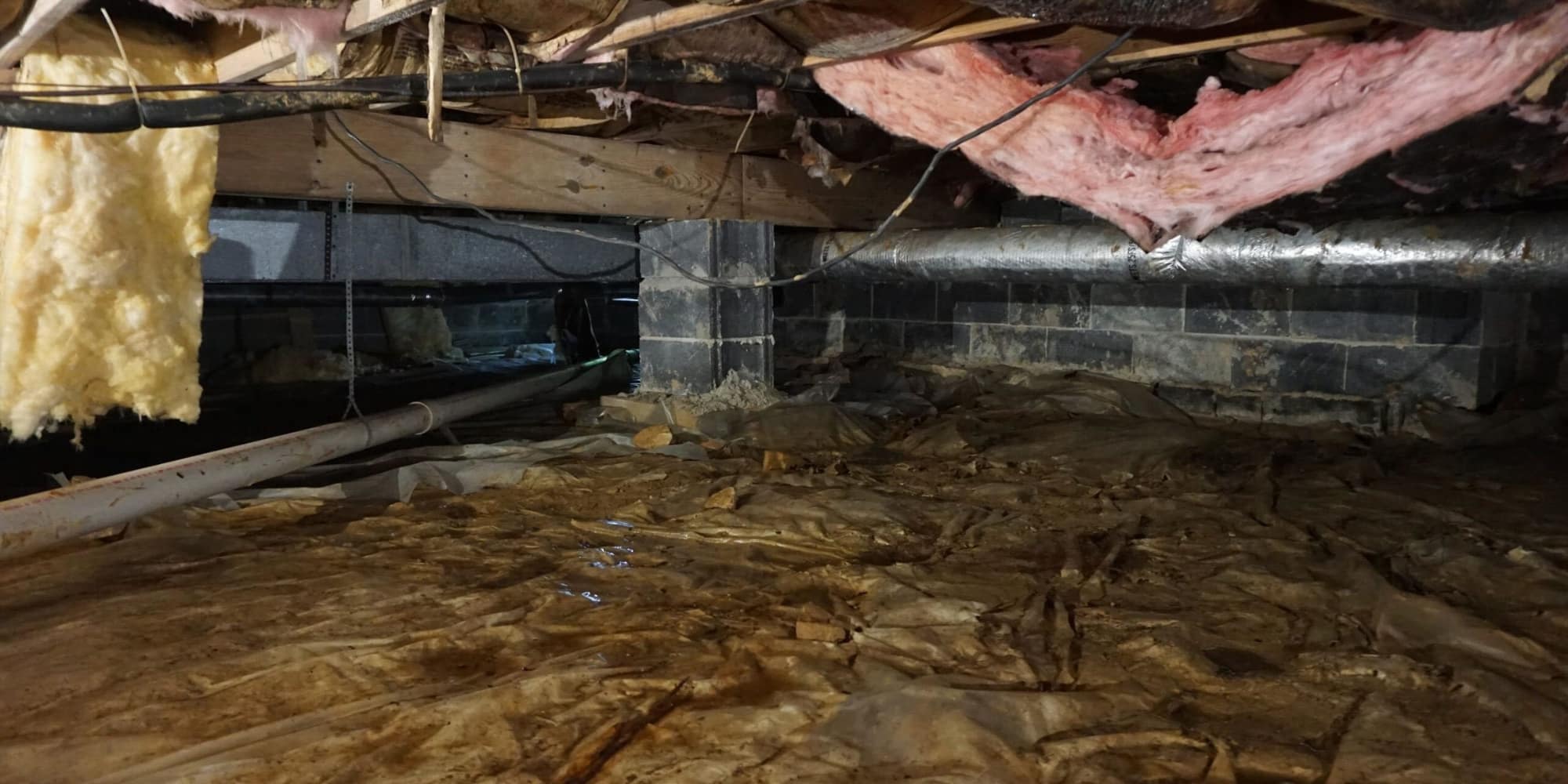
A vapor barrier keeps ground moisture from evaporating up into the crawl space. If yours is torn, gapped, or missing, that is usually the first thing letting mold back in. Crawl space encapsulation takes this a step further by fully sealing the space.
3. Seal the vents instead of leaving them open.
Open vents sound like they help air things out, but in Florida, they usually do the opposite. They let in humid outside air, causing condensation the moment it hits the cooler space under your home.. Closing and sealing vents only works once the rest of the space is dry and controlled, not before.
4. Add a dehumidifier built for crawl spaces.
Florida humidity does not let up for long, and standard household dehumidification will not keep up down there. A crawl space dehumidifier sized for the space helps control humidity levels, keeping them below where mold can grow.
5. Fix drainage problems around the foundation.
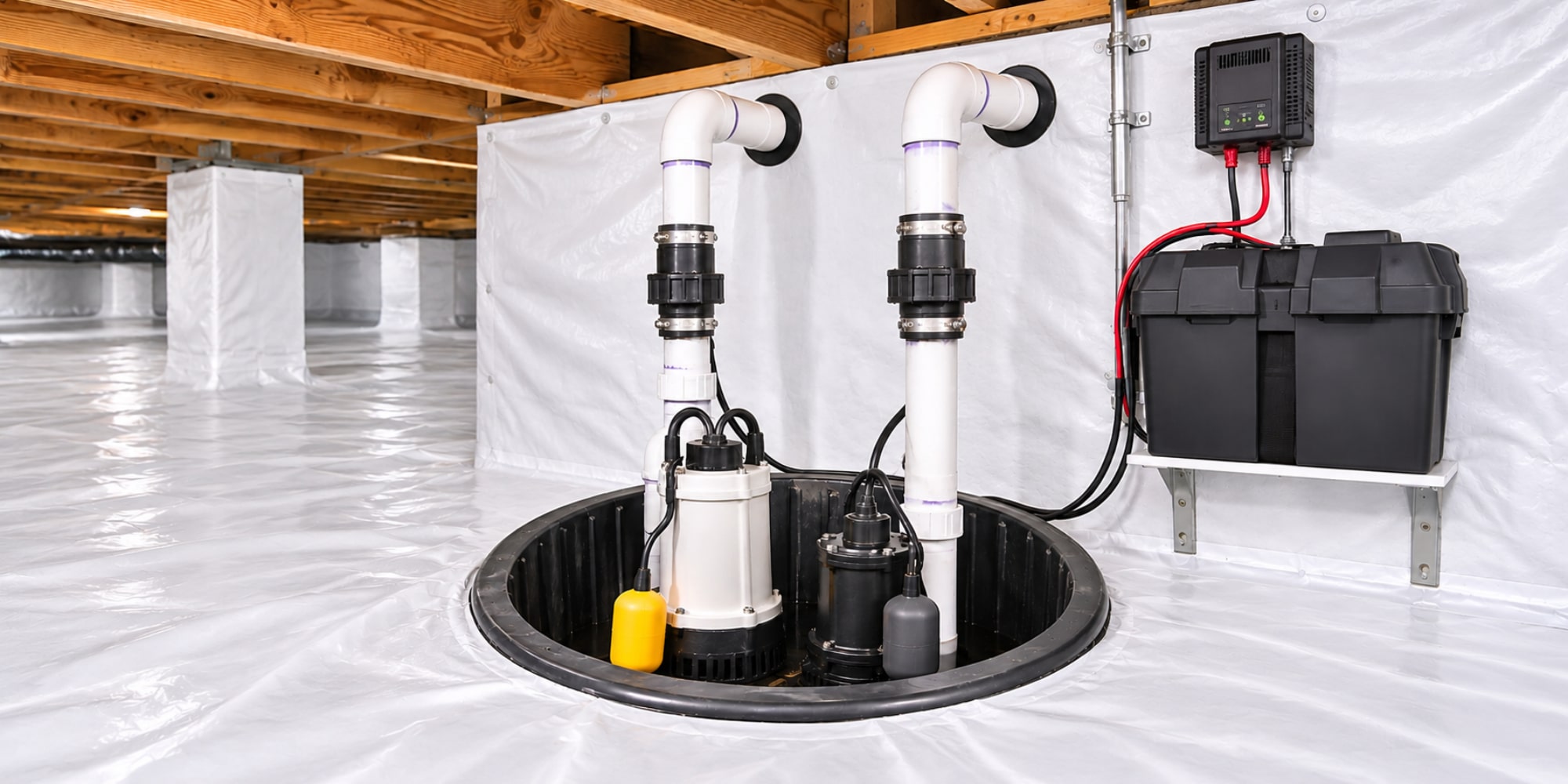
Clogged gutters, poor grading, or water pooling near the house will find its way into the crawl space. Proper crawl space drainage systems, such as a french drain paired with a sump pump, routes that water away before it becomes a moisture problem underneath your home.
6. Check insulation for dampness.
Wet fiberglass insulation, a porous material, traps moisture against the wood framing, making it a mold magnet. If it feels damp or looks sagging, it needs to be replaced, not dried out and reused.
7. Walk the crawl space a few times a year.
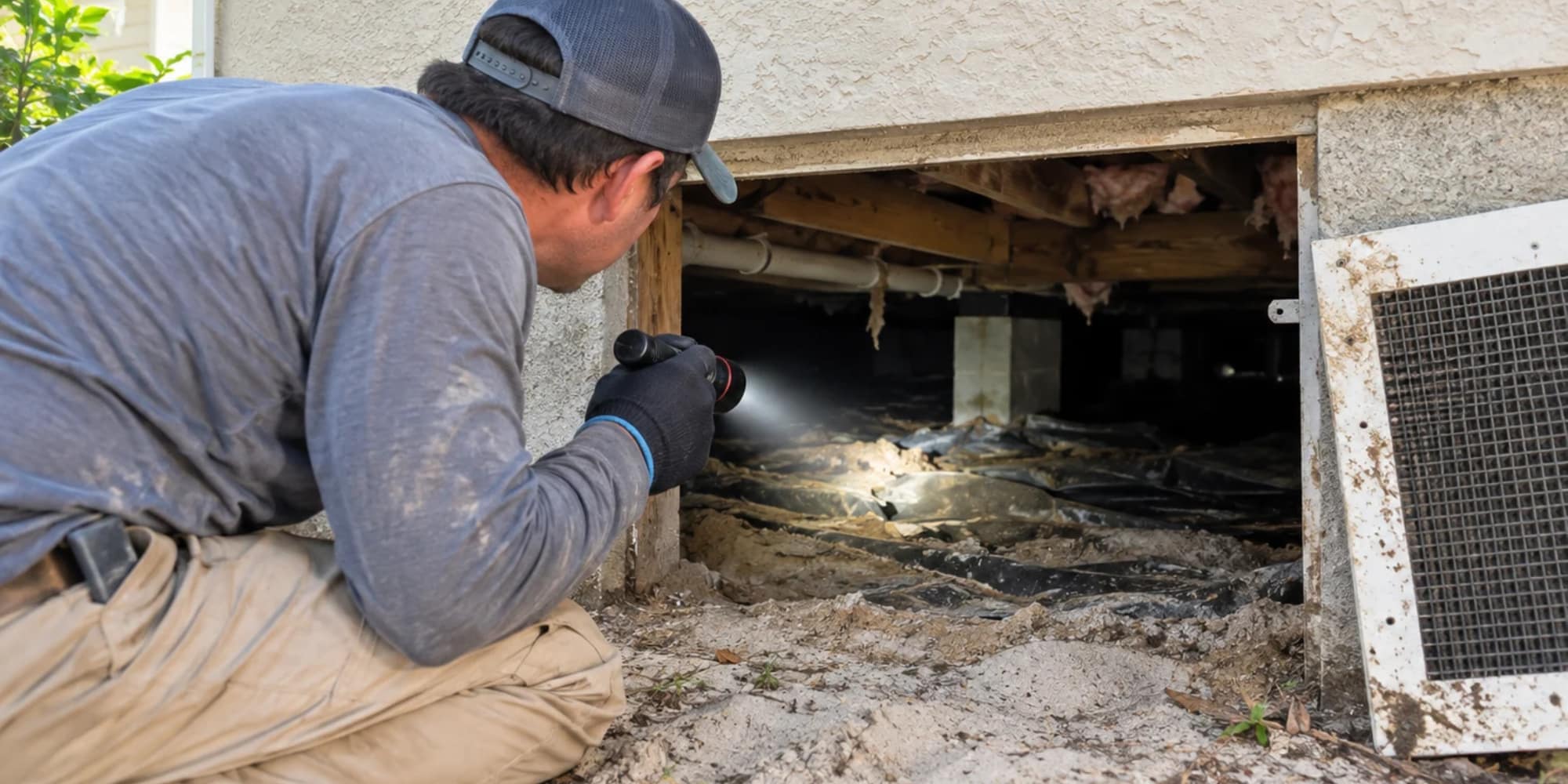
A quick visual check after a heavy rain stretch or before summer humidity peaks can catch a moisture problem before mold has time to take hold.
Already Seeing Mold? Here’s What to Do Next
If you’ve already found mold, the real question is how serious it is. A small, isolated patch on one joist, especially if it’s dry and you’ve already found and fixed the moisture source, is something you can keep an eye on. Clean the visible growth with an EPA-registered mold product to remove mold from the affected area, then check back in a few weeks to make sure it hasn’t returned.
A widespread mold infestation across multiple joists, the insulation, or the subfloor is a different situation. Cleaning the surface without fixing the whole system usually means it’s back within a season, and the same urgency applies if anyone in the house has started noticing allergy symptoms, headaches, or respiratory issues, all common health concerns tied to time spent at home.
For mold that’s spread beyond a small, isolated spot, LUX’s crawl space mold removal service handles full removal, the moisture correction behind it, and the follow-up work that keeps it from coming back, something a surface clean on its own can’t do.
Keep Your Crawl Space Dry, and Keep the Mold Out
Most crawl space mold problems in Florida stem from the same root cause: moisture that was never fully addressed. Fix that, and the vapor barrier, dehumidifier, and sealed vents around it do their job the way they’re supposed to.
If you’re not sure where your crawl space stands right now, LUX Foundation Solutions offers a free assessment for homeowners across Jacksonville, Gainesville, Ocala, Palm Coast, and St. Augustine. We’ll walk the space with you, point out what’s working and what isn’t, and tell you plainly whether it’s a quick fix or something bigger.
Call 352-605-6592 to schedule, or reach out through our contact page.
Frequently Asked Questions
How often should I check my crawl space for mold?
Twice a year is a good baseline for most Florida homes, once before the rainy season and once after. If your crawl space has had moisture problems before, check it more often.
Can a vapor barrier alone prevent crawl space mold?
It helps a lot, but it’s not the whole fix. A vapor barrier blocks ground moisture, but it won’t stop a plumbing leak, an open vent, or poor drainage from bringing moisture in another way.
Does closing the crawl space vents actually help prevent mold?
In Florida, yes, in most cases. Open vents let in humid outside air that condenses once it’s under your home. Vents should only stay closed if the space is otherwise sealed and dry, not left open by default.
Will cleaned mold come back if I don’t fix the moisture problem?
Yes, almost always. Cleaning removes what you can see, but mold needs moisture to grow, and if that source is still there, it has everything it needs to return.
Can I prevent crawl space mold without full encapsulation?
To some degree. Fixing drainage, sealing vents, and adding a dehumidifier all help on their own. Encapsulation combines all of it into one system, which is why it holds up better over time, but it’s not the only option.
Does damp insulation always mean I have a mold problem?
Not always, but it means conditions are right for one to start. Damp insulation should be checked and usually replaced, even if mold hasn’t shown up on it yet.
Is mold under the house the same as crawl space mold?
Usually, yes. “Mold under the house” is just how many homeowners describe their crawl space, and the cause and the fix are the same either way.