
Written By Bridget Stieb, Director of Marketing at LUX Foundation Solutions • Reviewed by LUX’s foundation repair specialists serving Northern Virginia & Florida
A musty smell coming from your crawl space is not just an unpleasant odor. It is a signal that moisture has already found a way in and conditions beneath your floor are actively working against your home.In Florida, where humid air lingers year-round, crawl space odors tend to develop faster and spread further than in drier climates.
Fortunately, there are proven ways to get rid of the musty smell in crawl space and prevent it from returning. This guide walks you through 10 practical steps to remove the source of the smell, improve your indoor air quality, and protect your home from long-term moisture damage.
Key Takeaways
- A musty crawl space smell is always a sign of moisture. The odor itself is a symptom, not the problem.
- The first step is to identify where the moisture is coming from and fix the underlying problem. Cleaning or deodorizing without addressing moisture will not produce lasting results.
- Common causes include standing water, poor ventilation, unsealed vents, plumbing leaks, and deteriorating insulation or wood, all of which are especially prevalent in Florida’s humid climate.
- A crawl space dehumidifier controls humidity after moisture sources are fixed and is one of the most effective tools for keeping odors from returning.
- Crawl space encapsulation is the most permanent solution. It seals the space from ground moisture, outside air, and the conditions that allow mold and musty odors to develop.
- Some situations require professional assessment. Persistent odors, visible mold, standing water, or structural damage are signs that DIY steps alone will not be enough.
Why Does Your Crawl Space Smell Musty?
A musty crawl space smell is not a minor inconvenience. It usually means mold, mildew, or decaying materials are present beneath your floor, and caused by ongoing moisture in the crawl space.
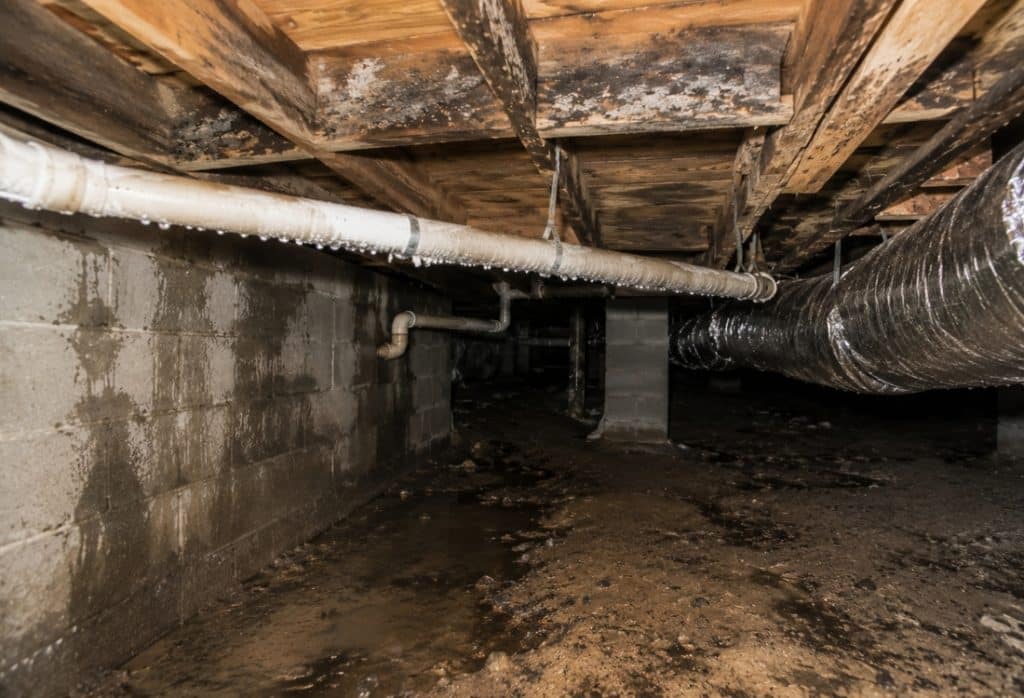
The concern goes beyond the smell itself. Through the stack effect, air rises in a home, drawing replacement air up from the crawl space below. When a crawl space is unsealed or not properly maintained, the air rising from it can carry mold spores and other airborne contaminants throughout the entire house.
Florida’s high humidity keeps crawl spaces damp throughout the year, and the state’s warm climate creates ideal conditions for mold to grow quickly. If you are noticing signs of a musty crawl space beneath your home, identifying the cause early helps prevent the problem from spreading further.
10 Steps to Get Rid of Musty Smell in Crawl Space
If you want to get rid of the musty smell in your crawl space for good, simply masking the odor is not enough. The key is eliminating the moisture that is allowing mold, mildew, and bacteria to thrive. Follow these proven steps to address the source of the problem so your crawl space stays dry, clean, and odor-free.
Step 1: Inspect the Crawl Space for Hidden Moisture
Before you can eliminate the musty smell, you need to identify where moisture is entering or accumulating. Even if your crawl space seems dry, moisture from hidden leaks can still create conditions where mold and mildew begin to grow.
During your inspection, look for:
- Standing water or damp soil on the crawl space floor
- Water stains or discoloration on joists and subflooring
- Sagging, discolored, or deteriorating insulation
- Visible mold and mildew growth on wood framing
- Condensation on pipes, ductwork, support beams, or other cool surfaces
- Plumbing leaks or signs of previous water intrusion
How to check:
- Use a flashlight to inspect dark corners and low-airflow areas.
- Move any stored items away from walls to check behind them.
- Check the humidity in the crawl space with a moisture meter to see if excess moisture is present.
- Check after a heavy rain event when moisture intrusion is most visible.
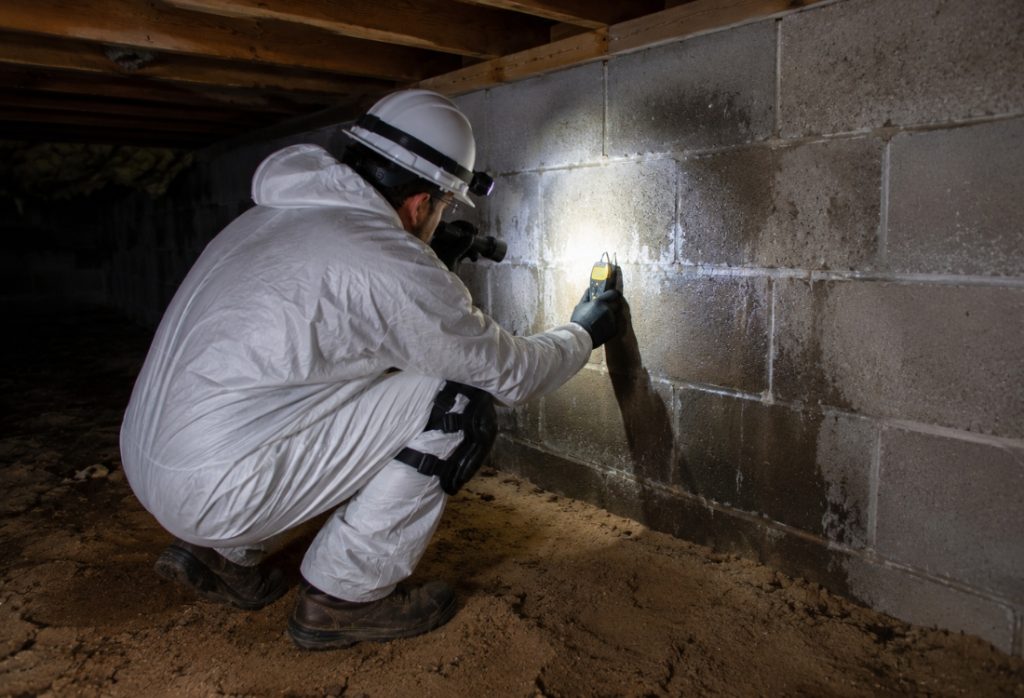
If you discover widespread mold, standing water, or structural damage, it’s best to have your crawl space professionally inspected before the problem worsens.
Step 2: Stop Water Intrusion at the Source
Once you’ve identified where moisture is coming from, focus on stopping it at the source. Simply removing the odor won’t solve the issue if water continues to enter your crawl space. Start by identifying and addressing these common sources of water intrusion:
Common sources of moisture include:
- Plumbing leaks beneath your home
- Standing water after heavy rain
- Clogged gutters and overflowing downspouts
- Downspouts that discharge too close to the foundation
- Poor grading that allows water to drain toward your home
To reduce moisture intrusion:
- Repair leaking plumbing as soon as possible.
- Clean gutters regularly to prevent overflow.
- Extend downspouts discharge at least 4 to 6 feet away from your foundation.
- Regrade the soil so water flows away from your home.
- Install a crawl space drainage system if water continues to collect after heavy rain.
Step 3: Clean Mold and Mildew from the Crawl Space
Once active moisture sources are addressed, clean any mold, mildew, and contaminated materials to help eliminate lingering odors. Removing visible mold without addressing the moisture problem is only a temporary solution; always stop water intrusion first.
What to treat:
- Visible mold or mildew on wood joists and floor framing.
- Discolored or stained concrete piers and foundation walls.
- Structural surfaces showing black, green, or white mold growth.
How to clean effectively:
- For light to moderate surface mold, you can clean the affected area with a mixture of distilled white vinegar and water.
- A hydrogen peroxide-based cleaner can be effective for more established surface growth on wood and concrete.
- Avoid using bleach on absorbent materials such as wood.While it may lighten the appearance of mold, it does not penetrate deeply enough to eliminate growth beneath the surface.
- Let all treated surfaces dry completely before moving to the next step.
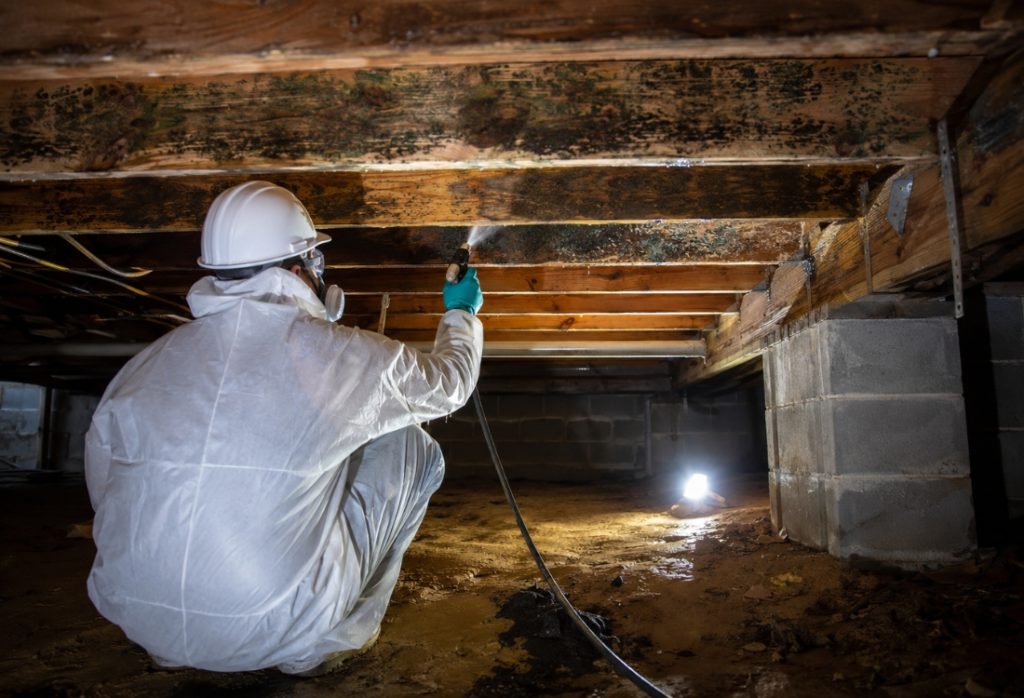
If mold covers a large area or appears on multiple surfaces throughout the crawl space, professional mold remediation is the safest solution. Florida’s warm, humid weather allows mold to spread quickly, and it can grow deeper into wood framing than you can see from the surface.
Step 4: Remove or Replace Deteriorating Materials
After cleaning visible mold and mildew, inspect your crawl space for materials that have absorbed moisture beyond what cleaning can fix. Wet insulation, rotting wood, and organic debris can hold onto moisture and continue causing musty odors even after the source of the water has been fixed.
Materials that may need to be removed or replaced include:
- Wet, sagging, or moldy fiberglass insulation.
- Wood framing or subflooring with signs of rot or structural damage.
- Leaves, dirt, cardboard, and other organic debris that retain moisture.
- Torn or deteriorated vapor barriers that no longer provide effective moisture protection.
In Florida’s warm, humid climate, fiberglass insulation can absorb moisture, lose its effectiveness, and become a source of persistent odors. Replace damaged materials only after the crawl space has been thoroughly cleaned and dried. Installing new insulation or moisture-control systems before the space is dry can lead to the same problems recurring.
Step 5: Improve Crawl Space Airflow
Improving airflow helps circulate air and dry your crawl space more efficiently, reducing the buildup of stale, damp air. While airflow alone won’t solve a moisture problem, it can help minimize lingering odors when combined with proper moisture control.
To improve airflow in your crawl space:
- Remove boxes, debris, and other items that block air circulation.
- Keep crawl space vents clear of dirt, vegetation, and other obstructions.
- Inspect vents for damage and repair them as needed.
- Check HVAC ducts for condensation or air leaks that may introduce additional moisture.
- Ensure the crawl space access door closes securely to help limit unnecessary moisture intrusion.
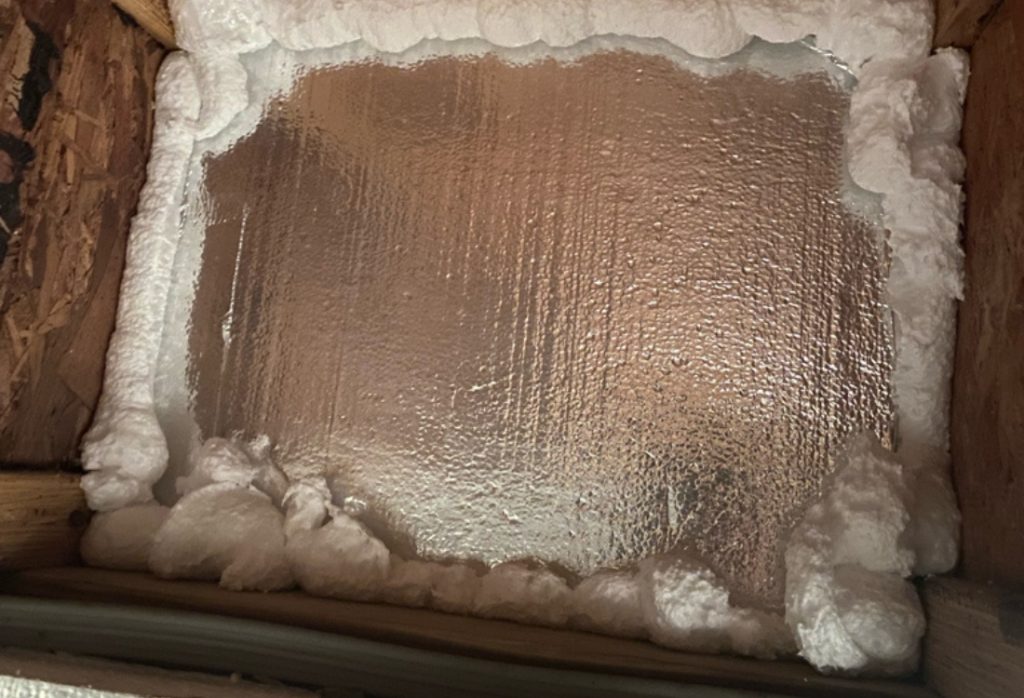
Many older Florida homes still have vented crawl spaces, which were originally designed to improve air circulation. However, Florida’s warm, humid climate often causes those vents to bring in more moisture than they remove, especially during the warmer, wetter months. For long-term odor control, improving airflow should be paired with effective moisture management, such as a crawl space dehumidifier.
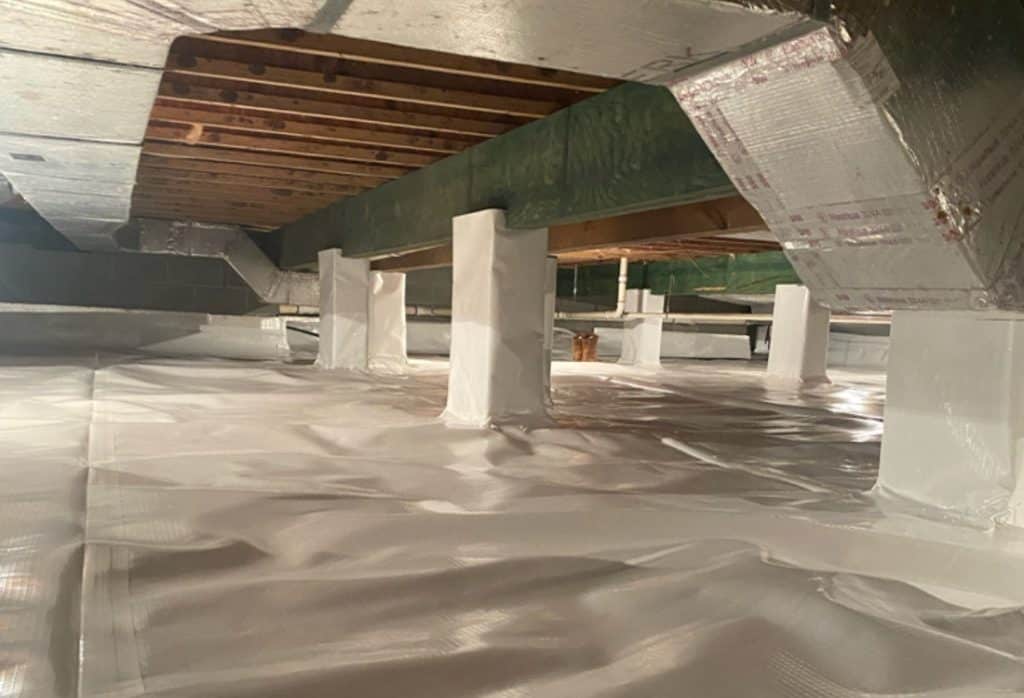
Step 6: Encapsulate the Space for Long-Term Protection
If moisture problems keep returning, encapsulate the crawl space for an effective long-term solution. It uses a thick vapor barrier to seal the crawl space from ground moisture and humid outdoor air, helping create a cleaner, drier environment beneath your home. In Florida, it also helps protect against the year-round humidity that contributes to mold, mildew, and recurring musty odors.
Encapsulation works best after existing moisture issues have been resolved. Installing a vapor barrier over standing water or damp materials can trap moisture and allow mold to keep growing beneath the encapsulation system.
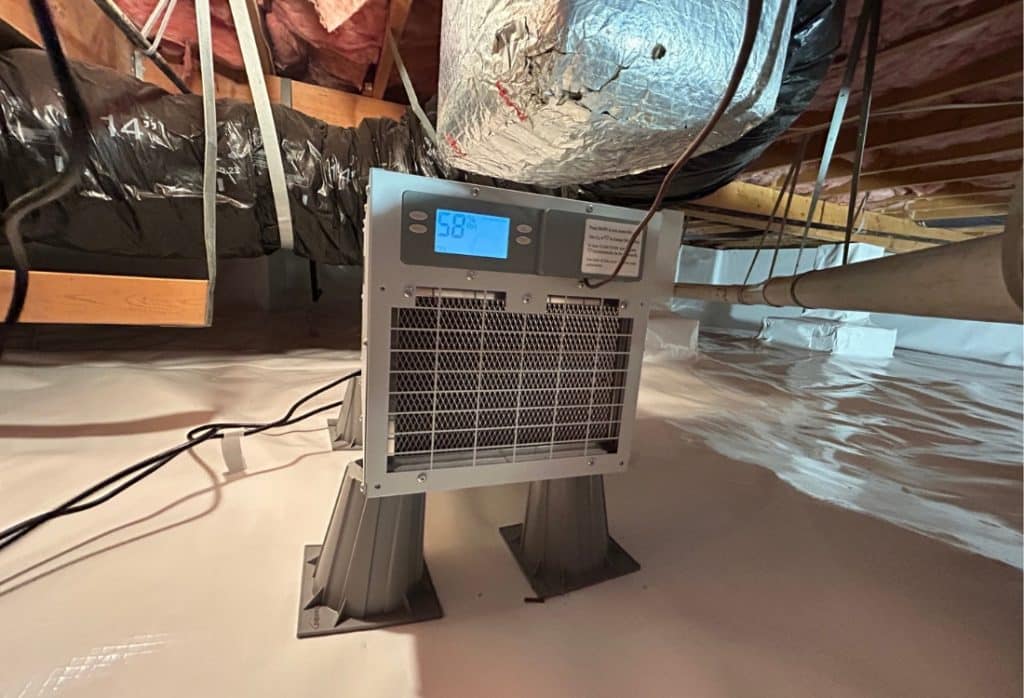
Step 7: Control Humidity with a Crawl Space Dehumidifier
Even after encapsulation, excess humidity can build up inside your crawl space. In Florida’s humid climate, a crawl space dehumidifier helps keep humidity under control and reduces the chance of musty odors coming back.
For the best results:
- Maintain relative humidity between 45% and 55%.
- Choose a dehumidifier that’s properly sized for your crawl space.
- Use continuous drainage whenever possible.
- Clean or replace the air filter regularly.
- Monitor humidity with a hygrometer.
A crawl space dehumidifier works best as part of a complete moisture control system that includes proper drainage and encapsulation.
Step 8: Eliminate Lingering Smells with Natural Odor Absorbers
After the moisture source is fixed and the crawl space is clean and sealed, most musty odors will fade on their own. If a slight musty smell remains while the crawl space dries, natural odor absorbers can help reduce the odor until moisture levels return to normal.
Effective odor absorbers include:
- Activated charcoal
- Baking soda
- Odor-absorbing gels designed for damp spaces
- HEPA air purifiers to help improve indoor air quality.
These are temporary aids, not solutions. If the musty smell returns after using odor absorbers, the moisture source has not been fully resolved and the earlier steps need to be revisited. The underlying issue may require professional attention.
Step 9: Schedule Regular Crawl Space Maintenance
Florida’s rainy season and hurricane season put extra strain on crawl spaces each year. Regular crawl space maintenance makes it easier to spot crawl space problems early, before they turn into expensive repairs.
Include these tasks in your maintenance routine:
- Inspect your crawl space at least twice a year, preferably before and after hurricane season.
- Check for new moisture, standing water, or pest activity after heavy rain.
- Inspect plumbing lines for leaks or condensation.
- Keep gutters and downspouts clean, so water drains away from your foundation.
- Monitor humidity levels throughout the year.
- Schedule a professional crawl space inspection if you notice recurring moisture or musty odors.
A properly sealed and maintained crawl space doesn’t require constant attention. Inspecting your crawl space twice a year makes it easier to identify moisture issues before they become larger, more expensive repairs.
Step 10: Call a Professional If the Smell Persists
If you’ve followed these steps and the musty smell keeps coming back, or you still can’t identify the source, it’s time to schedule a professional crawl space inspection.
A musty odor that keeps returning often indicates there may still be hidden moisture, mold growth, or drainage problems that need to be identified and corrected.
Signs it’s time to call a professional include:
- The musty smell returns within days or weeks after cleaning.
- You can’t locate the source of the moisture despite a thorough inspection.
- Mold is widespread or appears in multiple areas of the crawl space.
- Standing water returns after being removed.
- You notice structural issues, such as soft floors, sagging floor joists, or visible wood rot.
A professional inspection can pinpoint the source of the problem and recommend the right moisture-control solution before it causes more extensive damage.
Get Rid of Musty Crawl Space Smell for Good
A musty smell in your crawl space is usually a sign of excess moisture, not just stale air. By identifying the source, controlling humidity, and maintaining a dry crawl space, you can eliminate unpleasant odors while protecting your home’s indoor air quality and structural integrity.
If the smell keeps returning despite your efforts, LUX Foundation Solutions can help. We provide expert crawl space encapsulation services for homeowners across Jacksonville, St. Augustine, Gainesville, Ocala, Palm Coast, and surrounding areas in Northern and Central Florida. Our team will inspect your crawl space, determine what’s causing the odor, and recommend the crawl space repair services needed to fix the problem and help prevent it from coming back.
Call 904-921-3589 today to schedule your free crawl space inspection and estimate.
ABOUT THE AUTHOR

Frequently Asked Questions
How long does it take to get rid of a musty smell in a crawl space?
The timeline depends on the source of the moisture and the extent of the damage. Minor odors may improve within a few days after the crawl space has been cleaned and dried, while persistent moisture problems can take several weeks to resolve. If the smell keeps returning, hidden moisture or mold may still be present.
Can I get rid of a musty crawl space smell myself?
Yes, if a minor moisture problem causes the odor. You can inspect the crawl space, stop water intrusion, clean mold, remove damaged materials, and improve humidity control. If the smell returns or you discover standing water, widespread mold, or structural damage, schedule a professional crawl space inspection.
Will a crawl space dehumidifier remove musty odors?
A crawl space dehumidifier reduces excess humidity, making it harder for mold and mildew to grow. However, it won’t eliminate odors if standing water, plumbing leaks, or wet materials remain. Fix the moisture source first, then use a dehumidifier to help prevent the odor from returning.
Does crawl space encapsulation prevent musty odors?
Yes. Crawl space encapsulation helps prevent musty odors by sealing out ground moisture and humid outdoor air. In Florida’s humid climate, it’s one of the most effective long-term solutions for reducing the moisture that allows mold and mildew to thrive.
Should I replace wet crawl space insulation?
Yes. Wet, moldy, or deteriorated insulation can continue trapping moisture and odors even after the crawl space has been cleaned. Replacing damaged insulation after the space has been properly dried helps improve moisture control, indoor air quality, and energy efficiency.
How often should I inspect my crawl space in Florida?
Plan to inspect your crawl space twice a year, ideally before and after hurricane season. You should also inspect it after heavy rain or flooding to check for standing water, elevated humidity, mold growth, or other signs of moisture intrusion.