Written By Bridget Stieb, Director of Marketing at LUX Foundation Solutions • Reviewed by LUX’s foundation repair specialists serving Northern Virginia & Florida
Not all foundation issues require the same repair solution. If you have been told your foundation is settling unevenly and needs pier repair, one of the first questions you will probably ask is whether push piers or helical piers are the better option. While both systems are designed to stabilize settling foundations, they work differently and are best suited to specific structural conditions, soil types, and project requirements.
Understanding the differences between push piers vs helical piers can help you better understand why one system may be recommended for your home over the other. This guide compares how each pier system works, their advantages, common applications, and the factors professionals evaluate before determining the most appropriate solution for a home’s foundation.
Key Takeaways
- Helical and push piers are both permanent foundation repair solutions, but they use different installation methods and are recommended for different structural conditions.
- Push piers are commonly used for heavier structures experiencing foundation settlement, while helical piers are often preferred for lighter structures, new construction, and projects with lower structural loads such as chimneys.
- Neither system is universally better. The right choice depends on factors such as your foundation type, structure weight, soil conditions, and the cause of the settlement.
- A professional foundation inspection is the most reliable way to determine which pier system is appropriate because every property has unique structural and site conditions.
- Both push piers and helical piers are designed to provide long-term foundation stabilization when properly selected and installed.
- Understanding the differences between the two systems helps you make informed decisions and better understand the recommendations provided during a foundation inspection.
What Are Push Piers?
If your foundation begins to settle, it usually means the soil beneath your home can no longer provide the support it once did. Push piers help solve this by transferring your foundation’s weight to deeper, more stable bearing layers.
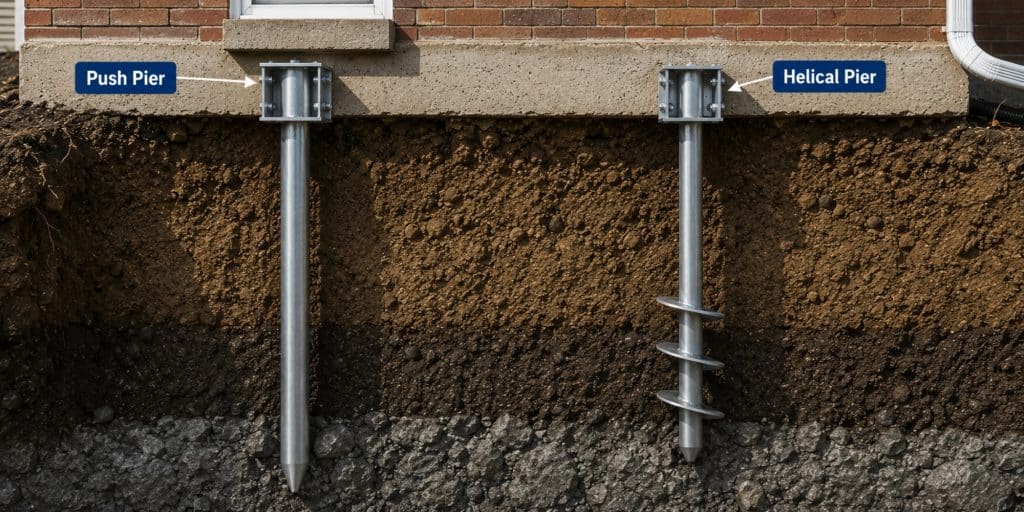
Push piers are deep steel supports designed to stabilize foundations that have settled over time. Rather than relying on unstable surface soils, they provide deep foundation support from stronger soil layers below, helping reduce further movement and improve long-term foundation stability.
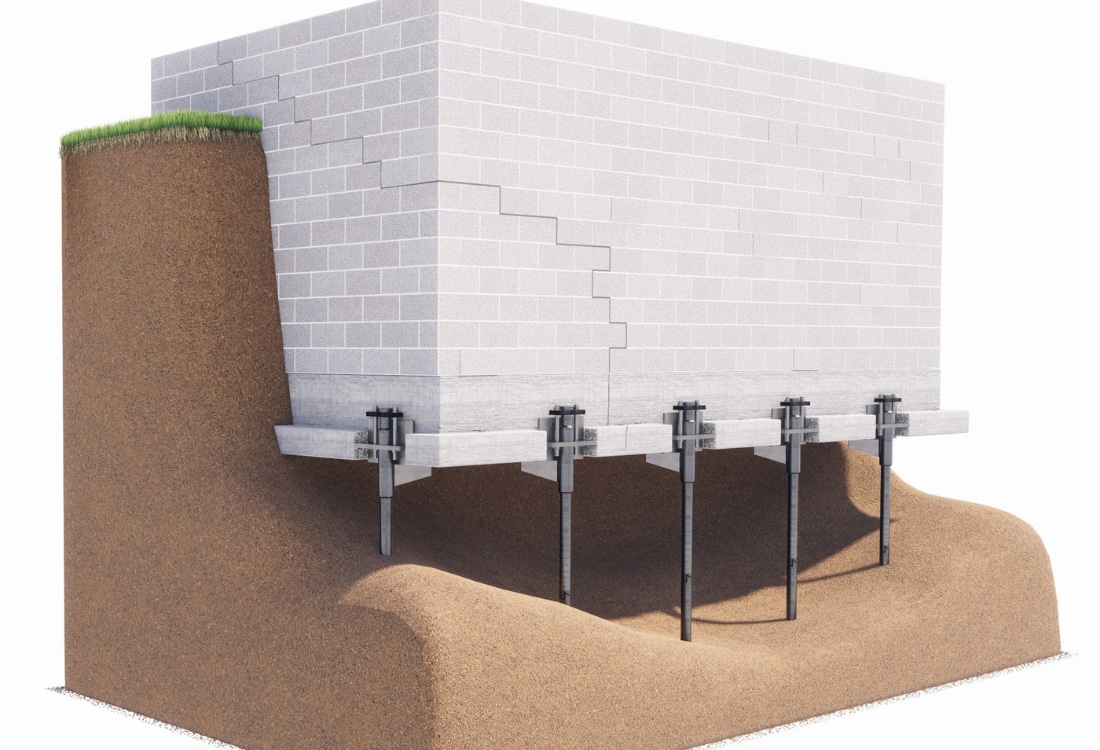
How It Works: Push piers are installed with piers driven deep beneath the foundation with minimal excavation using hydraulic jacks and advanced to the correct depth until they reach bedrock or stable load-bearing soil or bedrock. Once secured with a steel bracket, they transfer your home’s weight away from unstable soil and onto stronger bearing layers, helping stabilize the foundation and, when conditions allow, lift it closer to its original position.
Commonly recommended for: Existing foundations on homes or commercial buildings with significant structural weight and heavy loads, visible foundation settlement, or conditions where deeper, stable bearing layers are needed to support the structure.
Generally not recommended for: Lightweight structures, such as porches, decks, or small additions, where there may not be enough structural weight for the system to perform as designed.
What Are Helical Piers?
Helical piers, sometimes referred to as screw piles, are steel foundation supports that are rotated into the ground to stabilize and support your foundation. Unlike push piers, they do not rely on the weight of your home during installation, making them suitable for a wider range of projects.
Helical piers are steel foundation supports with helical plates featuring a helix design attached to the shaft, allowing them to be screwed into the ground rather than pushed. Once they reach stable soil, they help stabilize foundations, support structural loads, and reduce future settlement.
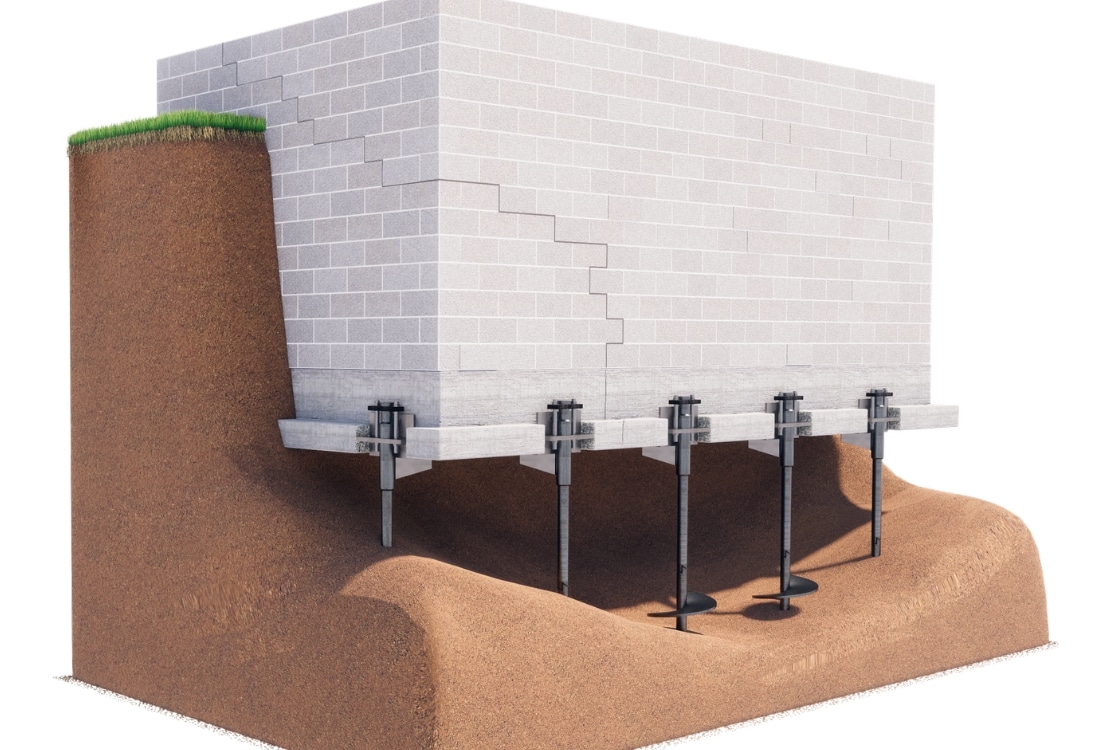
How It Works: The helical pier installation process begins with mechanically rotating the pier into the ground until they reach the desired depth and installation torque, indicating adequate load bearing capacity. Once they reach stable soil, they help support your home’s weight and reduce future settlement.
Commonly recommended for: Helical piers can be installed for lightweight and heavy structures, new construction, home additions, porches, decks, retaining walls, and sites where soil conditions allow the helical plates to develop sufficient bearing capacity.
Generally not recommended for: Projects where shallow bedrock, obstructions, or site conditions prevent the helical plates from advancing to the required depth or achieving the necessary installation torque.
How Soil Conditions Affect the Choice Between Push Piers and Helical Piers
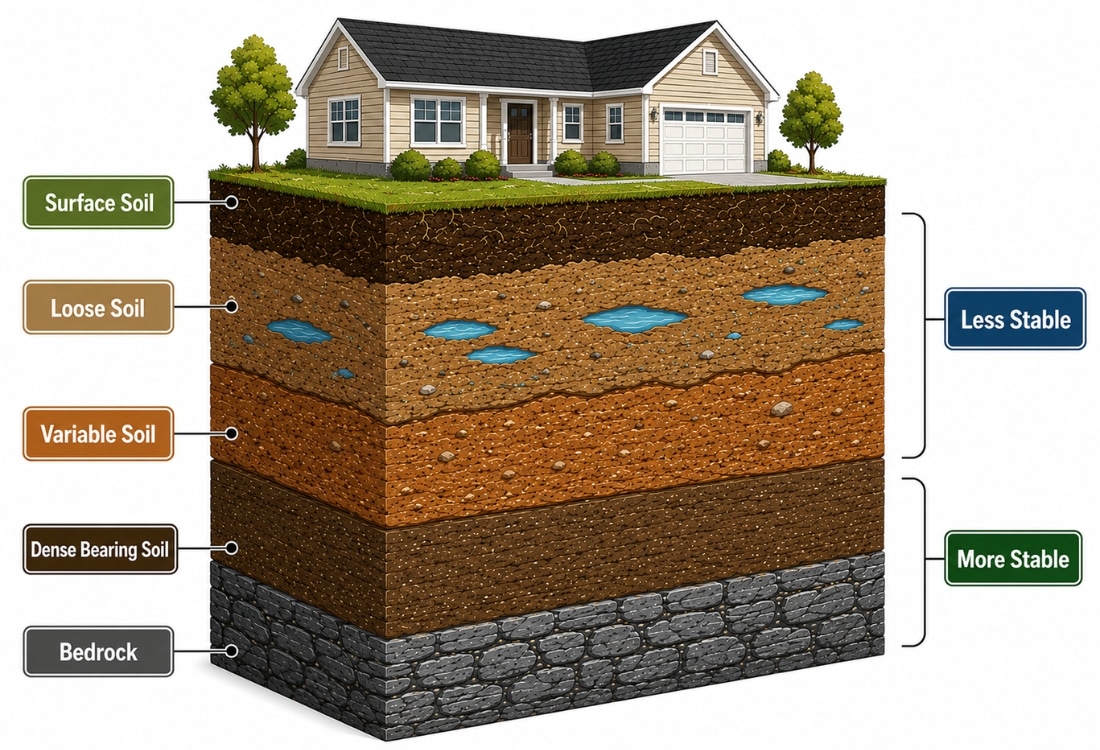
The soil beneath your home, including its bearing capacity, moisture content, and stability, helps determine which pier system is most appropriate. As the U.S. Geological Survey (USGS) explains, soil and geologic conditions vary from one location to another, which is why no single foundation repair method is appropriate for every property.
Here are a few ways soil conditions can influence push piers vs helical piers recommendation:
- Soft or loose soils: Surface soils affected by poor soil compaction may no longer provide adequate support for your foundation. In these situations, push piers are often selected because they transfer the structural load to deeper, stronger load-bearing layers.
- Stable bearing soils at shallower depths: Helical piers can perform well when their helical plates can develop sufficient bearing capacity without needing to reach extreme depths.
- Variable soil conditions: If the surrounding soil beneath your home changes from one area to another, a professional evaluation helps determine which pier system is likely to provide the most reliable long-term support.
- High groundwater levels: Moisture can affect soil strength and stability, making a thorough site assessment essential before selecting a foundation repair method.
Although soil conditions play a significant role, they are only one part of the evaluation. Foundation type, structural weight, settlement pattern, and site accessibility are also considered before recommending the most appropriate pier system.
What Is Better, Helical Piers or Push Piers? Side-by-Side Comparison
Now that you have a better understanding of how push piers vs helical piers work, the next step is comparing them side by side. While both systems provide permanent foundation stabilization, each has advantages depending on your home’s structure, the soil beneath it, and the conditions causing the settlement.
The comparison below highlights the key differences between push piers and helical piers, including where each system performs best and when professionals typically recommend one over the other.
| Factor | Push Piers | Helical Piers |
|---|---|---|
| Installation Method | Hydraulically driven into the ground using the weight of the structure as resistance. | Rotated into the ground using hydraulic equipment, does not rely on structural weight |
| Best Applications | Best for heavy structures, two-story homes, brick buildings, commercial properties | Suitable for both light and heavy structures including porches, additions, chimneys and new construction |
| Soil Requirements | Performs well in unknown or variable soil conditions, keeps going until stable ground is reached | Requires reasonably consistent soil for the helical plates to grip effectively during rotation |
| Installation Angle | Vertical only | Vertical or angled, more flexible in tight or obstructed spaces |
| Depth Range | Typically 25 to 60 feet depending on where stable ground is found | Depth varies based on soil torque readings during installation |
| Foundation Lifting | Can stabilize and lift a settling foundation toward its original position | Can stabilize and lift a settling foundation toward its original position |
| Best Use Case | Heavier structures with unknown soil conditions below the surface | Versatile applications including lighter structures, new construction, and angled installations |
While this comparison highlights the typical strengths of each system, it should not be used as the sole basis for selecting a foundation repair method. Every property has unique structural and soil conditions, which is why foundation repair professionals evaluate the entire site before recommending the most appropriate solution.
Which Foundation Pier is Right for Your Home?
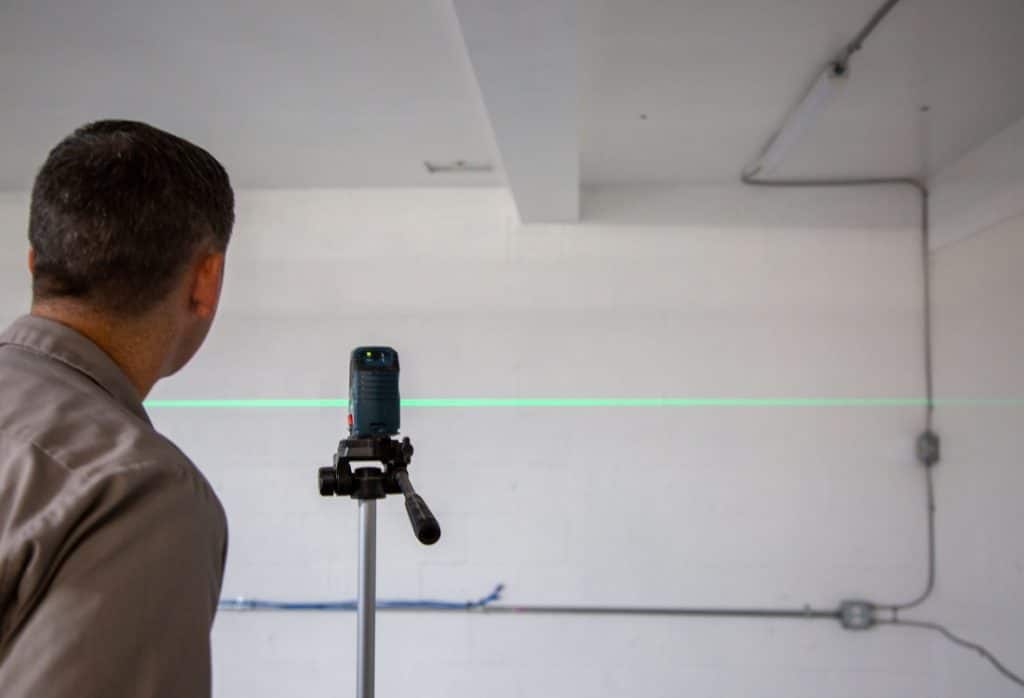
Although both systems provide permanent foundation stabilization, neither is the right choice for every property. Before recommending either push piers vs helical piers system, foundation repair professionals evaluate several structural and site-specific factors to determine which solution is best suited to your home.
During a professional foundation inspection, several factors are evaluated before a recommendation is made, including:
- Structure weight: Push piers rely on the weight of an existing structure during installation, making them a common choice for heavier homes and commercial buildings. Helical piers can support both lighter and heavier structures because they do not depend on structural weight during installation.
- Soil conditions: The soil beneath your home, including its bearing capacity, moisture content, and stability, helps determine which pier system is most appropriate.
- Foundation type: Existing homes with foundation settlement may require a different stabilization approach than new construction, additions, or other structures designed to prevent future settlement.
- Settlement severity: The location, extent, and pattern of foundation movement help determine the most effective repair method.
- Site accessibility: Property layout, nearby structures, underground utilities, and other site conditions can affect which pier system is the most practical to install.
Rather than choosing the system yourself, the best approach is to schedule a professional foundation inspection. A thorough inspection evaluates your home’s structural conditions, soil characteristics, and settlement patterns before recommending the most appropriate pier system for your property.
Get a Professional Assessment to Determine the Right Pier for Your Home
Whether push piers or helical piers are the right fit, both systems offer a permanent solution to foundation settlement and prevent further damage to your home. The right choice depends on your specific soil conditions, structural load, and the extent of the settlement, factors that a professional assessment evaluates before any work begins.
If you are noticing signs of foundation movement in your home, LUX Foundation Solutions is ready to help. We provide foundation repair solutions for homeowners across Jacksonville, St. Augustine, Gainesville, Ocala, Palm Coast, and surrounding areas in Northern and Central Florida. Our team will inspect your foundation, assess your soil conditions, and recommend the right pier system for your property at no cost to you.
Call 904-921-3589 or schedule your free foundation assessment online to get started.
ABOUT THE AUTHOR

Frequently Asked Questions
What is better, helical piers or push piers?
Neither push piers nor helical piers are universally better. The right choice depends on your home’s structural load, soil conditions, and the cause of the settlement.
Push piers perform better on heavier structures with unknown or variable soil conditions. Helical piers are more versatile, working on both light and heavy structures where soil is reasonably consistent. A professional foundation assessment is the only reliable way to determine which system suits your specific property.
Which pier type is better for homes with sandy or loose soil?
If your home is built on sandy or loose soils, push piers are often the more reliable option because they continue advancing until they reach stable bearing ground beneath the concrete footings. However, the right recommendation always depends on the conditions beneath your property.
Can helical piers and push piers be used together on the same foundation?
Yes. In some cases, different sections of the same foundation present different soil conditions or structural loads, making one pier type more appropriate for one area and the other more appropriate for another. Helical piers are also commonly used for new construction projects, while push piers are typically installed beneath existing homes experiencing settlement. A professional foundation assessment determines whether a combined approach is appropriate for your specific property.
How long do push piers and helical piers last?
Both push piers and helical piers are designed as permanent foundation repair solutions. When correctly installed to stable load-bearing strata, both systems provide long term stability and help protect your home from additional foundation damage. Most professional installations include a transferable warranty that carries over to future homeowners.
How do I know which pier type my home needs?
The right pier type depends on your home’s structural load, the soil profile beneath your foundation, the severity and cause of the settlement, and the accessibility of the installation site. These factors can only be accurately assessed through a professional foundation inspection. A qualified foundation repair specialist evaluates all of these conditions together before recommending the most appropriate pier system for your property.