Written By Bridget Stieb, Director of Marketing at LUX Foundation Solutions • Reviewed by LUX’s foundation repair specialists serving Northern Virginia & Florida
Posted December 8, 2021 • Updated: April 24, 2026
Expansive soil is one of the least talked about but most damaging forces acting on Florida home foundations. It does not announce itself with a sudden event, the way a flood or storm does. Instead, it works slowly, expanding when the ground gets wet and shrinking back when it dries out, putting the foundation through a constant cycle of pressure and release that adds up over time.
In Florida, where the wet season brings heavy rainfall and the dry season rapidly pulls moisture out of the ground, this cycle runs harder than in most other states. Homeowners in North Central Florida, particularly in the Gainesville area, face expansive soil conditions that directly affect the stability of slab-on-grade and crawl-space foundations.
This guide explains what expansive soil is, where it is found in Florida, how it damages foundations, and what can be done about it.
What Is Expansive Soil?
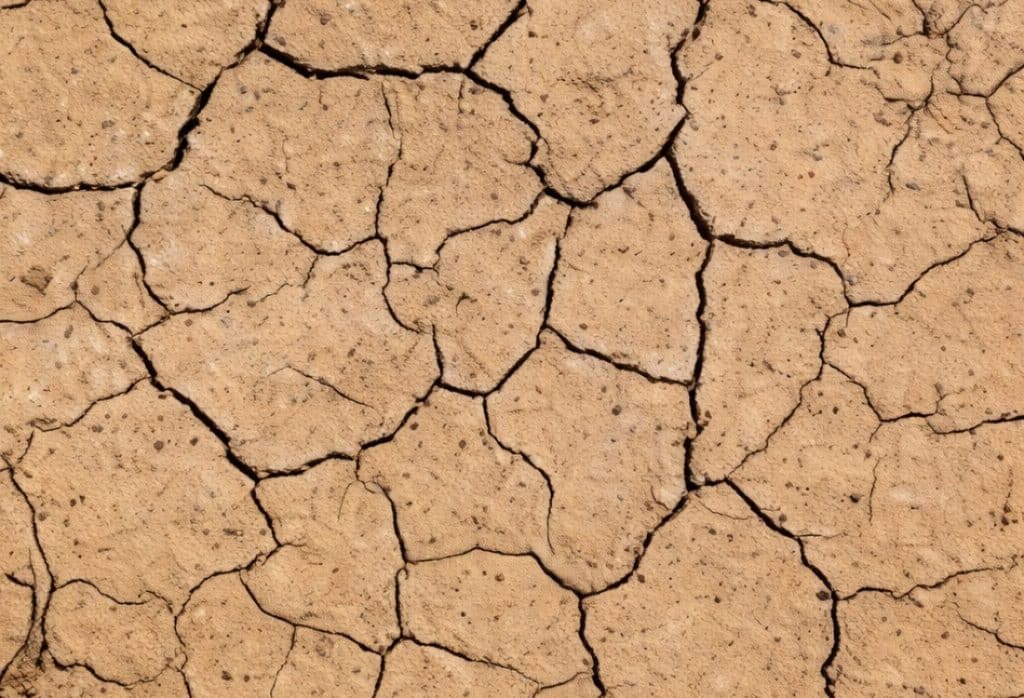
Expansive soil, also known as soil that expands when wet, changes its soil volume depending on how much moisture it contains. It is responsible for over $2 billion in property damage annually in the United States alone, making it one of the most costly geological hazards affecting homeowners.
When it absorbs water, it swells. When it dries out, it shrinks. This growth-shrink cycle is what makes it problematic for anything built on top of it, including home foundations, driveways, and underground pipes.
The main cause is fine-grained clay minerals in the soil. Soils containing expansive minerals absorb water and expand during wet periods, then contract and pull away during dry periods. Such soils create an unstable base that shifts with every rain event and every dry spell. Sandy soils drain quickly and do not have these expansive properties, but clay-heavy soils beneath a foundation behave very differently.
Over time, this repeated movement causes cracks, shifts, and structural damage that worsen with each wet-and-dry cycle.
Does Florida Have Expansive Clay Soil?
It is more common in certain parts of the state than most homeowners realize. Florida is often associated with sandy soil, which does not expand as much as clay-heavy soils do. But not all of Florida sits on sand.
North Central Florida, particularly Gainesville, has significant deposits of expansive clay soil beneath the surface. This transition zone, where sandy coastal soils give way to clay-rich soils with very different soil properties, is more typical of the southeastern United States. Homeowners in this area are more frequently affected by damage to foundations from expansive soils than those in coastal South Florida, where sandy soils dominate.
Florida’s climate makes the problem worse than it would be in a more stable region. The state’s wet season saturates the ground, causing soils beneath foundations to expand significantly. The dry season that follows rapidly pulls moisture out of the ground, causing the same soils to shrink back. This seasonal cycle repeats every year, putting Florida foundations through ongoing stress that accumulates over time.
How Expansive Soil Damages Florida Foundations
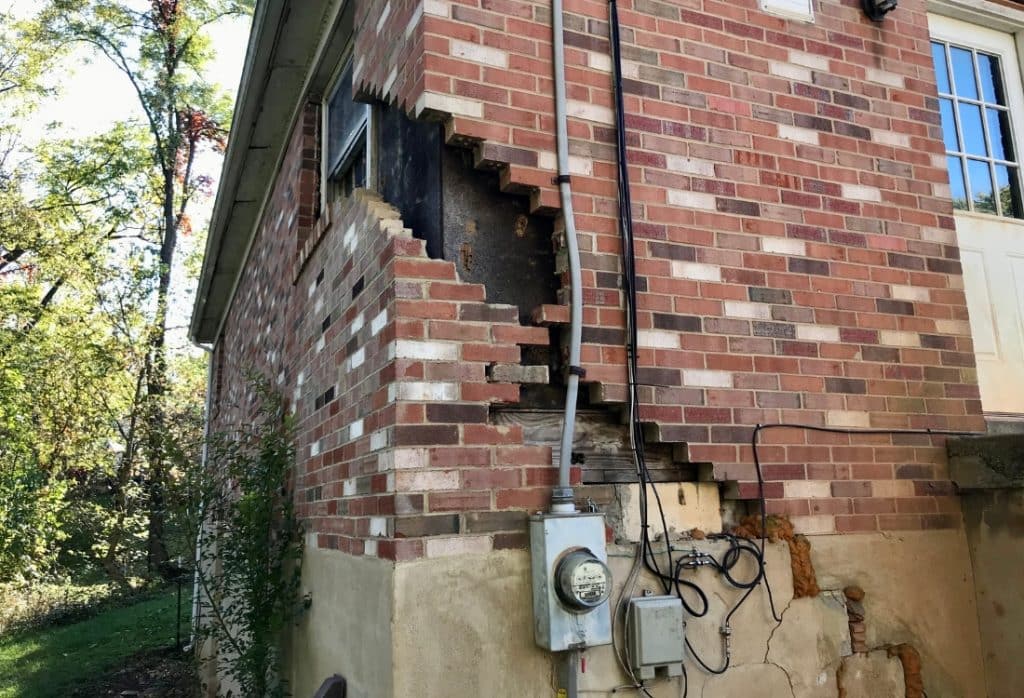
When expansive soil moves beneath a foundation, it does not move evenly. Different parts of the soil dry out or absorb water at different rates depending on drainage, sun exposure, tree root activity, and moisture content at varying soil depths. That uneven movement is where most of the damage starts.
Florida homes are predominantly slab-on-grade or crawl space construction. Unlike deep foundations that anchor below the active soil zone, both of these foundation types sit within the zone most affected by expansive soil movement.
Slab-on-grade foundations
When expansive soil beneath a slab swells unevenly, different sections of the slab lift at different rates. When dry soil pulls back, voids form beneath the slab where soil used to provide support. The slab sags into those voids under its own weight. What shows up inside the home is cracked or uneven floors, stress cracks running up walls, and doors or windows that no longer open and close cleanly.
Crawl space foundations
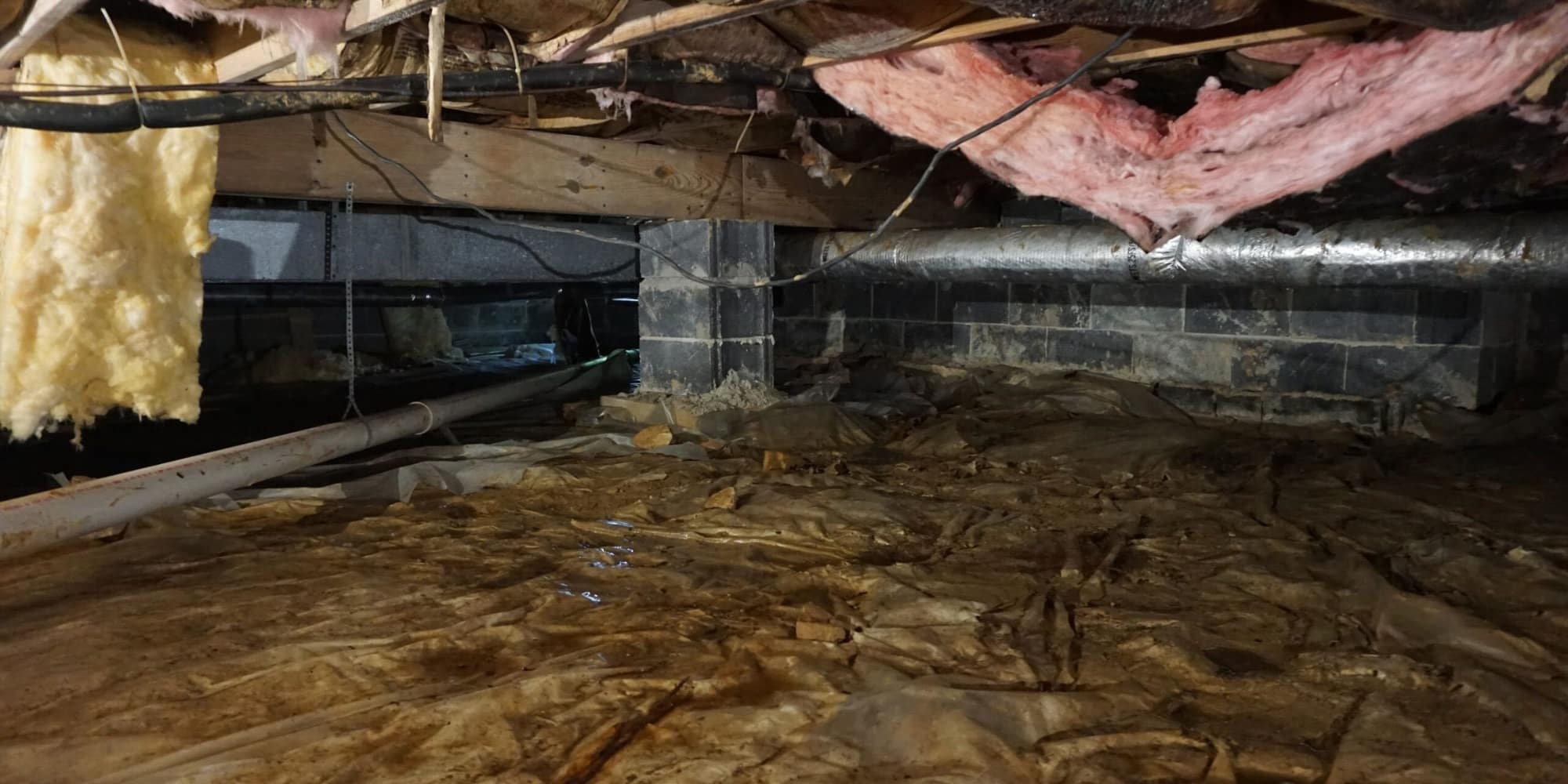
Expansive soil puts pressure on crawl space foundation walls and piers during wet periods and pulls away from them during dry periods. Over time, this shifts support posts, weakens floor joists, and causes the structure to settle unevenly. The signs above are bouncy or sloping floors, gaps forming between walls and ceilings, and sticking doors.
Signs of Expansive Soil Damage in Your Florida Home
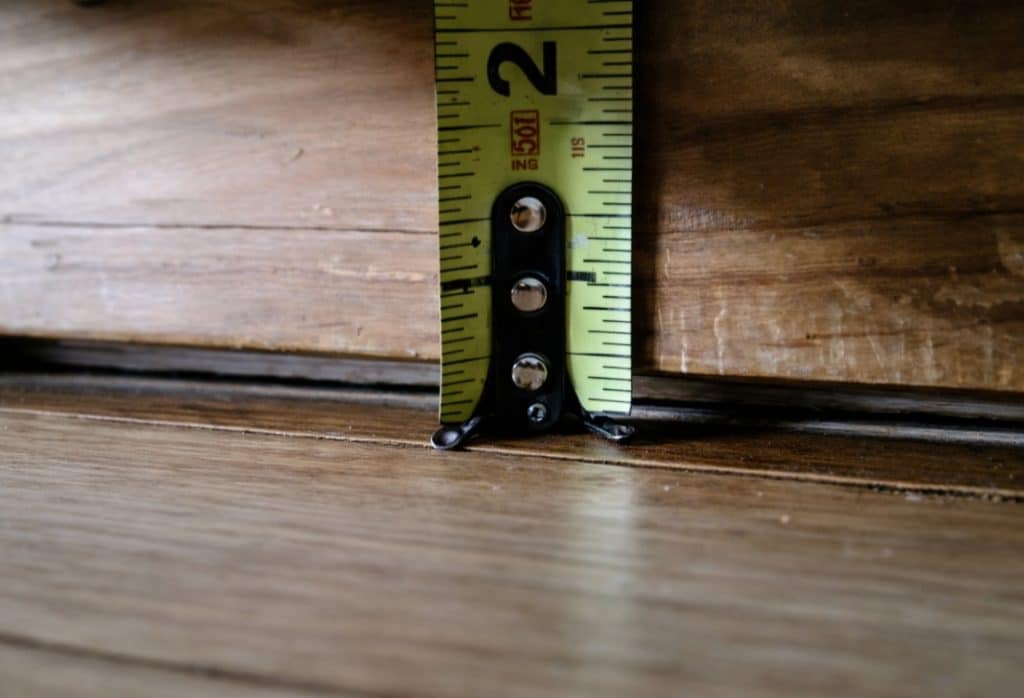
Expansive soil damage rarely announces itself all at once. It tends to show up gradually as the soil goes through wet and dry cycles over months and years. By the time most homeowners notice something is wrong, the movement has already been happening for a while. The earlier these issues get flagged, the less damage there is to deal with and the less it costs to fix.
Here are the most common signs that expansive soil may be affecting your Florida home foundation:
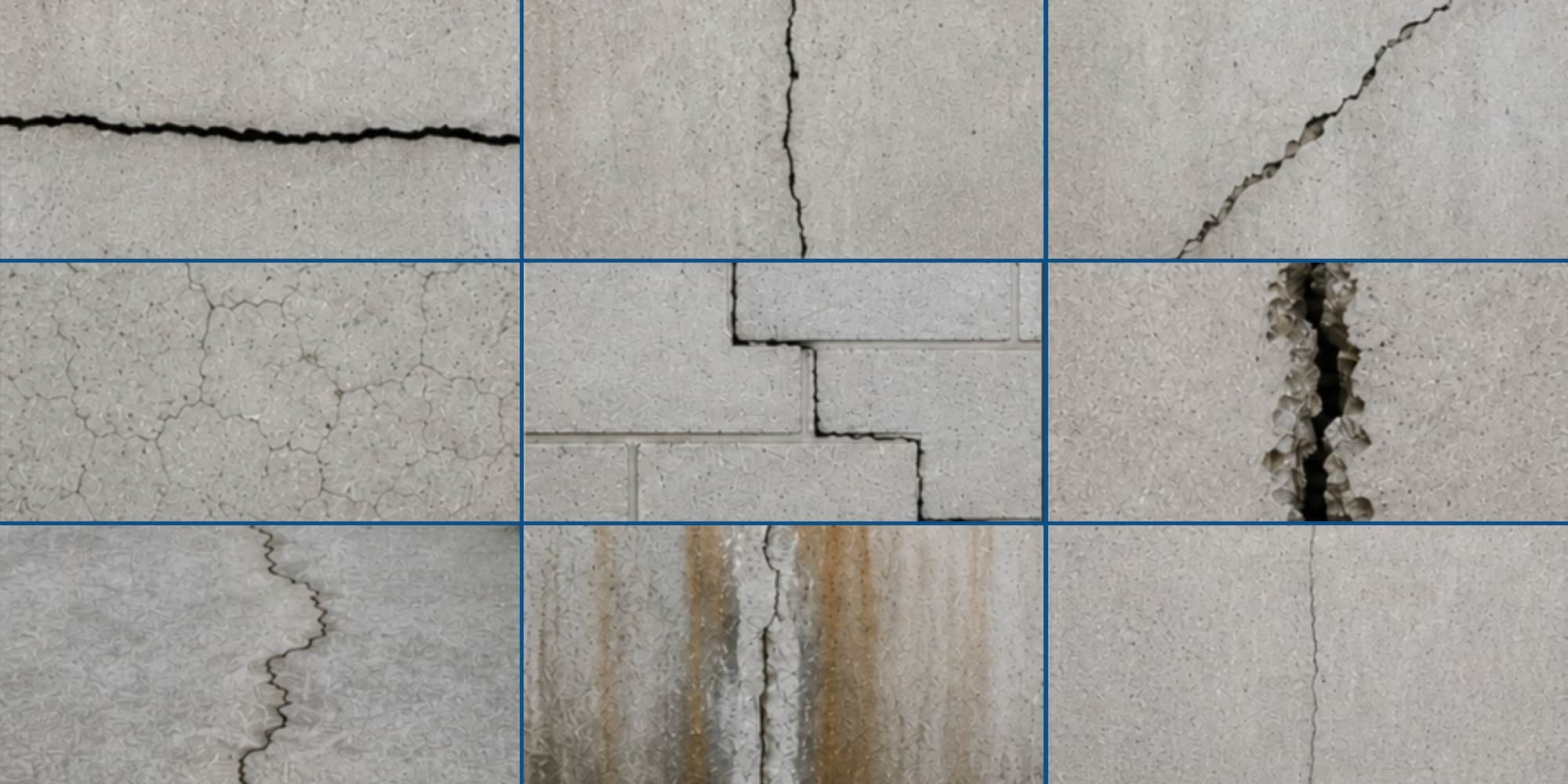
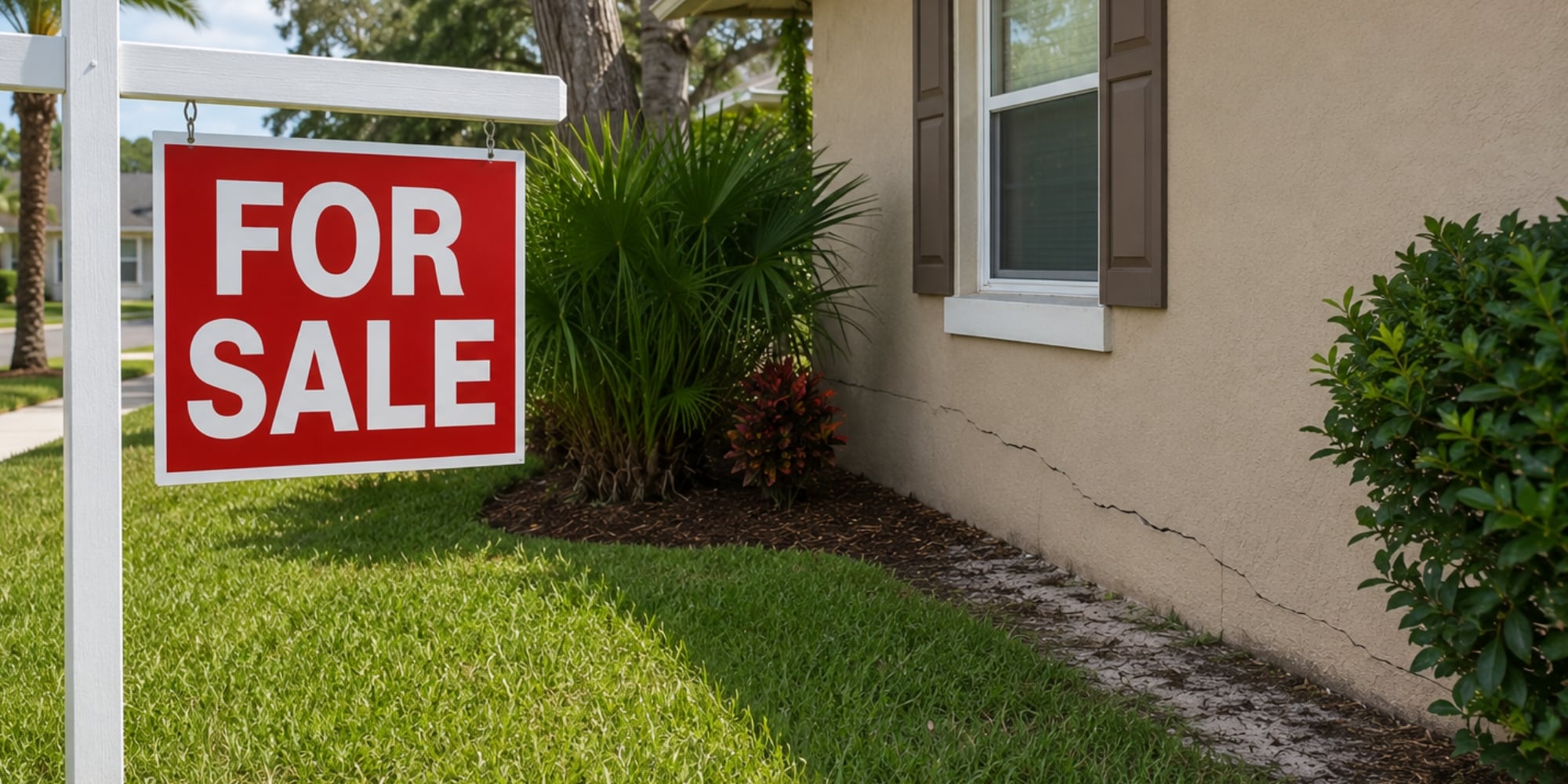
- Cracks in the slab floor or concrete surfaces. Cracks that appear under carpet, along tile grout lines, or on driveways and walkways are often the first visible sign of soil movement beneath the surface.
- Sticking doors and windows. When the foundation shifts, door and window frames go out of square. Doors that suddenly stick or no longer latch properly are a reliable early warning sign.
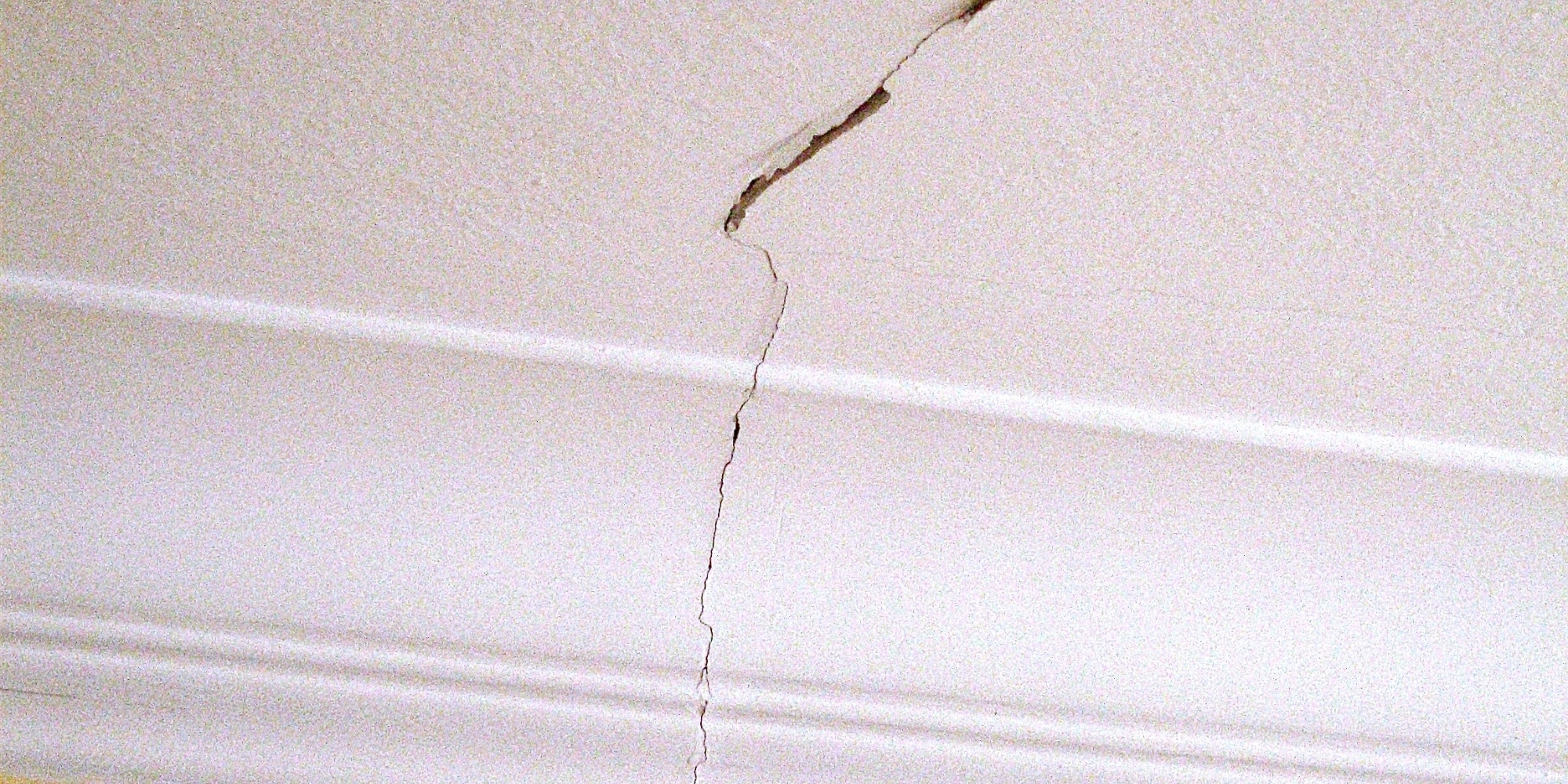
- Gaps between walls and ceilings or floors. Uneven soil movement pulls the structure in different directions, creating visible separations at joints where walls meet ceilings or floors.
- Uneven or sloping floors. Floors that feel bouncy, slope noticeably, or have soft spots point to foundation movement beneath the home.
- Cracks in drywall or brick mortar. Diagonal cracks in drywall running from door or window corners, or stair-step cracks in brick or block, indicate the structure above is responding to foundation movement below.
- Chimney cracks or leaning. A cracking or visibly leaning chimney is a sign of significant foundation movement and should be evaluated promptly.
- Mold or moisture in the crawl space. Expansive soil movement can crack foundation walls and create entry points for water, leading to moisture problems in crawl spaces.
If you are seeing any of these signs in your Florida home, expansive soil is worth investigating as a contributing cause, particularly in areas with known clay soil deposits.
It’s never a bad idea to call someone to inspect your home for foundation issues when you suspect you have them. You’re better off safe than sorry when it comes to your home’s longevity.
Expansive Soil Foundation Problems and Solutions in Florida
Technically, expansive soil cannot be eliminated. The clay minerals that cause the shrink-swell cycle are a permanent part of the soil composition. What you can do is manage the conditions that make it worse and address the damage caused by the movement that has already occurred.
Managing moisture around the foundation.
The most effective way to reduce expansive soil movement is to keep moisture levels around the foundation as consistent as possible. Big swings between wet and dry conditions are what drive the most damaging cycles. Practical steps include:
- Maintaining proper grading so rainwater drains away from the foundation rather than pooling around it
- Keeping gutters clean and downspouts extended at least 6 feet from the foundation
- Avoiding overwatering landscaping immediately adjacent to the foundation
- Installing a French drain or perimeter drainage system if water consistently collects around the home
Managing tree roots.
Tree roots draw moisture out of the soil around the foundation during dry periods, accelerating the shrinkage cycle on one side of the home while the other side stays more stable. Removing large trees close to the foundation or installing root barriers can reduce this uneven drying effect.
Soil stabilization
When expansive soil is causing significant ongoing movement, soil stabilization is an option. This involves injecting materials such as lime or other stabilizing agents into the soil to reduce its shrink-swell potential and limit its water-absorption and release. Stabilization will not undo damage that has already happened but it can stop the situation from getting worse.
Repairing foundation damage from soil expansion.
If expansive soil has already caused foundation damage, the underlying soil conditions need to be addressed alongside the structural repairs. Common repair approaches for Florida homes include:
- Slab lifting and leveling for sunken or uneven concrete slabs.
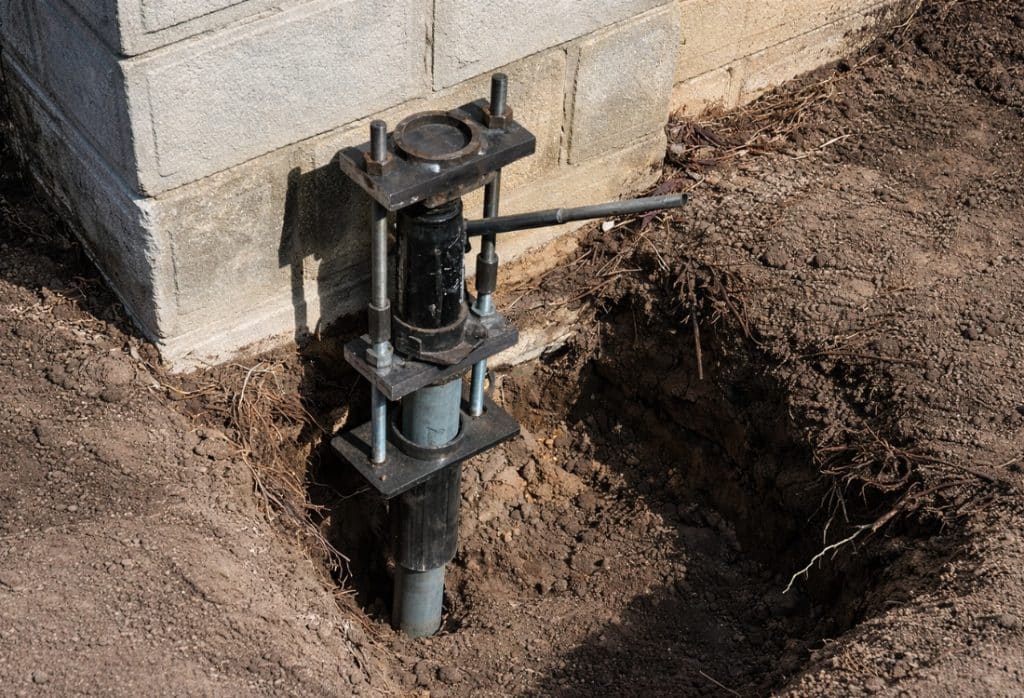
- Pier installation to stabilize and support a shifting foundation.
- Crawl space support post adjustment or replacement for settled crawl space foundations.
- Crack repair and waterproofing for foundation walls that have shifted and cracked.
Addressing the surface symptoms without stabilizing the soil or improving drainage around the foundation means the same problems are likely to return.
Is Expansive Soil Affecting Your Florida Home Foundation?
Expansive soil works quietly and gradually, but the foundation damage it causes gets more expensive to fix the longer it goes unaddressed. If your Florida home is showing signs of foundation movement, whether that is cracked floors, sticking doors, uneven surfaces, or gaps between walls and ceilings, the soil beneath the foundation may be part of the problem.
LUX Foundation Solutions evaluates foundation conditions throughout Northern and Central Florida, including Jacksonville, Ocala, Gainesville, Palm Coast, and St. Augustine. If you suspect expansive soil is affecting your home, our foundation repair services cover everything from pier installation and slab lifting to crawl space support and crack repair. We can assess what is happening beneath the foundation and give you a clear picture of what needs to be done.
Call us at 904-231-9926 or request your free foundation evaluation online today.
ABOUT THE AUTHOR

Commonly Asked Questions
What does soil expansion mean for my home foundation?
Expansive soil puts your foundation through a constant cycle of upward pressure when the ground is wet and downward settlement when it dries. Over time, this uneven movement causes foundation problems. In Florida, where the wet and dry seasons are pronounced, this stress accumulates faster than in more stable climates.
How does expansive soil damage foundations?
Expansive soil damages foundations by pushing upward against the slab or foundation walls when wet and pulling away when dry. Because this movement is rarely even across the entire foundation, different sections shift at different rates. That uneven movement cracks slabs, shifts support posts in crawl spaces, and puts the entire structure above out of level over time. The longer it goes unaddressed, the more expensive the repairs become.
Can expansive soil cause serious structural damage?
Left unaddressed over multiple wet and dry seasons, expansive soil can cause significant structural damage, including major slab cracking, foundation wall failure, collapsed crawl space supports, and widespread drywall and tile damage throughout the home. Florida homeowners in clay-soil areas should have their foundations evaluated if they notice early warning signs, rather than waiting for damage to progress.
How is expansive soil treated or stabilized?
Expansive soil cannot be eliminated, but the damage it causes can be controlled. The most practical first step for Florida homeowners is to improve drainage around the foundation to keep moisture levels more consistent year-round, thereby reducing the severity of the grow-shrink cycle.
For homes where expansive soil has already caused foundation movement, LUX Foundation Solutions addresses the structural damage directly through pier installation, slab lifting, crawl space support post adjustment, and concrete crack repair. Each repair approach stabilizes the foundation against further movement while the underlying drainage issues are corrected. Get a free evaluation to find out what is happening beneath your foundation and what it takes to fix it.
Can expansive soil damage be repaired?
Foundation damage from expansive soil can be repaired through slab lifting, pier installation, adjustment of crawl space support posts, and crack repair. However, repairing the damage without also addressing the soil conditions and drainage around the foundation is a temporary fix. A lasting solution requires both structural repairs and measures to stabilize soil moisture levels around the home.