
Poor Soil Compaction
Poor soil compaction is a hidden cause of foundation problems in many Florida homes. When the ground isn’t dense or stable enough to support your house, the structure can shift, crack, or settle unevenly. Understanding this issue helps you protect your home’s long-term stability and prevent costly foundation repairs.
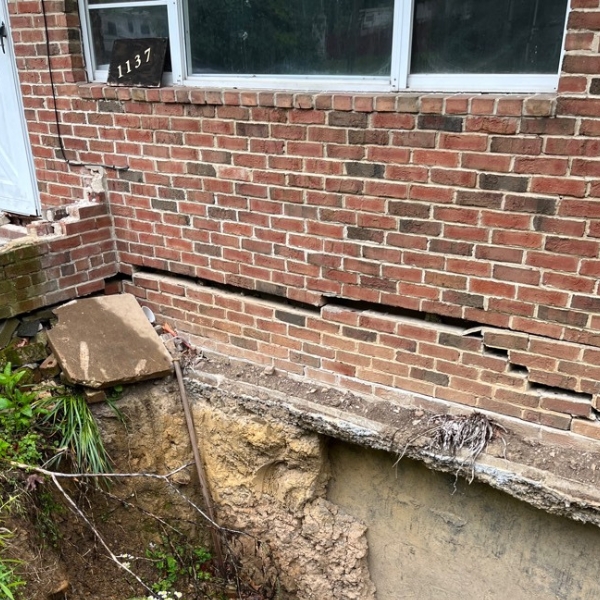
How Poorly Compacted Soil Leads to Foundation Problems in Florida
When the soil beneath your home isn’t properly compacted in controlled layers during construction, it remains loose. As the structure settles over time, this soil shifts, compresses, and the foundation settles into the soil unevenly.
In Florida, sandy soil, heavy rainfall, and a naturally high water table speed up this process, causing voids and soil pulling away from the foundation without proper repairs.
Understanding how this instability develops helps you know what to look for as you explore the causes of poor soil compaction in Florida homes and see why addressing the issue early protects your home’s long-term stability.
Why Poor Soil Compaction Happens in Florida Homes
Florida’s environment creates conditions in which loose or poorly compacted soil is a common foundation issue. Here’s why homes in the state often face settlement problems and what contributes to soil losing its ability to properly support a structure.
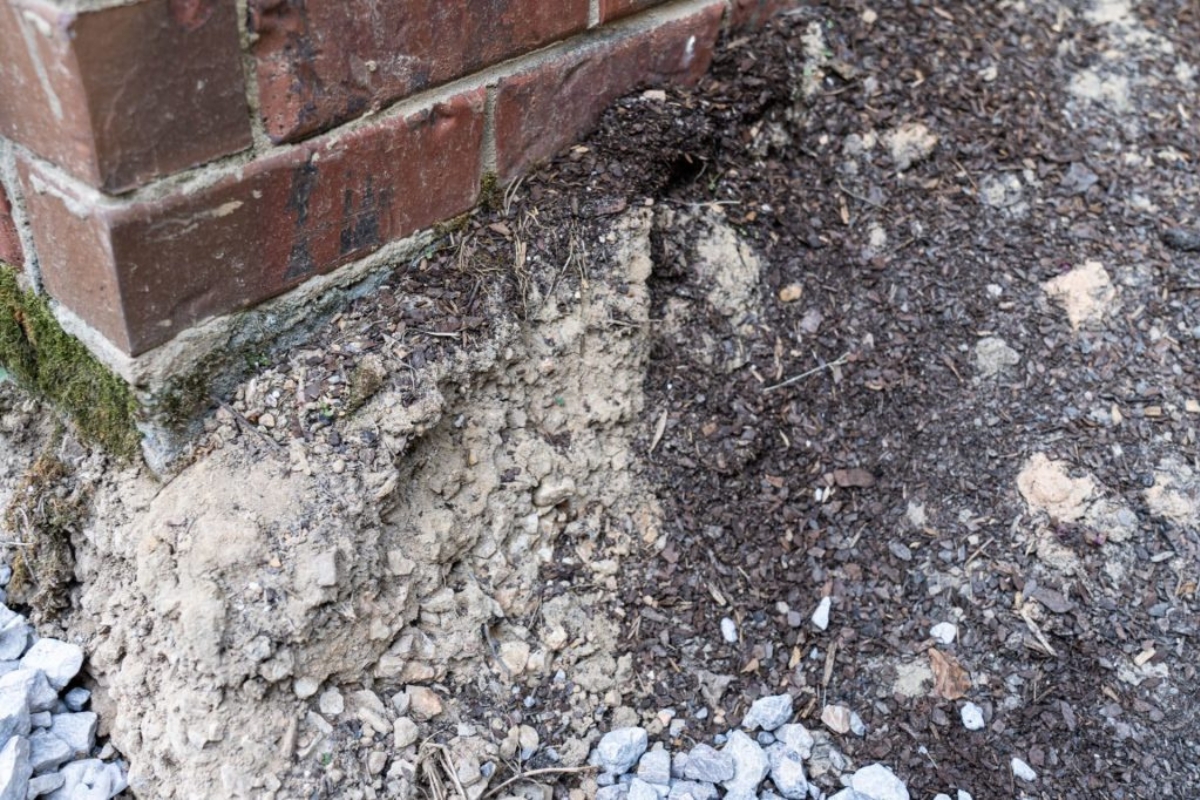
Naturally Loose and Sandy Soil
Florida’s sandy soil doesn’t hold together well, making it difficult to compact firmly during construction. Without dense, stable support, this loose soil shifts and compresses under a home’s weight. This is where soil compaction and stability become essential to prevent structural movement.
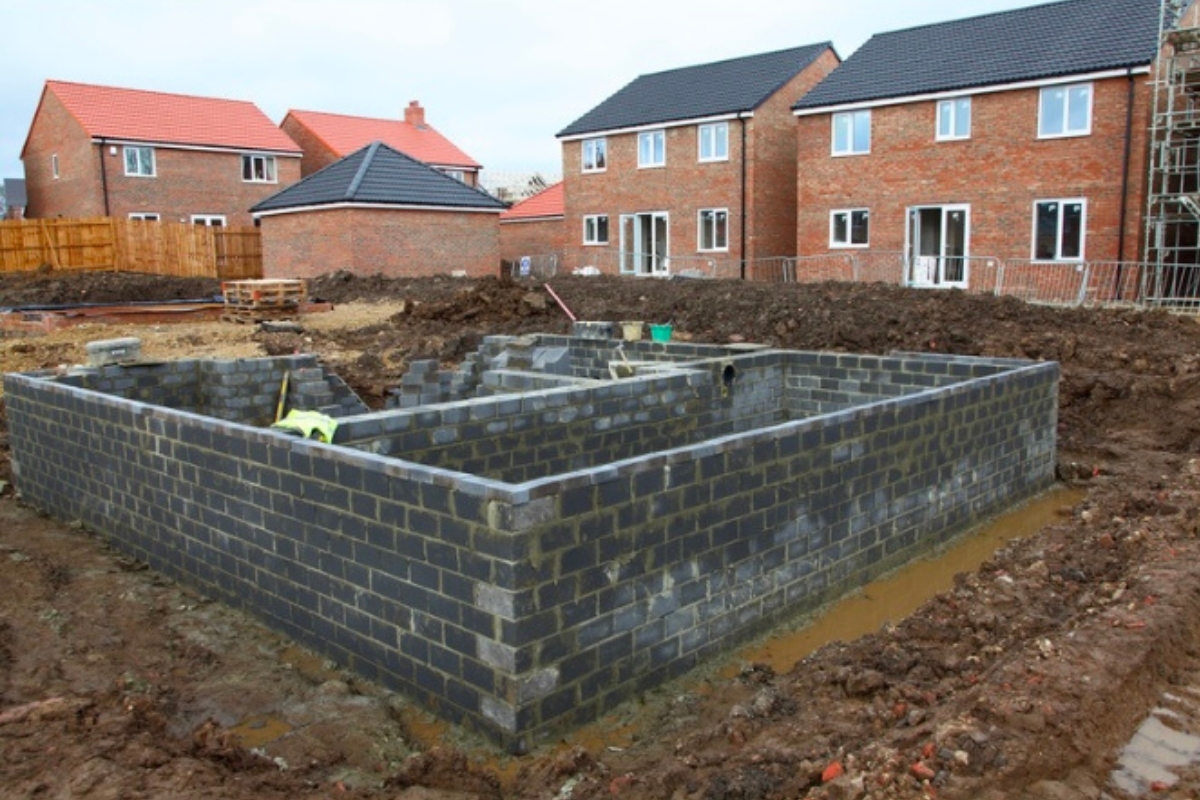
Inadequate Site Preparation During Construction
When compacting soil for a foundation isn’t done correctly or skipped entirely, voids develop beneath the slab. Improper preparation often results in long-term soil weakness, making soil compaction for foundation a crucial step that many older homes lack.
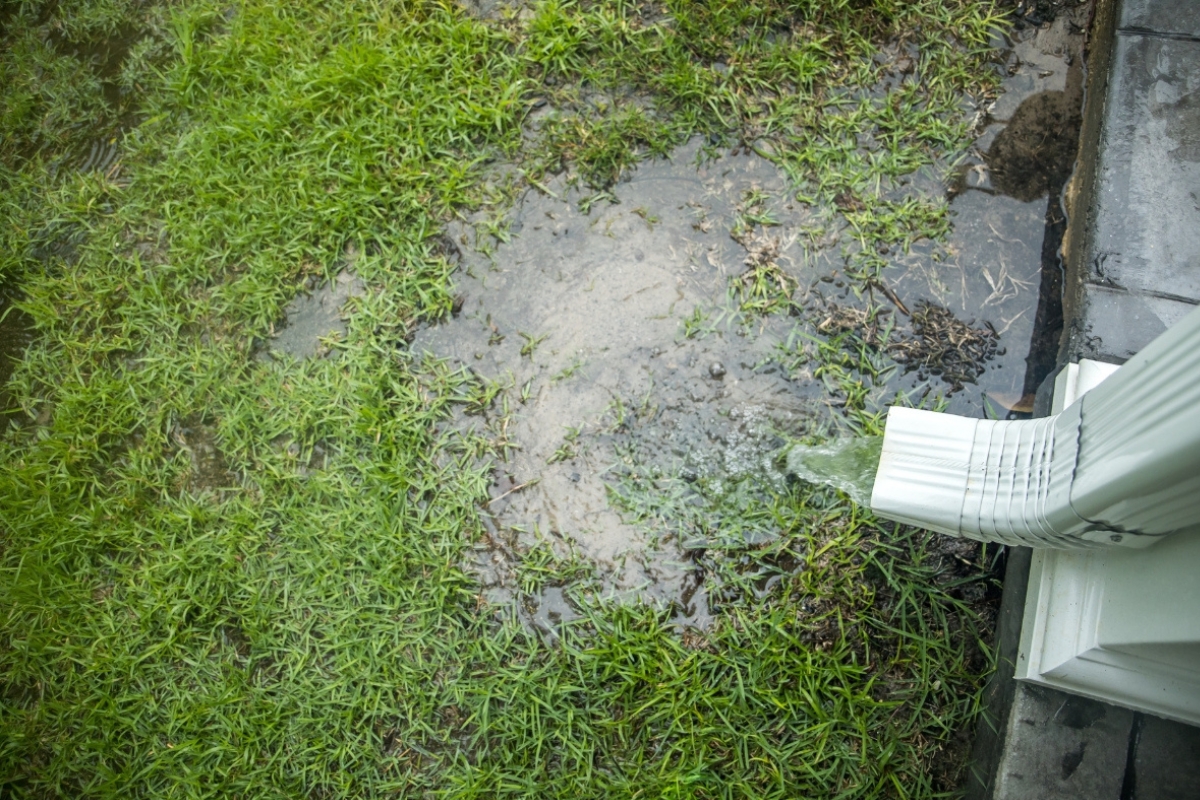
Poor Drainage Around the Home
Improper grading, short downspouts, and missing drainage systems allow water to collect near the foundation. Over time, this excess moisture softens the soil, reduces density, and contributes to poor soil compaction beneath the structure.
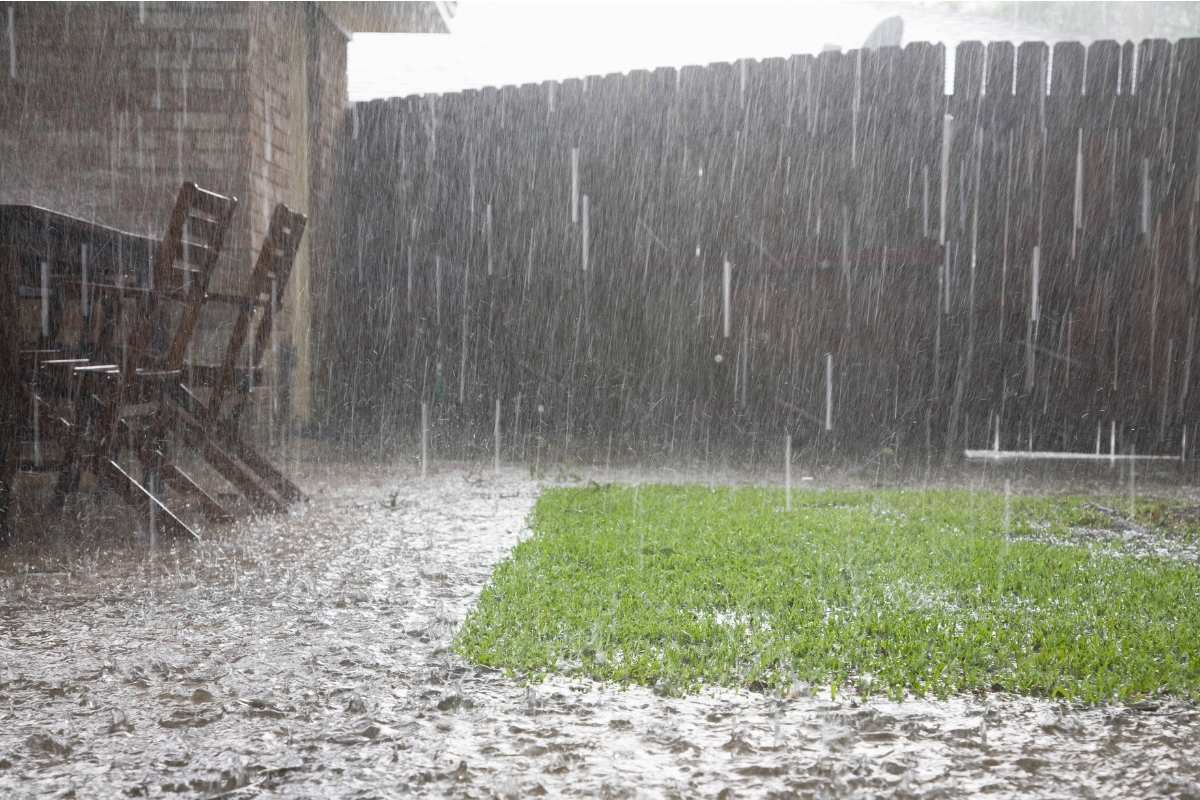
Heavy Rainfall and Standing Water
Florida’s frequent storms and tropical downpours saturate loose soil, causing it to collapse and compress unevenly. When wet soil loses structure, it cannot support the foundation consistently, increasing the risk of settlement and shifting.
When these conditions occur, the soil can’t provide the stable support your home needs. LUX Foundation Solutions offers reliable soil compaction solutions designed to strengthen weak soil and protect your foundation from ongoing settlement.
Foundation Repairs to Fix Poor Soil Compaction Problem
Weak, loosely compacted soil can’t support your foundation on its own. At LUX Foundation Solutions, we use engineered repair methods built for Florida’s sandy soil, moisture swings, and settlement risks.
Below are the proven soil compaction solutions we use to stabilize homes affected by poor soil compaction.
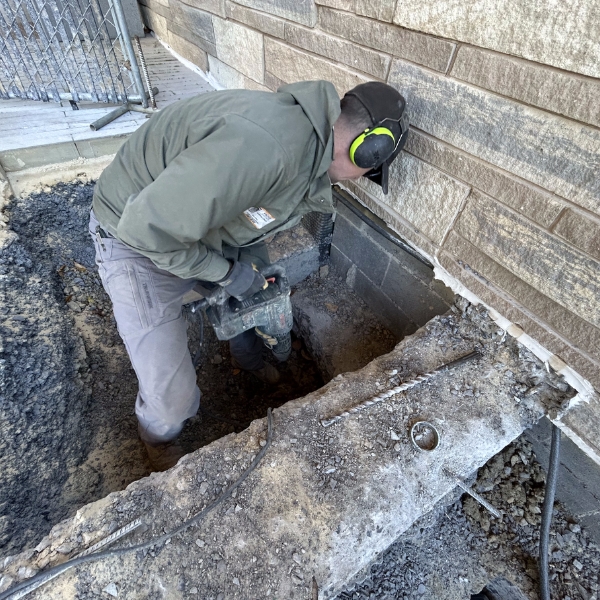
Foundation Piering Systems
Pier systems are ideal when poor soil compaction causes foundation sinking or uneven settling. LUX installs steel push piers or helical piers that transfer the home’s weight to stable, load-bearing soil layers deeper underground. This stabilizes areas where compacting soil around the foundation was inadequate during construction.
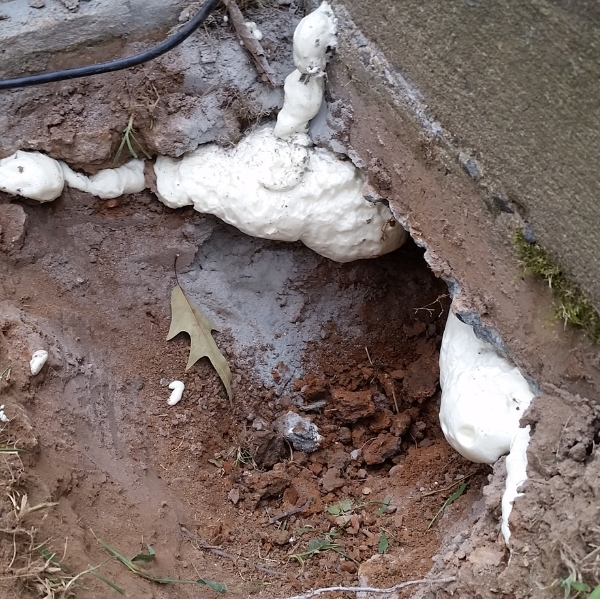
Foundation Soil Stabilization
Soil stabilization strengthens loose or weak soil by filling voids and improving density beneath the foundation. LUX uses professional-grade polyurethane foam void-filling materials designed for Florida’s sandy terrain, creating a stronger, more reliable base that reduces settlement and helps your foundation stay stable over time.
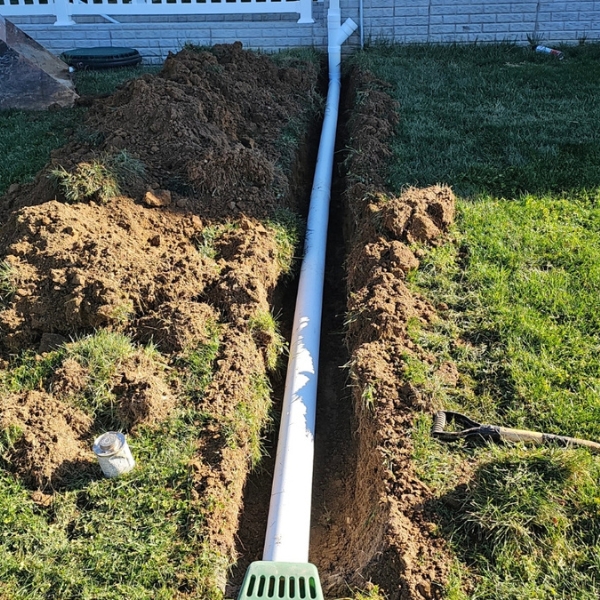
Drainage Solutions
Drainage improvements help prevent soil from becoming oversaturated and soft. LUX installs French drains, downspout extensions, and grading adjustments to move water away from the home. These systems prevent the moisture imbalance that often follows insufficient soil preparation or a failed soil test for foundation needs.
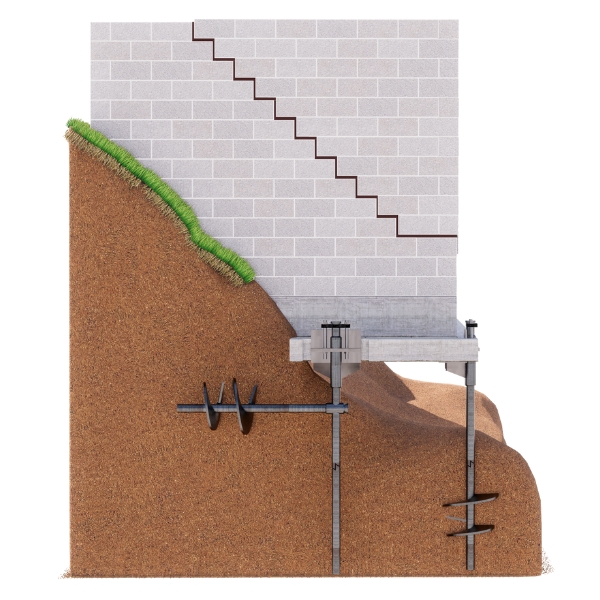
Helical Tiebacks
When poor soil compaction causes lateral pressure or shifting around the foundation, helical tiebacks help anchor and reinforce affected walls. LUX installs these steel anchors to provide added stability and resist soil movement—an effective solution in Florida where sandy soils can easily shift during heavy rain.
Each of these solutions helps restore stability when poor soil compaction weakens your home’s foundation. LUX Foundation Solutions’ trained soil compaction contractors will assess your property, identify the exact cause of settlement, and recommend the most effective repair for long-term protection in Florida’s challenging soil conditions.
Schedule Your Free Foundation Assessment Today
Poor soil compaction can slowly weaken your foundation, but early action makes all the difference.
LUX Foundation Solutions provides detailed assessments and engineered residential soil compaction services tailored to Florida’s sandy soils and moisture conditions. Our team identifies the source of settlement and recommends the right long-term fix for your home.
We proudly serve homeowners in Jacksonville, Gainesville, Ocala, Palm Coast, and St. Augustine. Call us today at 904-921-3589 to schedule your free foundation assessment and protect your home with solutions built to last.
Request a free Estimate
FAQs About Poor Soil Compaction in Florida
What are the effects of poor soil compaction in Florida homes?
Poor soil compaction can cause a foundation to sink or shift because the ground can’t support the load evenly. This is why poor compaction often leads to cracks, sloping floors, and soil pulling away from the foundation—common issues in Florida’s sandy, moisture prone soils.
What are the signs of poor soil compaction?
Common signs include new or widening cracks, uneven floors, sticking doors, gaps at the base of walls, and soil pulling away from the foundation. These issues appear when the ground beneath the home can’t support weight consistently, a frequent problem in Florida’s sandy terrain.
A soil compaction test for foundation conditions can help confirm whether weak soil is the cause of your home’s movement.
Will fixing poor soil compaction help protect my home long-term?
Yes. Once the foundation is stabilized and the supporting soil is strengthened or reinforced, your home gains long-term protection against sinking, structural stress, and continued movement. The right solution prevents recurring issues and protects your home’s value.
What should I do if my Florida home is already showing settlement from poor soil compaction?
If you see cracks, sloping floors, or other settlement signs, schedule a foundation assessment as soon as possible. LUX Foundation Solutions can evaluate the soil conditions, identify the cause, and recommend the right repair, such as piering, soil stabilization, or drainage improvements.