Written By Bridget Stieb, Director of Marketing at LUX Foundation Solutions • Reviewed by LUX’s foundation repair specialists serving Northern Virginia & Florida
If your home has foundation problems, you are probably asking the same question most homeowners worry about before making any repair decision: will fixing this actually be worth it?
That concern is valid. Foundation repair is not cheap, and the last thing you want is to spend thousands of dollars only to find out it did not move the needle on your property value. The truth is, it depends on what the damage is to your home’s foundation, what type of repair is done, and how well that repair is documented.
This guide answers the question directly: how foundation repair affects your home’s value and what buyers and appraisers actually look for, so you can make an informed decision about whether repair makes financial sense for your situation.
Key Takeaways
- Unrepaired foundation problems can significantly reduce your home’s market value, affect your appraisal, and limit the pool of buyers who can secure financing for your property
- Foundation repair does not automatically increase your home’s value above the market baseline. What it does is restore the value your home had before the foundation problem developed and remove the single biggest red flag affecting its marketability.
- The way foundation damage is repaired matters as much as the repair itself. Work done by a licensed contractor with proper permits and a transferable warranty carries significantly more weight with buyers, appraisers, and lenders than unpermitted or undocumented repairs.
- Foundation damage can become more serious over time as changing soil conditions and moisture continue to affect your home. Addressing the problem early can help limit additional damage and repair costs.
- If you are planning to sell, unresolved foundation problems give buyers leverage to push for price reductions that often exceed the actual cost of repair. Completing the repair first puts you in a stronger negotiating position and protects your home’s resale value.
How Foundation Problems Affect Home Value
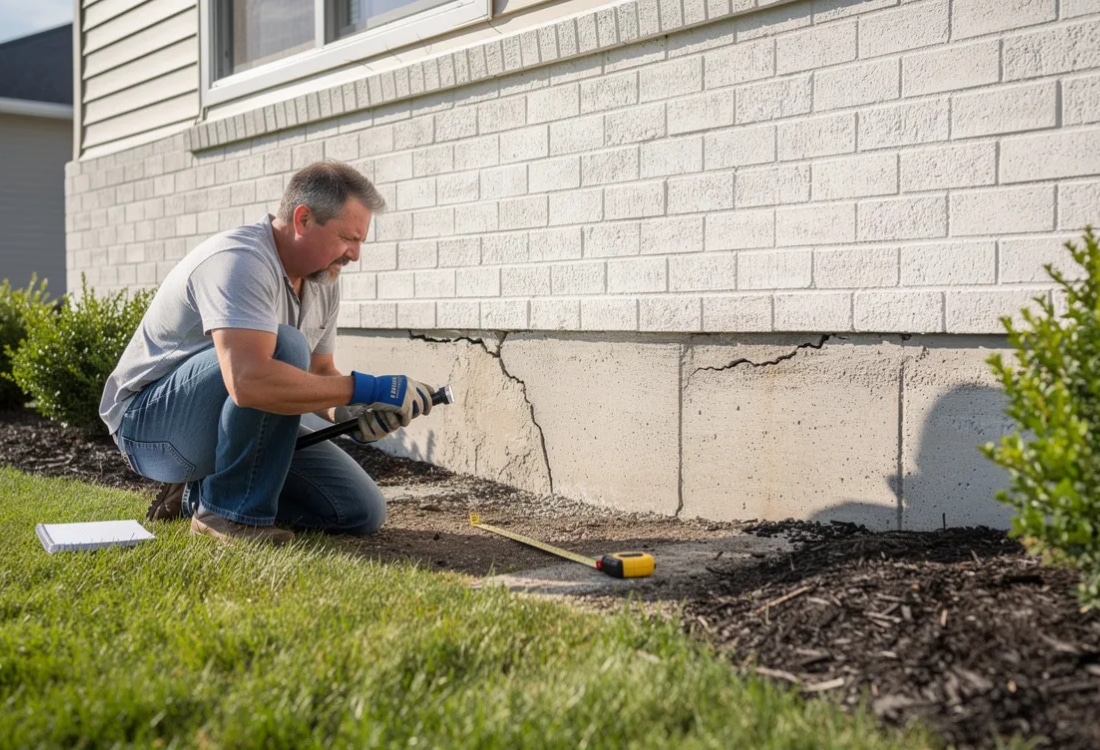
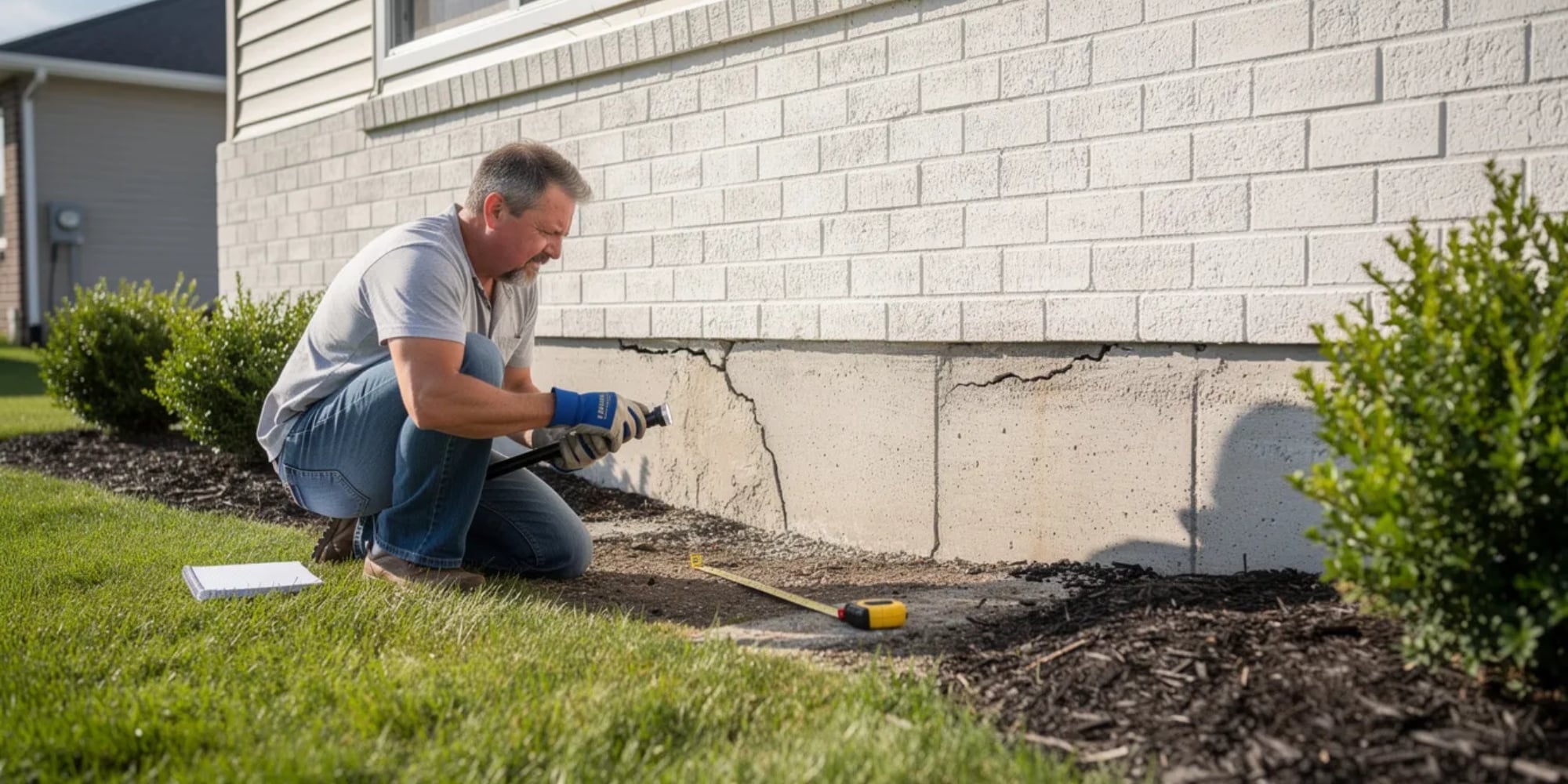
The moment a home inspector flags foundational issues, everything changes. Buyers get nervous. Lenders start asking questions. And the value you expected to get for your home starts shrinking before a single offer arrives.
Foundation problems can negatively affect your home’s market value depending on the severity of the damage. Here is exactly where that impact shows up:
- Buyer confidence drops immediately. Most potential buyers walk away or use the problem as leverage to push for price reductions that often exceed the actual repair cost.
- Lender financing gets complicated. Many lenders offering conventional, FHA, and VA loans will not approve financing for a home with known structural issues, which limits your buyer pool to cash buyers and renovation loan borrowers.
- Your appraisal takes a hit. Foundation problems that show up in an appraisal report reduce your assessed value regardless of whether you plan to sell, refinance, or apply for a home equity line of credit.
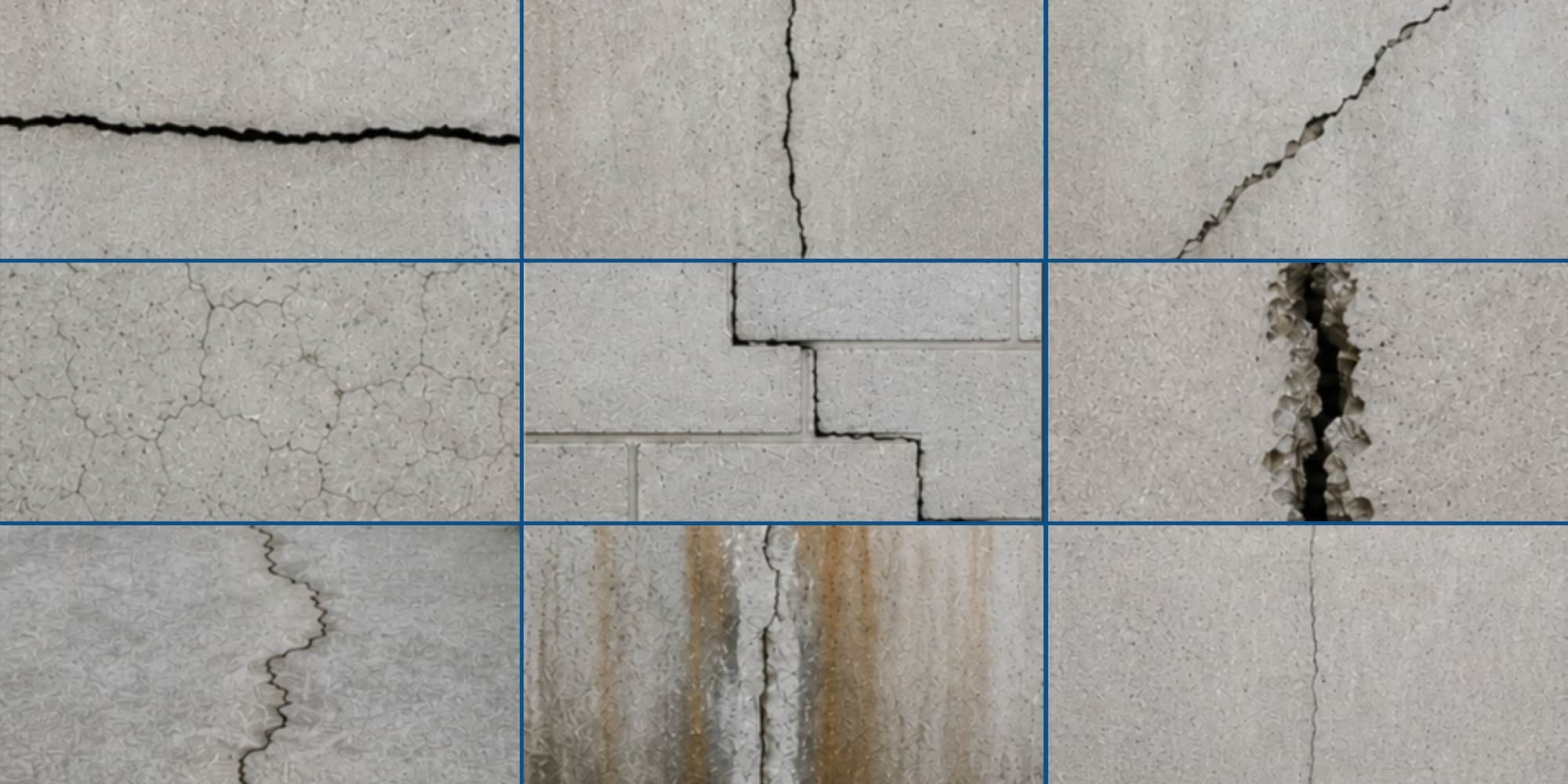
- The damage compounds over time. Soil movement and moisture pressure continue working against your home every season. Timely repairs cost significantly less and cause far less disruption than repairs that have been left to worsen over multiple seasons. Signs like uneven floors, cracked walls, and sticking doors that buyers notice during a walkthrough create immediate doubt about the home’s condition.
Does Foundation Repair Increase Home Value or Restore It?
This is the question most homeowners do not get a straight answer to, so here it is.
Foundation repair does not increase your home’s value above the market baseline the way a kitchen remodel or a bathroom upgrade does. What it does is restore the value your home had before the foundation problem developed. It removes the single biggest red flag affecting your home’s structural integrity, marketability, and appraised value.
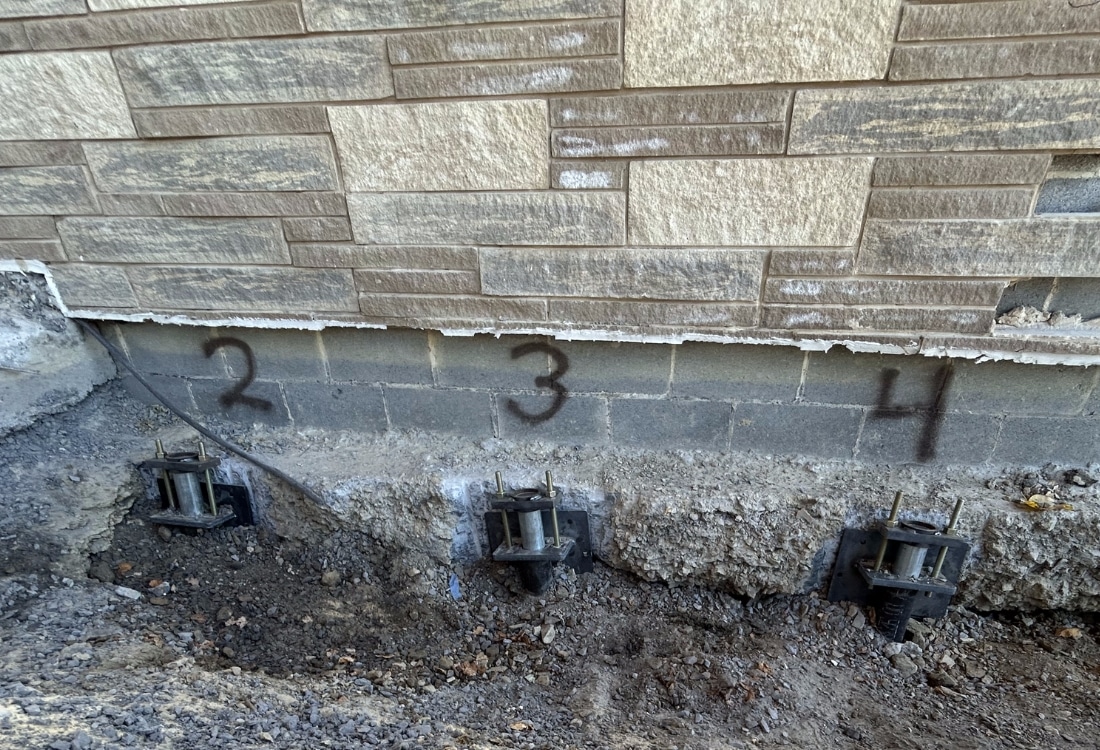
Think of it this way. Your home had a certain value before the foundation problem existed. The problem reduced that value. Repairing it brings your home back to where it was, not above it.
Many homeowners who go into foundation repair expecting a return similar to a renovation are often disappointed. They understand that repair protects and restores the equity they already built and are making a financially sound decision.
What Happens to Your Home Value After Foundation Repair
Once the foundation is repaired professionally and documented properly, the conversation with buyers, appraisers, and lenders changes completely. Here is what that looks like in practice:
1. Your home becomes financeable again.
Buyers using conventional, FHA, and VA loans can now qualify for financing on your property. That opens your buyer pool back up, increases competition for your home, and gives you negotiating leverage you did not have before the repair.
2. Your appraisal reflects the full value of your home.
A professionally repaired foundation with documented warranty coverage gives appraisers what they need to assess your home at its full market value. Without that documentation, the structural concern stays open in the report regardless of whether the work was done.
3. The inspection conversation changes.
Instead of a foundation problem being the centerpiece of a buyer’s inspection report, it becomes a resolved item with professional documentation behind it. Buyers see a home in the expected condition they were promised, with documentation confirming the problem was professionally resolved. This helps reassure buyers and removes the concern they would inherit an unresolved issue.
4. Every other improvement you make holds its value.
A repaired foundation means the structural stress that was transferring into your walls, floors, and door frames stops. Cosmetic repairs hold. Renovations add value. Nothing you invest in after the repair is at risk of being undone by continued foundation movement.
5. A transferable warranty becomes a selling asset.
Most professional foundation repairs come with a transferable warranty. That warranty transfers to the buyer at closing, giving future buyers confidence that the repair is backed and that they will not be left with an unresolved structural problem after purchase.
Foundation Repair vs No Repair: What It Costs You
Here is something worth understanding before you make any decision. The cost of foundation repair is fixed. The cost of not repairing keeps growing.
Every season that passes without a repair means more soil movement, more moisture pressure, and more structural stress transferring into your walls, floors, and door frames. What costs a manageable amount to fix today becomes a more invasive and more expensive repair next year. And the year after that.
Beyond the repair cost itself, here is what you are actually choosing between:
| Factor | With Foundation Repair | Without Foundation Repair |
|---|---|---|
| Buyer pool | Full range of buyers including conventional, FHA, and VA loan borrowers | Limited to cash buyers and renovation loan borrowers |
| Appraisal | Reflects full market value with documented repair and warranty | Reduced to account for known structural issues |
| Inspection report | Foundation listed as a resolved item with professional documentation | Foundation flagged as an active concern requiring buyer attention |
| Negotiating position | You control the repair process, timeline, and contractor choice | Buyers use the problem as leverage for price reductions that often exceed repair cost |
| Secondary damage | Stopped at the source before it spreads to walls, floors, and door frames | Continues compounding every season until repaired |
| Resale timeline | Broader buyer pool typically means faster sale | Fewer eligible buyers means longer time on market |
| Long-term cost | Repair completed once at today’s cost | Repair becomes more invasive and expensive as damage progresses |
Does the Type of Repair Matter to Buyers and Appraisers?
Yes, and more than most homeowners realize.
Not all foundation repairs are equal in the eyes of a buyer, an appraiser, or a lender. The method used matters. Who did the work matters. Whether it was permitted matters. And whether there is a transferable warranty backing it up matters.
Here is what buyers and appraisers actually look for when reviewing a completed foundation repair:
1. Licensed and insured contractor.
Foundation work completed by a licensed, insured foundation repair specialist carries significantly more weight than repairs done by a general contractor or without proper credentials. It tells buyers the right person diagnosed the problem and applied the right solution.
2. Proper permits.
Permitted work creates a paper trail that confirms the repair was reviewed and approved. Unpermitted repairs raise the question of whether the work meets building code, which can create complications with lenders and appraisers even when the repair itself was done correctly.
3. Documented repair method.
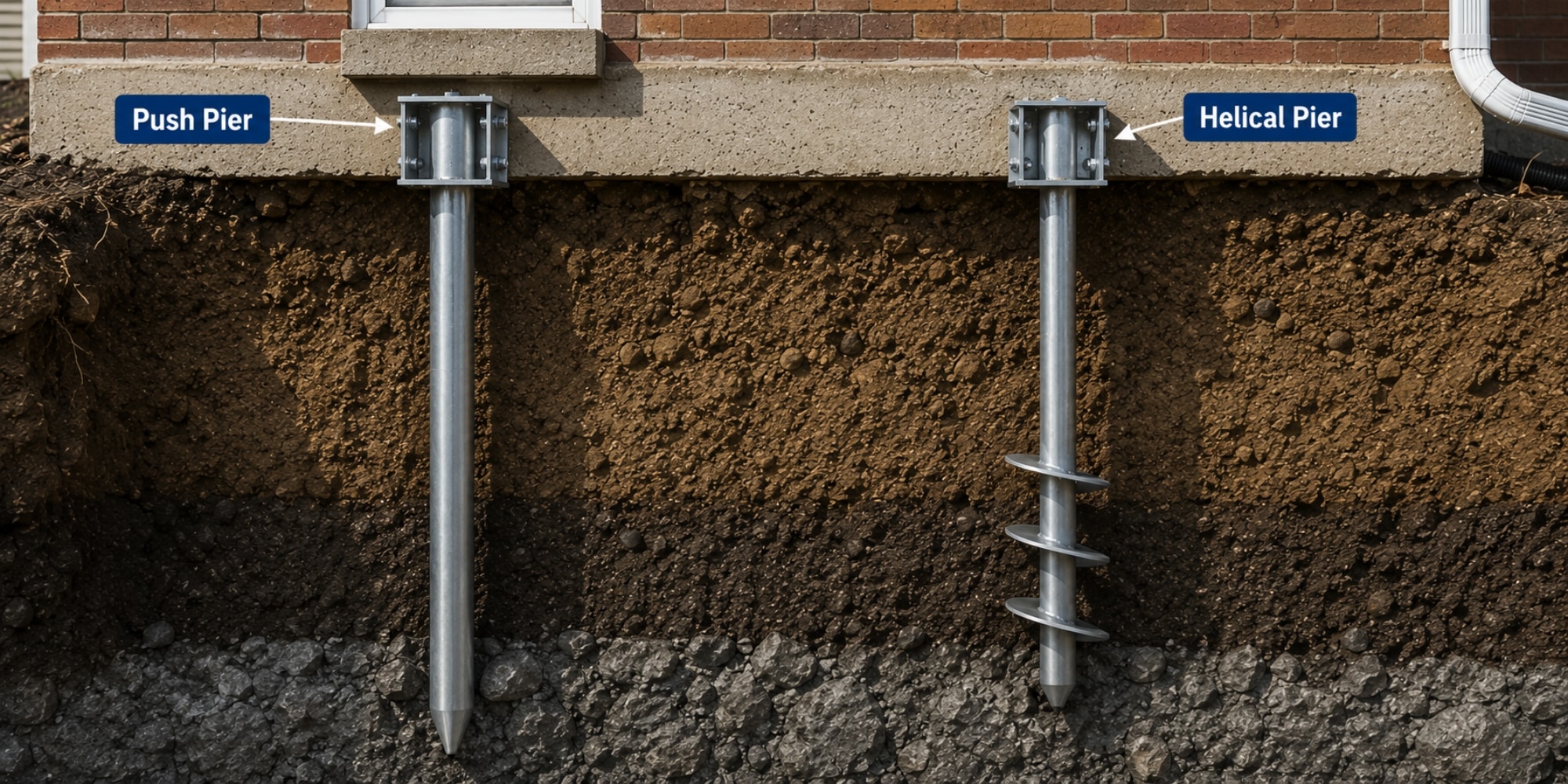
Modern repair methods such as push piers, helical piers, and carbon fiber wall reinforcement are recognized by appraisers and lenders as legitimate permanent solutions. They come with structural engineer approval, engineering backing, and manufacturer specifications that support the repair’s credibility.
4. Transferable warranty.
A warranty that transfers to the next owner at closing is one of the strongest confidence signals a seller can offer. It tells buyers they are not inheriting a risk. They are inheriting a documented, backed solution. If your repair checks all four of these boxes, it becomes a selling asset rather than a disclosure liability.
Should You Repair Your Foundation Before Selling Home?
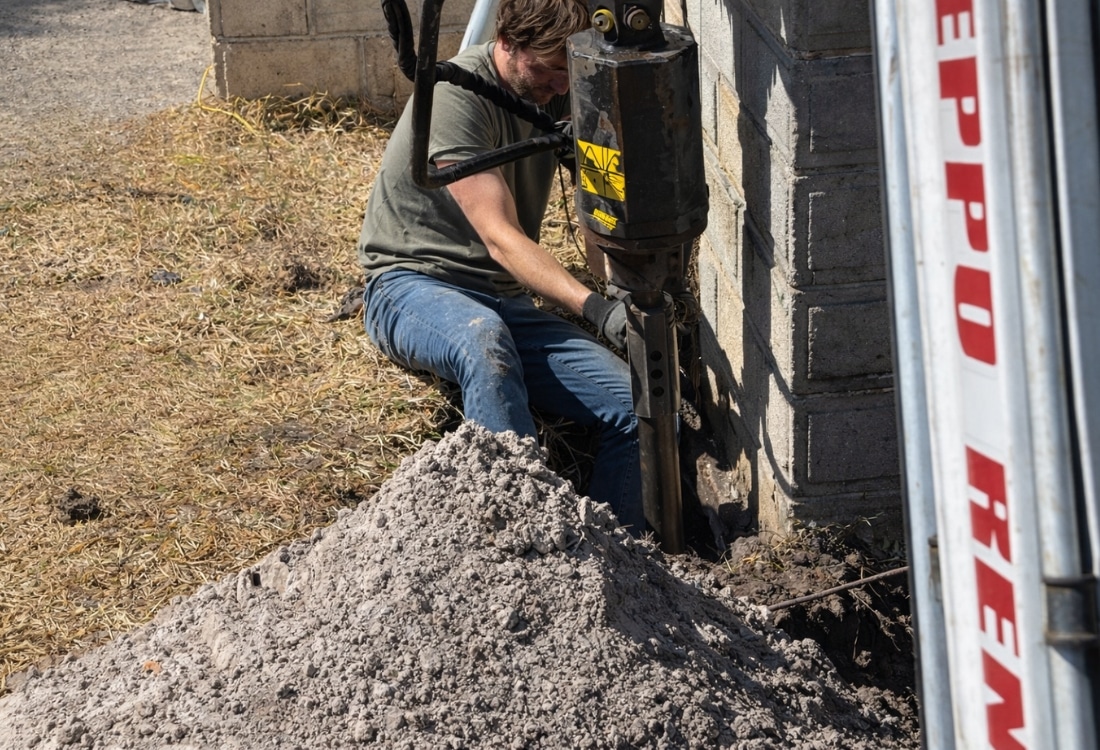
For most homeowners, yes. But the right answer depends on four things specific to your situation.
- How severe is the damage?
Minor issues like hairline cracks or early-stage settling may not significantly affect your asking price if disclosed properly. Structural problems like bowing walls, significant settlement, or active water intrusion are a different story. These are the issues that stop financing, reduce appraisals, and give buyers the most leverage to push your price down. If the damage is structural, repairing before listing is almost always the financially stronger move, especially in competitive markets where buyers have more options - How much time do you have?
Foundation repair takes time. If you are working against a tight relocation deadline or a contingent purchase, speak with a foundation specialist about the realistic timeline before deciding how to approach the selling process. In most cases, sellers who repair before listing recover more than those who discount. - What is the rest of your home worth?
If your home is in otherwise good condition, an unresolved foundation issue becomes the centerpiece of every buyer conversation. If your home is already a fixer-upper or you are considering selling as is, buyers may factor it into their offer at a steep discount. The stronger your home’s overall condition, the more a foundation problem stands out and the more it costs you at the negotiating table. - Can you document the repair properly?
In many states, disclosing known foundation problems to buyers is legally required. A repair that cannot be documented- no permit, no warranty, no licensed contractor- may create more buyer hesitation than the original problem did. If you are going to repair, do it right. Start with a professional foundation inspection to understand the full extent of the damage before any work begins. Proper documentation is what turns the repair from a disclosure into a selling point.
Get a Free Foundation Assessment and Find Out Where Your Home Stands
If you have noticed signs of foundation problems in your home, waiting only makes it worse. Every season without a repair means more damage, more cost, and less control when you eventually sell or refinance.
LUX Foundation Solutions provides free assessments for foundation repair across Jacksonville, St. Augustine, Gainesville, Ocala, Palm Coast, and surrounding areas in Northern and Central Florida. Our team inspects your foundation, explains what we find, and gives you a clear picture of your repair options and what each means for your home’s long-term value.
Call 904-921-3589 or schedule your free foundation assessment online to get started.
ABOUT THE AUTHOR

Frequently Asked Questions
Does foundation repair increase home value or restore it?
Foundation repair restores your home’s value rather than increasing it above the market baseline. When a foundation problem develops, it reduces the value your home previously had. Professional repair removes that reduction and brings your home back to where it was before the problem existed. Think of it as protecting the equity you already built rather than creating new equity above it.
How much can foundation issues reduce home value?
The impact depends on the severity of the damage. Minor foundation issues affect buyer confidence and negotiating leverage. Structural problems have a more significant effect, limiting your buyer pool, reducing your appraised value, and preventing many lenders from approving financing for the property. The more serious the damage, the greater the reduction in marketability and value.
Will a bank finance a home with foundation problems?
Many lenders will not approve conventional, FHA, or VA financing for a home with known structural issues. Lender requirements vary, but structural condition is a standard factor in the appraisal and underwriting process. That means fewer buyers, less competition, and less leverage when it matters most. A professionally completed and documented foundation repair typically restores full financing eligibility.
Does foundation repair affect a home appraisal?
An unresolved foundation issue noted during an appraisal may reduce your home’s value, whether you’re preparing to sell or refinance. A professionally repaired foundation with documented warranty coverage gives appraisers what they need to assess your home at its full market value.
Can you sell a house with foundation issues?
Yes, but it comes with real costs. Buyers who are willing to proceed with a known foundation problem will typically factor the repair cost into their offer, often discounting more than the actual repair cost to account for uncertainty and inconvenience. Some buyers will walk away entirely. Others will be unable to secure financing. Repairing before listing gives you a stronger position and a broader buyer pool.
Is foundation repair worth it before selling?
In most cases, yes. Professional foundation repair often costs less than the financial impact of a lower resale value, reduced buyer interest, and further damage caused by delaying repairs. The exception is when the damage is minor, the home is already priced to reflect its condition, or the seller is working against a timeline that does not allow for proper repair and documentation.