
Insulation Falling in Crawl Space
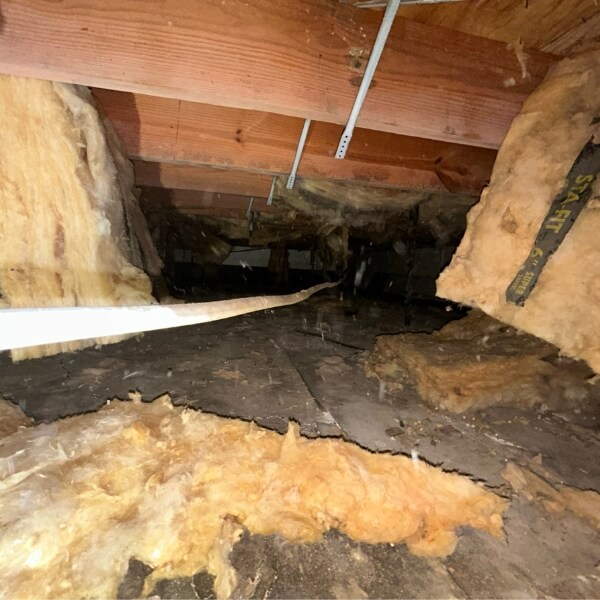
When insulation begins to sag or drop in your crawlspace, it’s often a sign of trapped moisture, high humidity, or improper installation. Florida’s climate makes this happen faster, and catching it early helps you avoid mold, odors, and floor damage.
How Falling Crawl Space Insulation Starts Bigger Problems in Florida Homes
When insulation begins to fall from the floor joists, it’s usually a sign that moisture has been building up in the crawlspace for a while.
In Florida’s humid climate, insulation absorbs moisture like a sponge, becoming heavy, soggy, and unable to stay in place. Once it falls, your floors lose protection, allowing warm, wet air to rise into the home and creating conditions for mold, wood rot, and musty odor.
LUX Foundation Solutions identifies why the insulation is failing and guides you toward the right fix.
Now, let’s look at the specific Florida conditions that cause insulation to fall.
What Causes Insulation to Fall in a Crawl Space?
Florida’s climate creates the perfect conditions for crawlspace insulation to loosen, absorb moisture, and eventually fall. Below are the main factors that make this problem occur more frequently and earlier in Florida homes.
High Humidity
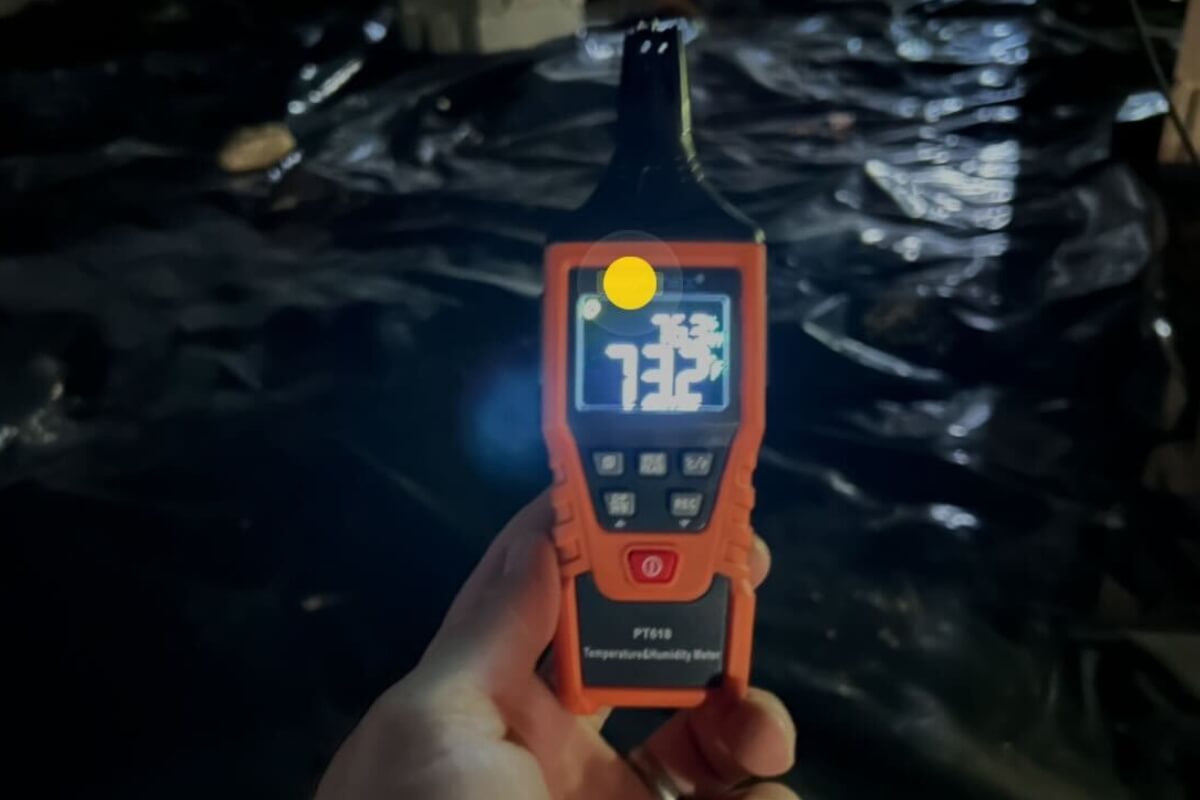
Florida’s humidity quickly saturates fiberglass insulation, making it heavy and causing it to sag or fall from between the joists. Once the insulation absorbs moisture, it loses its effectiveness, traps odors, and creates the perfect environment for mold growth under your home.
Stormwater and Wet Soil Beneath the Home
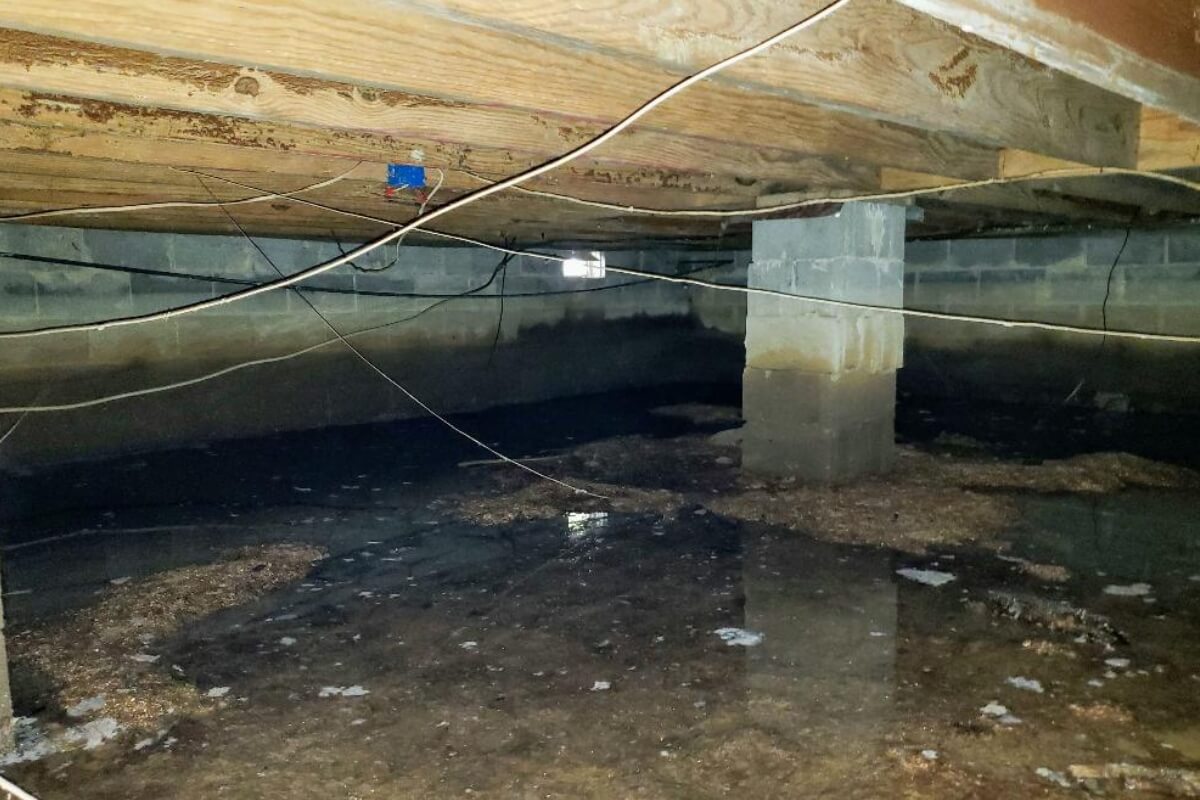
Florida storms send large amounts of moisture into and around your crawlspace. When insulation gets wet during storms, it loses strength and begins to collapse. If you notice musty smells or softer floors after heavy rain, moisture is likely weighing your insulation down.
Poor Crawl Space Ventilation
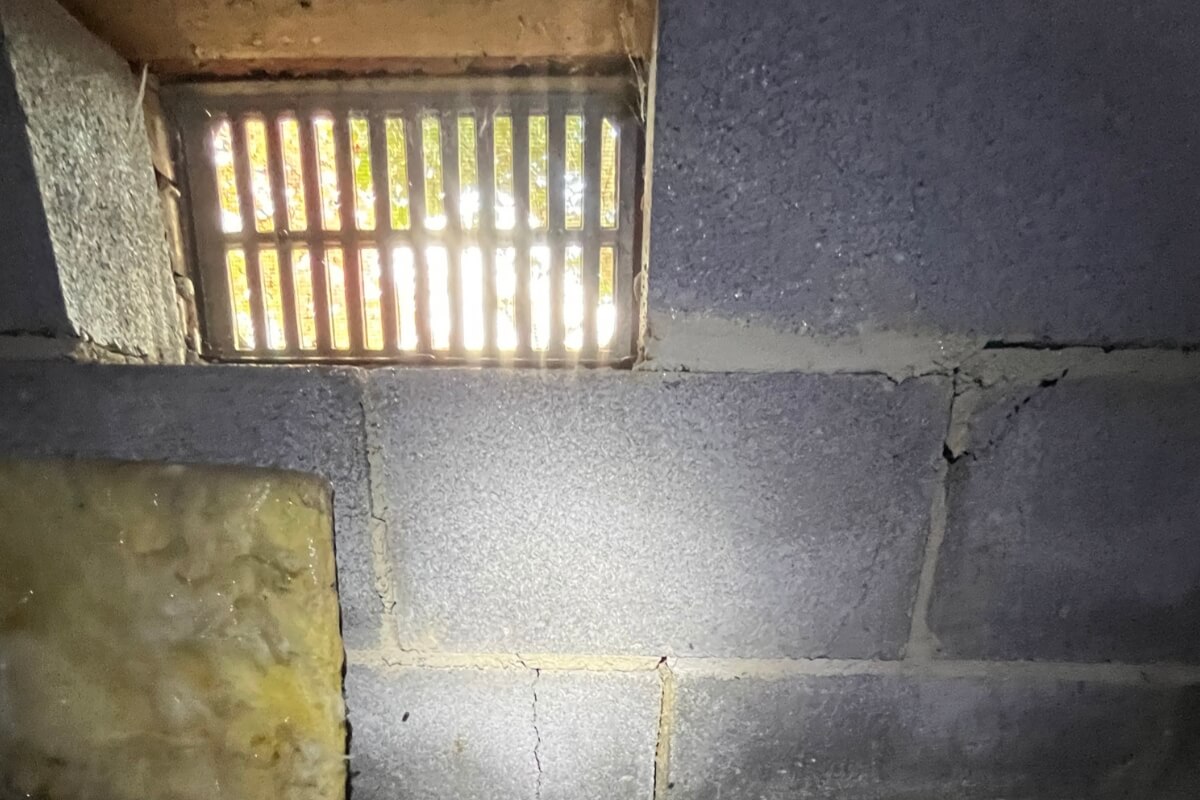
Open or poorly sealed crawlspaces let Florida’s humid air and rain rush inside. That trapped moisture keeps insulation wet, making it sag and fall. If your crawl space feels sticky, damp, or muggy, the poor ventilation is causing your insulation to deteriorate quickly.
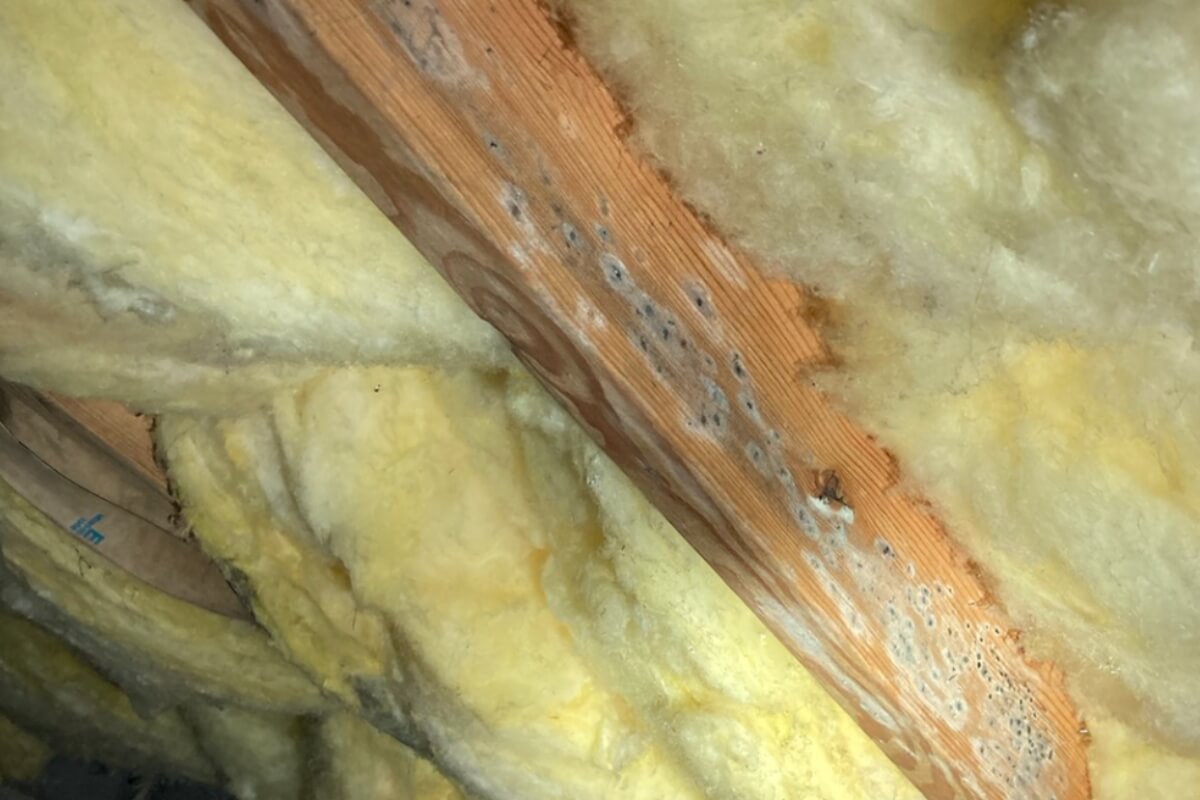
Pest Activity in the Crawl Space
Rodents and insects love nesting in crawl space insulation, especially in Florida’s warm climate. As pests chew, tear, and move the insulation, it loosens and drops. If you hear scratching or see droppings, pests may be pulling your insulation out of place.
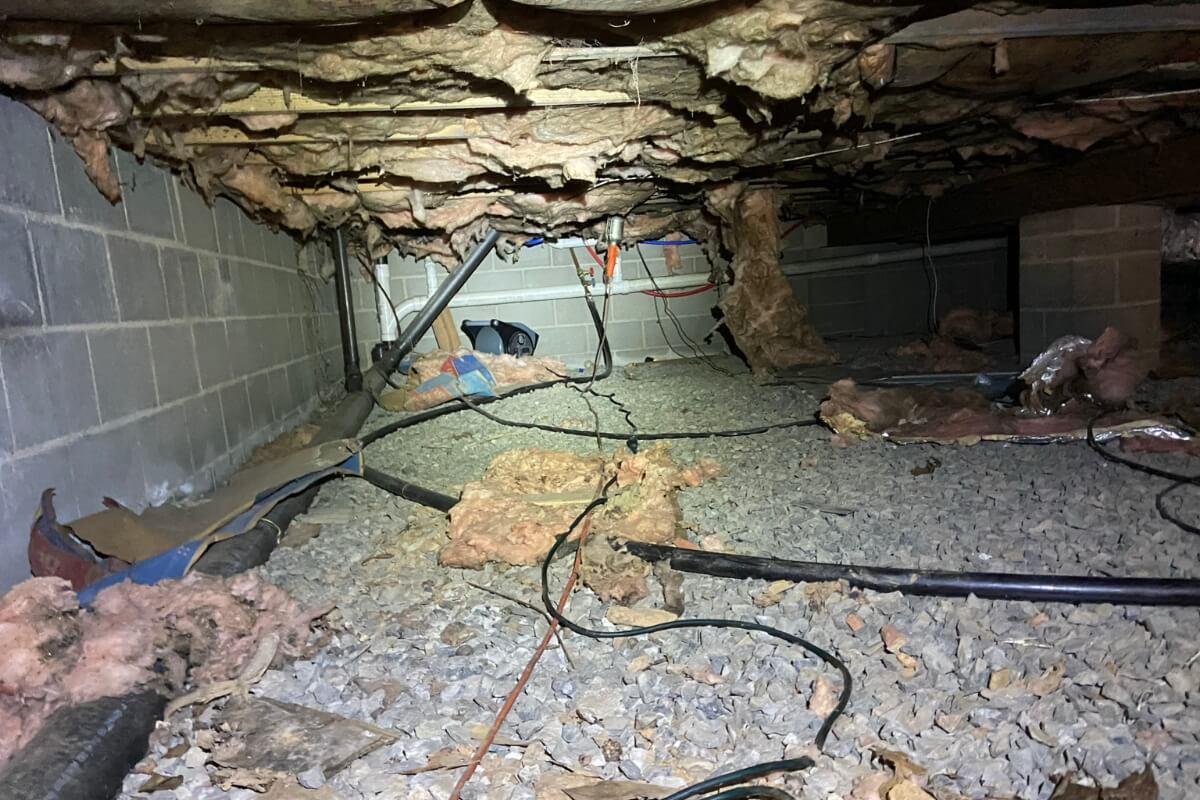
Aged or Low-Quality Insulation
Older or low-quality insulation breaks down much faster in Florida’s humid climate. As it absorbs moisture, it becomes heavy, sagging, and eventually falls onto the crawlspace floor. If your home is older or has never been updated, failing insulation is a likely culprit.
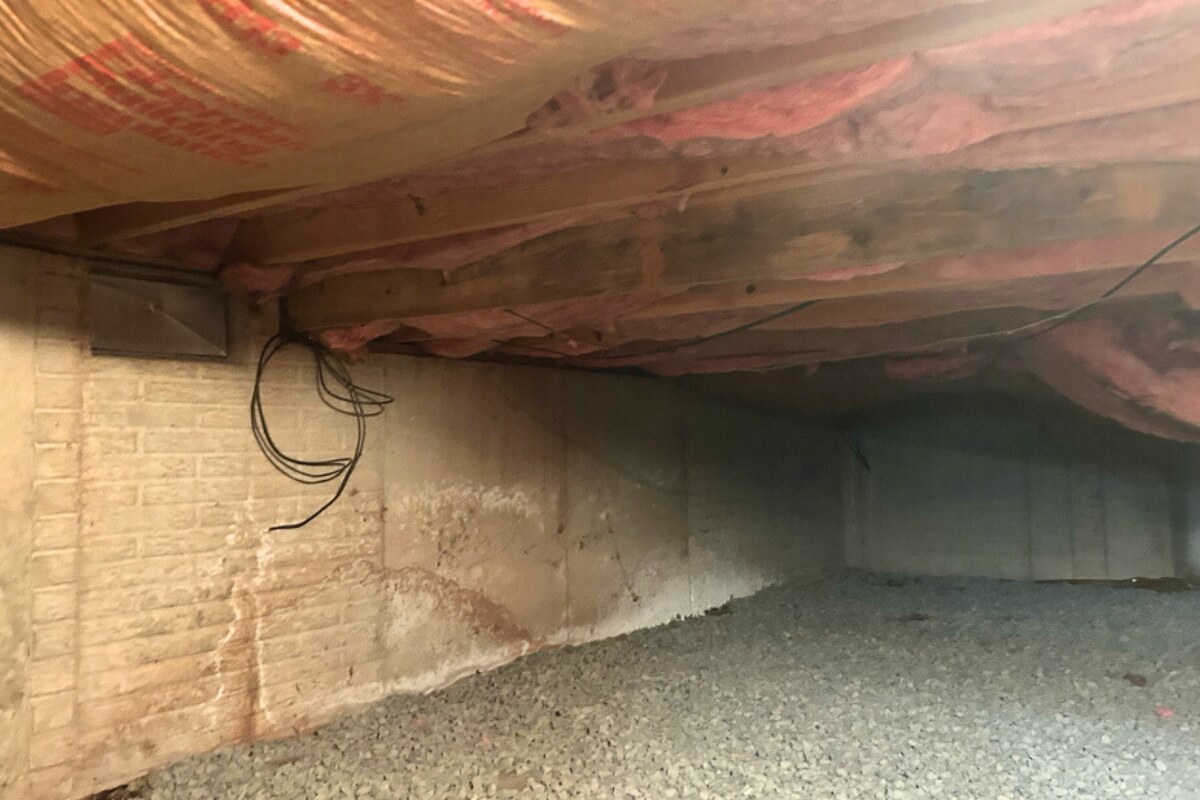
Exposed Dirt Floor or No Vapor Barrier
When your crawlspace has an exposed dirt floor, moisture from Florida’s humidity rises directly into the insulation above. Without a vapor barrier, humidity soaks the material, weakening it until it falls. If you see exposed soil, moisture from below is damaging your insulation.
When these Florida conditions combine, insulation can’t stay in place, and it begins to affect your comfort, air quality, and energy bills. LUX Foundation Solutions identifies the root cause and guides you toward permanent repairs that stop moisture and protect the structure long-term.
Proven Solutions to Stop Falling Crawl Space Insulation in Florida Homes
Falling insulation won’t correct itself, especially in Florida’s humid, moisture-heavy climate. LUX Foundation Solutions installs long-term repair systems designed to stabilize the crawlspace, control humidity, and keep insulation securely in place so your floors stay comfortable and protected year-round.
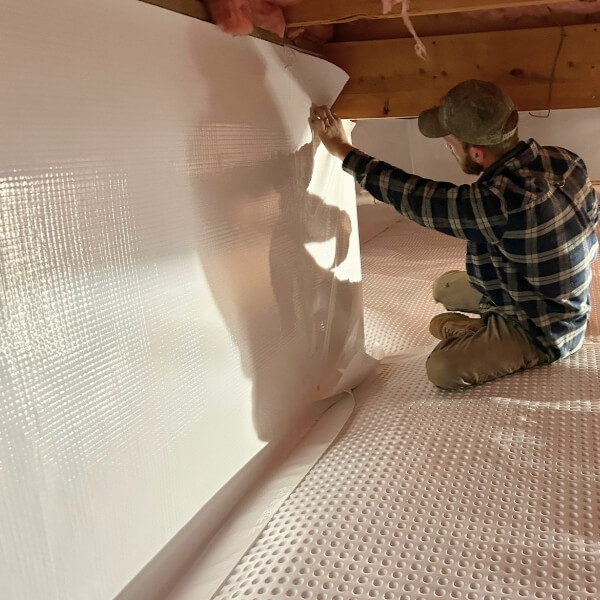
Crawl Space Encapsulation
Encapsulation seals the entire crawl space to block moisture, leaks, and vapor that soak insulation. LUX installs vapor barriers, sealed vents, drainage matting, and insulation boards to create a controlled environment. This solution works best when high humidity, exposed soil, or recurring leaks are causing insulation to fall.
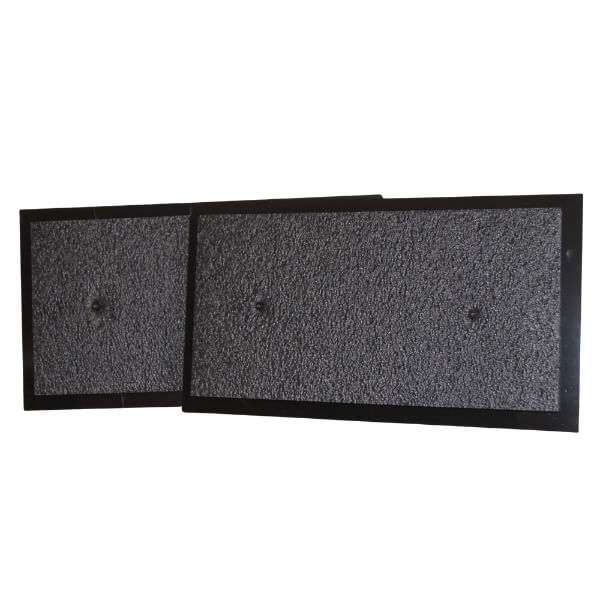
Crawl Space Vent Covers
Covering open vents stops Florida’s humid air from entering the crawlspace and soaking insulation. LUX installs insulated, air-tight covers that block moisture and pests, keeping the space drier and preventing insulation from sagging or falling. This is ideal for homes with open or aging vents.
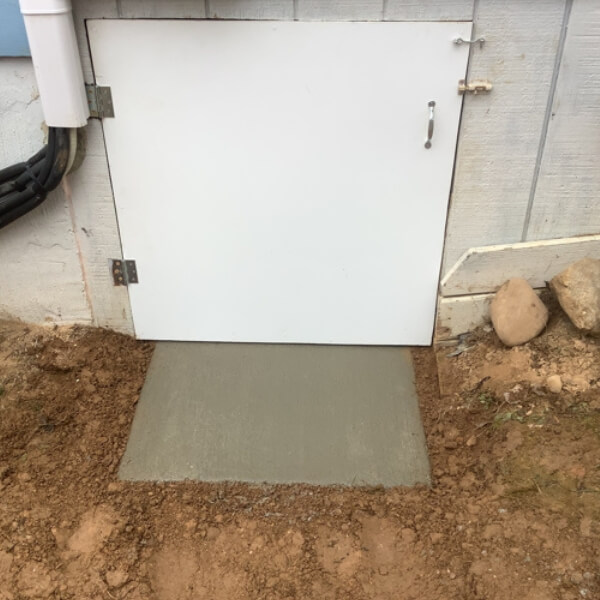
Crawl Space Door Installation
A sealed crawl space door keeps humid outdoor air from entering the space and soaking insulation. LUX installs moisture-resistant doors that help stabilize temperature and block pests. This fix is ideal when drafts, open gaps, or water intrusion near the entry point are causing insulation to loosen and fall.
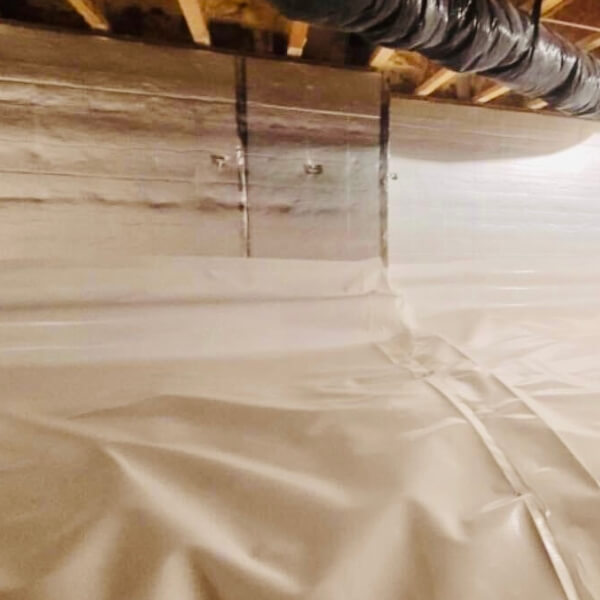
High-Quality Insulation Installation
Florida’s humidity requires insulation that won’t absorb moisture or fall. LUX replaces damaged materials with rigid insulation boards that hold up better in Florida’s humid crawlspaces. These boards don’t absorb moisture or sag as fiberglass does, and they attach securely to crawlspace walls.
These solutions work together to keep your crawlspace dry, stable, and protected in Florida’s humid climate. We will evaluate your crawl space and recommend the right moisture-resistant insulation and crawlspace upgrades to prevent insulation failure for good.
Protect Your Florida Home From Falling Crawl Space Insulation — Get a Free Assessment
Falling insulation is a warning sign that your crawlspace is holding too much moisture, pulling in outdoor air, or developing structural issues. If you’re seeing sagging insulation, addressing it now can prevent costly repairs later.
LUX Foundation Solutions provides Florida-specific crawlspace assessments and repair systems designed to stop moisture, stabilize the structure, and keep insulation securely in place. We proudly help homeowners in Jacksonville, Gainesville, Ocala, Palm Coast, and St. Augustine restore their crawlspaces to a dry, healthy condition.
Call 904-921-3589 today to schedule your free crawl space evaluation and get a custom plan to protect your home and keep your insulation working the way it should.
Request a free Estimate
FAQs About Falling Crawl Space Insulation in Florida
Why is the insulation falling in my Jacksonville crawl space?
In Jacksonville, humidity saturates fiberglass insulation until it becomes heavy, soggy, and unstable. Once the material absorbs moisture, gravity pulls it down.
LUX can assess the crawl space, identify moisture sources, and replace the insulation with materials designed for Florida’s climate.
Can falling insulation weaken floors in St. Augustine crawl spaces?
Yes. When insulation stays wet, it increases humidity and encourages wood rot, which can weaken joists and beams. St. Augustine’s damp climate speeds up this process. If you’re noticing sagging spots or soft floors, LUX can assess the structure before the damage spreads.
How do I keep insulation from falling in the crawl space in Ocala?
The best way to keep insulation from falling is to control moisture with encapsulation, vapor barriers, sealed vents, and dehumidification. Insulation board is also more stable than traditional batt insulation in Florida climates. LUX can recommend the right long-term solution for your home.
Is falling insulation a sign of moisture problems in Palm Coast crawl spaces?
Yes. In Palm Coast, coastal humidity and wet soil often saturate insulation, causing it to collapse. This usually signals a deeper moisture issue—not just old materials. LUX can assess the crawl space, fix moisture sources, and install long-lasting insulation solutions.