
FAQs About Falling Crawl Space Insulation in Florida
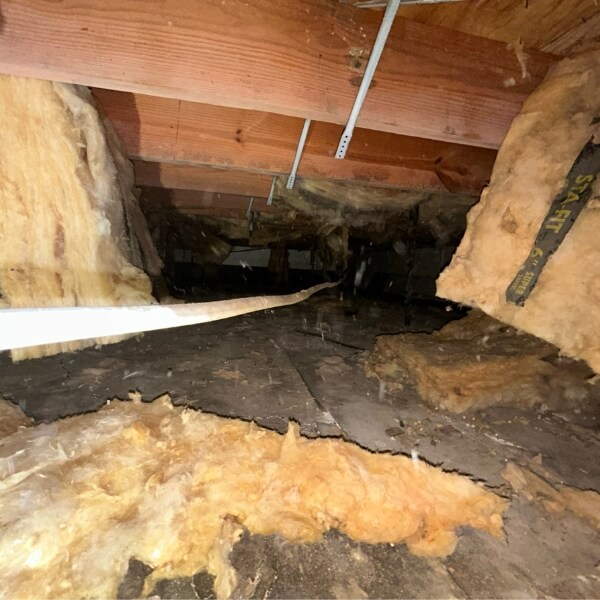
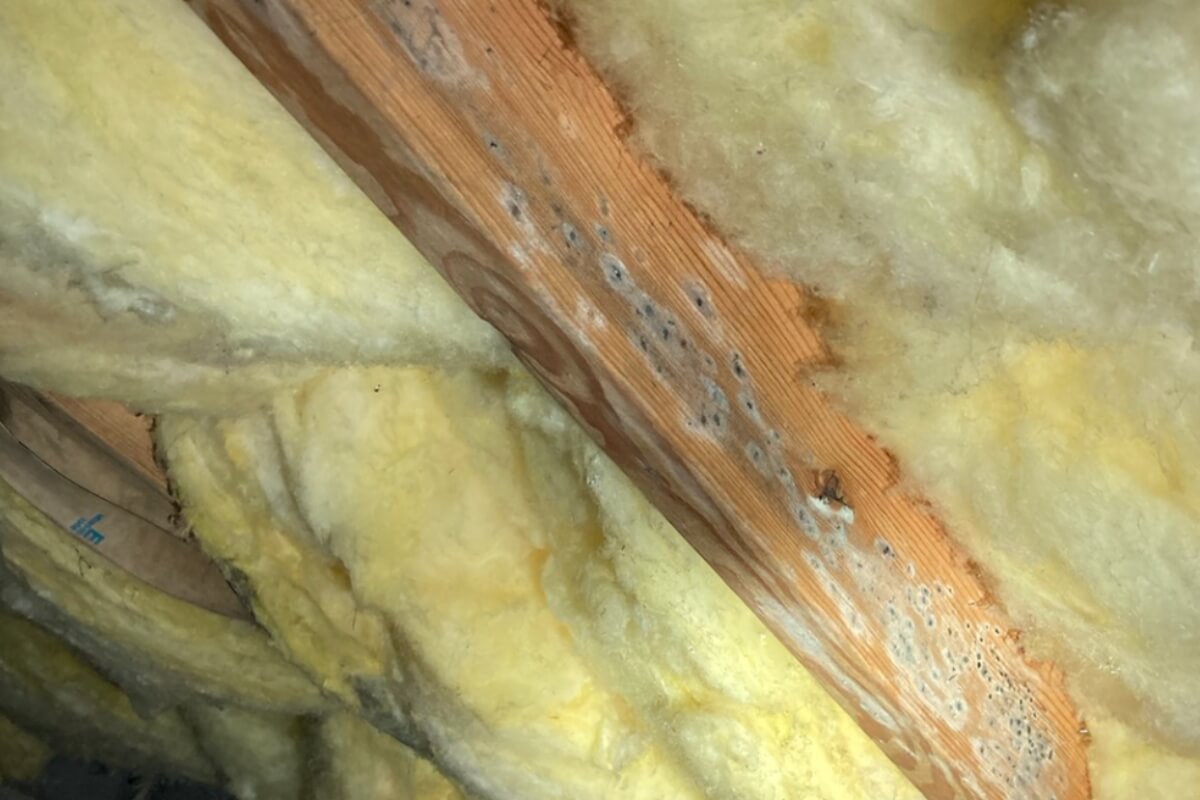
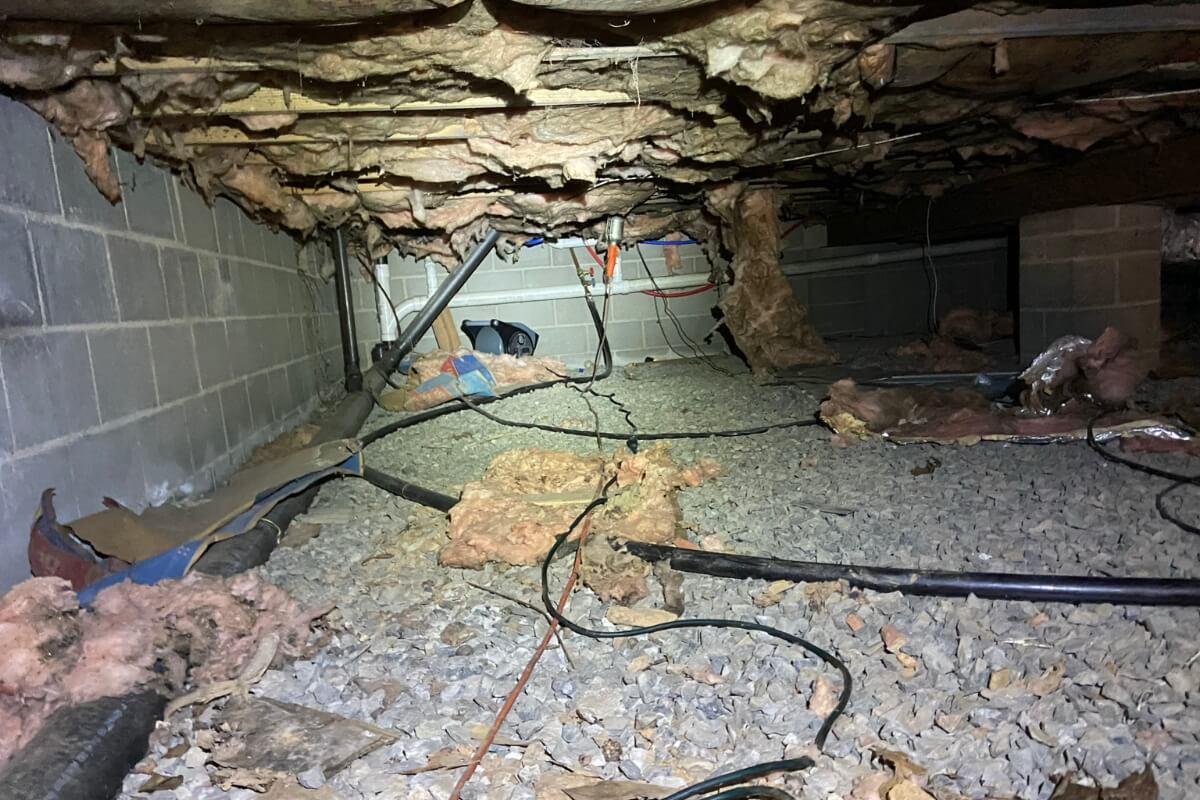
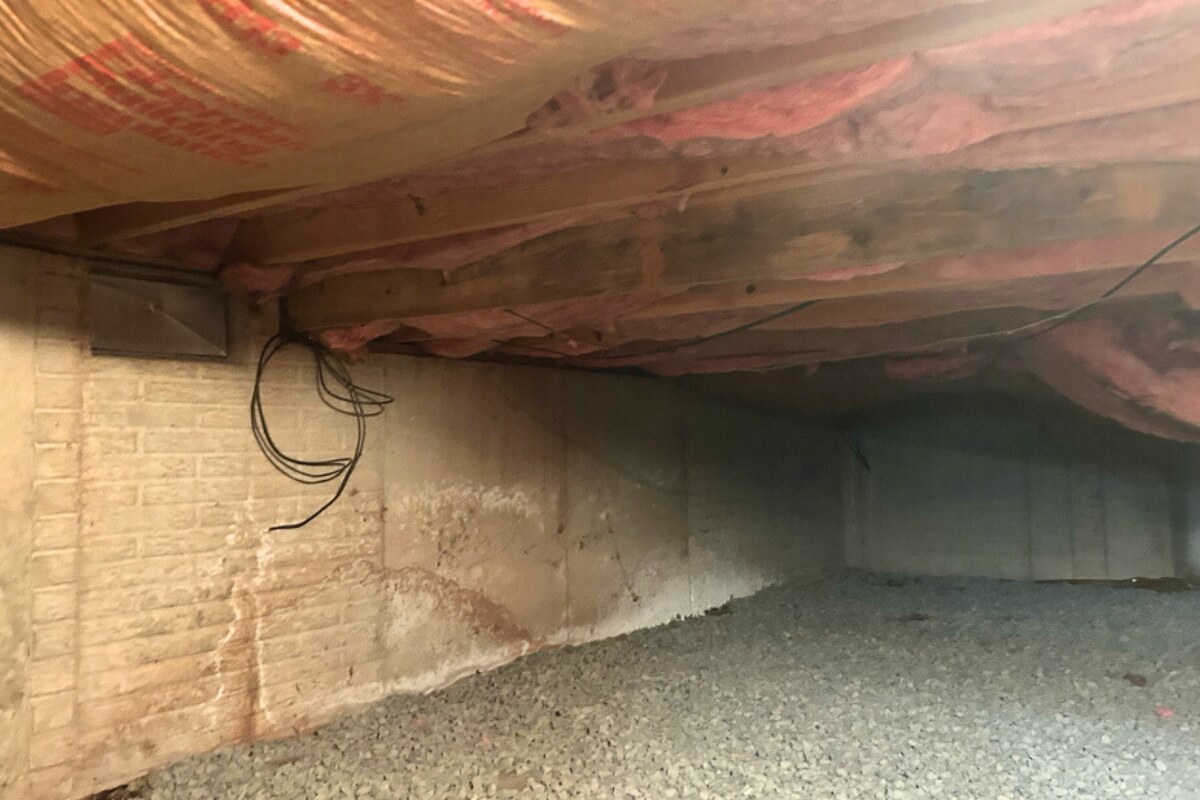
In Jacksonville, humidity saturates fiberglass insulation until it becomes heavy, soggy, and unstable. Once the material absorbs moisture, gravity pulls it down.
LUX can assess the crawl space, identify moisture sources, and replace the insulation with materials designed for Florida’s climate.
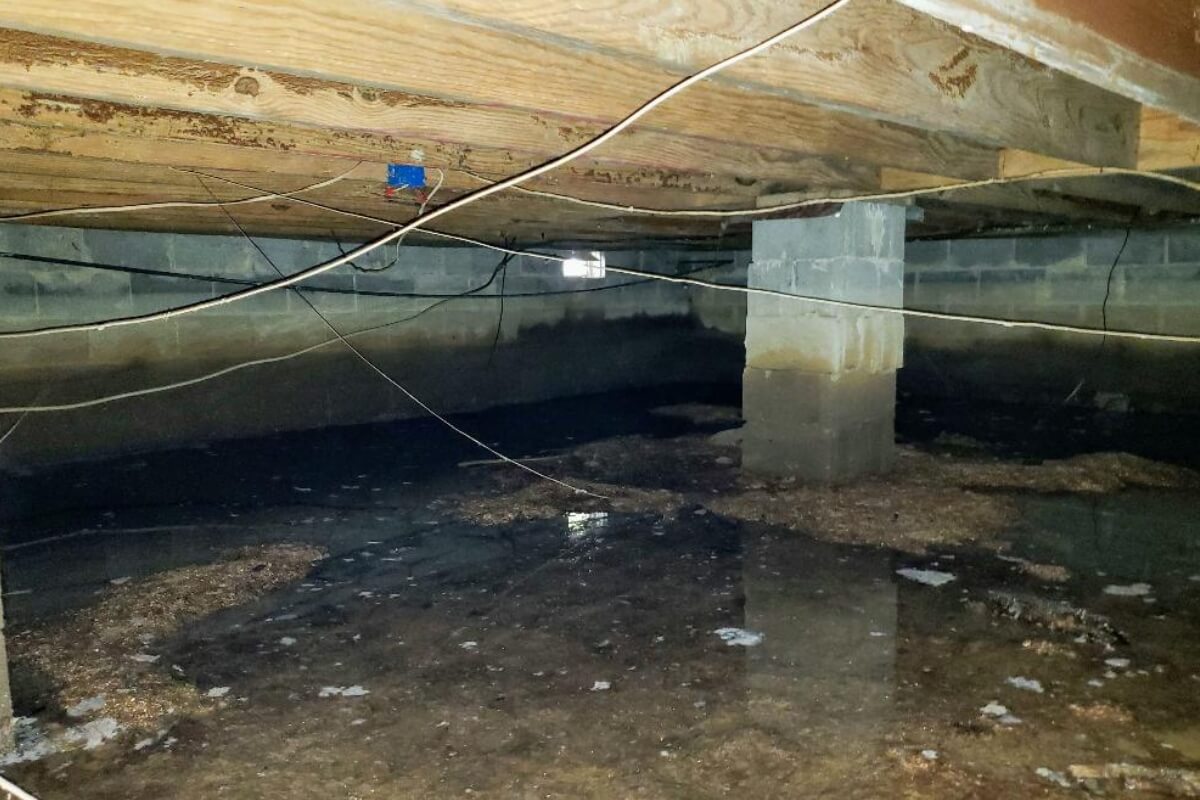
Yes. When insulation stays wet, it increases humidity and encourages wood rot, which can weaken joists and beams. St. Augustine’s damp climate speeds up this process. If you’re noticing sagging spots or soft floors, LUX can assess the structure before the damage spreads.
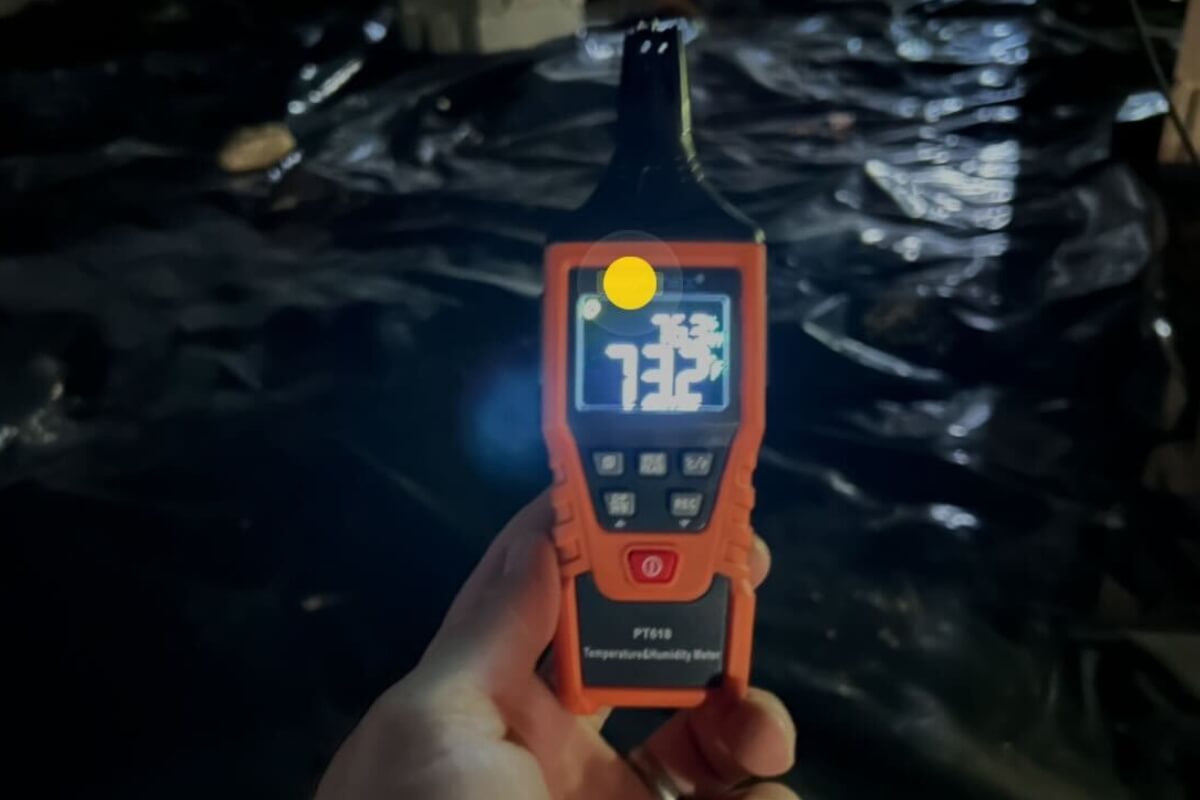
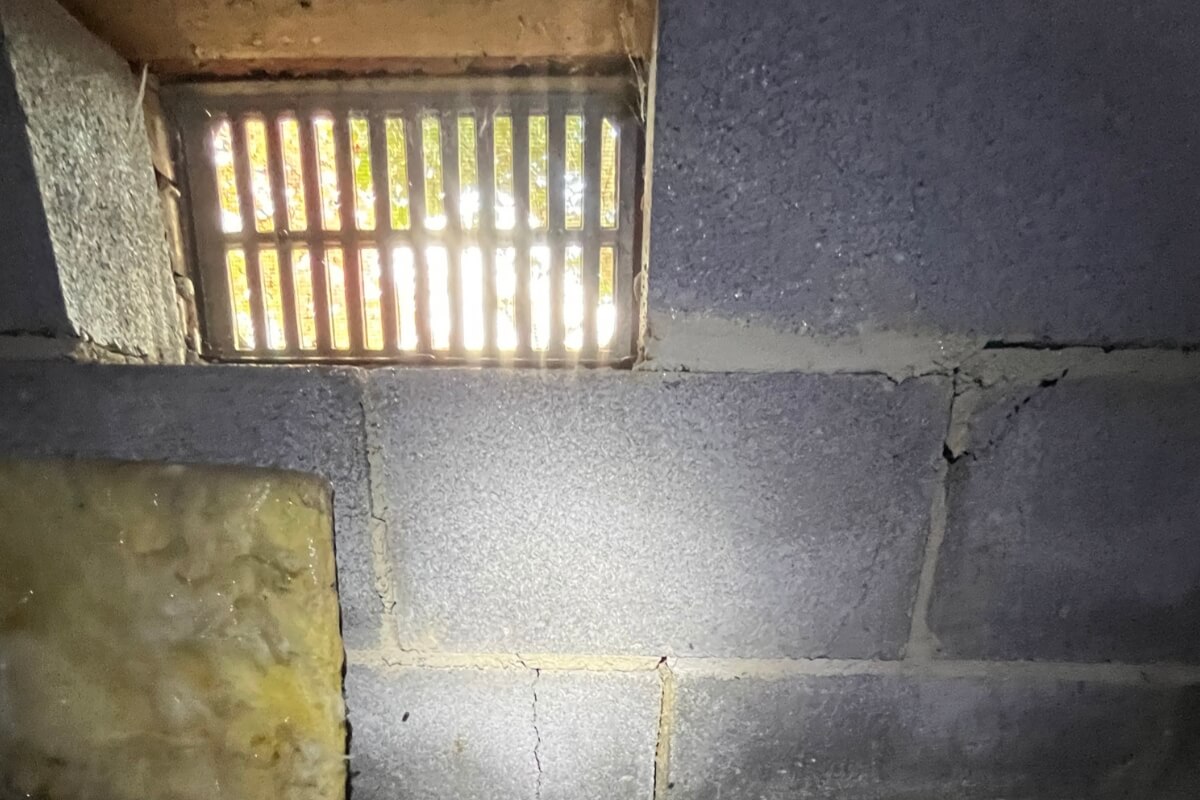
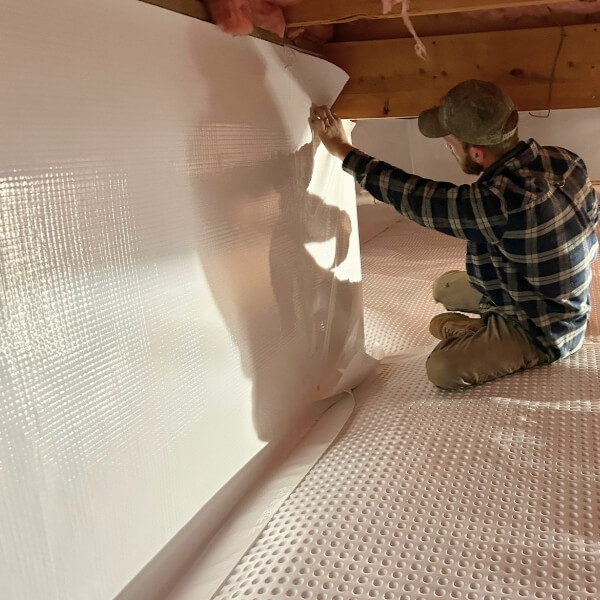
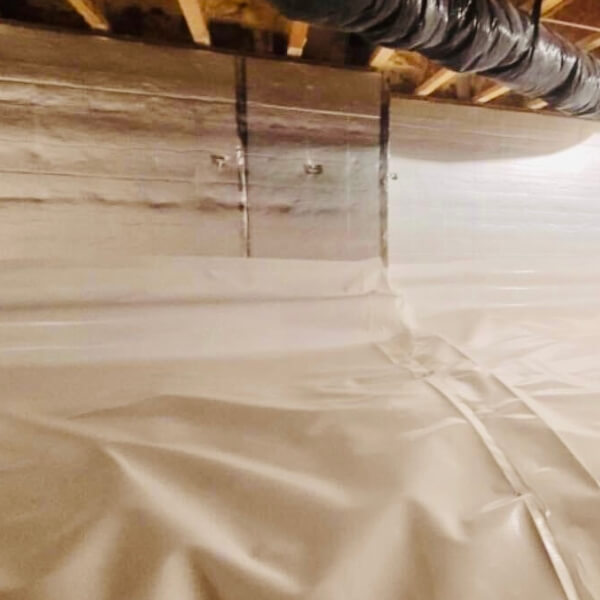
The best way to keep insulation from falling is to control moisture with encapsulation, vapor barriers, sealed vents, and dehumidification. Insulation board is also more stable than traditional batt insulation in Florida climates. LUX can recommend the right long-term solution for your home.
Yes. In Palm Coast, coastal humidity and wet soil often saturate insulation, causing it to collapse. This usually signals a deeper moisture issue—not just old materials. LUX can assess the crawl space, fix moisture sources, and install long-lasting insulation solutions.