
FAQs About High Moisture in Crawl Spaces in Florida
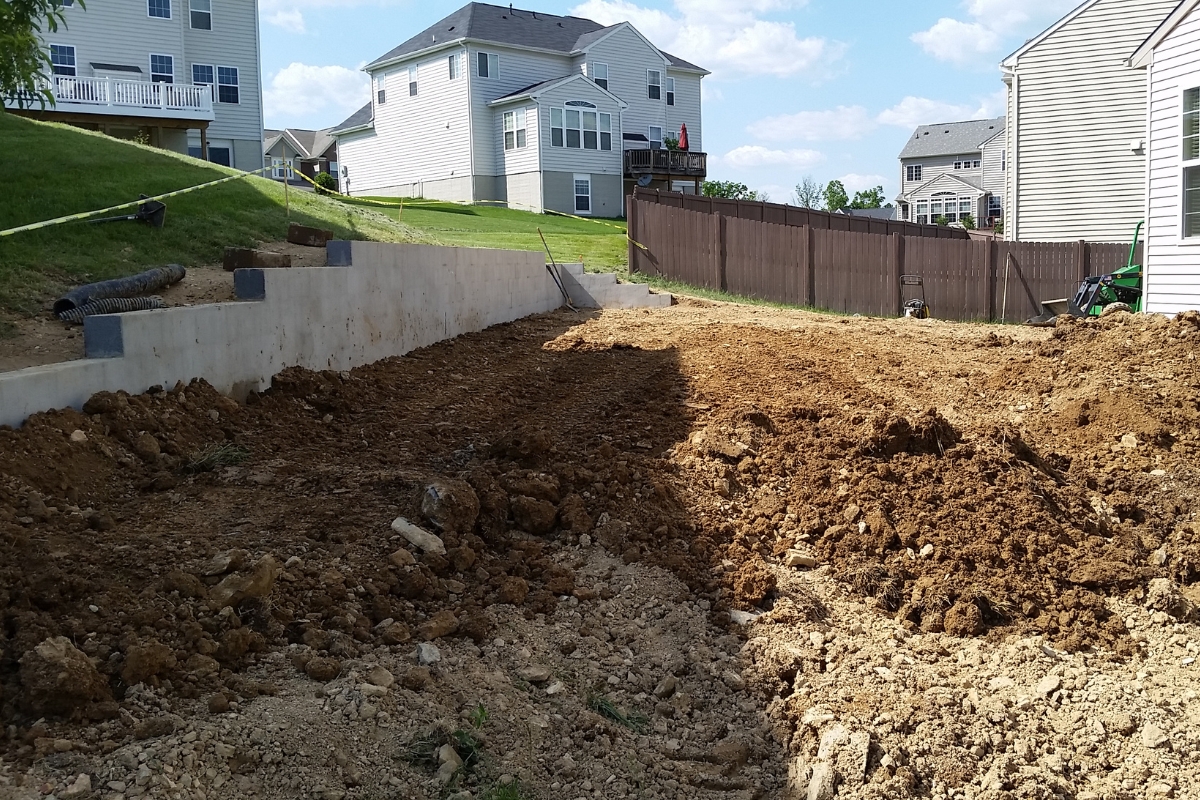
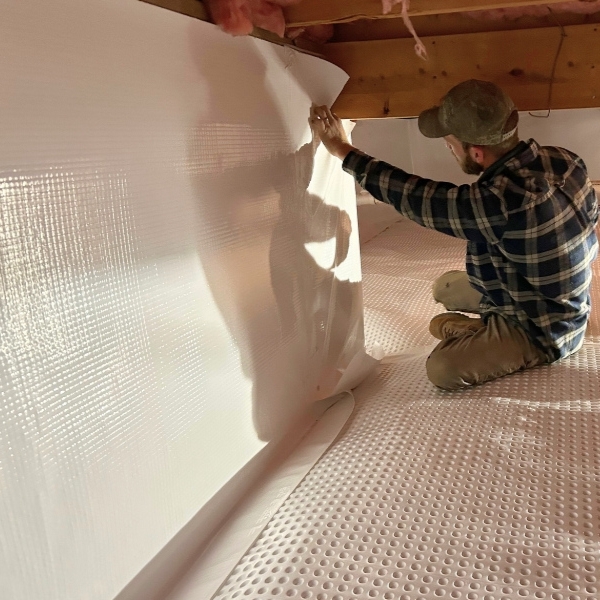
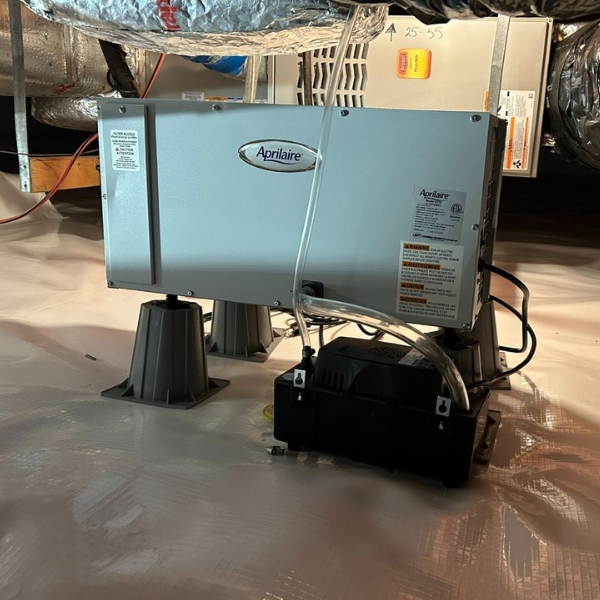
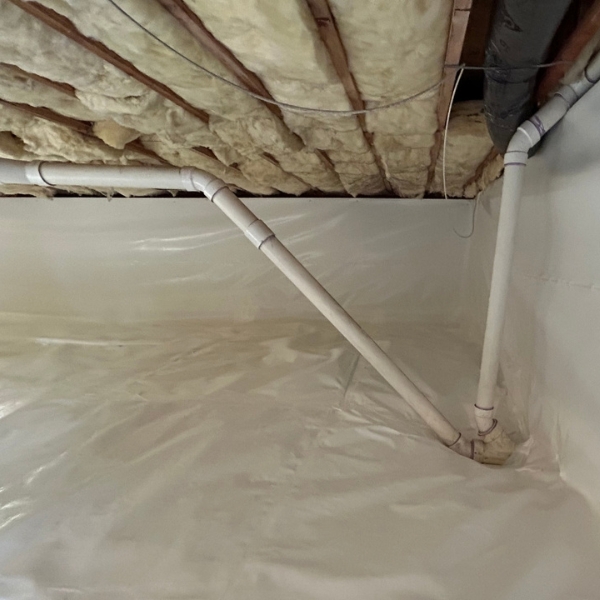
Removing moisture starts with sealing the space, improving drainage, and controlling humidity. Florida homes often need a combination of encapsulation, a dehumidifier, and drainage upgrades to stay dry during heavy rains and high humidity.
If you’re in Jacksonville, LUX can evaluate the crawlspace and recommend the right moisture-control system for your home.
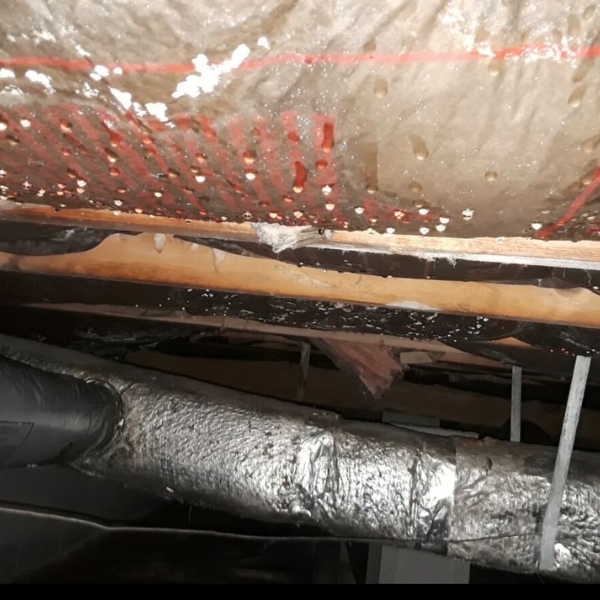
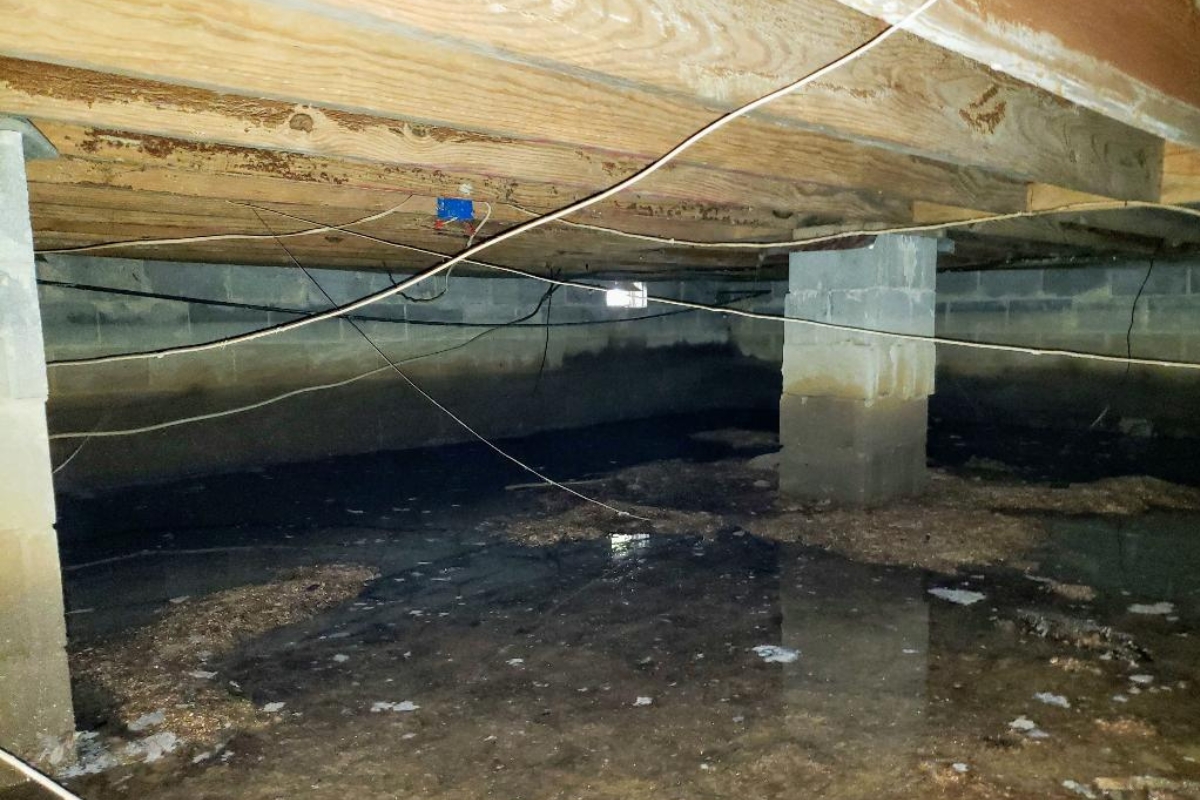
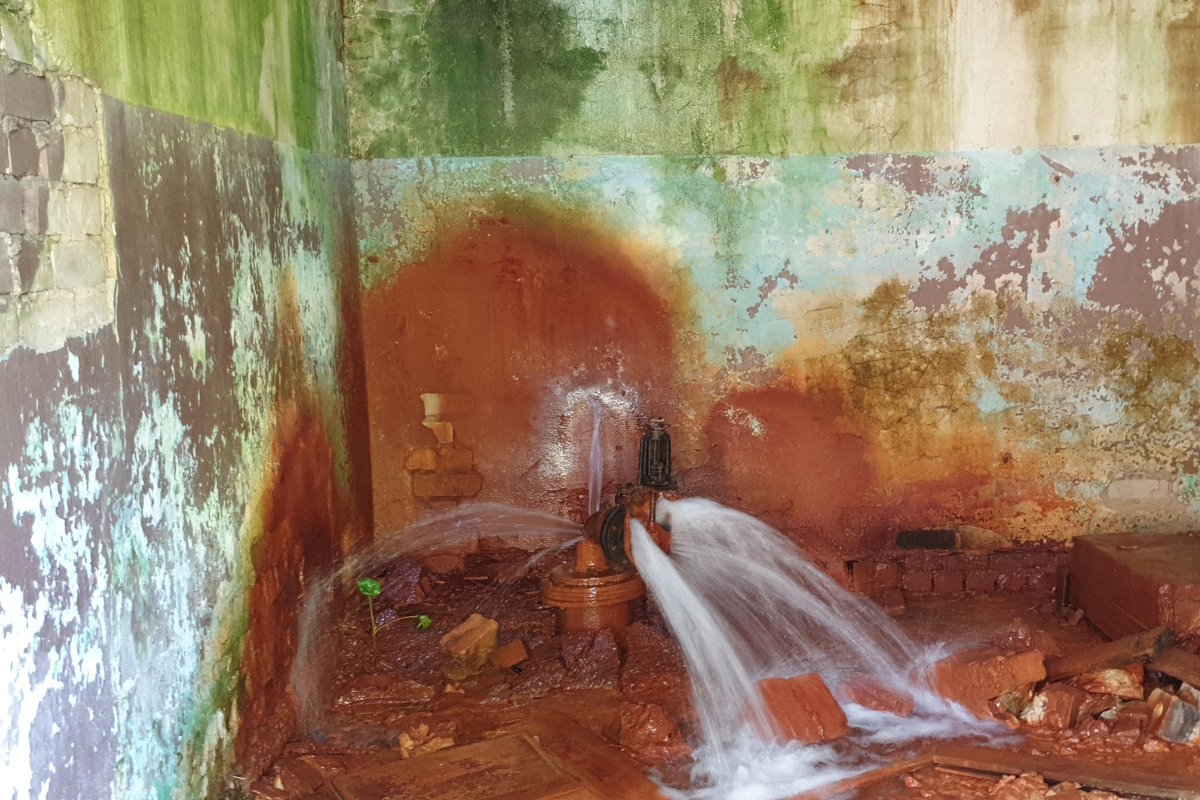
A little humidity is common in Florida, but standing water, musty odors, or damp wood are signs that the moisture is excessive and unsafe. Homes in Gainesville often experience this due to humidity and wet soil.
LUX can evaluate whether the moisture level is within a safe range or already causing damage.
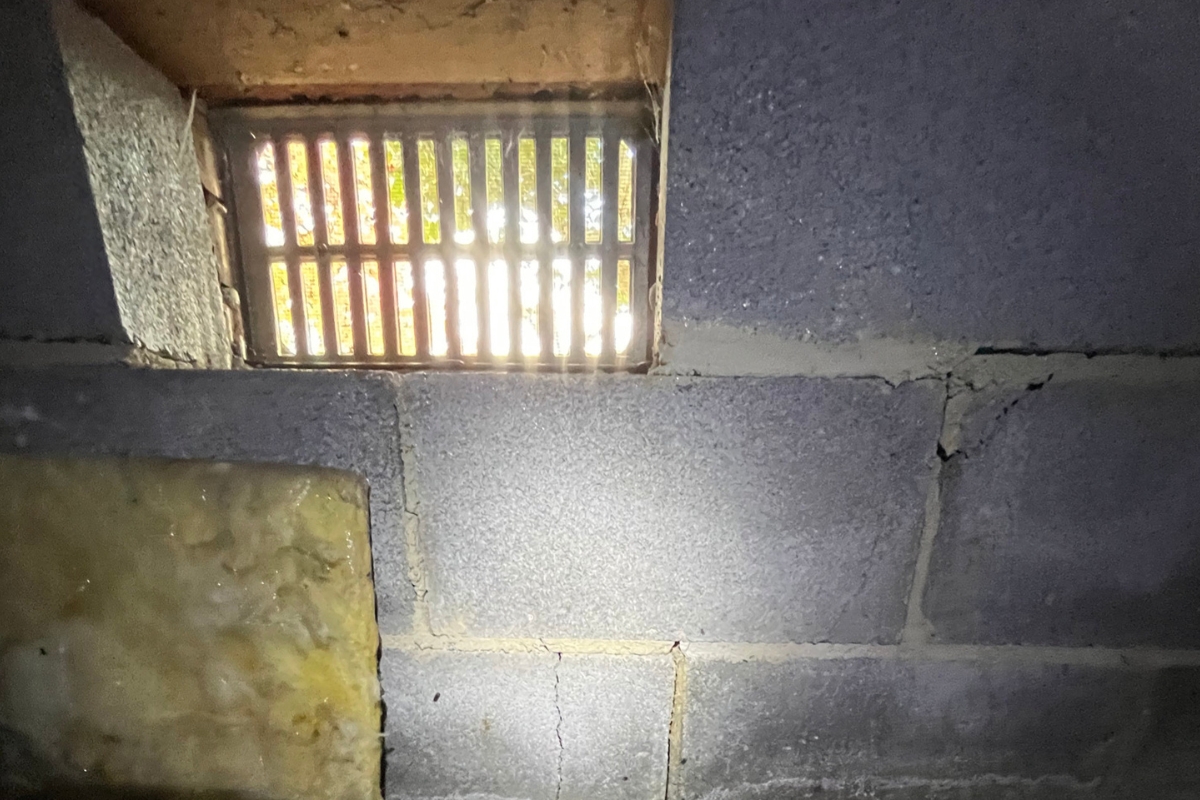
Prevention starts with keeping water out and humidity under control. Florida homeowners often need vapor barriers, proper drainage, sealed vents, and a dehumidifier. Ocala’s weather pattern swings make proactive protection especially important.
If you’re unsure where moisture is coming from, LUX can point it out and stop it early.
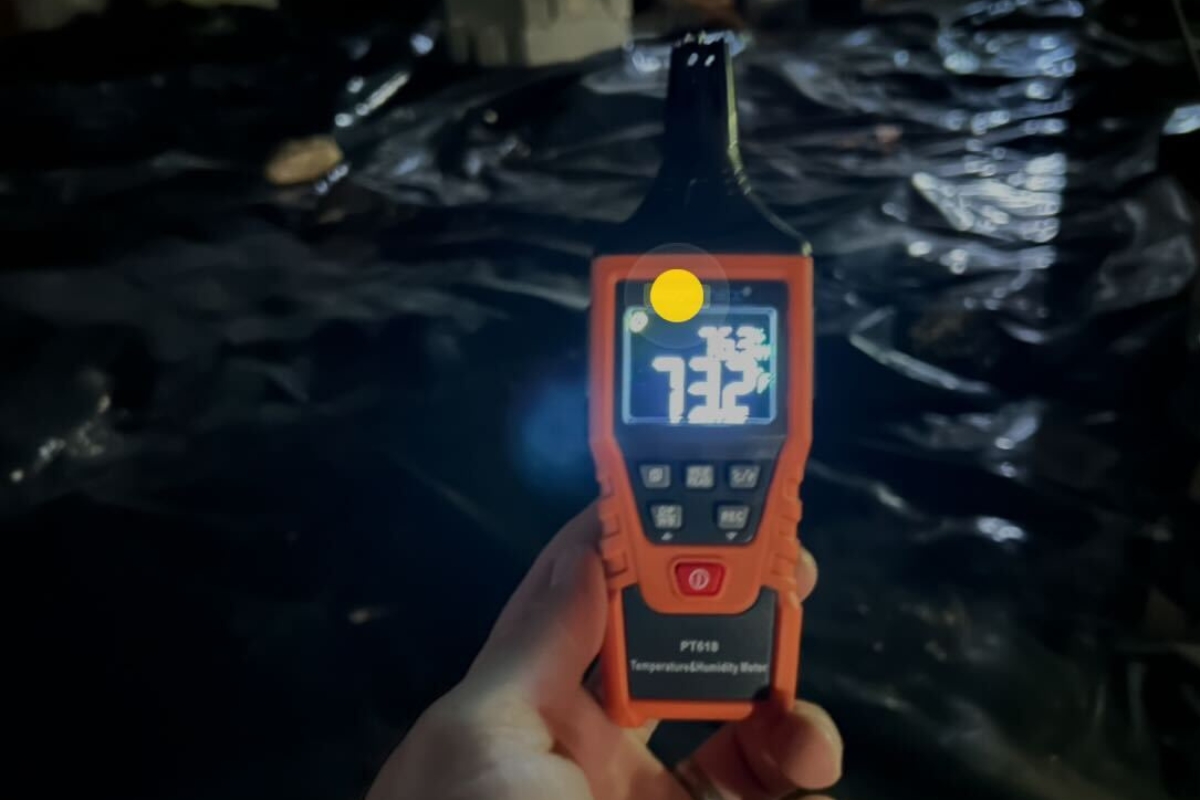
A healthy crawl space should stay below 15%, and the air should have a relative humidity of 50–60%. Anything higher encourages mold, wood rot, and musty indoor air. Many homes in Palm Coast exceed this because of high humidity and changing coastal conditions.
LUX can measure your moisture levels and recommend a safe long-term plan.