Written By Bridget Stieb, Director of Marketing at LUX Foundation Solutions • Reviewed by LUX’s foundation repair specialists serving Northern Virginia & Florida
Your foundation supports the critical structural component of your home and is one of the least understood parts of your home. Most Florida homeowners only think about their foundation’s condition when something goes wrong. By then, the damage was already spreading.
A home foundation inspection evaluates the condition of your foundation. It looks for signs of cracking, settlement, water intrusion, soil-related stress, and other issues that could compromise its structural integrity. In Florida, where sandy soil shifts under heavy rain, a high water table pushes against foundation walls year-round, and hurricane season delivers intense moisture from June through November, foundations face pressure that demands regular professional attention.
This guide covers what happens during a foundation inspection process, what to look for, and when to schedule one.
Key Takeaways
- A home foundation inspection in Florida is a professional assessment that identifies cracks, settlement, water damage, and soil-related stress before they become costly structural problems.
- Florida’s high water table, sandy soil, and hurricane season make home foundation inspections more urgent here than in most other states.
- Inspectors examine both the exterior and interior of your home, including the crawl space, foundation walls, floor joists, and surrounding soil, as part of a complete foundation inspection checklist.
- Consider having your foundation inspected if you’re purchasing a home, recovering from a major storm, or noticing signs such as sticking doors, sloping floors, or wall cracks.
- LUX Foundation Solutions provides free inspection for foundations across Jacksonville, Ocala, Gainesville, Palm Coast, and St. Augustine, with no cost and no obligation.
Why Your Foundation Deserves More Attention Than It Gets
Most property owners focus on roofs, HVAC systems, and kitchens when thinking about home maintenance. The foundation rarely makes the list until something goes visibly wrong. That is a problem, because by the time foundation concerns become obvious, they have usually been developing for months or years beneath the surface.
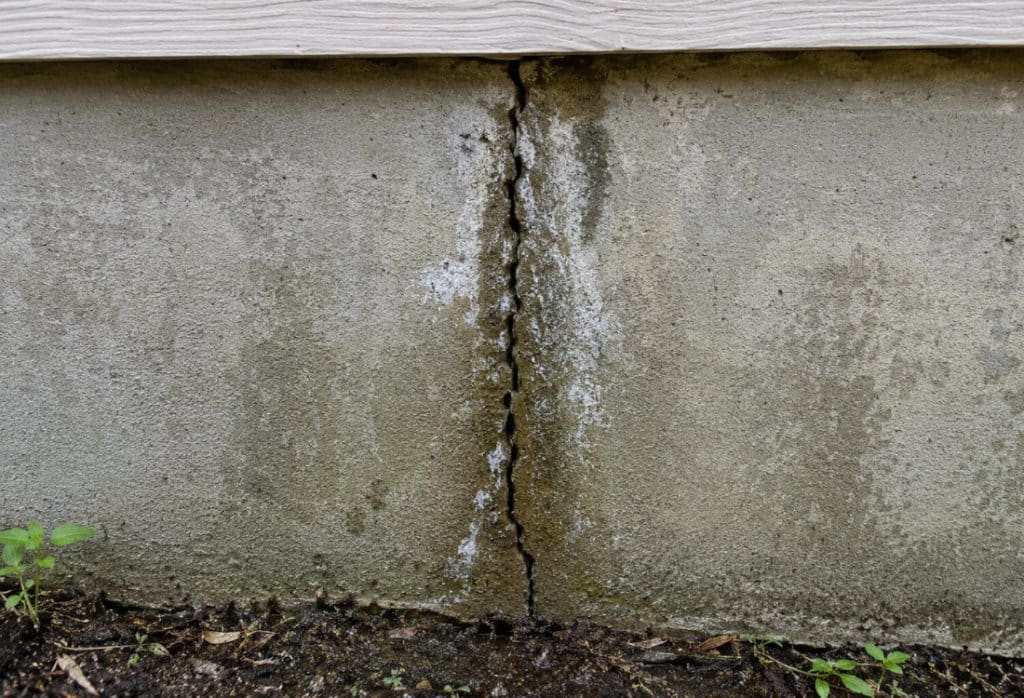
Many Florida homeowners are unaware of how local soil and water conditions can affect their foundation. Heavy rainfall can wash away sandy soil shifts under heavy rain, leading to soil settlement that puts uneven pressure on foundation walls.
While expansive clay soils drive foundation problems in some states, Florida homes face a different set of challenges due to sandy soil and groundwater conditions. The conditions driving foundation stress here are active every day, not just during storm season.
The cost difference between catching a foundation problem early and letting it progress is significant. Small cracks identified early are manageable for repair. That same crack, left unaddressed while water infiltrates and the surrounding soil continues to shift, can develop into a structural issue that affects your floors, walls, doors, and the long-term value of your home. Immediate action at the first sign of trouble, supported by professional foundation repair services, almost always costs less than waiting.
What is a Home Foundation Inspection
A home foundation inspection is a professional evaluation of your home’s structural base. A trained foundation inspection specialist looks for signs of foundation movement, cracking, settlement, water intrusion, soil movement, and any signs of structural stress that could affect the safety and stability of your home over time.
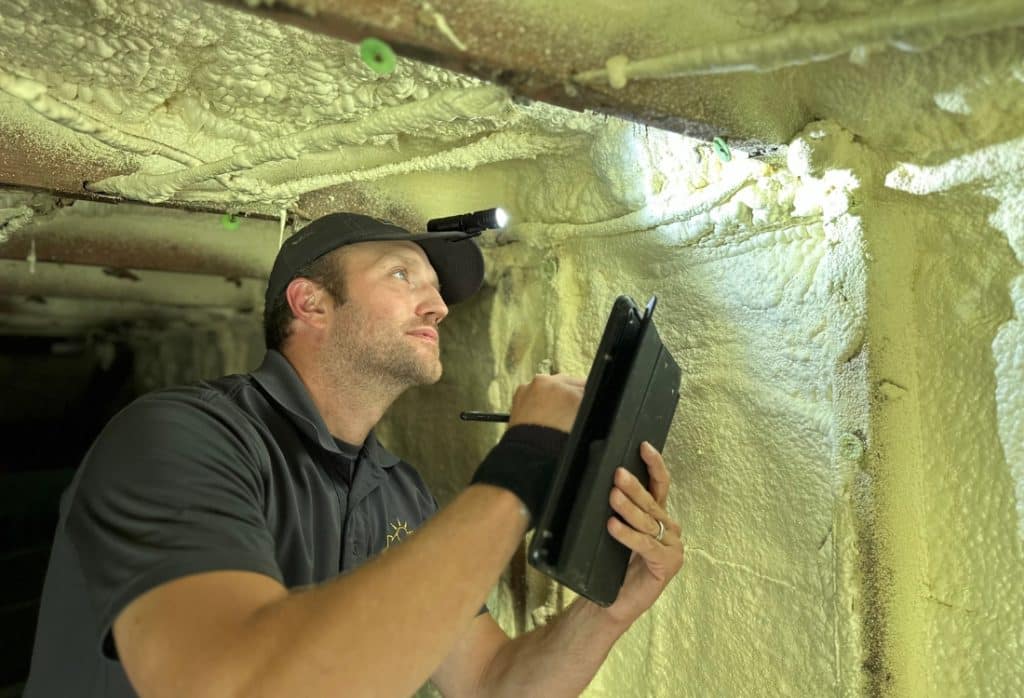
Unlike a general home inspection that identifies visible signs of potential problems during a real estate transaction, a certified foundation inspector has the specific expertise to assess the severity of what they find, identify the underlying cause, and recommend the right repair approach for your specific foundation type and Florida soil conditions.
A thorough foundation inspection covers both the exterior and interior of your home from the foundation perimeter and surrounding soil to the crawl space, floor joists, and structural supports beneath your floor, including homes built on a slab-on-grade foundation, which is common throughout Florida.
What a Foundation Inspector Actually Examines
When a professional conducts a home foundation inspection, they are not just glancing at your floors. A thorough house foundation inspection covers both the exterior and interior of your home.
Understanding what gets evaluated during an inspection helps you prepare your home and interpret the report you receive afterward. Here is what a foundation specialist typically examines:
Exterior Assessment
The inspector starts outside, walking the full perimeter of your home and looking for:
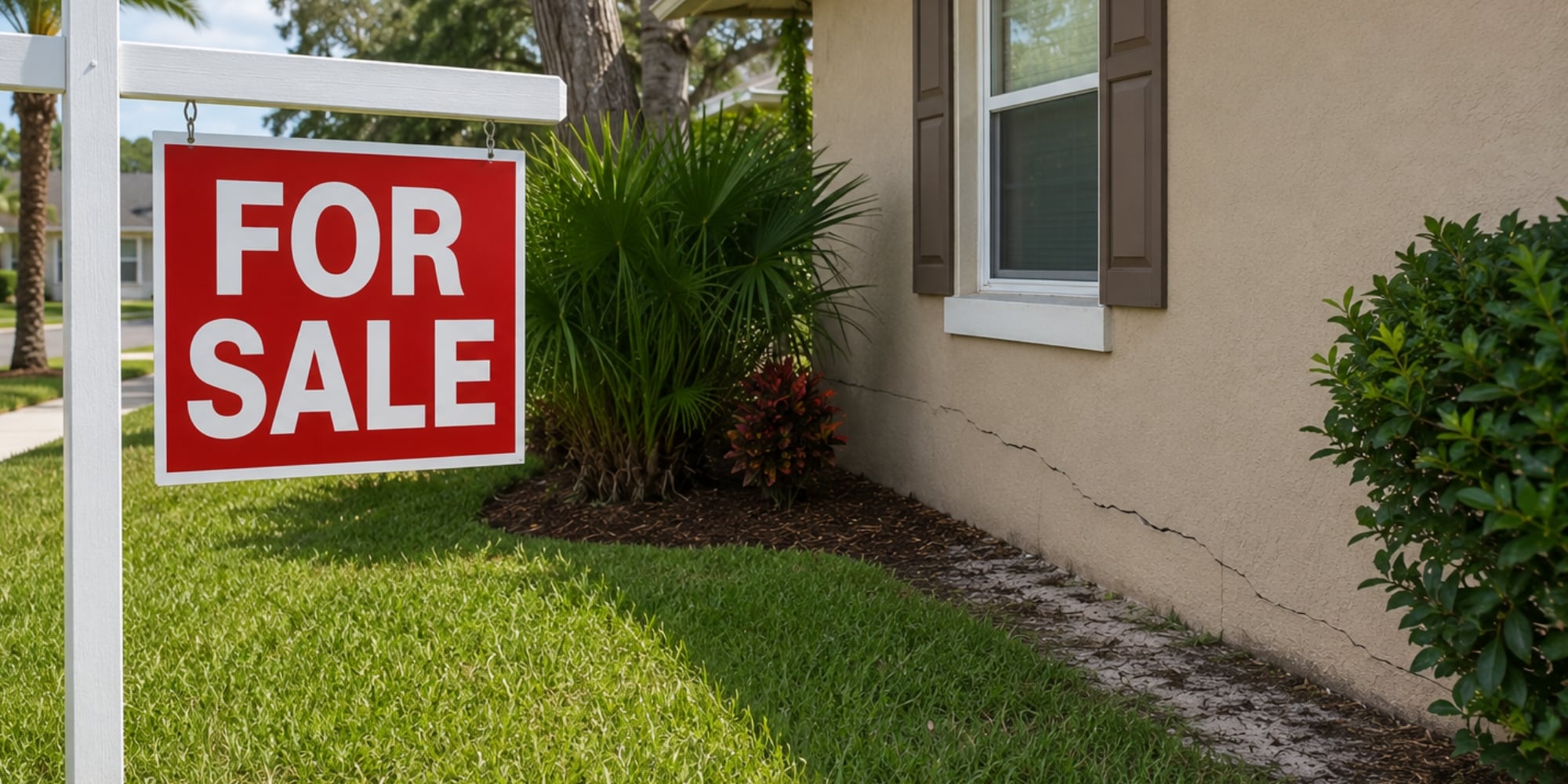
- Visible cracks in the foundation wall or brick veneer.
- Visible separation between the foundation and the sill plate.
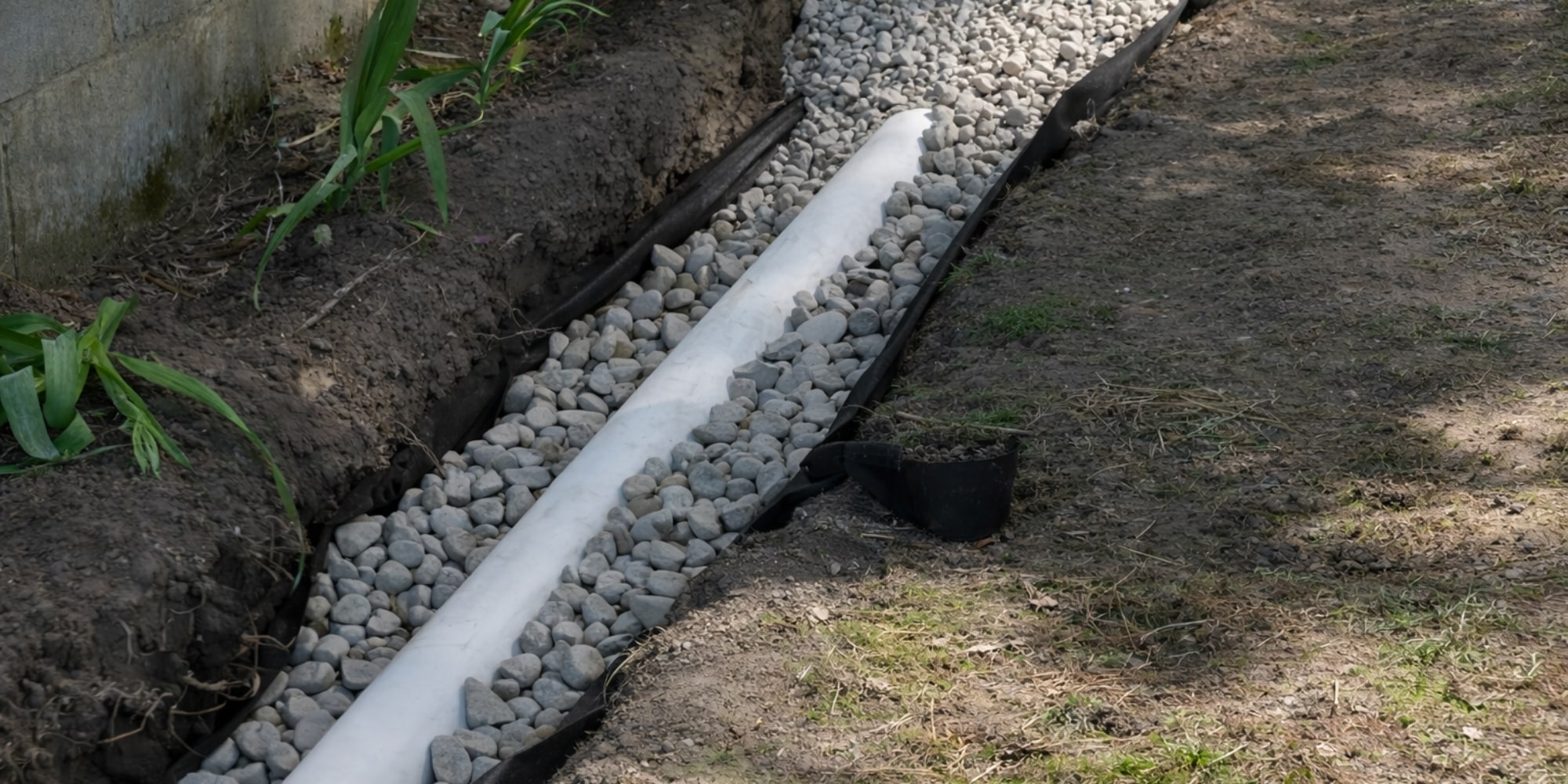
- Grading issues where the soil slopes toward the home instead of away from it.
- Signs of efflorescence, white mineral deposits, indicate past moisture problems.
- Drainage paths and standing water patterns around the foundation perimeter.
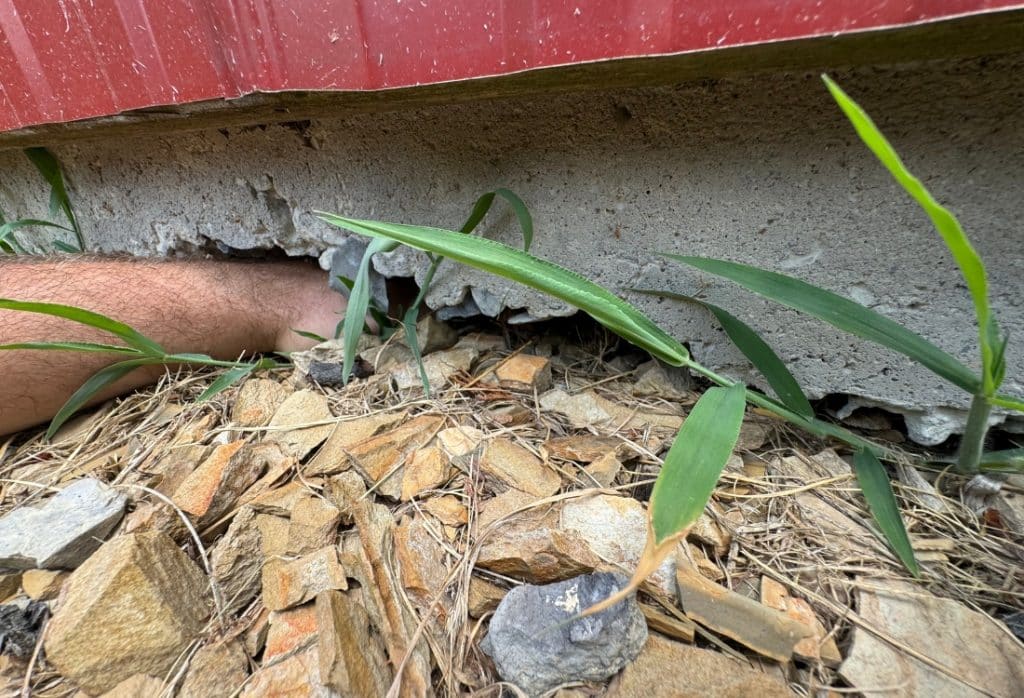
Grading is one of the most overlooked contributors to foundation stress in Florida. The soil around your home should slope away at a rate of at least six inches over the first ten feet. When it does not, water pools against the foundation during every rain event. The home inspector also assesses trees, brush, and plants near the foundation.
Live oaks, palms, and ficus trees common in Florida neighborhoods have aggressive root systems that can crack and displace foundation walls over time, compromising the stable base the structure depends on.
Interior Assessment
Inside the home, the inspector moves through every accessible space looking for:
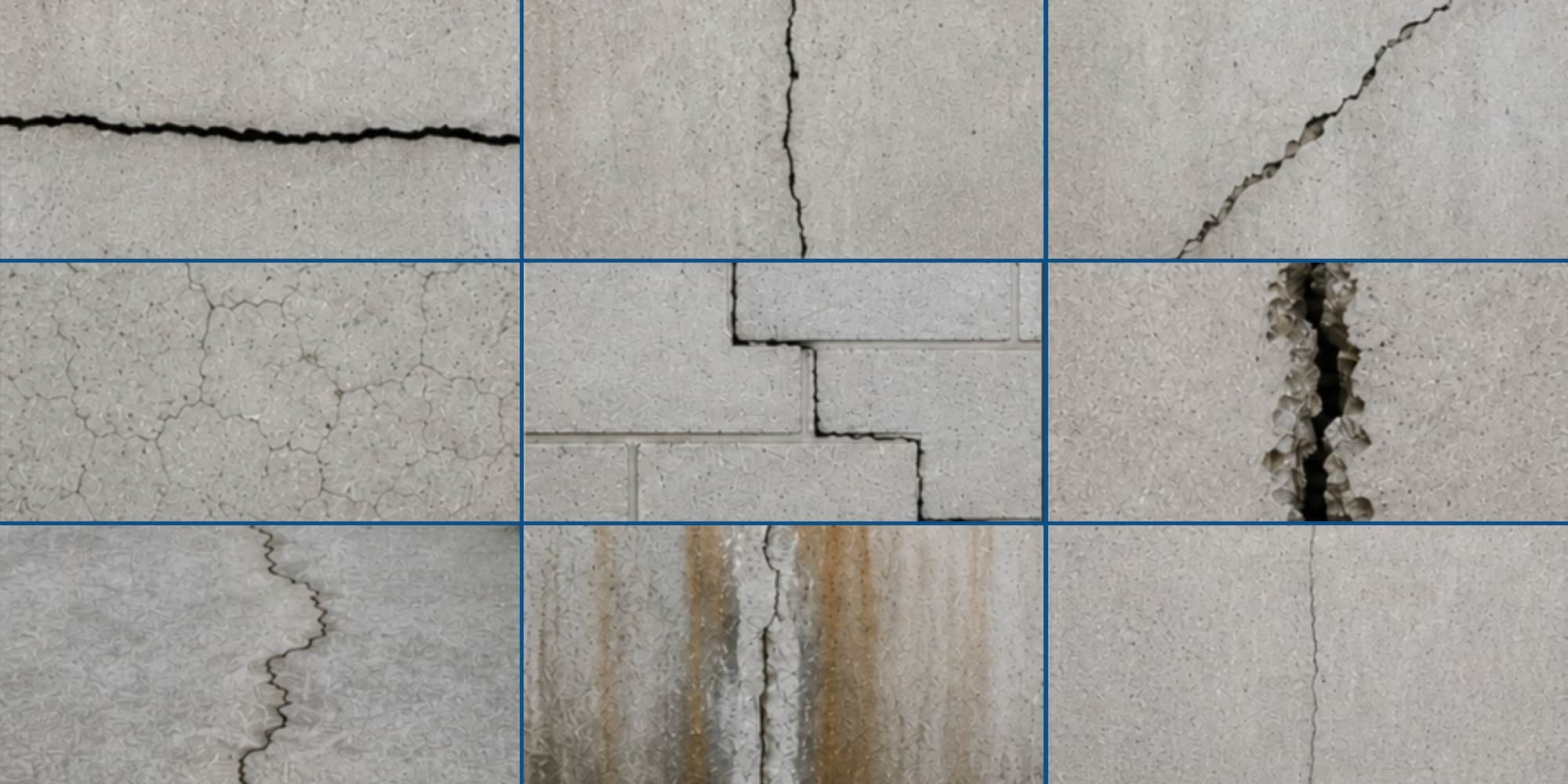
- Stair-step cracks in brick or block walls.
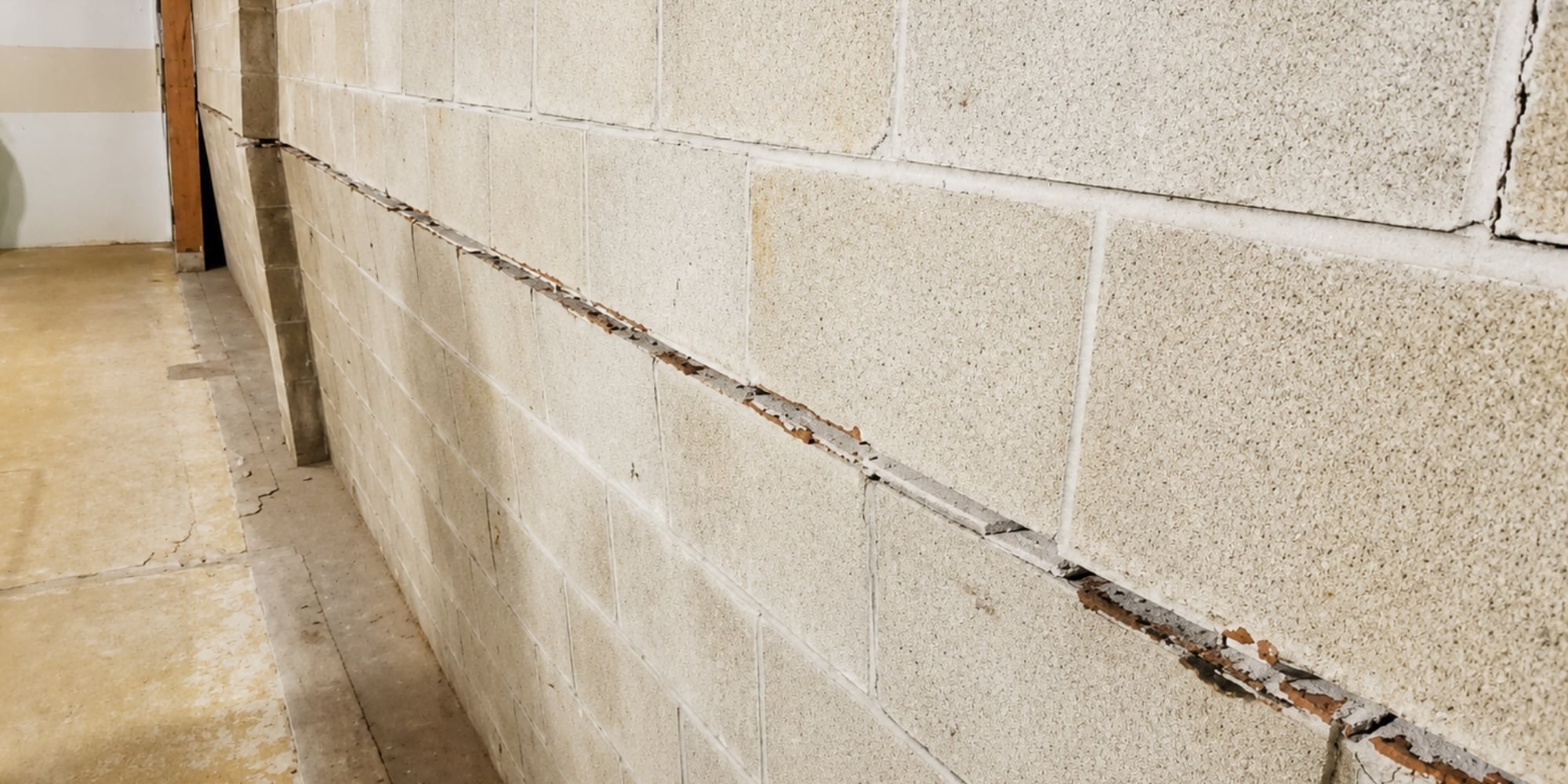
- Horizontal cracks across poured concrete or block walls.
- Bowing or inward-leaning walls.
- Uneven floors detected by laser levels or simple manual tools.
- Signs of previous repairs or patching that may hide ongoing issues.
- Moisture intrusion, and mold growth.
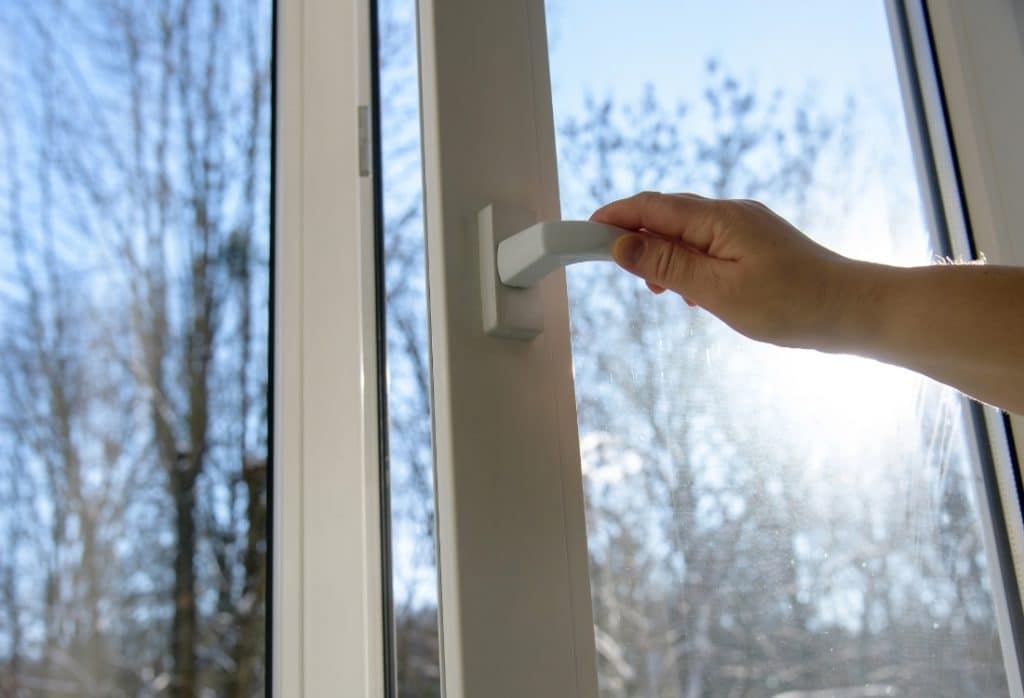
- Sticking doors and windows throughout the home.
Sticking doors and windows are one of the most reliable early indicators of foundation movement. When a foundation shifts, door and window frames shift with it because the load paths carrying the structure’s weight have been disrupted.
Crawl Space Assessment
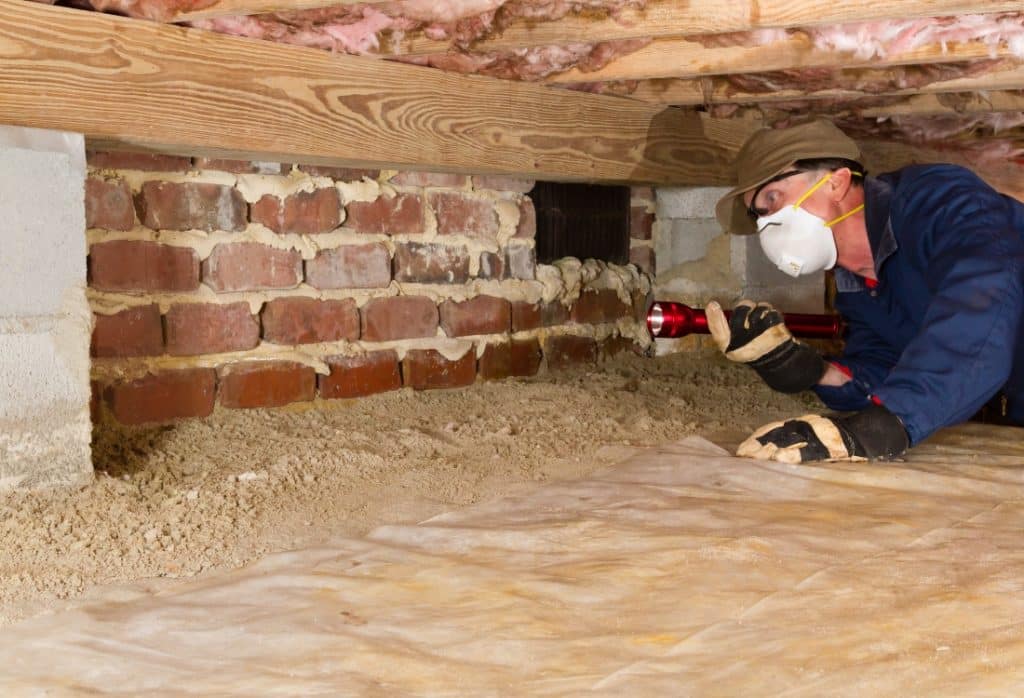
Crawl space inspections receive special attention in Florida, where humidity stays elevated year-round. The inspector enters the crawl space to assess:
- Vapor barrier condition
- Wood rot on floor joists and beams
- Integrity of concrete piers
- Signs of pest damage and moisture accumulation
A deteriorating crawl space can go unnoticed for years, quietly destroying the subfloor above it. See our wet crawl space page for more on what moisture in the crawl space looks like.
Inspection Report and Repair Recommendations
After the inspection, you’ll receive a report explaining any foundation issues that were found, what may be contributing to them, and any repair recommendations based on the findings. The report clearly explains the findings and outlines next steps, so you leave the inspection knowing exactly what is happening with your foundation and what your options are.
When to Schedule a Foundation Inspection in Florida
Florida’s climate and soil conditions mean you can’t just schedule one foundation home inspection and call it done. A few warning signs mean you shouldn’t put off scheduling one.
Before Buying a Home
Always include a foundation evaluation before finalizing a home purchase in Florida. Review the seller’s disclosure documents and ask whether the home has had any foundation repairs, drainage work, or past water intrusion issues. Even when no issues are disclosed, an inspection may uncover signs of previous repairs or ongoing foundation movement.
Before and After Hurricane Season
Hurricane season runs from June through November in Florida. The intense rainfall, flooding, and rapid soil saturation that come with tropical storms and hurricanes put foundations under the highest pressure they will face all year. Having an inspection before hurricane season provides a record of the foundation’s condition beforehand. A follow-up inspection can help identify any new movement, cracking, or water intrusion that may have occurred during the season.
After Extended Dry Periods
Florida experiences significant dry periods between wet seasons, particularly in Central and North Central Florida. When soil dries out, it contracts and loses support beneath the foundation. That soil movement can cause settlement and cracking that only becomes visible weeks after the dry period ends. An inspection after an unusually dry stretch catches this movement early.
When You Notice Warning Signs of Foundation Issues
Certain signs inside and outside your home indicate the foundation may be shifting and warrant an immediate professional assessment:
- Sticking doors and windows that suddenly no longer open or close properly.
- Sagging floors or soft spots developing in rooms above the crawl space.
- Drywall cracks appearing above doorframes or in wall corners
- Bowing walls or walls that appear to lean inward.
- Foundation settlement where gaps form between floors and walls, or visible unevenness in the slab.
- Water appearing in the crawl space or along foundation walls after rain events, where it previously did not.
These signs do not always confirm a serious structural problem but they are reliable indicators that a professional evaluation is needed before the situation progresses further.
Ready to Schedule Your Home Foundation Inspection in Florida?
A home foundation inspection is one of the highest-value assessments you can commission for your property. Whether you are selling, buying, renovating, or simply maintaining your home responsibly, understanding what sits beneath your floors is non-negotiable. Most problems found during these evaluations are correctable, and the earlier they are caught, the less disruptive and costly the repair process becomes.
If you are in our service area and would like to schedule a free home foundation inspection, our team at LUX Foundation Solutions is here to help. With our expertise in foundation inspection and repair across Jacksonville, Ocala, Gainesville, Palm Coast, and St. Augustine, and nearby, we assess every accessible area of your foundation and provide a clear report of findings with no pressure and no obligation.
ABOUT THE AUTHOR

Frequently Asked Questions
What does a home foundation inspection include in Florida?
During a foundation inspection, the inspector checks the exterior of the home for cracks, drainage concerns, and other visible warning signs. Inside, they look for movement-related damage, evaluate the crawl space for moisture or wood deterioration, and inspect floor joists and structural supports. The inspector also tests doors and windows for signs of foundation movement and provides a detailed report of findings and recommended next steps.
How long does a foundation inspection take?
Most home foundation inspections take between 1 and 3 hours, though time can vary depending on the home’s size and the conditions being inspected. Homes with larger crawl spaces or multiple areas of concern may take longer to document thoroughly.
How often should I get a foundation inspection in Florida?
Florida homeowners should schedule a foundation inspection at least once a year, often before hurricane season begins in June. Homes with high water tables, sandy soil, or large trees near the foundation may need to be checked more often. Annual inspections catch early-stage movement and moisture intrusion before they develop into structural problems requiring more extensive repair.
What should I do if my foundation inspection reveals problems?
If an inspection identifies foundation issues, addressing them sooner rather than later can help prevent them from worsening. Minor issues addressed early are significantly less expensive than the same problems left to develop over one or two additional wet seasons.
Your inspection report will outline the specific issues found, the likely cause, and the recommended repair approach, giving you a clear starting point for next steps.
Can I do a foundation inspection myself?
You can walk your property and look for visible warning signs, sticking doors, visible cracks, sloping floors, and moisture in the crawl space. However, a DIY check has significant limitations.
While some signs of foundation damage are easy to spot, determining how serious the problem is often requires a closer look at the foundation, soil conditions, and crawl space supports. A professional foundation inspection includes a detailed assessment of these areas and provides documentation of the findings.
Does a new home still need a foundation inspection in Florida?
Yes. Even newly constructed Florida homes can have foundation issues caused by improper soil compaction, poor drainage design, or construction errors. In Florida, sandy soil and high groundwater levels can affect a foundation, though signs of a problem may not appear right away.
A foundation inspection before your final walkthrough and closing confirms the foundation was built correctly and gives you documented evidence of its condition at the time of purchase.