
Slope Failure
When the ground around your home begins to shift or slide, water quickly follows. Slope failure pushes stormwater toward your foundation, basement, or crawl space, creating moisture problems that grow fast in Florida’s climate. Here’s what you need to know.
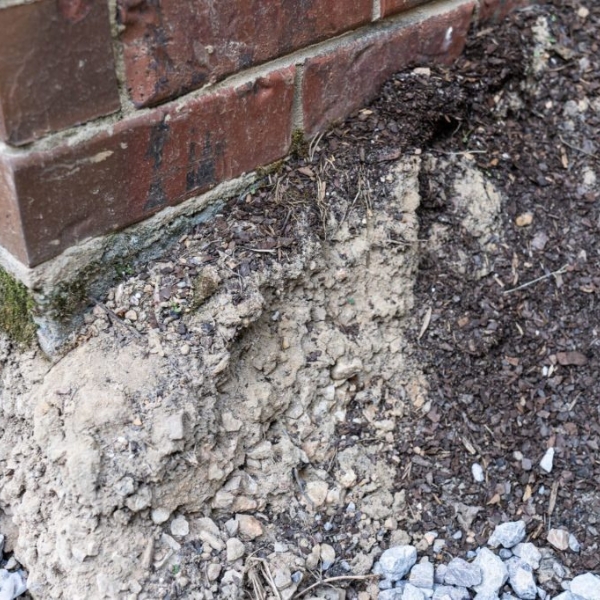
How Slope Failure Puts Your Home at Risk
Slope failure creates instability in the ground supporting your home. When soil moves or washes away, it allows water to collect against foundation walls, seep into basements, weaken crawl space supports, or undermine concrete slabs.
Florida homes deal with this more often because the soil drains quickly on the surface but holds water below. As water builds up or soil shifts, pressure on the foundation increases, leading to cracking, settling, and moisture intrusion.
If your yard seems to be shifting or you’ve noticed new moisture near the base of your home, it’s a good time to have LUX evaluate it.
What Causes Slope Failure To Happen in Florida
Slope failure often develops more quickly in Florida because the soil reacts quickly to rainfall, groundwater, and changes in drainage. When the ground shifts downhill, it pushes water toward your basement, crawl space, or foundation.
Below are the Florida-specific conditions that make this problem more common — and more damaging.
Heavy Stormwater Runoff
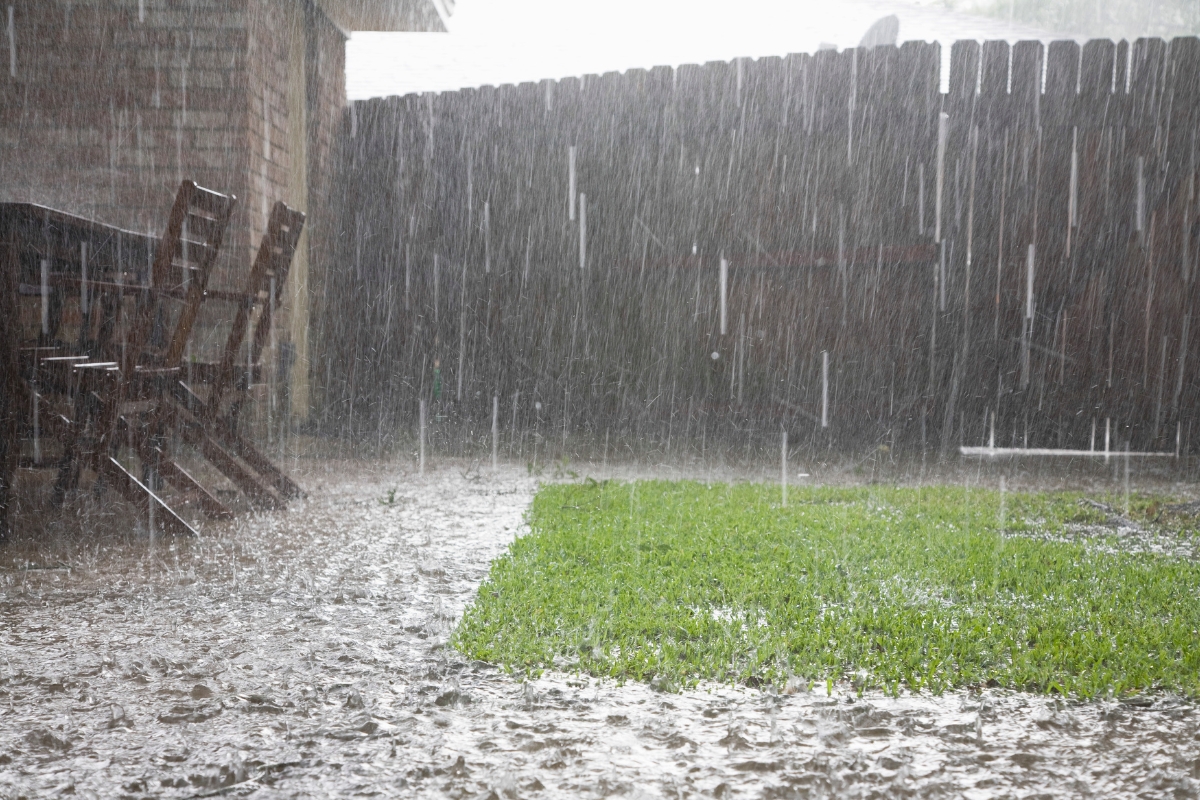
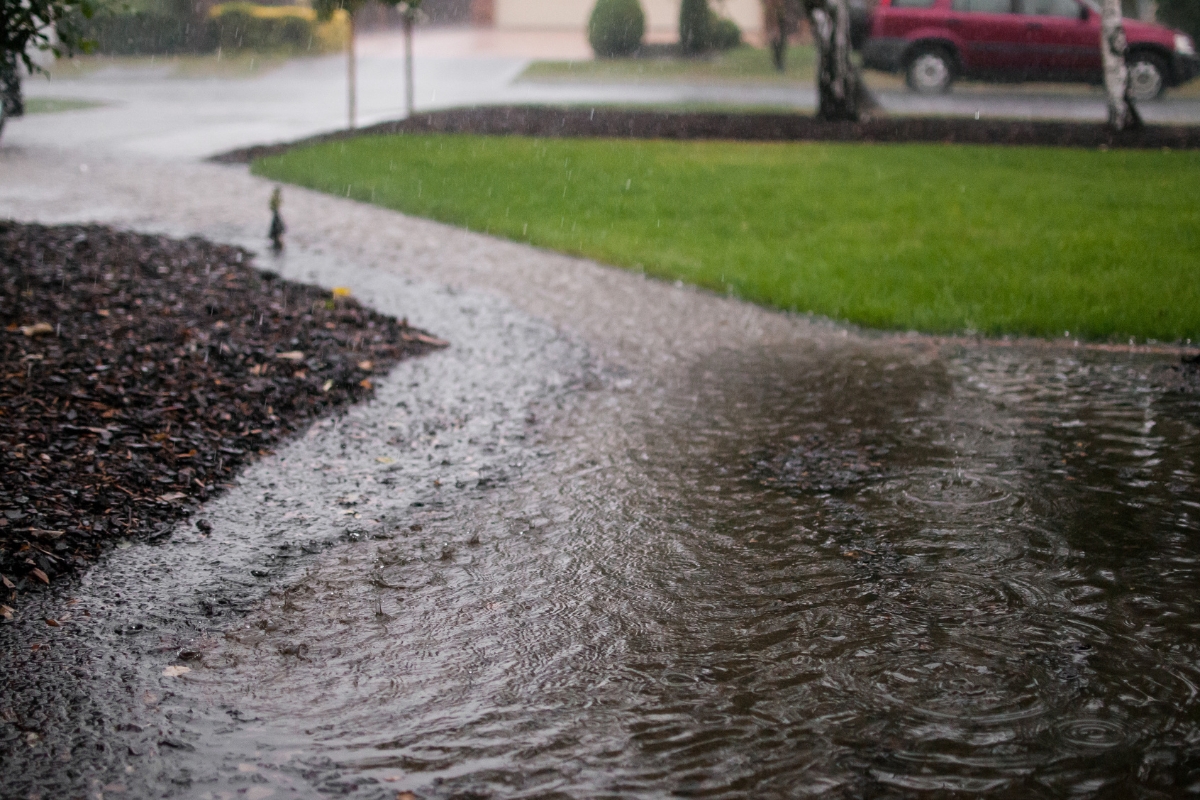
Florida’s storms drop large amounts of water in a short time. When the soil becomes saturated, it loosens and starts sliding toward lower areas—often toward your home. If you’ve noticed the ground dipping or shifting after storms, that movement can guide water straight into your basement, crawl space, or foundation.
Sandy Soil
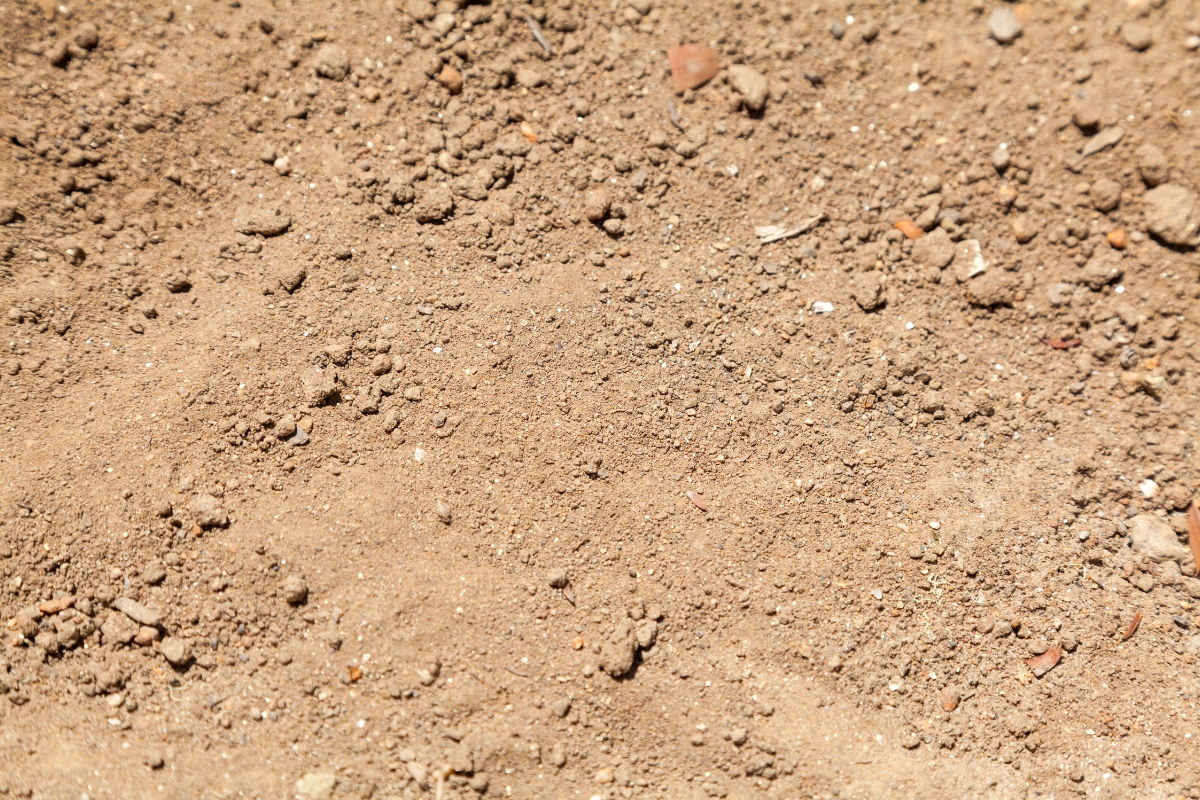
Much of Florida sits on loose, sandy soil that shifts even without heavy rain. When that soil loses strength, it slides downhill, changing the grade around your home. Once the slope tilts inward, rainwater naturally drains toward the structure, increasing the risk of seepage and moisture buildup in lower levels.
Poor Drainage
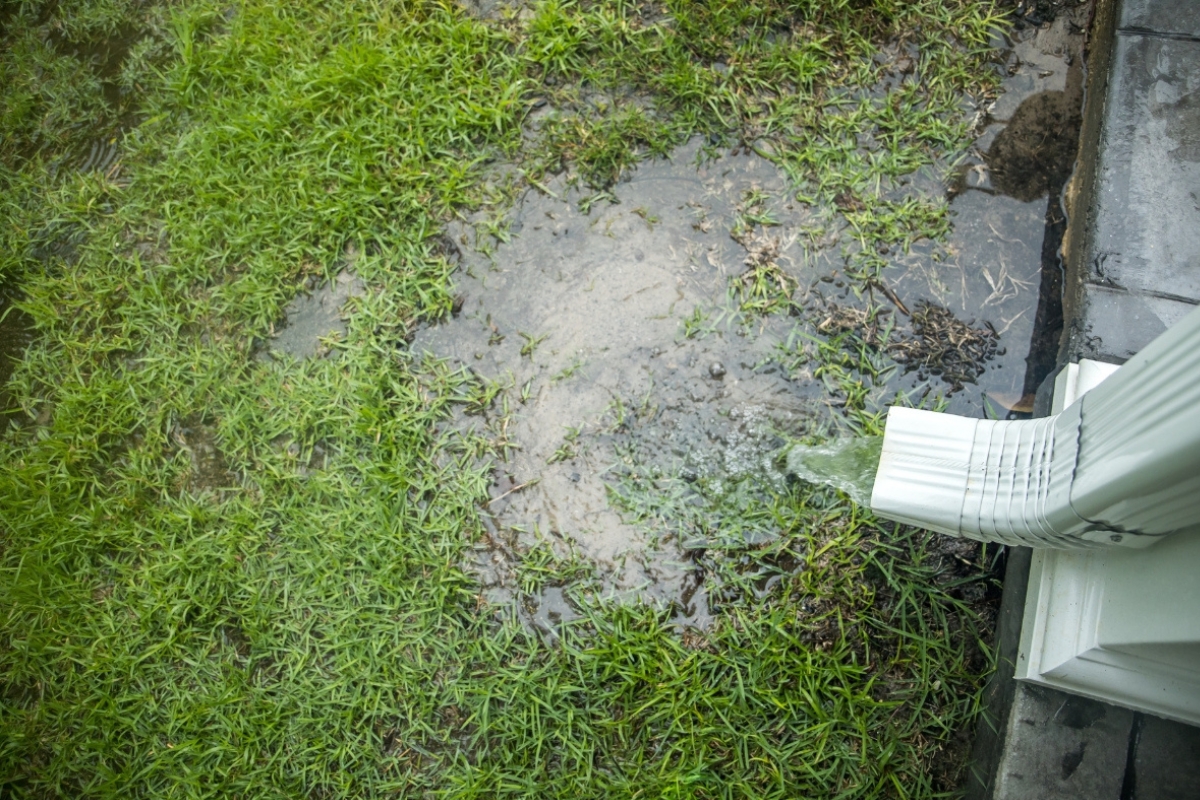
Homes without proper grading, gutters, or drainage systems are more vulnerable to slope instability. As soil shifts, water begins collecting at the base of the house instead of flowing away. If you’re seeing puddles near walls or soft, sinking areas in the yard, that trapped water can start pushing through the basement or crawl space.
High Water Table
Florida’s naturally high groundwater levels keep soil damp even on dry days. When a slope begins to fail, the constant moisture softens the ground further, causing it to collapse toward the home. As the ground settles, moisture pressure increases, and water finds new paths into the ground.
When slope failure starts affecting the ground around your home, water damage often follows. LUX Foundation Solutions can identify where the soil is moving and recommend long-term repairs.
Proven Repairs That Fix Water Damage Caused by Slope Failure
LUX provides Florida-focused waterproofing and slope failure repair methods that address problems before they cause long-term damage. Each option below is tied directly to how slope failure affects your basement, crawl space, concrete, or foundation.
Retaining Walls
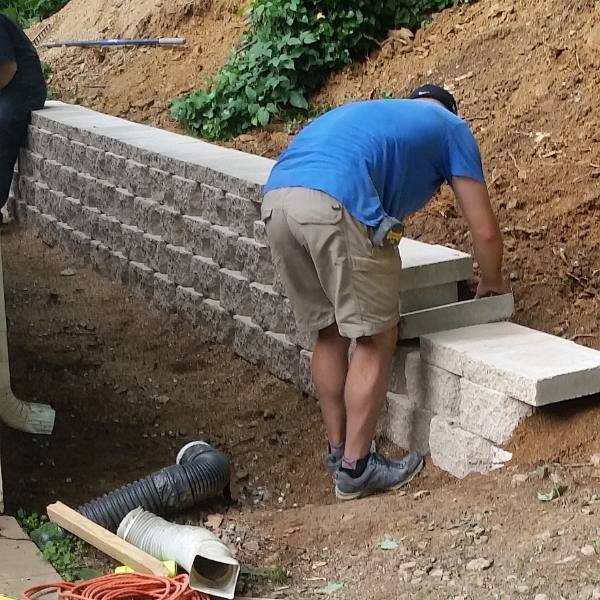
A retaining wall stabilizes shifting soil and stops the slope from moving toward your home. LUX builds reinforced retaining walls designed for Florida’s sandy soil and fast-shifting terrain. This repair is recommended when soil keeps sliding, grading has changed, or water is draining toward your foundation.
Proper Drainage Systems
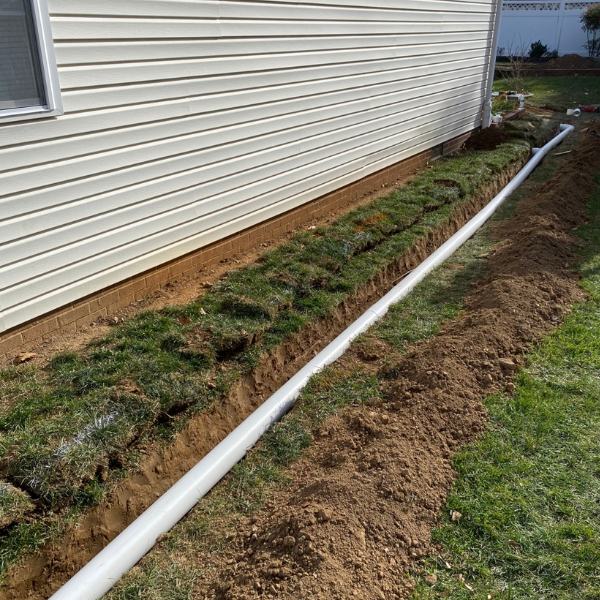
Drainage systems redirect rainwater away from areas where the slope has pushed water toward the home. LUX installs French drains, extends downspouts, and installs surface drains to safely convey stormwater away from basements, crawl spaces, and slabs. These systems work well in Florida’s heavy rainfall and soft soil conditions.
Grading and Landscaping Adjustment
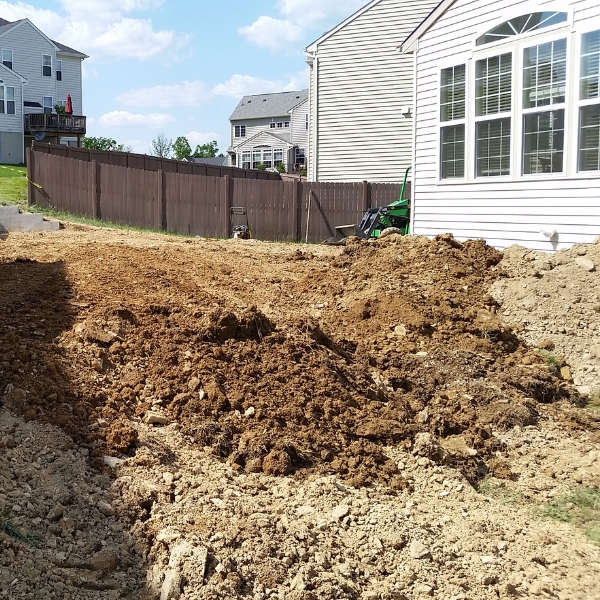
Correct grading shifts water away from the home instead of letting it collect near the foundation. LUX adjusts soil elevation, corrects drainage paths, and reinforces weak areas to prevent future slope movement. This method is ideal when the ground has shifted but hasn’t fully collapsed.
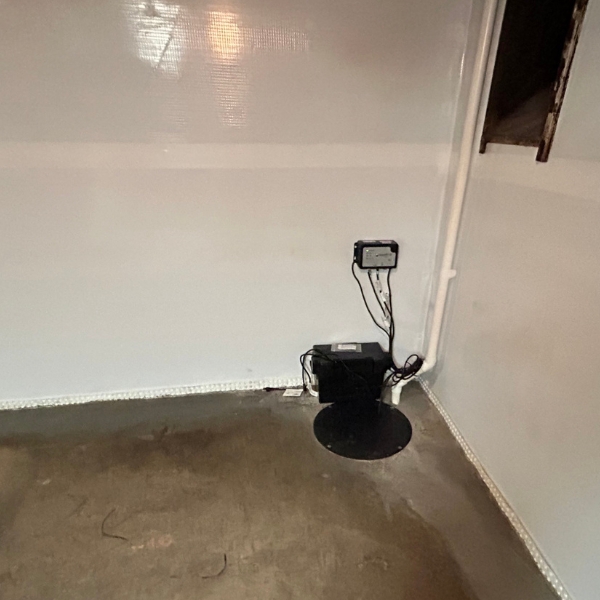
Sump Pump Installation
A sump pump removes water entering lower areas of the home due to slope-related seepage. LUX installs pumps that keep basements and crawl spaces dry and reduce foundation pressure. This is recommended when slope issues are present, or Florida’s high water table forces water indoors.
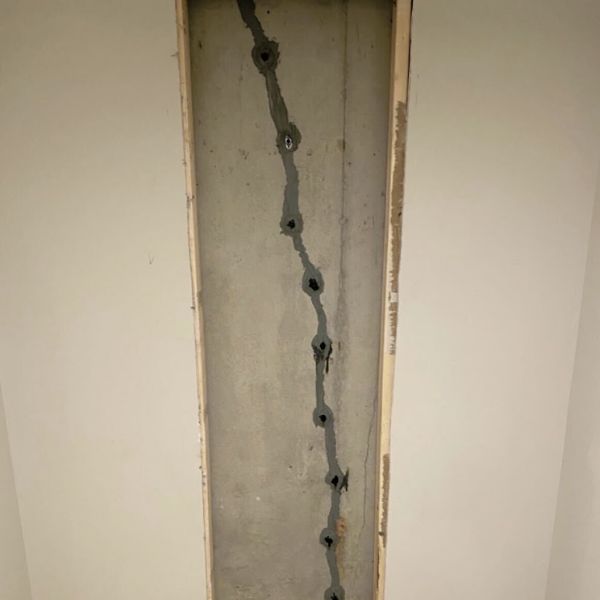
Foundation Crack Repair
When shifting soil cracks the foundation, water finds easy entry points. LUX seals structural and hairline cracks with long-lasting materials that stop moisture intrusion and reinforce weakened areas. This repair is important when you see damp spots, musty odors, or water lines inside.
These slope failure repair methods stop slope-related moisture at the source and keep water from returning. LUX can help evaluate the problem and determine which combination of repairs fits your home and property conditions.
Stop Slope-Related Water Damage Early — Get Free Assessment and Estimate
Slope failure is fixable, and the right repairs can protect your foundation, basement, crawl space, and concrete from long-term damage.
LUX Foundation Solutions understands Florida’s soil, rainfall, and erosion challenges, offering proven slope failure repair methods that stabilize weak slopes and stop water intrusion at its source.
Our team delivers reliable repairs throughout Jacksonville, Gainesville, Ocala, Palm Coast, and St. Augustine. If you’re seeing erosion, soil movement, or water near your foundation, we’re here to help.
Call 904-921-3589 to schedule your free assessment today.
Request a free Estimate
FAQs About Slope Failure Damage in Florida
How does slope failure lead to water seepage in Jacksonville homes?
When soil shifts downhill after storms, water starts draining toward the house foundation instead of away from it. In Jacksonville’s sandy soil, this creates fast-moving runoff that can seep into basements, crawl spaces, or slab edges.
If you’re seeing soil movement or new moisture spots, LUX can evaluate it before the damage spreads.
Does slope failure increase the risk of basement or crawl space moisture in Gainesville?
Yes. Gainesville gets heavy rainfall that easily saturates graded soil. When slope instability occurs, this water pools against the foundation and finds weak points to enter.
If your basement or crawl space feels damp or musty after storms, LUX can evaluate the slope and recommend drainage improvements to stabilize it.
What signs of slope failure should Ocala homeowners look out for?
Watch for soil pulling away from the foundation, pooling water, leaning trees, or new cracks in the garage floor. Ocala’s clay-mixed soil softens during storms, making slope shifts more common.
If any of these appear, LUX can assess the grade and guide you on the next steps.
How do I prevent water damage caused by slope failure?
You can reduce risk by improving yard grading, repairing erosion, installing proper drainage, and extending downspouts away from the home with a proper drain field. Florida’s frequent storms make it important to act early.
LUX offers assessments that uncover slope issues before they become costly foundation or basement repairs.