
Published: April 2, 2021 • Updated: March 12, 2026
Florida’s climate can be just as tough on homes as its storms. Beneath your floors, wood supports called floor joists keep your home stable and level — but constant heat, humidity, and termite activity can quietly cause these joists to crack or weaken over time.
A cracked floor joist might start small, but if left unaddressed, it can lead to sagging floors, ceiling cracks, or costly structural damage.
In this guide, we’ll walk through the telltale signs of a cracked floor joist, why Florida homes are especially vulnerable, and practical steps to keep your home safe and structurally sound year-round.
How to Spot Cracked Floor Joists in Florida Homes
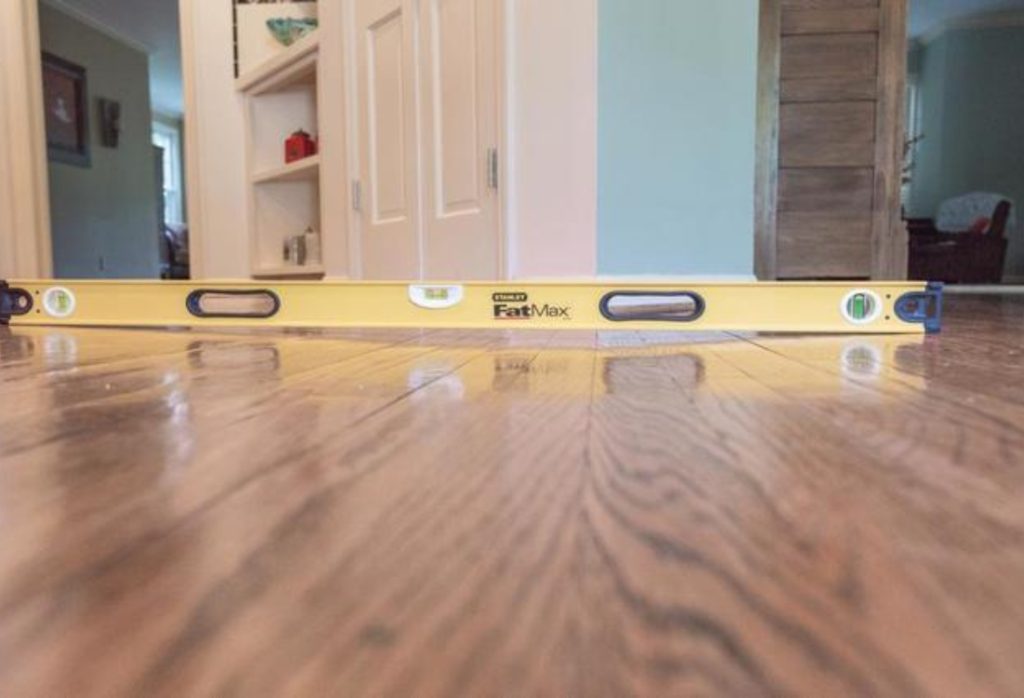
Floor joists are usually hidden beneath your flooring, so you might not notice cracks or breaks right away. Still, your home often shows subtle signs when its foundation or support structure is under stress — and in Florida’s humid, storm-prone environment, these warnings can appear quickly.
- Floors that bounce or feel soft underfoot are a common early sign of weakened joists below.
- Sagging or sloping floors — a visible dip or tilt in one area of a room — often indicate a broken or weakened joist.
- Doors or windows that stick or no longer close flush can mean the floor structure has shifted and pulled the frame out of square.
- New cracks in walls or ceilings — especially diagonal ones from the corners of door or window frames — can indicate movement in the floor structure below.
- Creaking or groaning sounds underfoot mean the joists are flexing more than they should under load.
- A persistent damp or musty smell in a Florida home often signals moisture that has lingered long enough to promote mold or wood rot on the joists.
None of these signs should be ignored, especially when they appear together. The combination of heavy rainfall, high humidity, and termite exposure in Florida means that even minor cracks can escalate quickly if left unchecked.
How Serious Is a Cracked Floor Joist?

A cracked floor joist becomes a serious concern when you see movement, gaps, or widening cracks across multiple beams. In Florida, these signs can progress faster because moisture and termites weaken the wood from within. Once sagging or separation appears, it’s time for professional repair before surrounding joists absorb extra stress.
Top Causes of Cracked Floor Joists in Florida

Cracked floor joists rarely fail without a reason. Florida’s crawl space environment creates conditions that put floor joists under stress that most building materials weren’t designed to withstand indefinitely.
Here are the specific causes most commonly found in North Florida homes — and what makes each one harder to catch in this climate.
1. Termite and Insect Damage
Florida’s warm, humid weather makes it one of the most termite-active states in the U.S. According to the University of Florida, termite risk varies across the state — but subterranean termites are frequently found in crawl spaces and under wood-framed floors, quietly eating through the inside of joists.
Unlike surface rot, this kind of internal damage can go unnoticed until the joist becomes weak enough to crack, sag, or even split completely.
Tip: If you see sawdust-like piles (called frass) or hear hollow sounds when tapping wood beams, arrange a termite inspection immediately. The longer you wait, the worse the damage becomes.
2. Humidity and Damp Crawl Spaces
Florida’s average outdoor humidity sits above 70% for most of the year. Without encapsulation or a vapor barrier, crawl spaces in North Florida homes — including those in Jacksonville, Gainesville, and Ocala — stay damp for extended stretches.
Wood fibers absorb that moisture until they lose structural elasticity: instead of flexing under load, they crack.
3. Storm and Water Damage
Hurricanes and tropical storms regularly drench Florida homes. When floodwater or heavy rain seeps through crawl spaces, floor joists absorb the moisture. As the wood dries, it expands and contracts, leading to stress fractures along the grain. Over time, cracks widen and weaken the structure.
Regular inspections after each storm season can help catch early signs of this water-related damage.
4. Plumbing Leaks and Water Damage From Above
A slow leak under a fixture or inside a wall can go unnoticed for months, and in Florida’s humidity, trapped water doesn’t evaporate — it sits. By the time a spongy floor or warped joist appears, the damage is usually well ahead of the leak.
5. Improper Modifications to Joists
Every time a line is run through a floor joist, that joist loses some structural capacity — how much depends on where the cut is made and how deep it goes. In Florida’s older homes — many of which have undergone multiple rounds of plumbing and HVAC upgrades — improper cuts compound over time, leaving joists near their limits with no visible sign of it.
6. Soil and Foundation Movement
Coastal and inland Florida soils — especially sandy or clay-based ones — shift over time due to fluctuating moisture and high water tables. As the foundation moves, the strain transfers upward into the floor framing. Joists that bear more weight on one side than the other eventually crack or shear.
What Florida Homeowners Should Do When a Floor Joist Cracks

Finding a broken floor joist in your home can be stressful, but acting quickly — and correctly — makes all the difference. Florida’s humidity and pest conditions mean small problems can spread more quickly, so early intervention is key to preventing costly structural repairs down the road.
- Don’t ignore the symptoms.
Sagging floors, bouncing floors, sticking doors, and new wall cracks are the joist’s way of signalling that something is wrong. The longer these are left, the more the surrounding structure is affected.
- Mark and monitor visible cracks.
If you can access the crawl space and see the joists directly, mark the ends of any visible cracks with a pencil and today’s date. If the crack grows over the next few weeks, treat it as an urgent matter.
- Address moisture at the source.
Fix any known leaks and assess whether your crawl space has a vapor barrier. In Florida, crawl space encapsulation is the most reliable long-term solution for preventing moisture from reaching your floor joists.
- Get a termite inspection alongside a structural inspection.
In Florida, these two issues frequently occur together. A structural assessment without a termite check may miss the cause of the cracking entirely.
- Schedule a Professional Evaluation.
A certified foundation specialist can determine whether your joists need reinforcement, replacement, or waterproofing. Experts can also identify whether termites or moisture are weakening the beams and recommend permanent fixes such as joist sistering, moisture barriers, or targeted termite treatment.
Mistakes Florida Homeowners Make When Handling Cracked Floor Joists.
Cracked floor joists can cause bigger problems if handled incorrectly. In Florida’s warm, moisture-heavy environment, a small oversight can quickly lead to expensive repairs, mold growth, or even unsafe flooring.
Here are some of the most common missteps homeowners make — and how to avoid them.
1. Ignoring Moisture and Termite Problems
Florida’s humidity creates ideal conditions for both wood decay and termites. Many homeowners focus on patching cracks without addressing these underlying issues. Unless moisture and pests are controlled, the cracks will reappear — usually worse than before.
2. Assuming Termite Dust Is Harmless Sawdust
Termites leave droppings called frass that can look exactly like sawdust. Cleaning it up without professional identification can be risky, as frass often signals an active infestation. A structural repair expert can confirm whether the dust is cosmetic debris or a symptom of a deeper joist problem.
3. Using Chemical Quick Fixes
Spraying chemicals or DIY termite repellents can do more harm than good. Harsh products may release fumes indoors, spread contamination, or push termites deeper into hidden parts of your home. Professional-grade treatments are safer and ensure the entire colony is targeted — not just the surface.
4. Trying to Lift or Reinforce the Floor Yourself
Leveling or sistering joists requires precision and the right load-bearing equipment. Raising a floor unevenly or too fast can cause cracking in ceilings, walls, or tile. Florida professionals use controlled methods to distribute weight and prevent secondary damage.
5. Failing to Fix Water Entry Points
Many Florida homes experience recurring dampness after heavy rain or hurricanes. Simply drying the crawl space isn’t enough — leaks, poor grading, or missing downspout extensions will keep reintroducing water.
Even strong homes can develop joist issues if humidity and pests are left unchecked. Acting early — and relying on trained specialists — ensures your floor stays secure no matter the season.
Contact the LUX Florida Experts for Crawl Space and Joist Repair
If you’ve noticed sagging floors, cracking beams, or signs of moisture beneath your home, it’s best not to wait. Cracked floor joists in Florida can worsen quickly because of the state’s high humidity, frequent rain, and termite activity.
LUX Foundation Solutions Florida provides local expertise in crawl space repair services:
- Floor joist and beam repair
- Crawl space waterproofing and encapsulation
- Foundation stabilization and moisture management
Our specialists understand the challenges that come with Florida’s coastal and tropical conditions. We’ll evaluate your home’s structure, identify the root cause of the problem, and recommend permanent repair options that keep your floors safe and stable for years to come.
Contact the LUX Florida Team Today to schedule your professional evaluation or ask questions about cracked floor joist repair for your Florida home.
Frequently Asked Questions About Cracked Floor Joists in Florida
What are the signs of cracked floor joists in a Florida home?
Signs of cracked floor joists typically appear above the crawl space: floors that bounce or sag underfoot, doors and windows that stick or fall out of square, new cracks in walls or ceilings, and creaking under load.
In Florida homes, a persistent musty smell coming up through the floor is another indicator that crawl space moisture has reached the joists.
Are cracked floor joists a common problem in Florida homes?
Yes — more so than in most other states. Florida’s combination of year-round subterranean termite activity and persistently high humidity puts crawl space floor joists under constant stress, a stress most homeowners don’t notice until symptoms appear upstairs.
Homes across Jacksonville, Gainesville, Ocala, St. Augustine, and Palm Coast are all exposed to these conditions.
Can I repair a cracked floor joist myself?
Most repairs to broken floor joists are not safe DIY projects. The standard repair — sistering, which fastens a new joist alongside the broken one — requires accurate load assessment to avoid shifting stress onto other compromised joists.
In Florida, where termite damage or rot is often present, a professional evaluation is needed first to determine the full scope of the damage before any repairs begin.
How much does it cost to repair cracked floor joists in Florida?
Floor joist repair costs in Florida vary based on how many joists are affected, the required repair method, and whether moisture remediation or termite treatment is also needed.
Sistering a single joist is a much smaller scope than replacing multiple joists due to rot or termites. LUX Foundation Solutions offers a free evaluation to give you an accurate picture before any cost is committed.
What happens if cracked floor joists are left untreated?
Left untreated, a cracked floor joist will almost always worsen — particularly in Florida, where termites and moisture don’t stop between seasons. A joist that starts with minor cracking can eventually split or fail entirely under load, transferring stress to adjacent joists and the broader foundation.
The earlier the problem is caught, the more contained and affordable the repair will be.
When should I replace floor joists instead of repairing them?
Floor joist replacement is recommended when a joist has structurally failed, hollowed by termites, or so severely rotted that sistering won’t restore adequate load capacity. Repair is appropriate for isolated cracks with no underlying rot or infestation.
In Florida, where termite damage often extends beyond what appears, a professional evaluation is the only reliable way to determine whether repair or full replacement is the right call.