
Expansive Soil

Expansive soil swells when it’s wet and shrinks when it’s dry, creating movement under your crawlspace and foundation. If you’re seeing uneven floors or shifting supports, soil movement may be the reason — and Florida’s climate makes the problem appear faster.

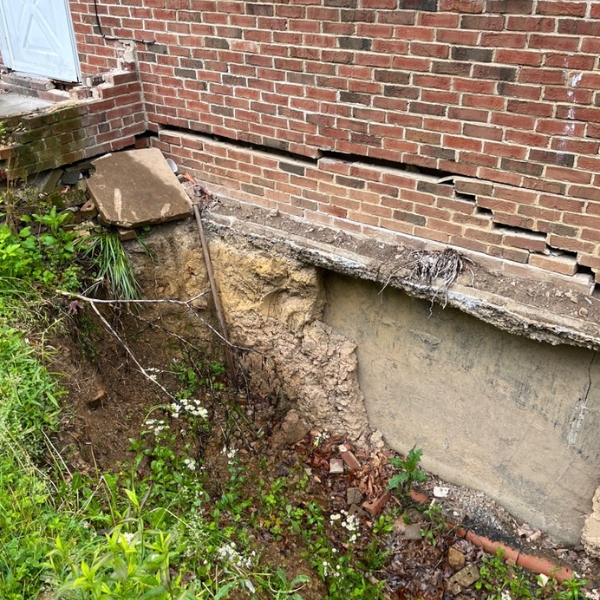
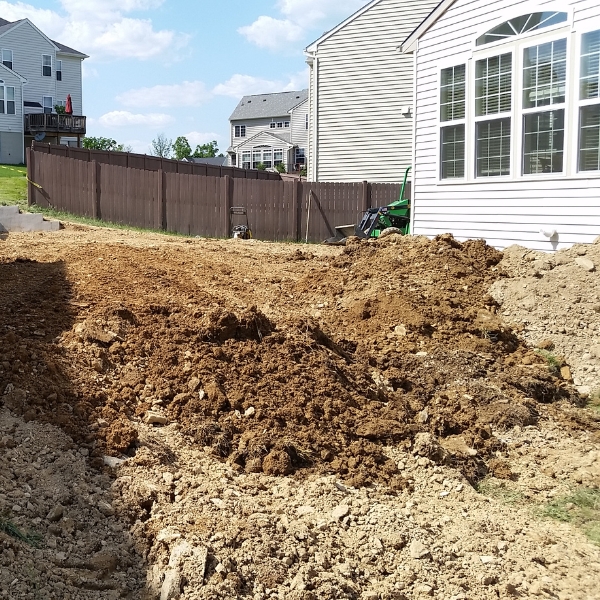
Soil erosion at a home’s foundation causing damage due to expansive soil, which needs crawl space repair in Jacksonville, Florida.

Why Expansive Soil Causes Crawl Space Damage in Florida

Expansive soil is ground that swells when wet and shrinks when dry. In Florida, constant rain, humidity, and soil changes make expansion more frequent, putting pressure on your home’s foundation. 


As the soil swells, it lifts or shifts the foundation, stressing joists, beams, and supports. When the soil dries, it contracts—leaving gaps that allow moisture and air to move into the crawlspace.


Over time, this cycle creates sagging floors, cracks, uneven settling, and moisture buildup. LUX identifies how soil movement is affecting your home so you can take action before the damage spreads.

What Makes Expansive Soil a Bigger Problem for Florida Crawl Spaces

Florida’s moisture cycle causes soil swelling and shrinkage to occur more often and more aggressively than in many other states. These environmental factors create pressure under and around your crawlspace, pushing moisture and shifting the structure.


Here’s what contributes to expansive soil–related crawlspace issues in Florida:

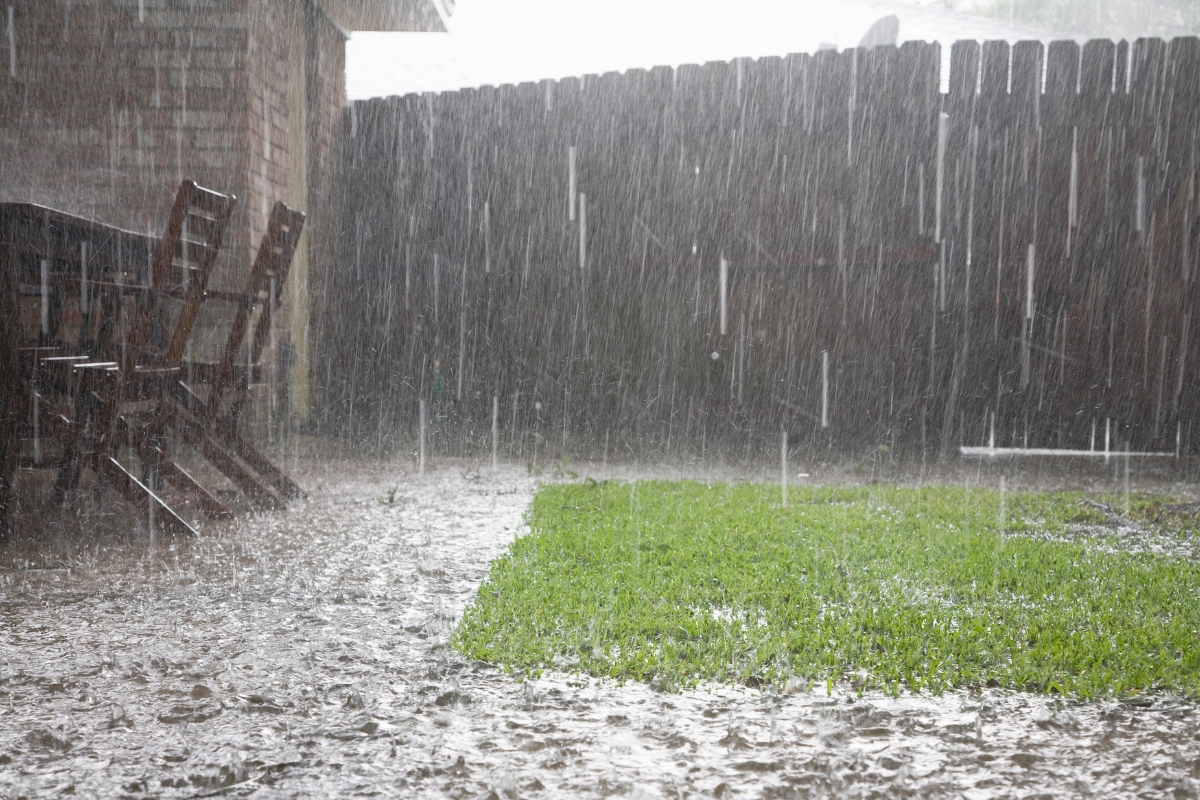
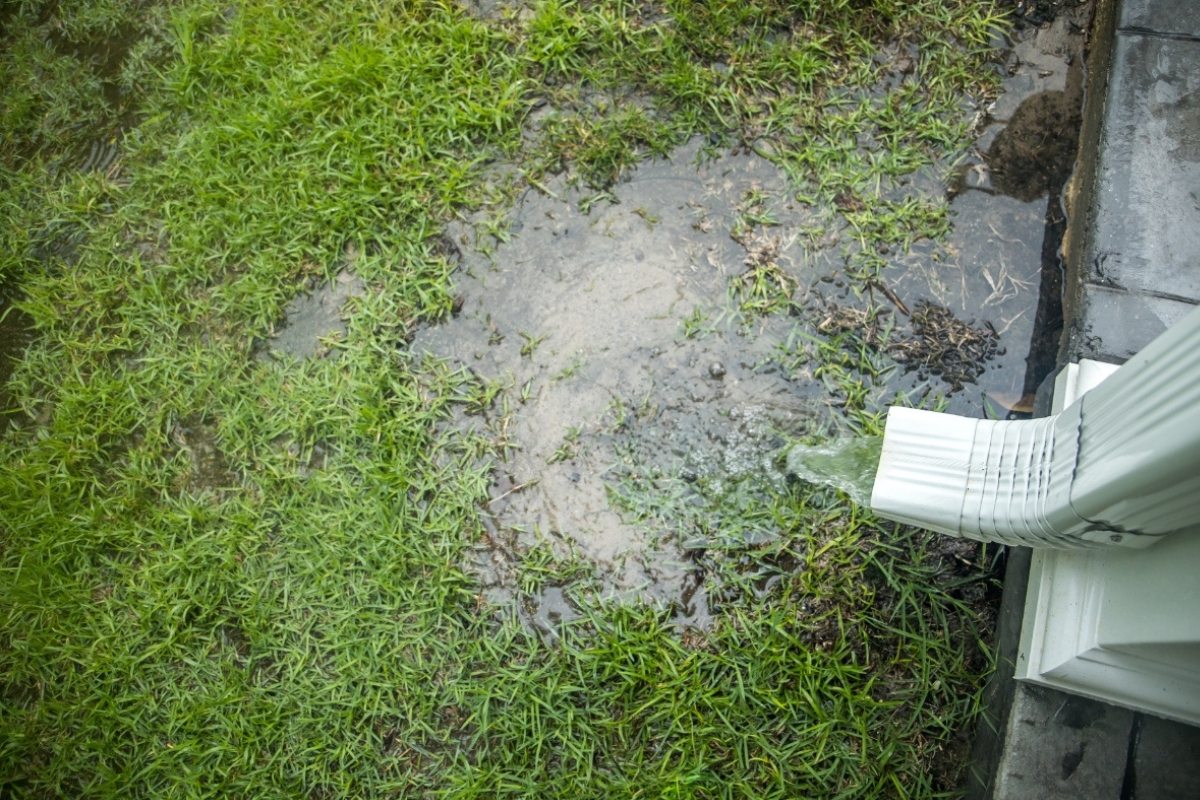
Heavy rain flooded a yard and soaked the ground around a home, causing expansive soil pressure in St. Augustine, Florida.

Frequent Rain

Heavy Florida storms soak the ground quickly, causing clay soil to swell and push upward against your crawlspace. When the soil stays saturated, this pressure increases, often leading to shifting supports, uneven floors, and recurring moisture under the home.

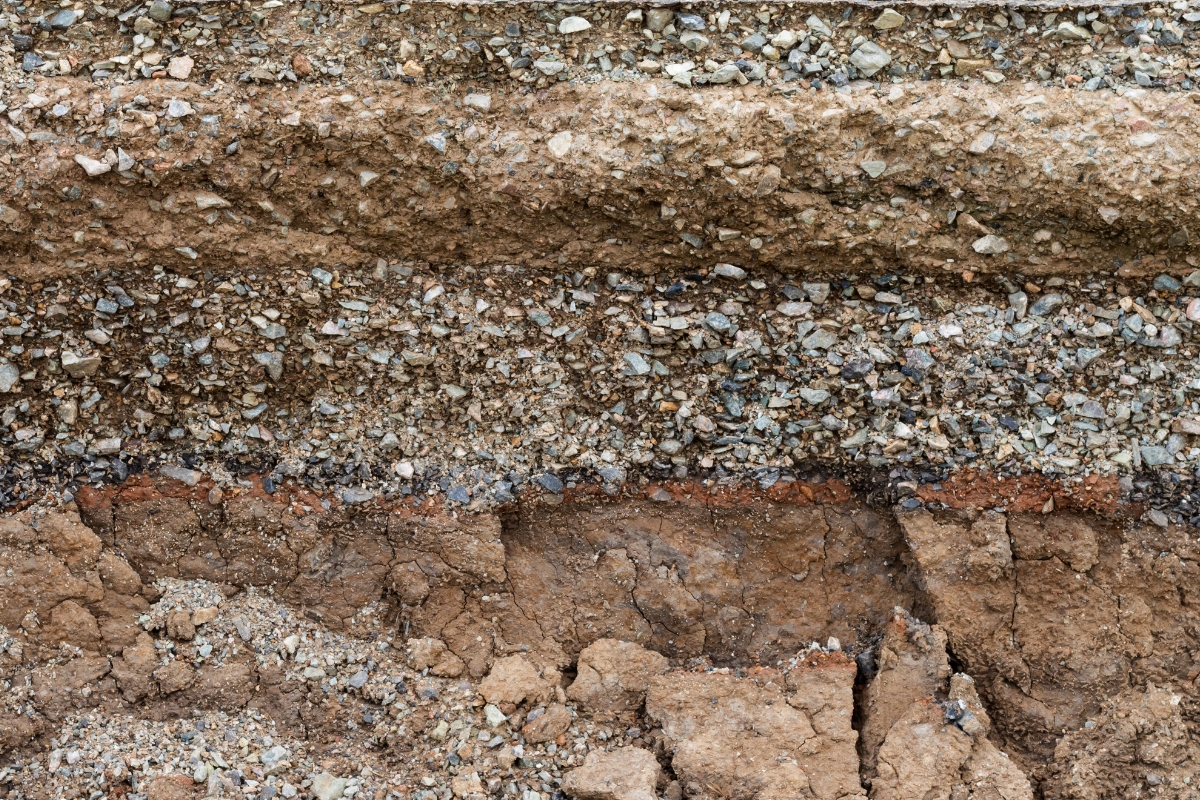
Exposed layers of clay and sandy soil showing pockets that can swell and shift a home’s crawl space in Palm Coast, Florida.

Clay Pockets in North Florida Soil

Many areas of North Florida contain clay pockets mixed with sandy soil. These clay sections expand and contract more aggressively, causing uneven soil movement under crawlspaces. This often leads to shifting supports, leaning walls, or stress cracks.

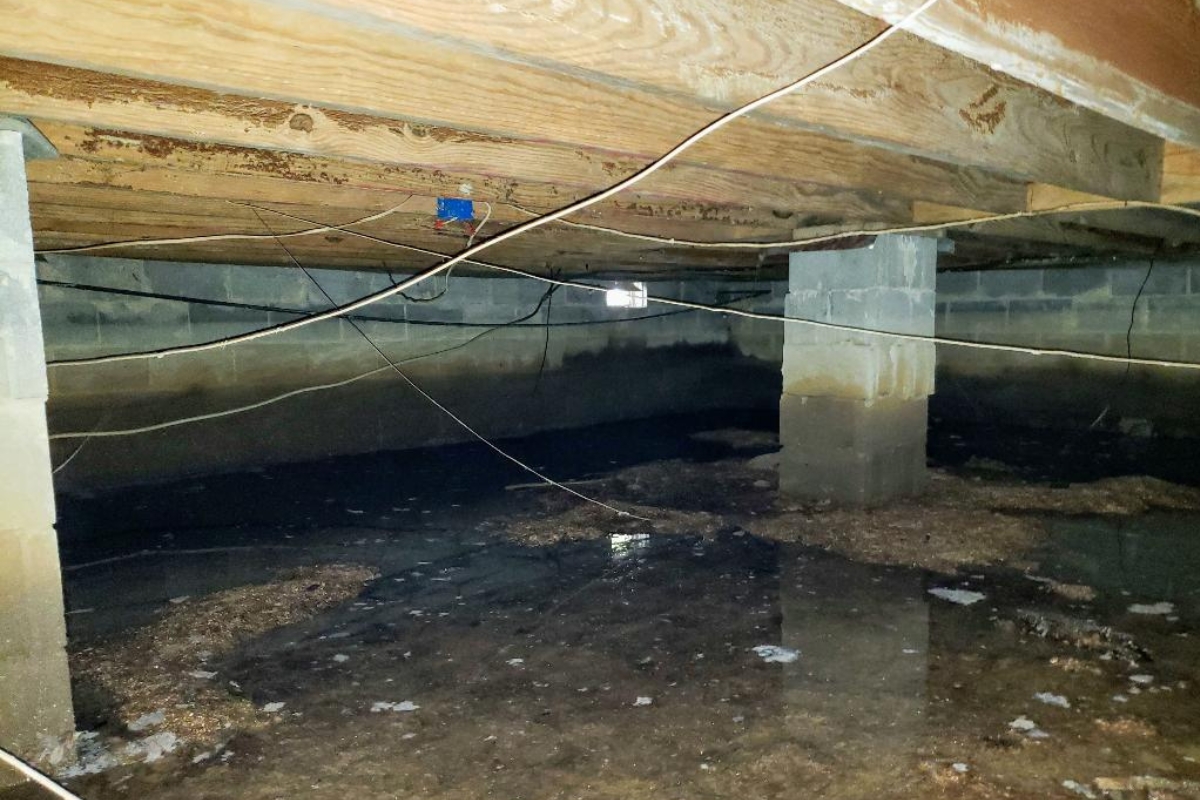
Standing due to groundwater under a home, causing soil expansion pressure that can shift the crawl space in Ocala, Florida.

Rising Groundwater


High groundwater levels saturate reactive clay soil from below. As the soil softens, the weight of your home causes piers and blocks to sink or tilt. This creates uneven floors and unstable crawlspaces.

Water pooling beside a home from poor drainage, soaking the soil, causing expansive soil swelling in Gainesville, Florida.

Poor Drainage Around the Home’s Foundation

Improper grading, short downspouts, and ineffective drainage allow water to collect near the foundation. In Florida’s frequent storms, this trapped water causes the surrounding soil to swell faster and stay wetter longer. Over time, this increases pressure on crawlspace supports and speeds up soil movement beneath the home.

These repairs can be combined for long-term stability. LUX evaluates the soil conditions and crawlspace structure to recommend the best approach for your home.

Proven Solutions to Fix Crawl Space Damage Caused by Expansive Soil in Florida

Expansive soil constantly shifts beneath your home—swelling during rain and shrinking during dry spells. LUX Foundation Solutions uses long-term repair systems built for Florida’s soil and moisture conditions to stabilize your crawlspace, prevent structural shifting, and block moisture caused by ongoing soil movement.

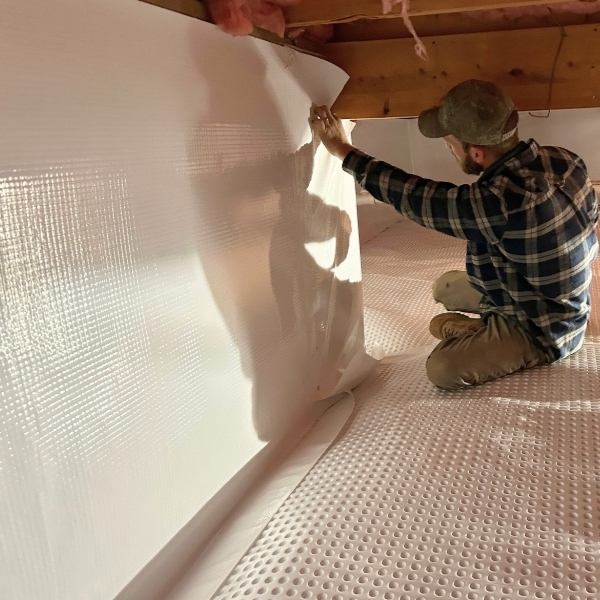
Technician sealing a crawl space with a vapor barrier to limit moisture and expansive soil movement in St. Johns, FL.

Crawl Space Encapsulation

Encapsulation seals the crawlspace to control moisture that triggers soil expansion. LUX installs vapor barriers, insulation, and sealed vents to prevent soil below from absorbing excess humidity. This helps reduce swelling cycles that weaken supports and wood framing.

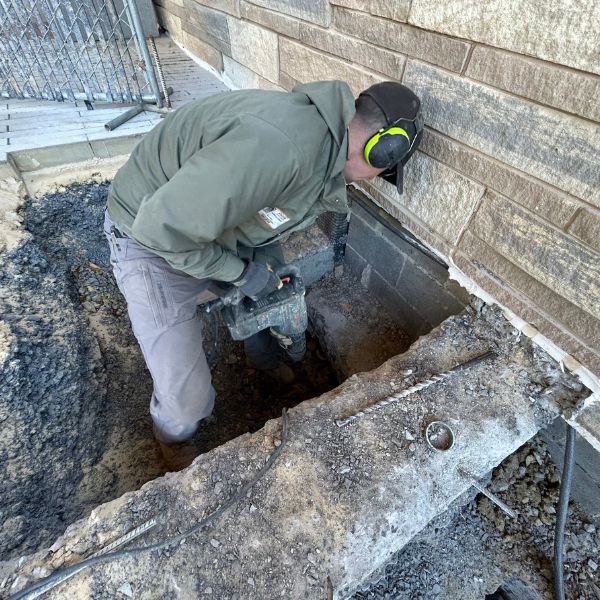
Technician excavating to prepare for foundation stabilization, an expansive soil damage solution in Fort Lauderdale, FL.

Foundation Stabilization

Foundation stabilization restores strength when reactive clay soil makes your floors sink or shift. LUX installs steel push piers, helical piers, or crawl space support posts to counter soil movement. These systems keep Florida homes stable despite moisture-heavy soil, storm saturation, and recurring ground pressure changes.

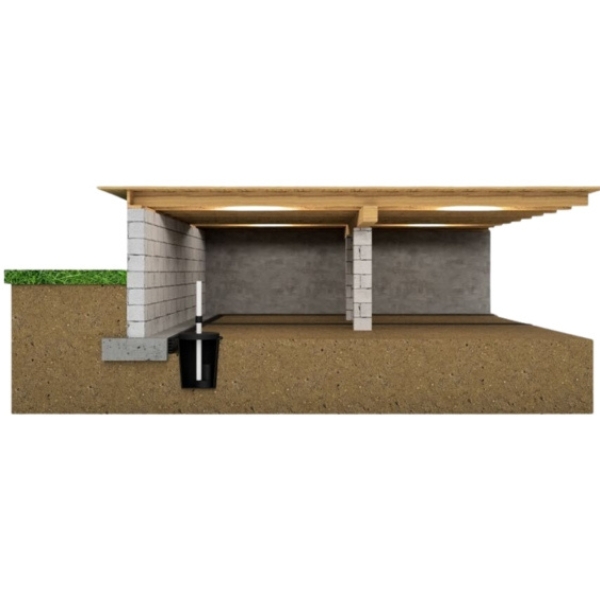
Illustration of an installed crawl space drainage system to lower moisture and prevent expansive soil damage in Middleburg, Florida.

Drainage System Installation

Drainage systems move stormwater away from the home to prevent soil saturation. LUX installs French drains, trench drains, or sump systems to keep the soil dry and stable. This solution works best when soil expansion happens after heavy rain or pooling water.

Newly graded soil sloped away from a home to improve drainage, causing moisture that can increase expansive soil in Palatka, FL.

Soil Grading and Landscaping

Proper grading redirects runoff away from your foundation and reduces moisture around expansive soil zones. LUX reshapes the soil, re-levels problem areas, and creates safer drainage paths. This helps prevent soil swelling that pushes against crawlspace walls or piers.

After we evaluate your crawl space, our team explains which repair method will restore your floor strength and stop moisture from causing further damage. You’ll get a clear plan built for Florida’s humidity and soil conditions so your floors stay solid, safe, and supported for the long run.

Protect Your Home From Expansive Soil Damage — Get a Free Assessment

Expansive soil problems are fixable when they’re addressed early. LUX Foundation Solutions understands how Florida’s wet seasons, high water tables, and shifting ground conditions impact crawlspaces. 


Our team strengthens your foundation, controls soil expansion, and restores long-term stability. We serve homeowners across Jacksonville, Gainesville, Ocala, Palm Coast, and St. Augustine. 


If you’re noticing sagging floors, shifting beams, or crawl space moisture, we’re here to help. Call 904-921-3589 to schedule your free estimate and protect your home’s foundation and value.

Request a free Estimate

FAQs About Expansive Soil Damage in Florida

How does expansive soil cause crawl space damage in Jacksonville homes?

Expansive clay soil absorbs water during storms and swells, then shrinks during dry periods. This movement pushes against piers, supports, and framing under your home. Jacksonville’s rain cycles make this soil shift more often. 


LUX can assess the crawl space and identify early structural changes.

What are the signs of expansive soil issues in Gainesville?

Look for uneven floors, cracks near the baseboards, sticking doors, or shifting piers. Gainesville’s high-moisture soil makes these symptoms show up sooner. 


LUX can assess the soil and crawl space to confirm whether movement is the cause.

Can expansive soil damage floor joists or beams in Ocala homes?

Yes. When soil expands, it lifts and twists supports, which strains joists and beams. Ocala’s soil conditions make this more likely after heavy rain. 


LUX can check the structure and recommend stabilization or joist repairs if needed.

How do I prevent expansive soil from damaging my Palm Coast crawl space?

The best approach is controlling moisture around the home through grading, drainage upgrades, and encapsulation. Palm Coast’s coastal moisture puts extra pressure on the soil. 


LUX can design a soil-management and waterproofing plan to reduce movement.

Scroll to Top