Written By Bridget Stieb, Director of Marketing at LUX Foundation Solutions • Reviewed by LUX’s foundation repair specialists serving Northern Virginia & Florida
If water is seeping through your foundation walls or collecting beneath your floor, something is causing it, and finding the source is the first step toward fixing the problem. In Florida, a high water table, heavy rainfall, and hurricane season can put much more stress on foundations than homeowners in many other states experience
The causes of foundation water leaks are specific, and knowing which one is affecting your home makes the difference between a targeted fix and an expensive guessing game. In this guide, we’ll cover the 8 most common causes of foundation leaks, what each one does to your foundation over time, and the steps to take when foundation water intrusion is already happening.
What Causes Foundation Leaks in Your Florida Home?
Your foundation does not leak without a reason. Several conditions work together to force water through foundation walls, slabs, and crawl space floors. To prevent a leaking foundation, you first have to understand it. Here are the eight most common causes your home may be dealing with.
1. Hydrostatic Pressure from a High Water Table
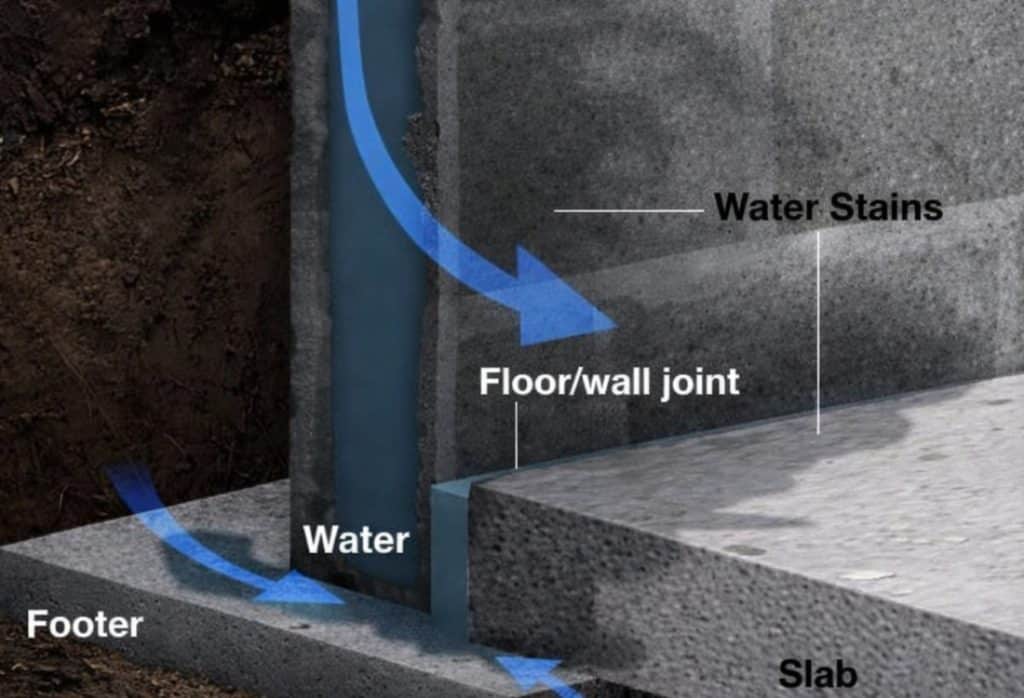
One of the common causes of foundation leaks is hydrostatic pressure, which occurs when groundwater pushes against your foundation walls and floor.
Florida’s water table sits closer to the surface, so after heavy rainfall or during hurricane season, the soil surrounding your foundation can saturate quickly, exerting pressure on the structure. Over time, that pressure pushes excess water through porous concrete and any existing cracks or gaps, leading to leaks.
2. Improper Grading Around Your Home
The soil around your home should be graded so water flows away from the foundation, not toward it. When a yard settles or is graded incorrectly, rainwater can flow directly toward your foundation every time it rains. In Florida’s flat landscape, even a small slope toward the house can cause water to collect around the foundation over time.
3. Poor Drainage Around the Foundation
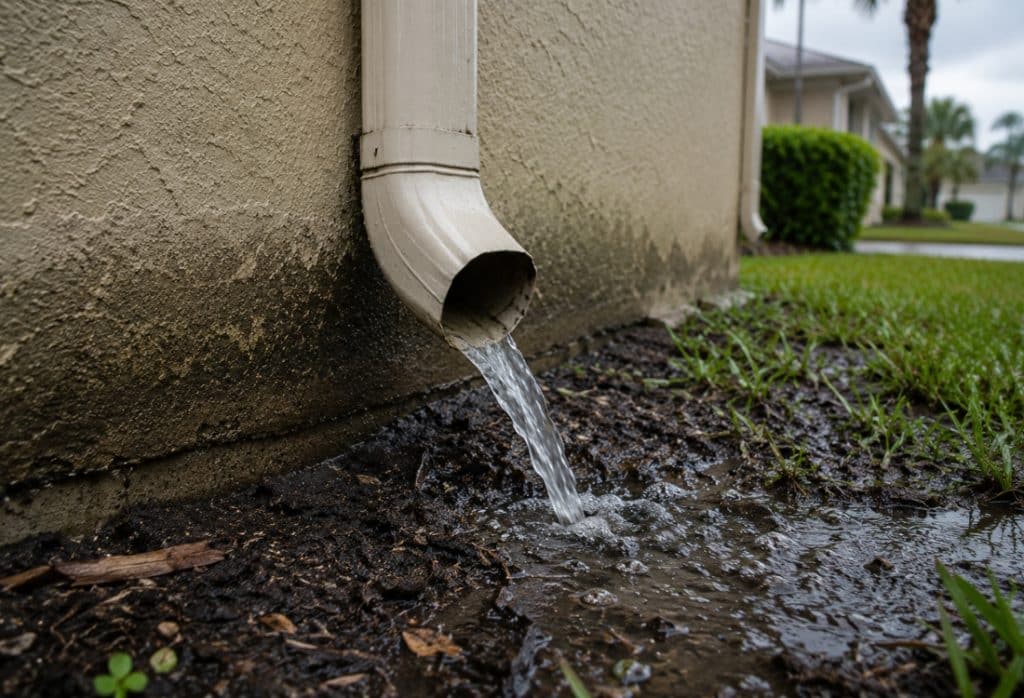
When water has nowhere to go, it collects against your foundation. Clogged gutters overflow and deposit concentrated volumes of water directly at the base of your walls during heavy rain.
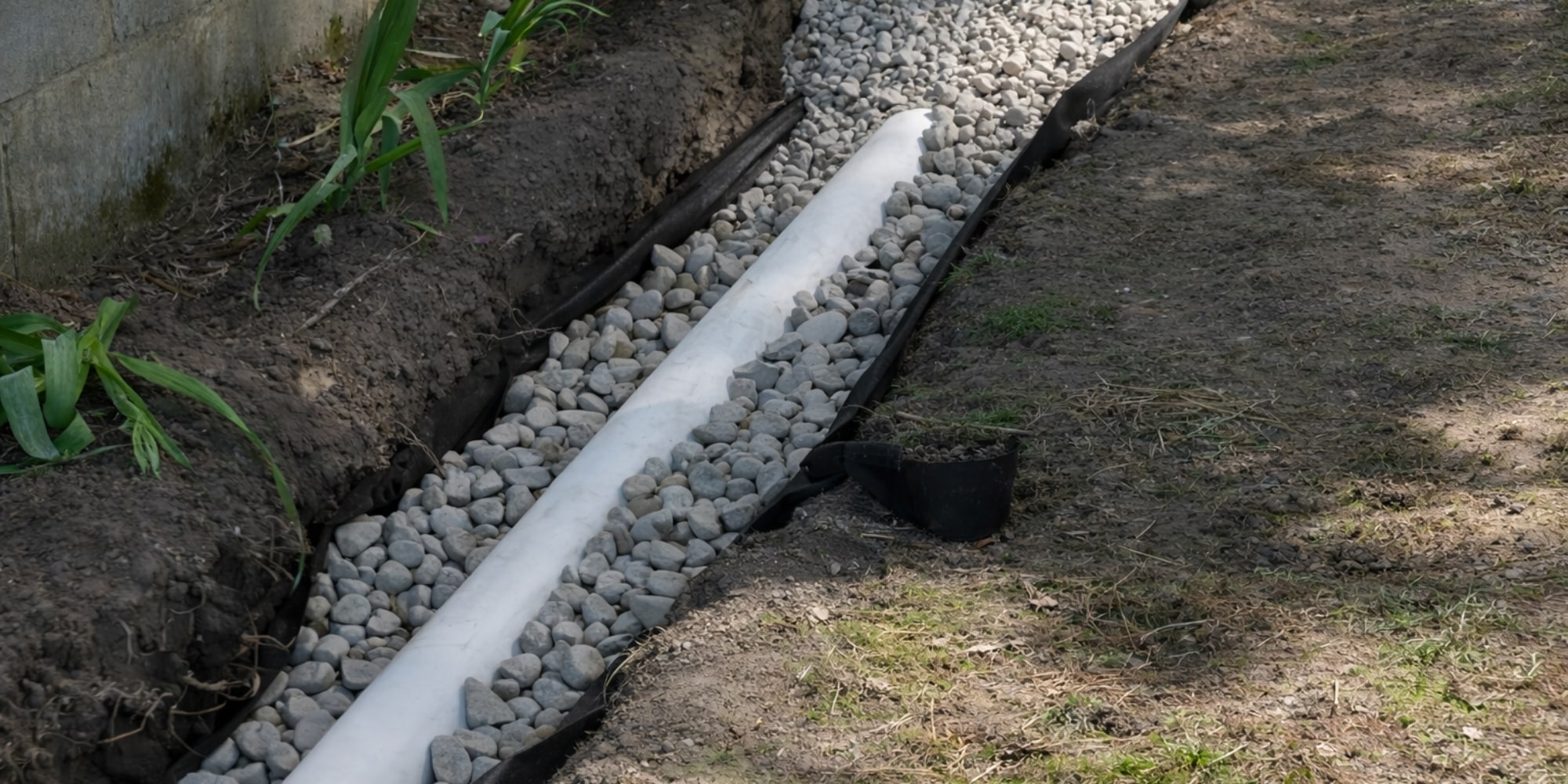
Short downspouts that discharge too close to the foundation send roof runoff straight into the soil around your footing. Without a proper foundation drainage system such as a French drain to direct water away from the entire structure, it accumulates and forces its way in.
4. Deteriorated Waterproofing
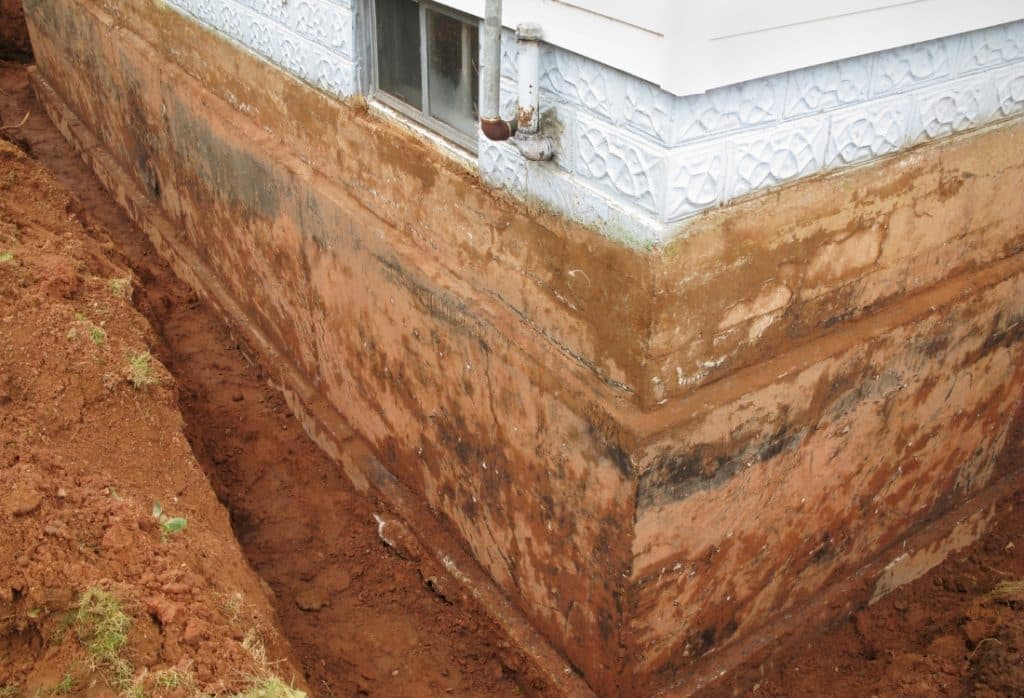
Most foundations receive a proper waterproofing coating during construction. Florida’s heat, humidity, and shifting soils can cause that waterproofing coating to wear out faster than it would in cooler, drier areas. Once the coating begins to fail, groundwater can come into direct contact with the foundation walls through porous concrete and existing cracks, making it easier for moisture to get through.
5. Foundation Cracks from Soil Movement and Settlement
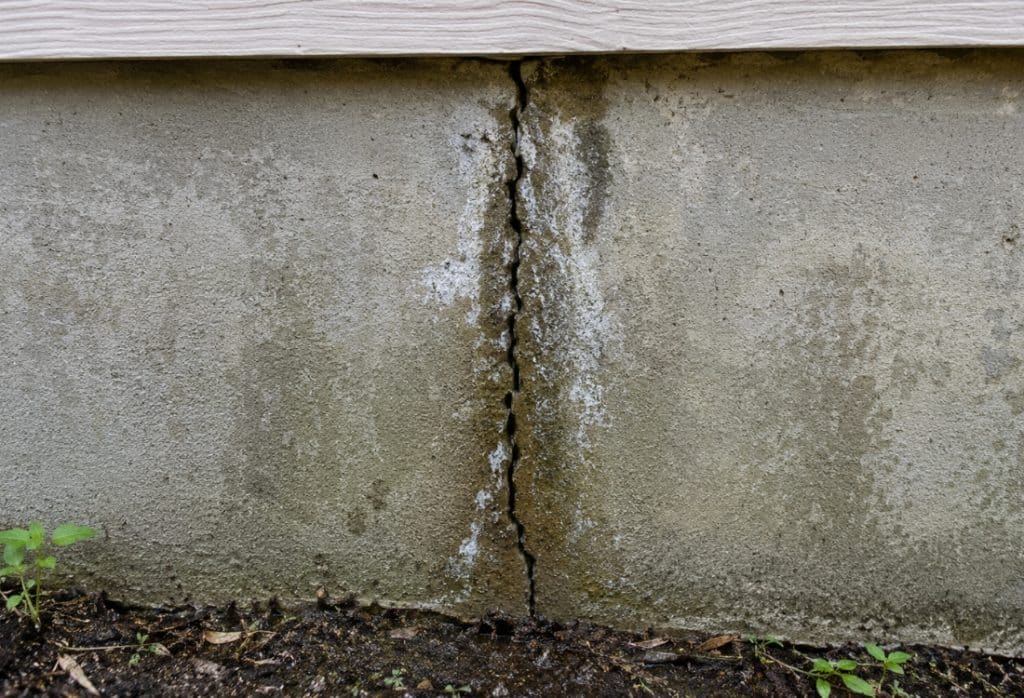
In Florida, heavy rain and extended dry weather can cause the sandy soil beneath a foundation to shift, settle, or erode. As the soil moves, it can put stress on your foundation walls and slab.
What starts as a hairline crack can widen progressively with each season of soil movement. If you are already noticing cracks in your foundation walls, that movement is allowing more water to enter with every storm.
6. Plumbing Leaks Beneath the Slab
A slow leak from a supply line or drain pipe running beneath your slab can go undetected for months. The water saturates the soil below and around your foundation from the inside out, creating excessive moisture under your foundation that is often mistaken for external water intrusion leading to foundation damage until a proper inspection identifies the source.
7. Clay Bowl Effect
When your home was built, the soil around your foundation was excavated and was backfilled after construction. That backfilled soil is looser and more permeable than the surrounding undisturbed earth. In Florida’s clay-mixed areas like Gainesville and Ocala, rainwater collects in that loose soil much like a bowl filling with water.
That trapped water then accumulates and builds pressure against your foundation walls, forcing water through any available opening and causing leaks.
8. Tree Root
A year-round growing season keeps tree root systems continuously active. Live oaks, palms, and ficus trees common in Florida neighborhoods send roots outward in search of moisture, and the damp soil around your foundation is exactly what they are looking for.
As root systems expand, they exert physical pressure on walls, opening cracks and pathways for water to seep through the foundation over time.
What to Do If Your Foundation Is Leaking?
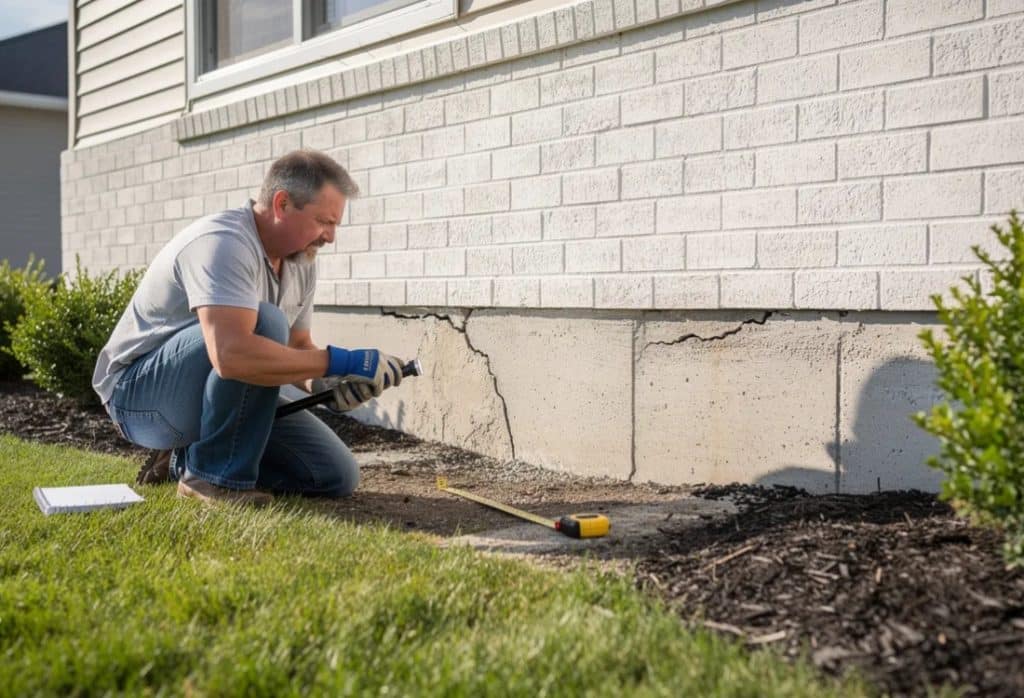
Seeing a foundation leaking can be frustrating, but taking action before it gets worse is what protects your home from further damage. After understanding the causes above, here are the immediate steps you can take to slow further leakage before the next rain while you arrange a professional assessment.
1. Check Your Gutters and Downspouts
After it rains, walk around your home and check whether your gutters are overflowing or your downspouts are releasing water too close to the foundation. Clean out any debris from your gutters and ensure downspouts carry water at least 6 feet away from your foundation walls to direct water away and reduce concentrated water exposure during heavy rain.
2. Fix the Grading Issues Around Your Home
Check whether the soil around your foundation slopes away from the house or toward it. If the ground sits level or slopes toward your home, water is pooling at the base of your walls with every rain event. Adding soil to create an outward slope is one of the most cost-effective preventative measures to reduce water intrusion.
3. Seal Cracks in the Foundation
Small, stable foundation cracks can be sealed with a polyurethane or epoxy sealant to help keep water out as a temporary protective measure. However, sealing a crack without identifying the underlying cause only addresses the symptom. If the crack is getting larger or measures more than 1/8 inch wide, a professional assessment is needed before any repair.
4. Monitor the Moisture Level Inside Your Home
Use a hygrometer to check and monitor humidity levels in your crawl space and the rooms above it. Consistently elevated humidity with no obvious cause can indicate moisture moving upward from below. And in severe cases can begin to affect air quality inside your home. Track any changes in your floor’s soft spots, bouncy sections, or visible warping as early warning signs.
5. Document What You Are Seeing
Take photos of any sign of water intrusion you notice and keep track of where it appears, when it happens, and whether it gets worse after it rains. Note the date and any changes you notice after rainfall. This documentation helps a foundation specialist identify the source faster and recommend the right foundation leak repair solution.
6. Contact a Foundation Repair Professional
If you are unable to identify or address the source of the leak on your own, the best move is to contact a licensed foundation repair company. A professional assessment identifies the leak in the foundation wall exactly where the water is entering and recommends the right solution to resolve the issue permanently.
Is Your Florida Foundation Showing Signs of Water Intrusion?
Foundation leaks in Florida do not pause between rain events. Every wet season without a proper fix gives water more time to work through your foundation walls and compromise the structure below.
If you are experiencing foundation leaking in our service area, our team at LUX Foundation Solutions is here to help. With our expertise in professional foundation waterproofing, we will ensure your foundation gets the right solution for Florida’s unique soil and moisture conditions.
Contact us today at 904-231-9926 to discuss your foundation leak concerns or fill out our free assessment form to schedule an online evaluation.
ABOUT THE AUTHOR

Foundation Leaks FAQs
How serious are foundation water leaks?
A foundation leak is a serious problem that compromises your home’s structural integrity if left unaddressed. When water gets into the foundation area, it can contribute to foundation settlement, mold growth, and wood rot in floor joists and subflooring.
In Florida, frequent rain and high humidity can make the problem worse over time, especially when repairs are delayed.
How do I know if my foundation is leaking?
Signs of a leaking foundation include visible water stains or damp spots along foundation walls, efflorescence on foundation walls or concrete surfaces, visible cracks in walls or the slab, a persistent musty smell near ground level, and increased interior humidity that does not respond to normal ventilation. If you notice any of these signs in your home, a professional assessment is the next step.
Does homeowners’ insurance cover leaks in foundation walls?
Foundation leaks caused by long-term water problems, poor drainage, or shifting soil are usually not covered by homeowners’ insurance. Coverage may apply if the leak results from a sudden incident, such as a burst pipe.
Before starting any repairs, check with your insurance provider to see what your policy covers.
How to fix a foundation leak from the outside?
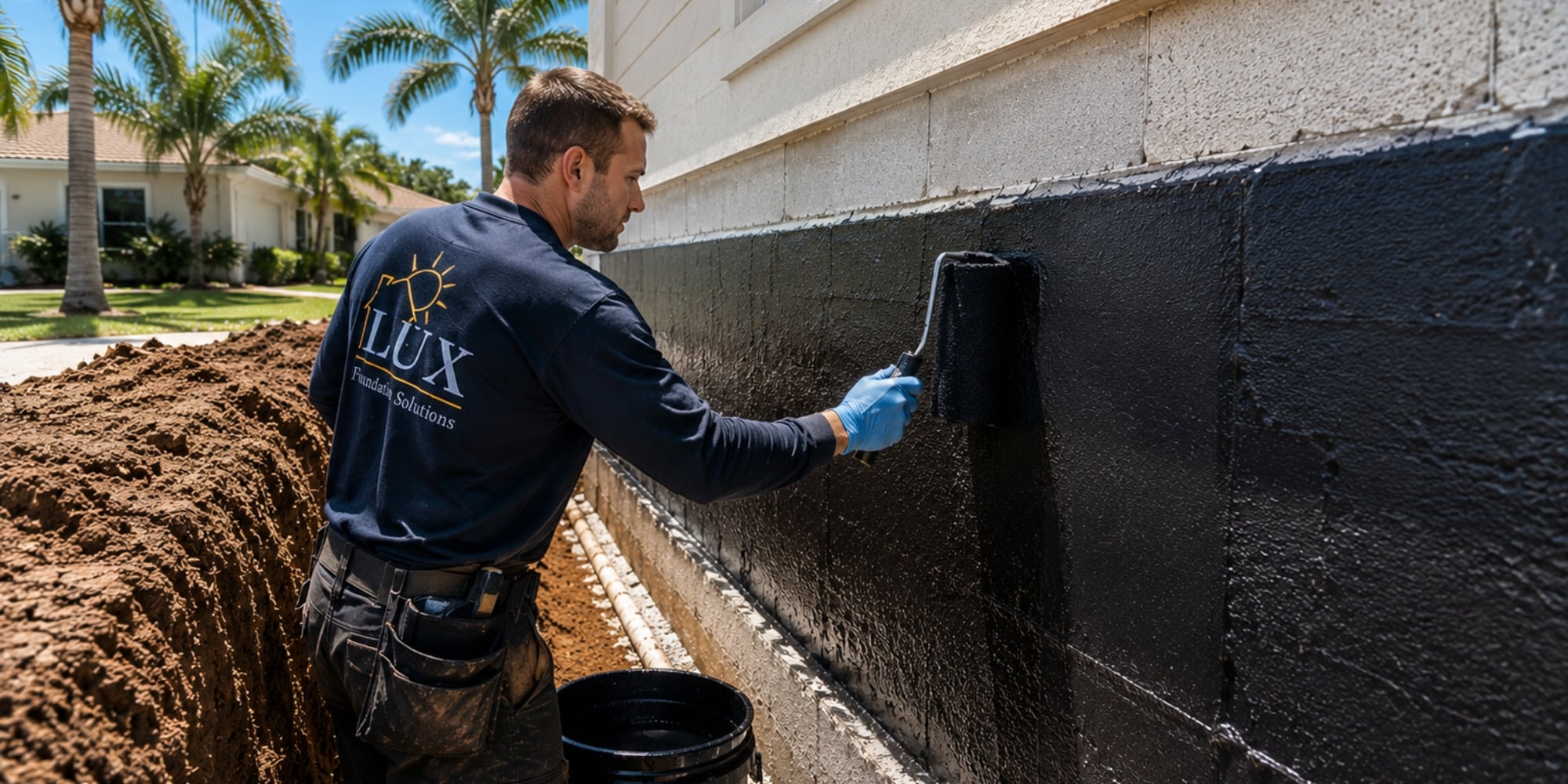
Fixing a foundation leak from the outside typically involves excavating around the foundation perimeter, sealing cracks and damaged areas, applying a waterproofing to the exterior walls, and installing a drainage system, so water does not collect around the foundation.
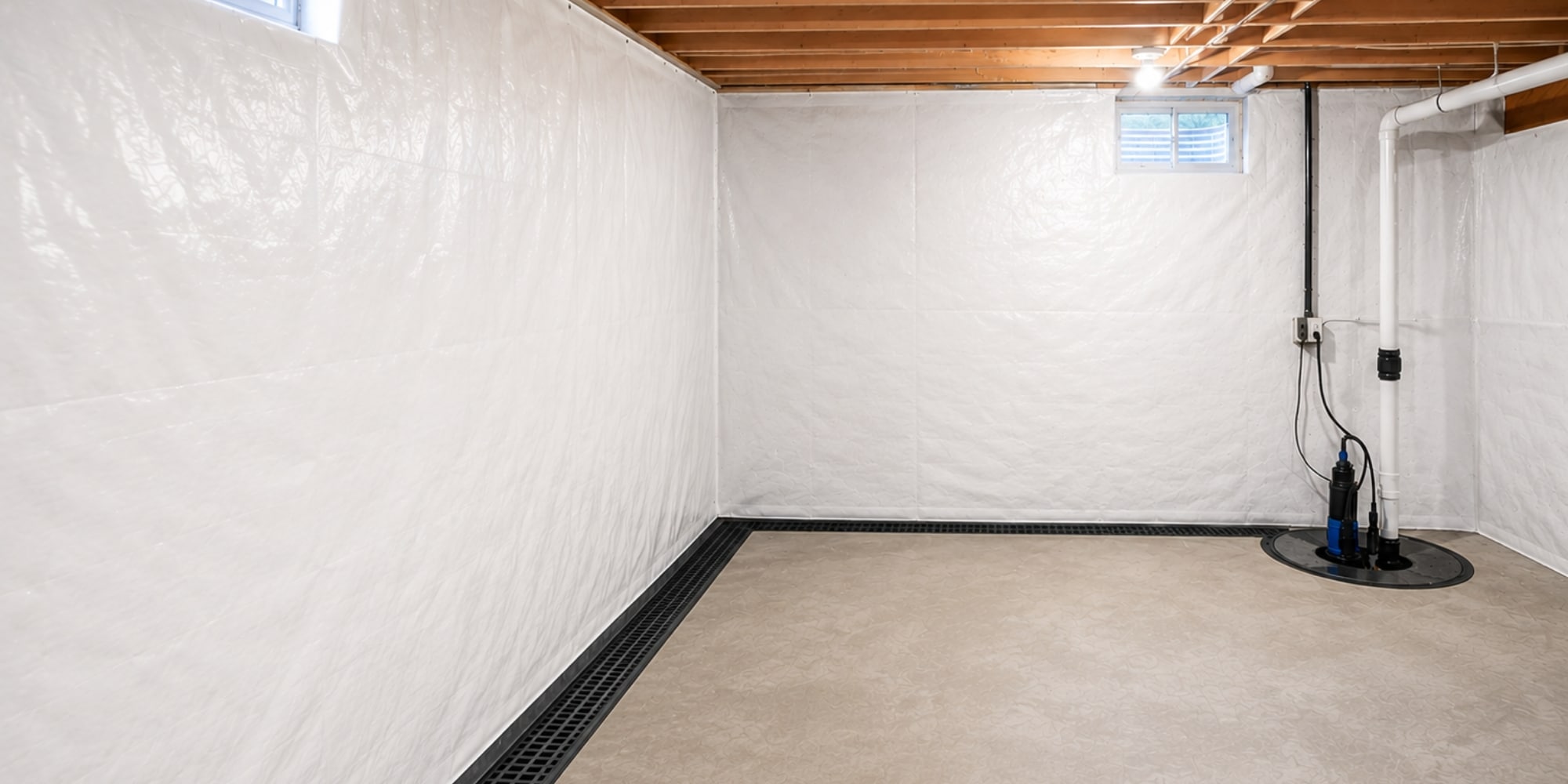
This is not a DIY repair. Understanding the interior vs. exterior foundation waterproofing repair options requires professional expertise, specialized equipment, and a clear understanding of Florida’s soil and drainage conditions to ensure a lasting repair.
Can I fix a foundation leak myself?
Some minor foundation leak issues can be handled yourself, such as extending downspouts, clearing gutters, and regrading soil away from the foundation, to help reduce water intrusion.
However, many foundation leaks are caused by issues such as hydrostatic pressure, soil movement, or failing waterproofing that usually need a professional inspection . Sealing a crack without addressing the underlying cause only hides the moisture and allows damage to continue beneath the surface.
Can foundation leaks be prevented in Florida’s climate?
Yes. Foundation water leaks can be prevented by maintaining proper grading away from the foundation, keeping gutters clean, extending downspouts at least 6 feet from the home, sealing cracks early, and having the foundation inspected before and after hurricane season. Florida’s year-round moisture conditions mean preventing foundation leaks requires regular maintenance instead of a one-time repair.