Written By Bridget Stieb, Director of Marketing at LUX Foundation Solutions • Reviewed by LUX’s foundation repair specialists serving Northern Virginia & Florida
If your foundation has cracks, the first question that comes to mind is usually the same: what do I do about this and how serious is it?
The right way to fix foundation cracks depends on what is causing the foundation problems and whether the foundation is still moving. Some cracks can be repaired directly, while others require foundation stabilization or wall reinforcement before addressing the visible damage.
This guide explains what to do about foundation cracks and the professional methods available to fix them, so you can understand your options before speaking with a foundation specialist.
Key Takeaways
- Not all foundation cracks are repaired the same way. The right repair method depends on the crack type, whether it is hairline cracks or severe structural damage, what is causing it, and how severe the damage has become.
- Repairing a cracked foundation always follows two steps: stabilize the underlying cause first, then seal the crack. Sealing without stabilizing is a temporary fix that will fail.
- The most serious cracks, such as horizontal cracks and severely bowing walls require structural repair methods like wall anchors, carbon fiber reinforcement, or steel I-beams. Sealants alone will not hold nor will they fix the underlying issue.
- Settlement-driven cracks require foundation stabilization through push piers, helical piers, or slab pier systems before any crack filling is done.
- A professional foundation assessment is the only reliable way to confirm the right repair method for specific cracks, settlement, soil conditions, and foundation type.
What Should You Do When You Find a Foundation Crack?
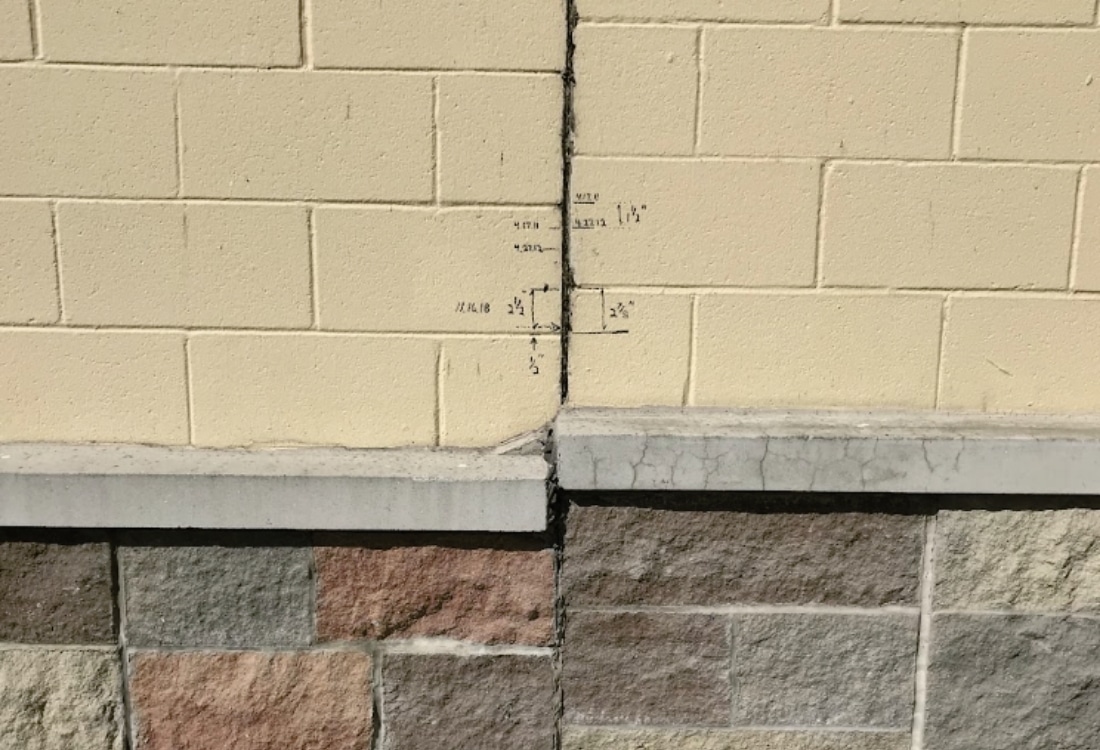
Finding a crack does not automatically tell you how serious the problem is or how to repair it. Before attempting to fix a foundation crack, pay attention to whether it is changing and whether other signs of foundation movement are appearing.
1. Check Whether the Crack Is Changing
Note the crack’s width, length, and whether it appears to be growing or shifting. A crack that keeps changing may be a sign of ongoing movement, so simply filling the foundation cracks may not fix what is causing them.
2. Look for Other Signs of Foundation Movement
Check for related issues such as sloping floors, sticking doors or windows, bowing walls, or cracks in concrete walls that may indicate a larger structural issue. These signs can help determine whether the cracked foundation is linked to a more serious structural issue.
3. Avoid Assuming the Visible Crack Is the Only Problem
Repairing cracked foundation areas without identifying the cause can provide only a temporary fix. If settlement, soil movement, moisture, or structural pressure is still affecting the home, the crack may continue to worsen or return after the surface repair is done.
4. Have the Underlying Cause Evaluated
A professional inspection can identify the cause of the movement and determine whether foundation crack repair, stabilization, wall reinforcement, or another solution is needed. This helps address the cause of the crack instead of just repairing the visible damage.
The Two Steps Every Foundation Crack Repair Follows
The right repair for any foundation cracks starts with determining whether the crack is caused by ongoing structural movement, normal settling, or is limited to the damaged concrete itself. If movement is present, address the underlying problem before repairing the visible crack.
Step 1: Address the Underlying Cause
If settlement, soil pressure, or wall movement is causing the crack, the foundation or wall may need stabilization or reinforcement first. Repairing the surface without addressing ongoing movement can allow the crack to worsen or return.
Step 2: Repair the Damaged Area
Once the underlying issue is addressed, or when no active movement is present, professionals repair cracks and fill foundation walls using the right material for the crack condition. Epoxy injection works best for dry, stable cracks. Polyurethane is better suited for cracks with minor moisture present.
Foundation Crack Repair Methods
Foundation cracks can require different repair methods depending on the type of damage and whether structural movement is involved. The options below range from direct crack repair for stable concrete to foundation stabilization and wall reinforcement for more serious structural problems.
1. Sealing and Filling the Crack
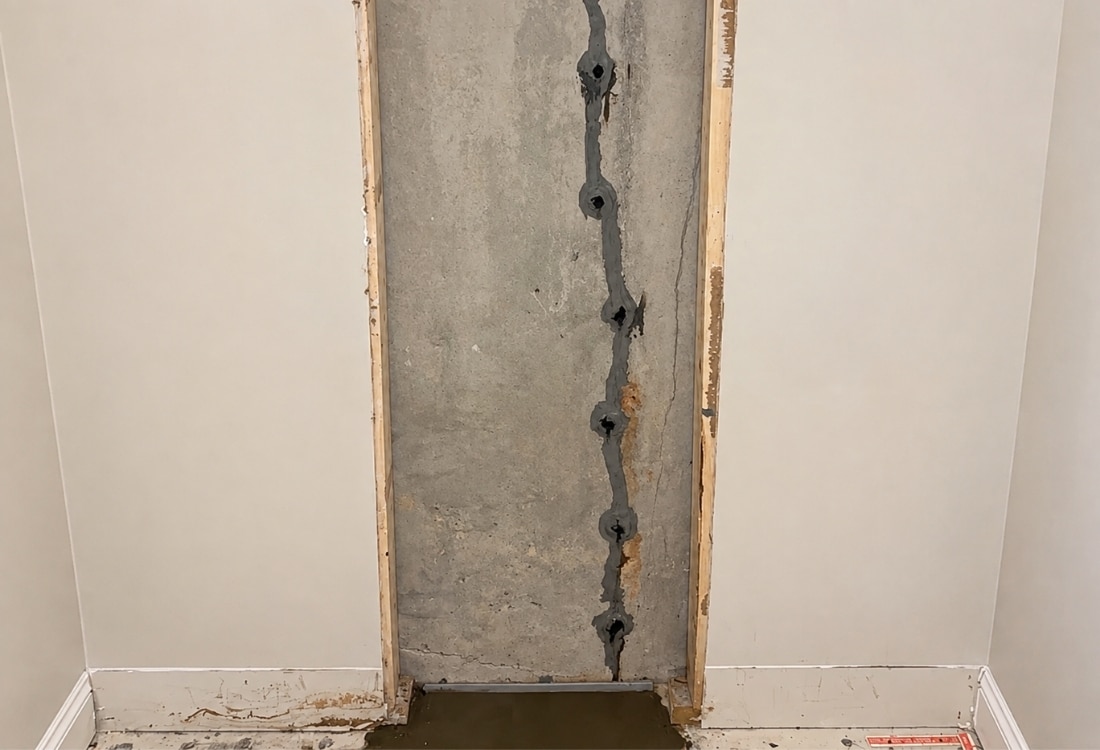
Concrete Foundation Crack Repair (Epoxy and Polyurethane Injection)
Epoxy and polyurethane injection can repair cracks in poured concrete walls or block foundations when there is no active structural movement. The crack is first cleaned of loose debris before the material is injected under pressure along the entire length of the crack.
Then the epoxy bonds the concrete back together, and polyurethane forms a flexible seal that can help prevent water intrusion. Epoxy works best for dry, stable cracks, while polyurethane foam is better suited for damp cracks with minor moisture present, but neither method should be used when the crack is still actively moving.
2. Stabilizing and Reinforcing the Foundation Wall
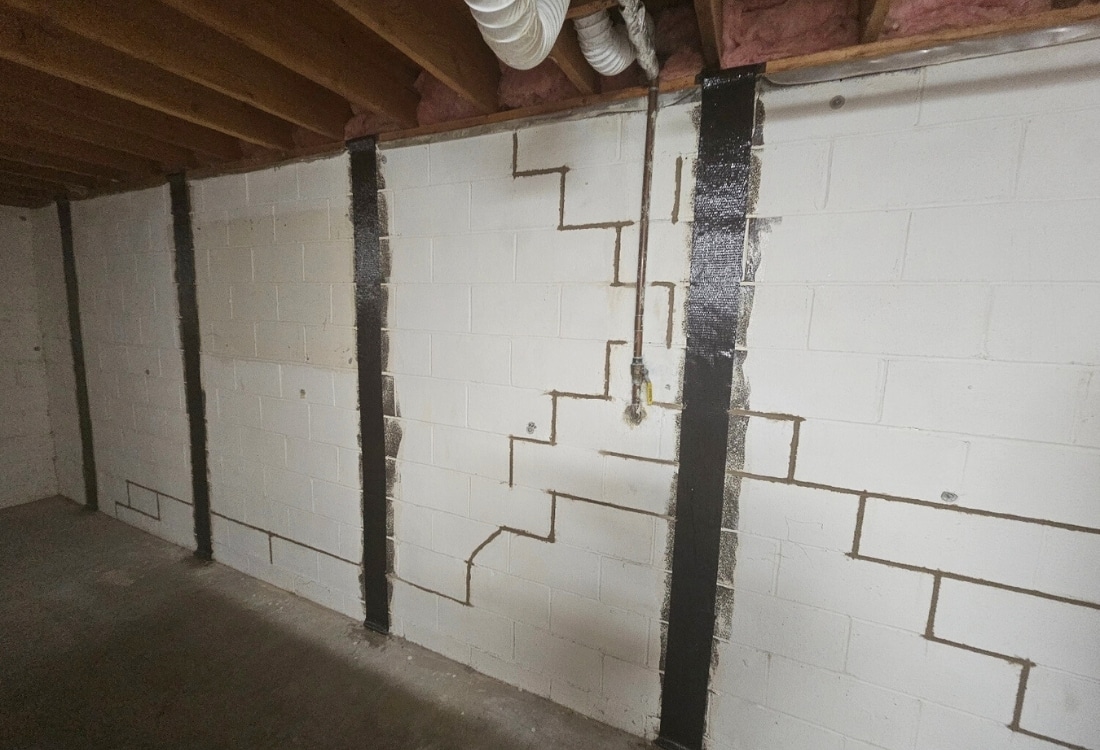
Foundation wall cracks develop when structural stress from outside soil pressure or movement pushes against the wall over time. Filling or sealing the crack alone does not stop the force causing the wall to move. Stabilization or reinforcement addresses that underlying movement and helps protect the wall from further damage.
Carbon Fiber Reinforcement
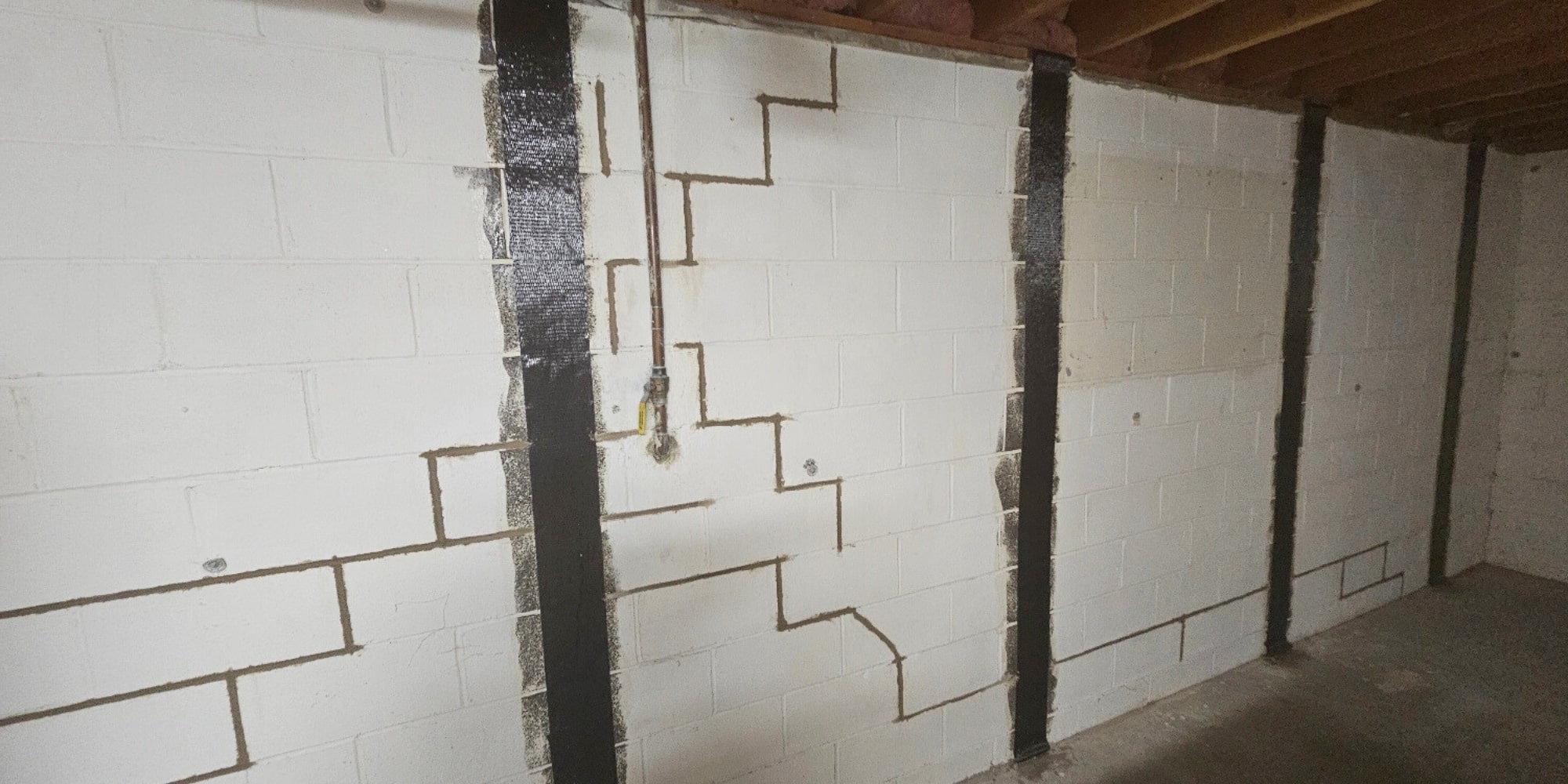
Carbon fiber reinforcement strengthens cracked foundation walls and helps resist additional inward movement. Carbon fiber straps are bonded vertically to the interior face of a bowing or cracking foundation wall. This added reinforcement helps limit further movement that could worsen existing cracks.
Wall Anchors
Wall anchors stabilize foundation walls affected by pressure from the surrounding soil. Steel anchor rods connect the affected wall to earth anchors installed in stable soil away from the foundation. This helps counteract inward movement and limit cracking caused by continued wall displacement.
Wall Stabilizer I-Beam
Wall stabilizer I-beams provide additional support for foundation walls experiencing inward movement. Steel I-beams are installed vertically against the interior face of the wall and secured to resist further movement. By controlling that movement, they help address a condition that can contribute to further cracking and structural damage.
Helical Tie Backs
Helical tiebacks address foundation wall movement caused by hydrostatic pressure and lateral soil load from the surrounding soil. Helical anchors are installed into stable soil and connected to the affected wall to resist outside pressure. The added support helps prevent further wall movement that could worsen existing cracks.
Wall Rebar Pins
Wall rebar pins reinforce damaged areas of a foundation wall where cracking or localized structural damage has weakened the concrete. Steel reinforcement pins are installed across or within the affected section to help strengthen and stabilize the damaged area. TThis added reinforcement helps support the wall and limit further damage after the cause of the cracking has been addressed.
3. Stabilizing the Foundation for Settlement and Sinking
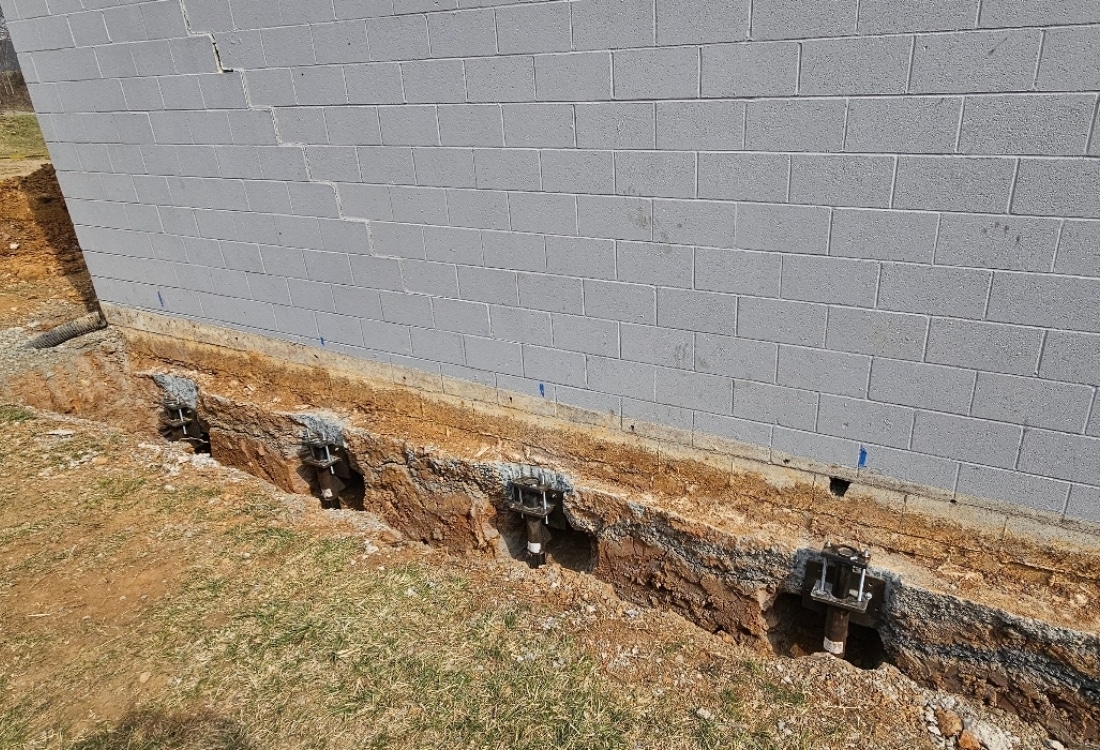
When foundation settlement or sinking causes cracks, repairing the visible damage alone does not address the movement beneath your home. Stabilizing the affected area helps limit further settlement and protect against additional foundation damage. Different pier systems can provide support based on your foundation type, soil conditions, and the extent of the movement.
Push Piers
Push piers stabilize foundation cracks caused by settlement or sinking by supporting the affected portion of your home. Steel pier sections are hydraulically driven through brackets installed beneath the foundation until they reach stable, load-bearing soil.
By stabilizing the foundation where settlement has occurred, push piers can help prevent further movement that could worsen existing cracks or cause new ones.
Helical Piers
Helical piers support settling areas of your foundation through screw-like steel shafts installed into load-bearing soil. The helical shafts are rotated into the ground and connected to brackets beneath or alongside the affected foundation. This provides additional support to stabilize the area and address the movement contributing to the cracks.
Slab Pier Systems
Slab pier systems provide support beneath a settling concrete slab foundation. Steel piers are installed through small access points around the affected slab area to provide support from below. Stabilizing the slab helps control further movement that could worsen existing cracks or cause additional cracks to develop.
4. Foundation Wall Replacement for Severe Damage
Some foundation walls have damage that is too extensive for stabilization, reinforcement, or direct crack repair alone. When the wall can no longer provide reliable structural support, replacement may be necessary. This approach restores the damaged section when less extensive repairs cannot provide the long-term stability needed.
Foundation Wall Replacement
Foundation wall replacement addresses severe cracking, deterioration, or structural damage when the existing wall cannot be reliably stabilized or repaired. The damaged section of the foundation wall is removed and rebuilt to restore the home’s structural strength and support. Replacing the wall provides a long-term solution when reinforcement, stabilization, or direct crack repair cannot adequately address the damage.
Matching Foundation Crack Type to the Right Repair
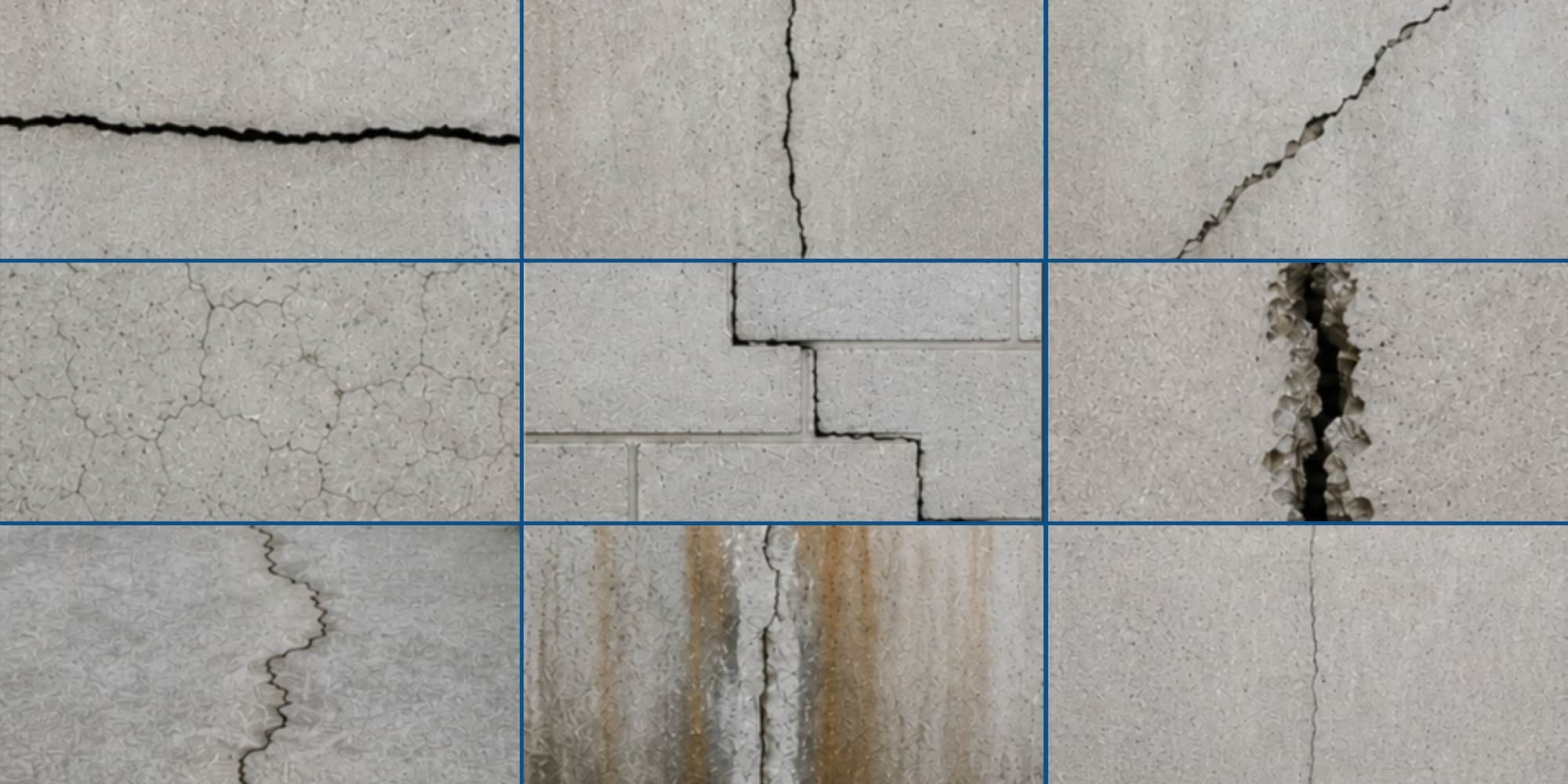
The table below provides a general guide to the repair methods that may be used for different types of foundation cracks and related conditions.
| Crack Type | Primary Repair Method | If Severe |
|---|---|---|
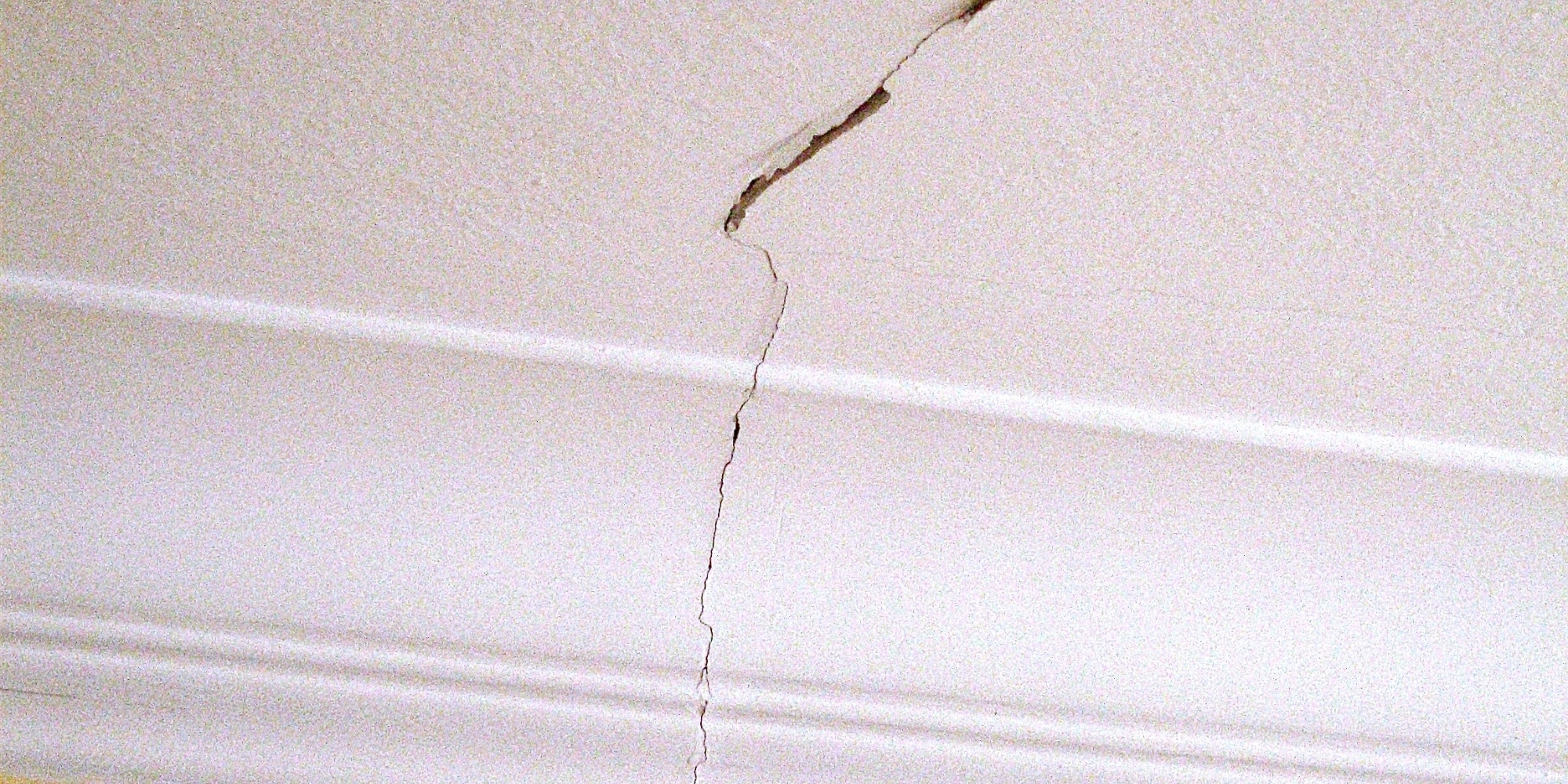
| Hairline or shrinkage crack | Concrete crack injection (epoxy or polyurethane) | Monitor — rarely escalates |
| Vertical crack (non-structural) | Concrete crack injection | Professional assessment if widening |
| Diagonal crack | Push piers or helical piers + crack injection | Foundation assessment |
| Stair-step crack | Wall rebar pins + push piers | Foundation assessment |
| Horizontal crack | Carbon fiber reinforcement or wall anchors | Steel I-beam or helical tie backs |
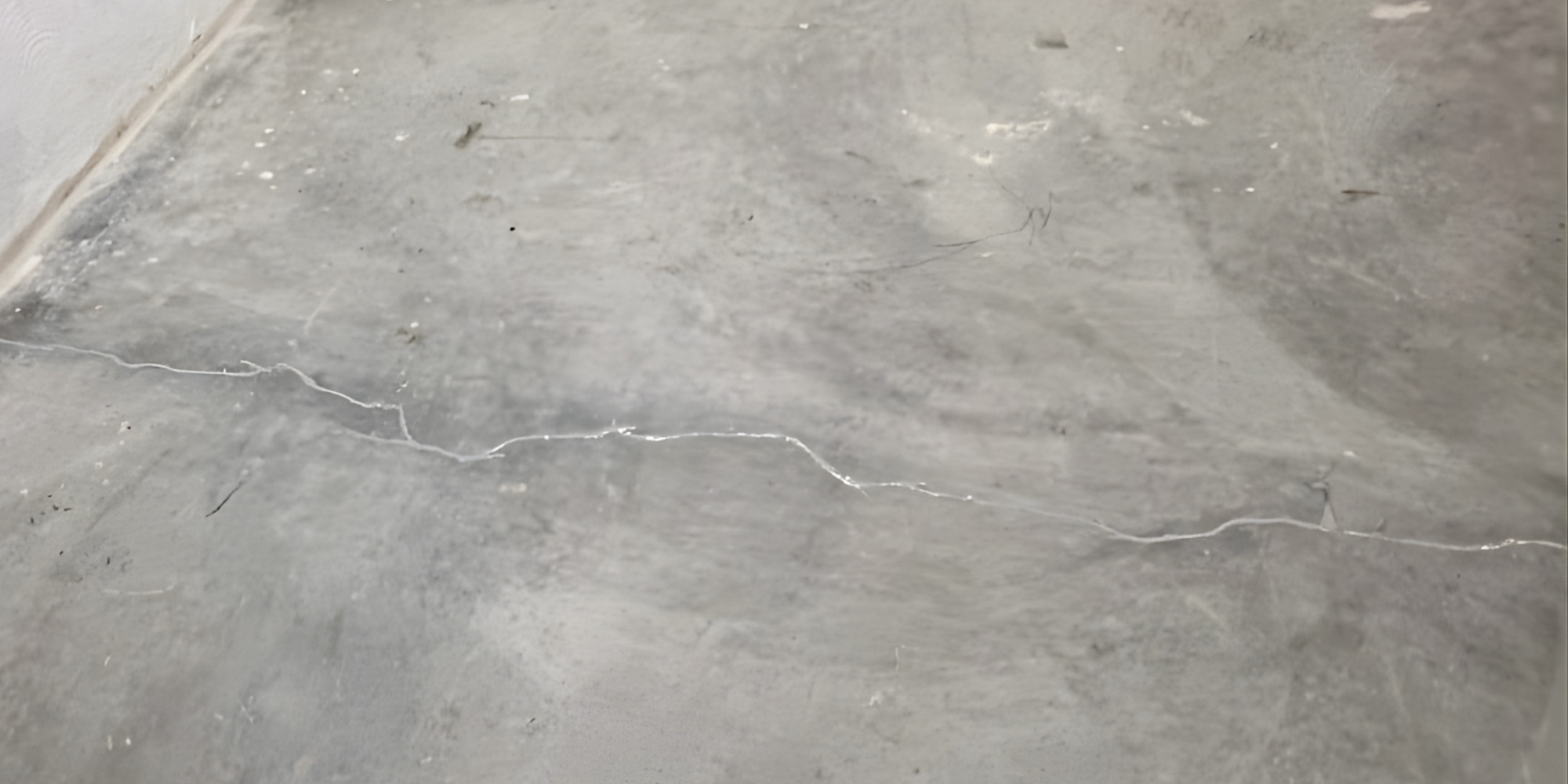
| Slab crack | Slab pier systems | Foundation assessment |
| Wet or actively leaking crack | Polyurethane injection + drainage correction | Professional assessment |
| Severe structural crack | Push piers + wall anchors | Foundation assessment required |
Important: This table is a general guide, not a diagnosis. The right repair depends on the crack’s condition, whether movement is ongoing, whether the goal is a permanent solution or temporary stabilization, and the structural and site conditions affecting your foundation. A professional assessment can determine the right solution for your home.
What to Expect During a Professional Foundation Crack Repair
- The Assessment
A foundation specialist inspects the crack and surrounding conditions to determine what type of repair is appropriate.
- The Repair
The work required depends on the recommended solution. Crack injection and interior wall reinforcement may require little or no exterior excavation, while pier installation, drainage work, or other exterior repairs can require more extensive site work.
- The Outcome
A properly selected repair addresses the specific condition affecting the foundation, whether that involves stabilizing movement, reinforcing a wall, repairing damaged concrete, or reducing water intrusion.
What Happens If Foundation Cracks Are Left Unrepaired
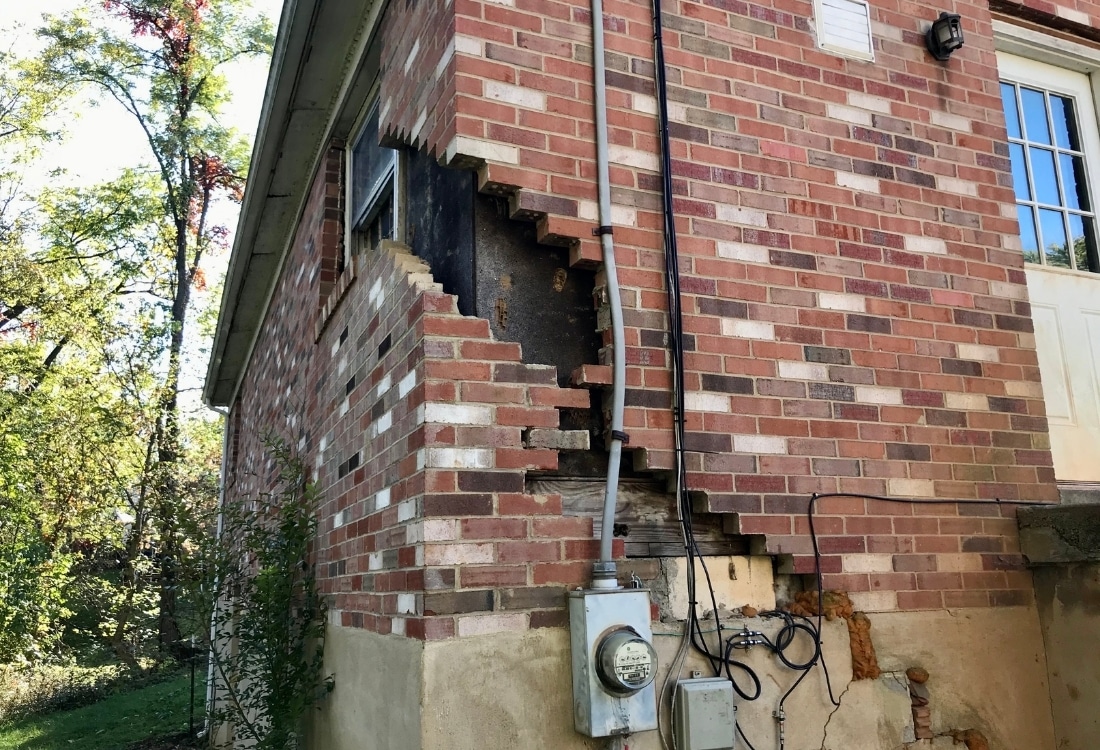
Some foundation cracks remain stable, while others can worsen when left unaddressed as the movement or pressure causing them continues. Cracks associated with settlement, wall movement, or water intrusion may become more serious if the underlying problem is not addressed.
Possible consequences can include:
- Multiple cracks appear in different areas of the foundation as settlement continues unchecked.
- New cracks forming in previously unaffected areas as underlying movement spreads.
- Cracks widen or recur as foundation movement continues.
- Increased wall movement or bowing where outside soil pressure is present.
- Water intrusion from poor drainage can contribute to moisture problems, mold, or wood damage.
- Additional foundation settlement that may require more extensive stabilization.
- Visible structural damage that may raise concerns for homeowners and potential buyers.
Having the crack evaluated early can save money and help determine whether monitoring, direct repair, stabilization, or another solution is appropriate.
Not Sure How to Fix Your Foundation Cracks? Start With a Free Assessment
Foundation cracks can have different causes and may require different repair methods. A professional inspection can help determine whether the problem involves settlement, wall movement, localized concrete damage, or another condition affecting your foundation.
LUX Foundation Solutions provides free foundation assessments for homeowners across Jacksonville, St. Augustine, Gainesville, Ocala, Palm Coast, and surrounding areas in Northern and Central Florida. Our team evaluates your foundation’s condition and recommends the repair approach that best fits your home’s needs.
Call 904-921-3589 or schedule your free foundation assessment online to get started.
About the Author

Frequently Asked Questions
How do I know which foundation crack repair method I need?
The right repair depends on the crack’s type and condition, whether structural movement is ongoing, and what is contributing to the damage. Stable cracks may only need direct repair, while settlement or wall movement may require piers, reinforcement, or another structural solution.
Can I fix a foundation crack myself?
A DIY repair with off the shelf products can temporarily seal minor, narrow, or small cracks that appear stable, but it addresses only the visible surface, not the underlying cause. An epoxy injection kit purchased at a hardware store may appear to seal the surface but does not penetrate the entire crack from surface to depth the way professional injection does.
Professional crack repair requires special tools and controlled injection pressure that consumer products cannot replicate. If the crack is growing, showing displacement, allowing water intrusion, or accompanied by other signs of foundation movement, seeking professional help is the right next step.
Can you fix foundation cracks from the outside?
Some foundation cracks can be repaired from the outside, especially when exterior conditions such as water intrusion, drainage, or soil pressure contribute to the problem. The right repair depends on the crack’s location and whether the foundation is still moving.
Can I fix a foundation crack myself?
In many cases, yes. Carbon fiber reinforcement, wall anchors, steel I-beams, helical tiebacks, or other stabilization methods may be used when the wall can still be safely repaired.
How long does professional foundation crack repair take?
The repair timeline depends on the method used and the extent of the damage. Direct crack repair or interior reinforcement may take less time than pier installation, wall stabilization, or repairs requiring excavation and additional site work.
What should I do if a foundation crack keeps coming back?
A recurring crack can indicate that movement or pressure is still affecting the foundation or wall. Having the condition evaluated can help determine whether stabilization or reinforcement is needed before repairing the visible crack again.