
Seawall General Wear & Tear
Florida seawalls take a beating every day. Sun exposure, constant moisture, wave pressure, and shifting soil all wear down concrete and steel over the years. If your wall looks aged, cracked, or uneven, these may be early signs of long-term deterioration.
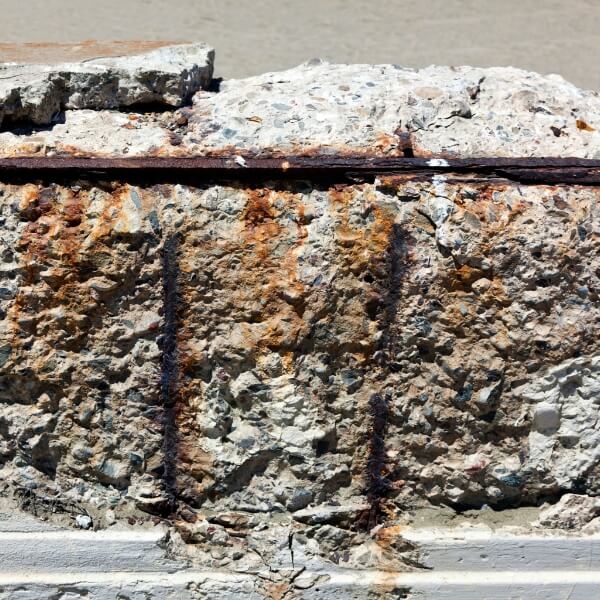
How Wear & Tear Damages Your Seawall in Florida
Seawalls naturally deteriorate over time as they withstand tides, storms, and shifting soil.
Florida speeds up that aging process because the wall never really gets a break—saltwater, heat, and daily water movement are in constant contact with it around the clock. That slow deterioration eventually shows up as hairline cracks, crumbling areas, leaning sections, or uneven ground along the shoreline.
Once wear and tear begins, it usually spreads faster because water finds small gaps and pushes deeper into the wall.
If something along your seawall doesn’t look right, LUX can evaluate it and explain what’s happening before the issue becomes more serious.
What Contributes to Seawall Wear & Tear in Florida
Heavy loads can stress any concrete surface in your home, but in Florida, certain conditions can make the damage appear faster. The way local soil moves, dries out, and softens plays a big role in how your slab handles weight. Here are the main reasons this happens.
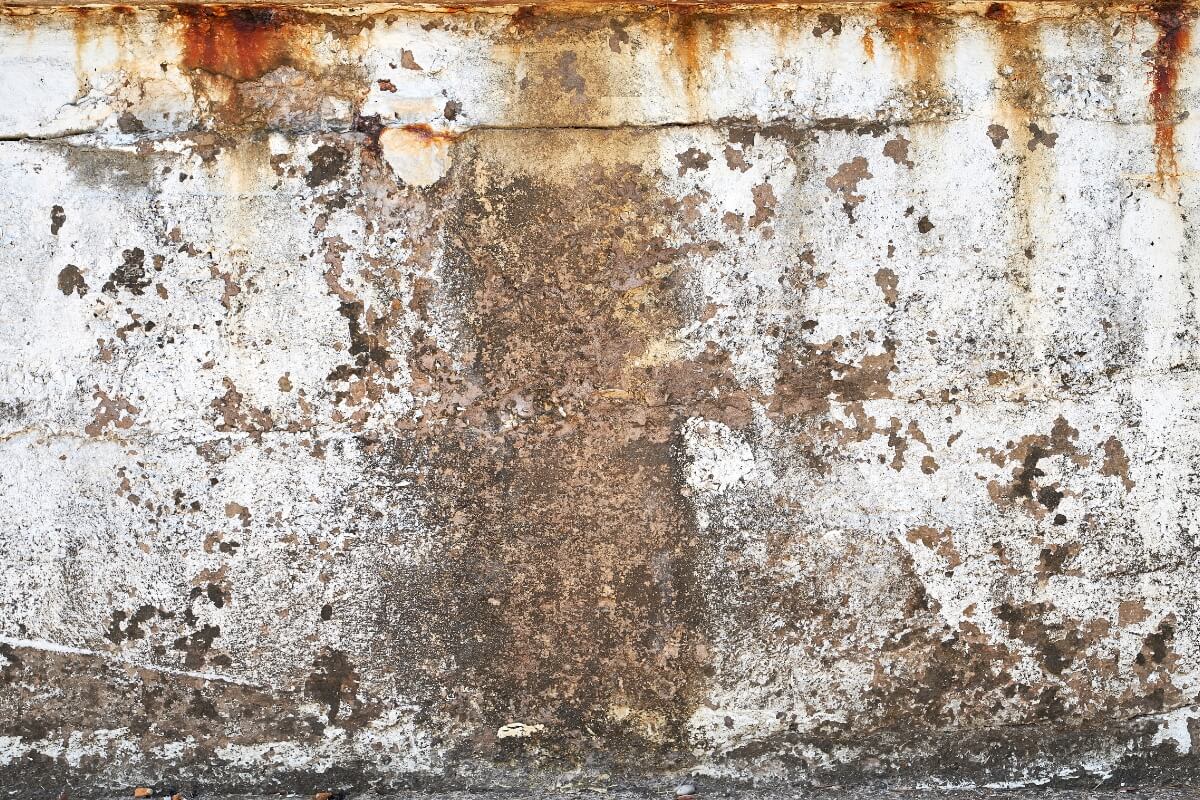
Saltwater Exposure
Constant exposure to saltwater slowly wears down your seawall’s concrete and steel. Salt holds moisture and seeps into small cracks, speeding up corrosion. Over time, you may see rust stains, rough patches, or weakening panels. These early signs often mean the seawall is losing strength from within.
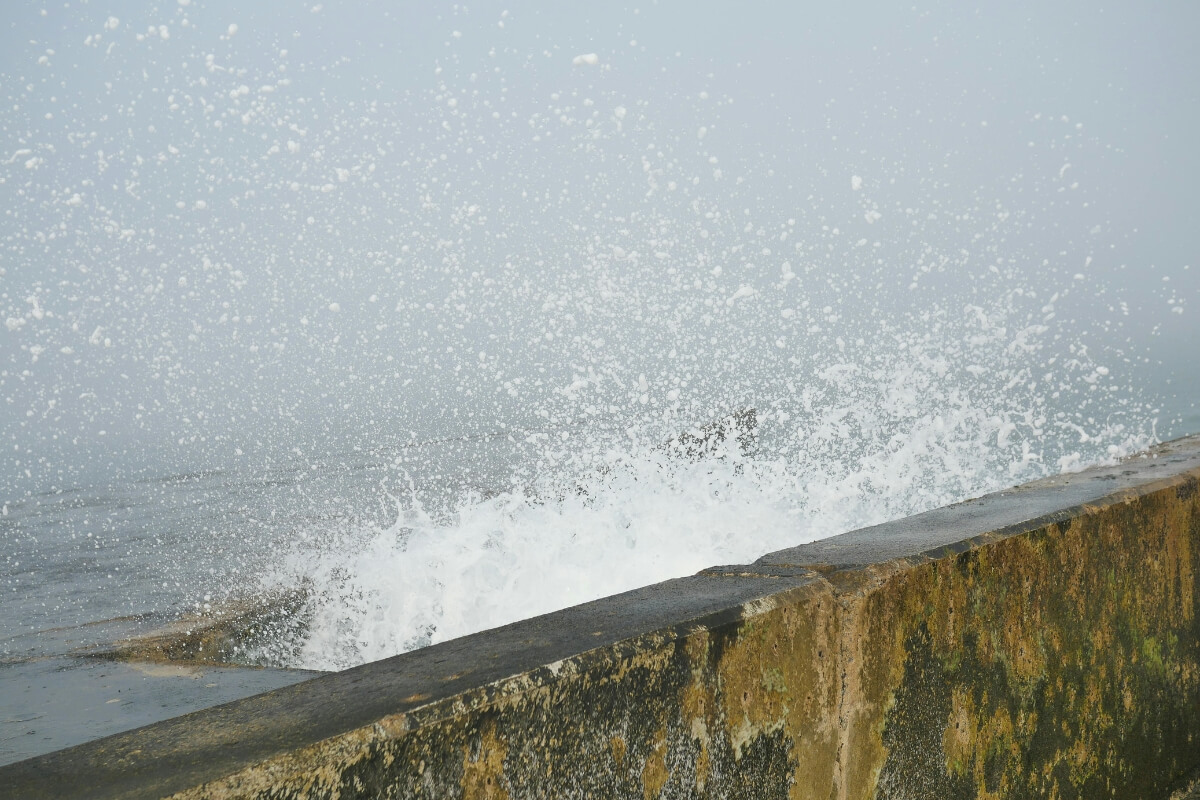
Waves and Tidal Movement
Daily waves and tides push against your seawall nonstop, wearing it down little by little. Over time, this constant pressure weakens the concrete and loosens the joints. You may start seeing cracks or uneven areas as the wall struggles to handle the nonstop movement of Florida’s water.
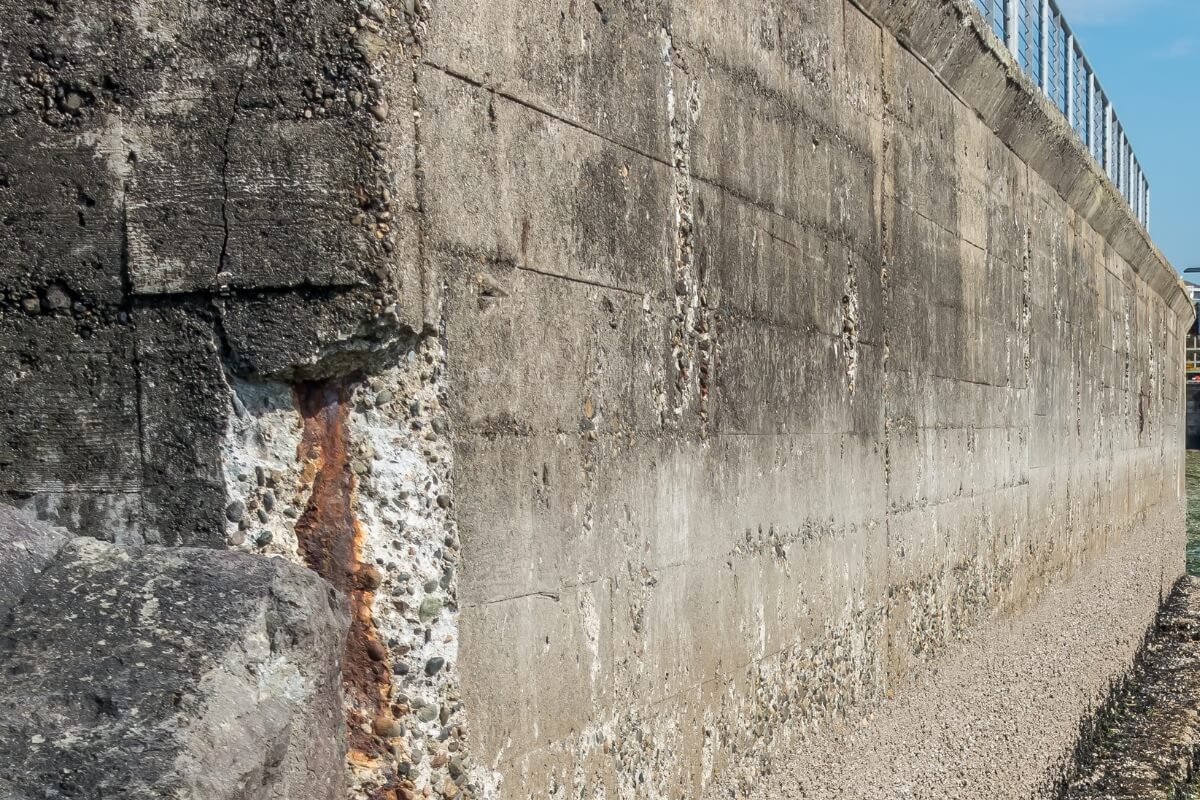
Aging Construction Materials
As your seawall ages, its materials naturally weaken. Small cracks grow, joints loosen, and the concrete becomes more porous. You may notice worn surfaces, widening gaps, or panels that seem out of line. These signs usually indicate that the seawall is nearing the end of its service life.
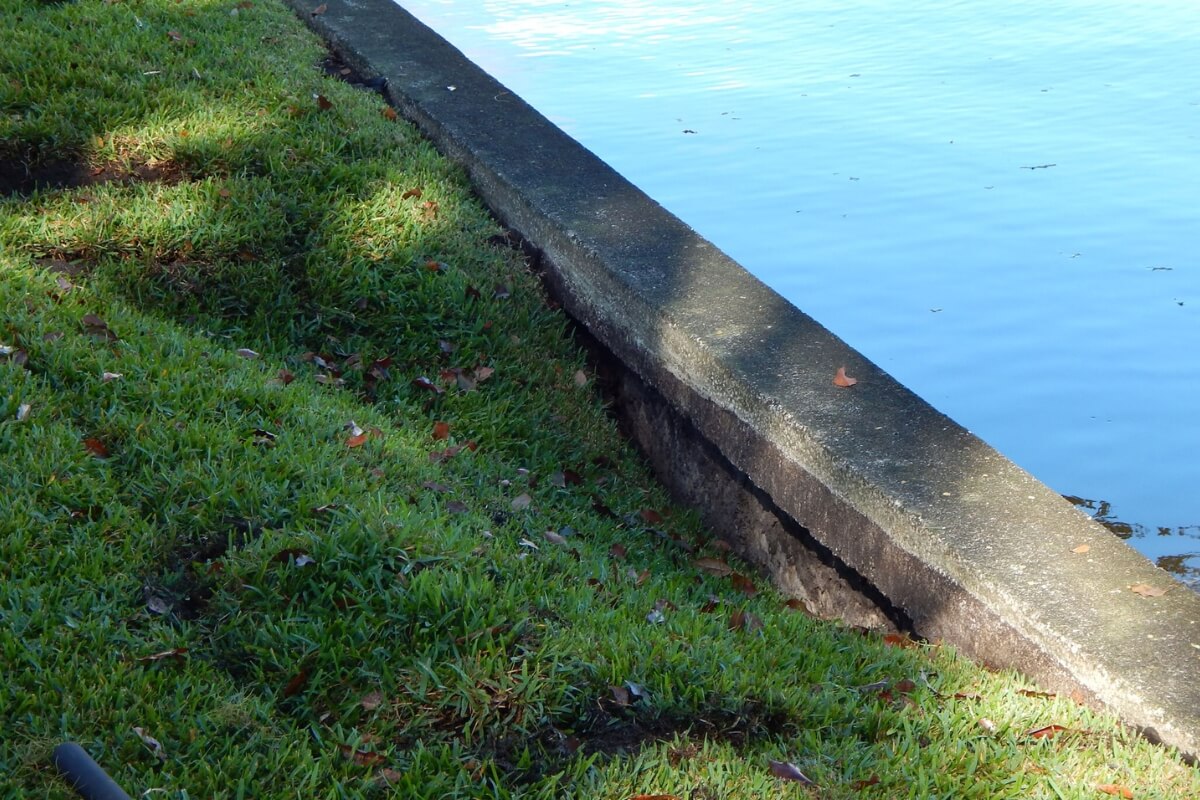
Soil Shifting and Settlement
As the soil behind your seawall moves or settles, the wall loses the support it depends on. This often happens after heavy rain, irrigation, or rising water levels. You’ll notice dips in the yard, small voids, or sections of the wall beginning to lean or separate.
If your seawall looks worn, uneven, or aged, LUX can assess to pinpoint the exact cause and recommend the right approach to slow, stop, or reverse the deterioration.
Proven Solutions to Repair Seawall Wear & Tear in Florida
General wear and tear doesn’t have to keep weakening your seawall. LUX uses a proven stabilization method designed for Florida’s tides, heat, and soil movement to restore support, stop erosion, and keep everyday stress from turning into structural failure.
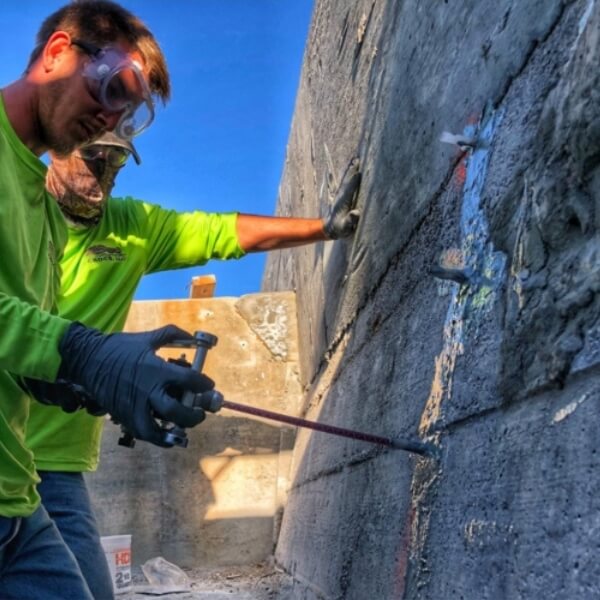
Seawall Polyurethane Grout Injection
LUX uses hydrophobic polyurethane grout to fill voids, seal cracks, and stabilize soil behind the wall. The material expands to strengthen weak sections, block water intrusion, and restore lost support. It helps aging seawalls regain support without excavation and performs well against Florida’s moisture, storms, and daily tidal pressure.
If you’re noticing cracking, settling, or wear developing along the seawall, LUX can evaluate the damage and recommend the most effective long-term repair plan.
Restore Your Failing Seawall Before the Damage Worsens — Get a Free Evaluation
Seawall wear and tear may start small, but it always worsens as moisture, waves, and aging materials continue to work against your shoreline. Early repairs save you from major reconstruction and protect your property from erosion and soil loss.
LUX Foundation Solutions supports homeowners across Jacksonville, Gainesville, Ocala, Palm Coast, and St. Augustine with seawall stabilization built for Florida’s coastal environment.
Call 904-921-3589 to schedule your free seawall evaluation today.
Request a free Estimate
FAQs About Seawall Wear & Tear in Florida
How do I know if my seawall is wearing down?
You can tell a seawall is wearing down when you see cracks, small gaps between panels, rust stains, surface flaking, or sinking soil behind the wall. Any of these signs means the seawall is losing strength. LUX can evaluate the structure and confirm what’s causing the deterioration.
Can seawall wear and tear lead to property damage?
When a seawall weakens, it struggles to hold back soil and water pressure. This can cause yard erosion, sinking ground, or damage to nearby structures. Early repairs prevent the wall from failing and protect your shoreline. LUX offers stabilization made for Florida conditions.
How often should a seawall be inspected in Florida?
Florida seawalls should be inspected every 1–2 years because saltwater, storms, and tides speed up deterioration. Regular inspections catch early damage before it becomes costly. LUX provides free evaluations to help homeowners understand the condition of their walls.
Can minor seawall cracks be ignored?
Small cracks allow water to penetrate the wall and worsen corrosion, soil loss, and structural stress. Even minor wear can spread quickly in Florida’s coastal environment. LUX can assess the crack and recommend a targeted repair before it becomes a major issue.