
Heavy Rainfall and Flooding
Heavy rainfall and flooding can wash soil out from behind your seawall, weaken support, and create soft or sinking spots along your yard. Florida storms make this damage spread faster, so understanding what’s happening helps you stay ahead of larger coastal problems.
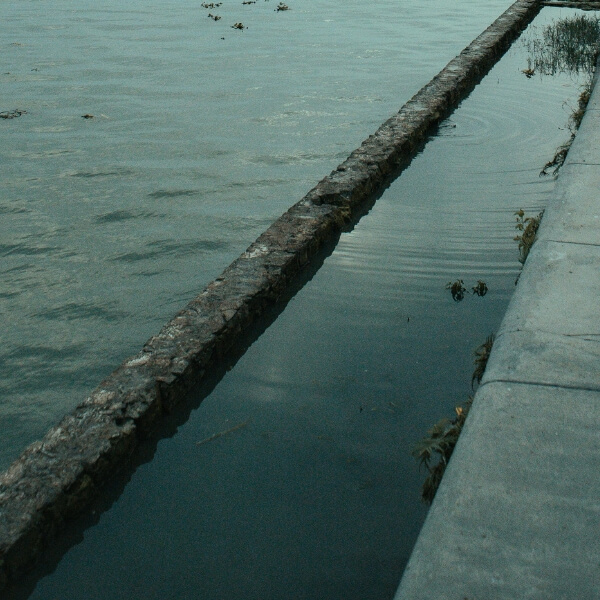
How Heavy Rainfall Causes Seawall Damage in Florida
Florida’s storms push large amounts of water against your seawall, increasing pressure and carrying soil away from the back side of the wall. When the ground softens, the wall loses the support it needs to stay stable.
You may start seeing tidal washout, small gaps near the cap, or areas that feel soft underfoot. Flooding speeds this process because water pushes through weak spots, drains through joints, and pulls sand with it as the water level drops.
If you notice early signs of washout, LUX can identify the source of pressure or soil loss and recommend a long-term repair option designed for Florida’s coastal conditions.
What Causes Heavy Rainfall and Flooding to Damage Florida Seawalls
Heavy rain and flooding affect seawalls in a few different ways, and Florida’s storm patterns make these effects stronger and more frequent. Here are the main reasons flooding leads to washout, erosion, and weakened support behind your seawall.
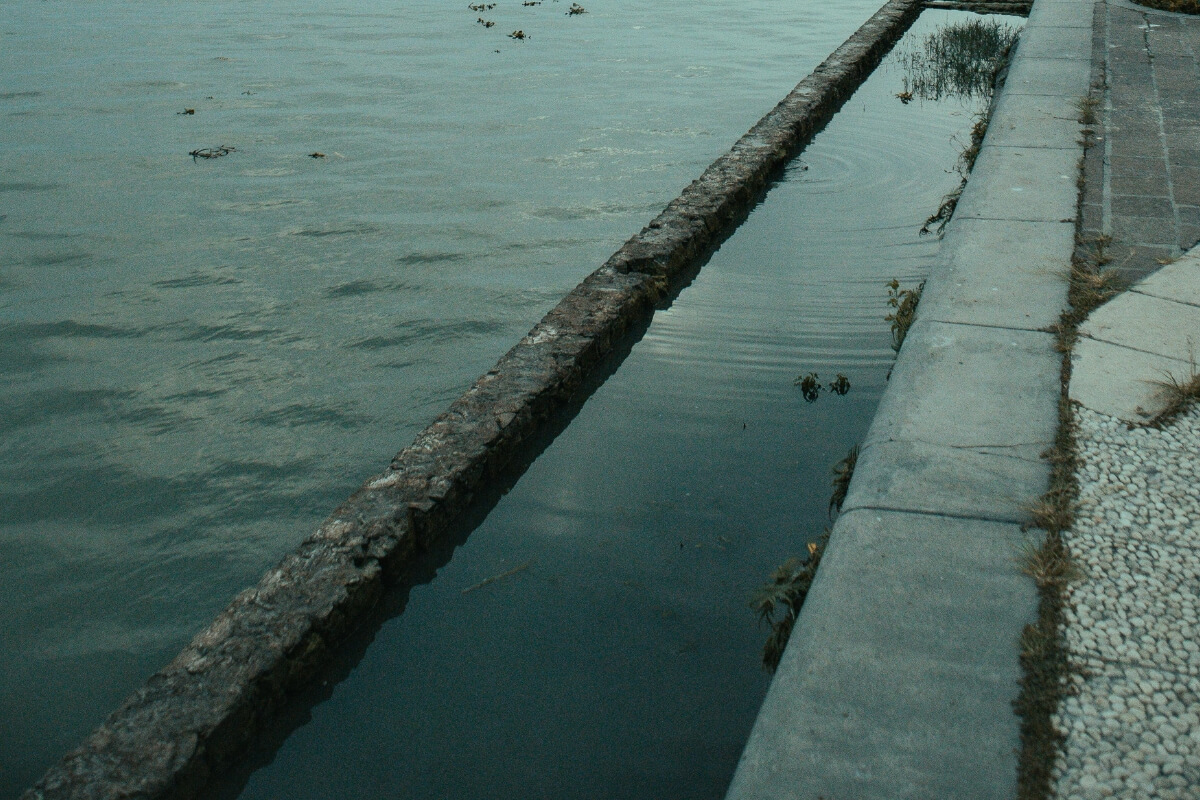
Hydrostatic Water Pressure
When the soil becomes oversaturated, it holds more water than it can release. That trapped water creates intense outward pressure called hydrostatic pressure. Florida’s heavy downpours accelerate the pressure spike, causing cracks, bowed panels, or sections that separate from the backfill.
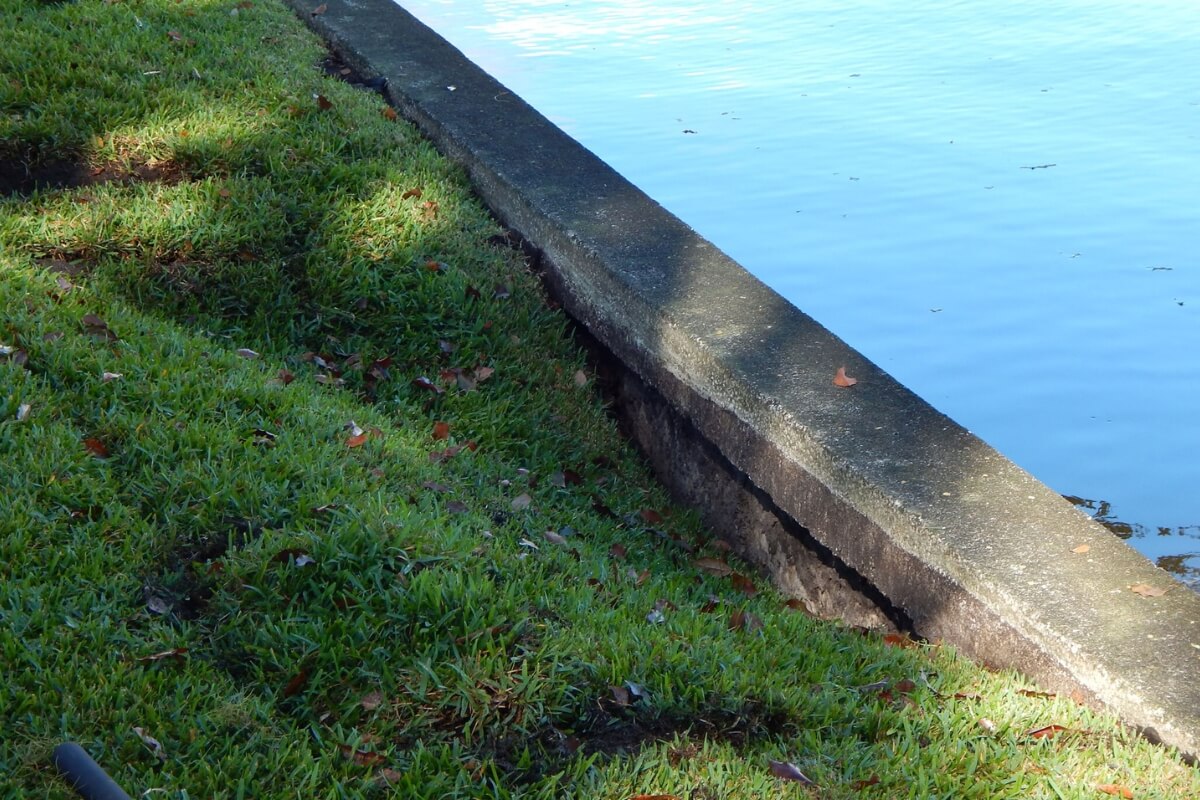
Soil Washout Behind the Seawall
Heavy rains can move in both directions—pushing in and draining out. As the water recedes, it pulls sand and backfill along with it. This creates voids that reduce the seawall’s stability. You may see sinking ground or gaps along the back edge as the soil disappears.
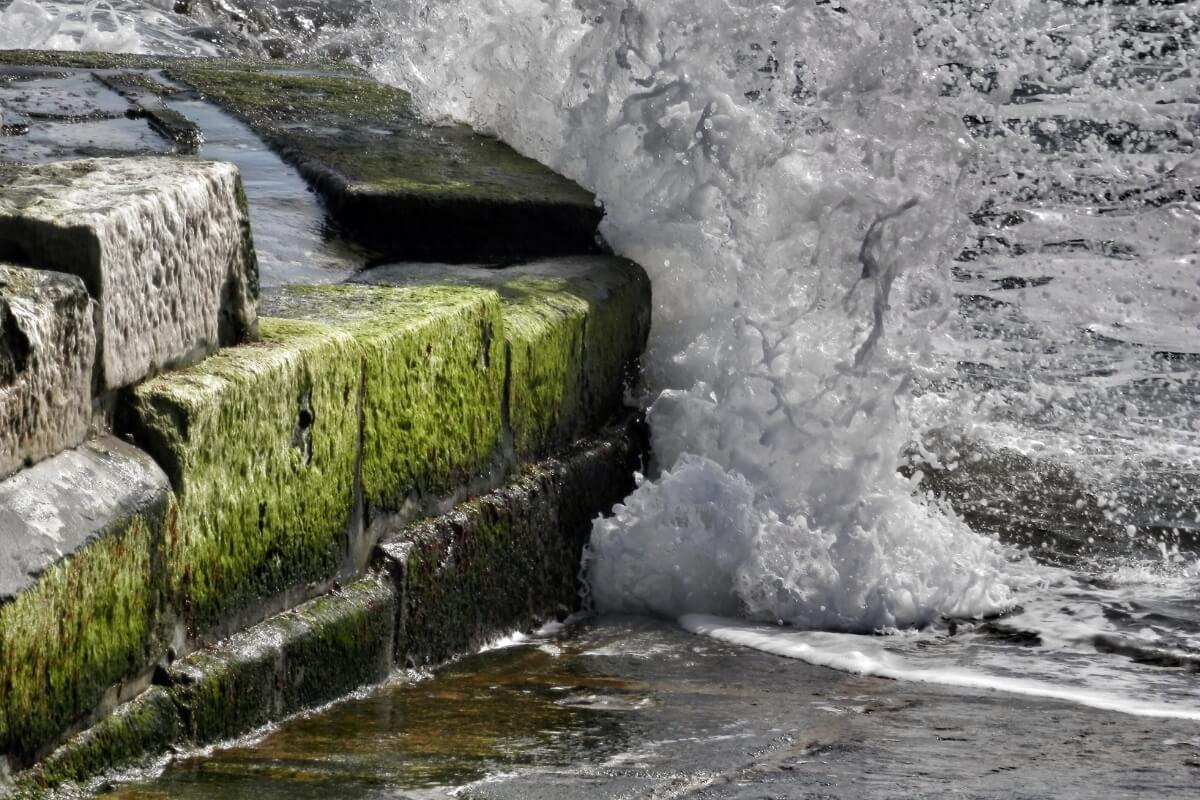
Water Pushing Through Weak Joints
When Florida storms hit, water seeps through loose joints or small gaps in the seawall. As it flows out, it carries soil, creating soft spots or small depressions in your yard. Homeowners often notice this right after heavy rain.
Storm Surge and Wave Impact
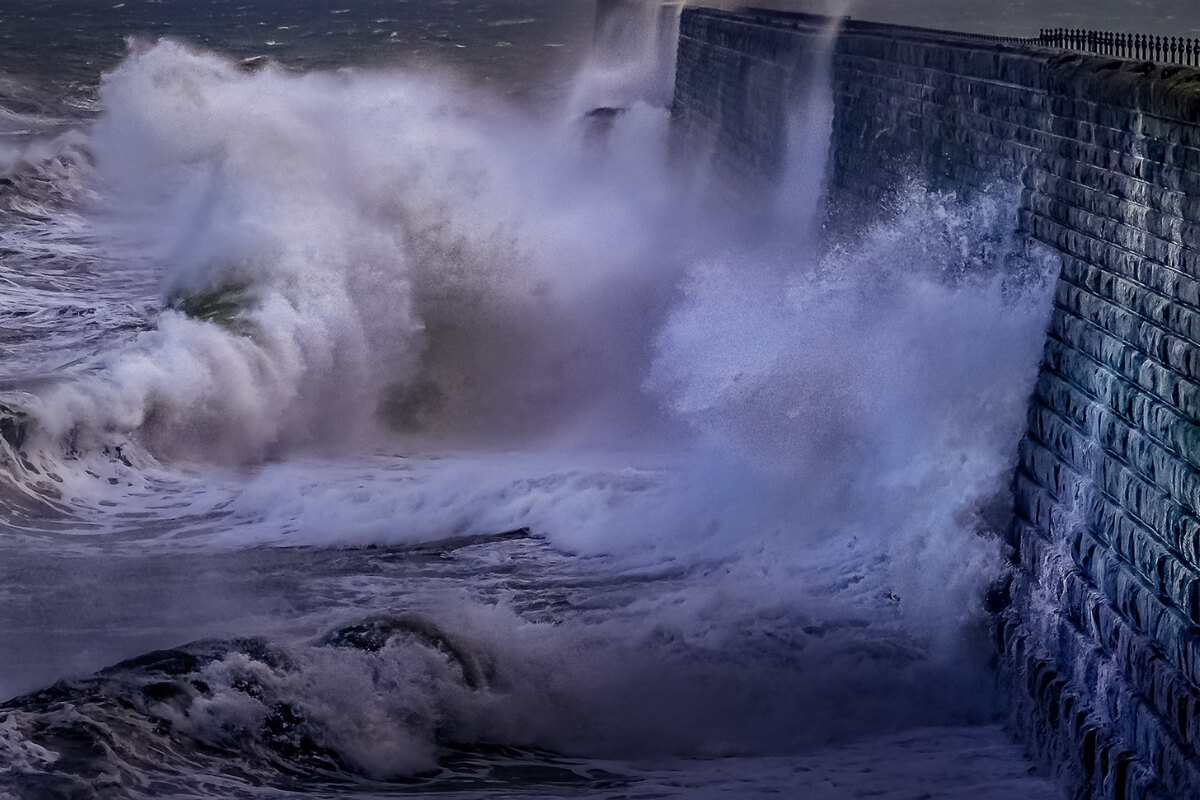
Storm surge and strong waves hit the seawall with sudden force, pushing water deep into small openings. This pressure accelerates erosion and weakens the wall’s support. Many Florida homeowners notice new cracks or sinking soil right after a major storm or hurricane.
If you’re seeing soft soil, cracking, or leaning panels after heavy rainfall or flooding, LUX can assess the cause and provide the right way to stabilize and protect the seawall before the damage spreads.
Proven Solutions to Repair Seawall Damage From Heavy Rainfall and Flooding
When heavy rain or flooding washes soil out from behind your seawall, the wall loses the support it needs. LUX uses a proven, Florida-ready method to restore stability, fill voids, and stop ongoing washout, so the wall can continue doing its job.
Seawall Polyurethane Grout Injection
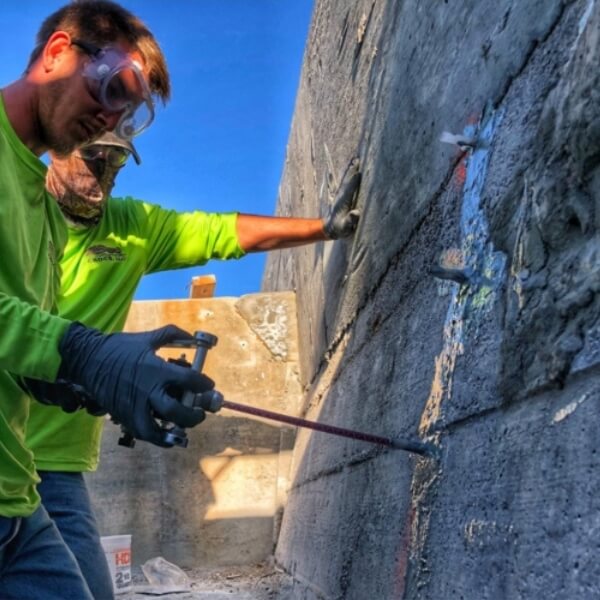
Polyurethane grout injection fills voids and reinforces soft soil behind the seawall, enabling it to withstand pressure after heavy rainfall and flooding. LUX injects hydrophobic polyurethane grout behind the seawall to fill voids, stabilize soft soil, and create a watertight barrier that blocks future washout. The expanding material strengthens weakened areas without excavation, helping your seawall stand up to Florida’s rain, runoff, and storm pressure.
If you’re seeing sinking ground, gaps, or new soft spots after storms, LUX can evaluate the seawall and provide the right stabilization plan to protect your shoreline.
Protect Your Seawall Before Florida’s Next Storm Hits — Get a Free Evaluation
Heavy rainfall and flooding can wash soil away faster than most homeowners realize. Soft spots, sinking patches, or gaps along the wall usually indicate that the backfill is already eroding, and the sooner the problem is stabilized, the safer your property remains.
LUX Foundation Solutions helps Florida homeowners protect their waterfront yards from storm-related erosion. We serve Jacksonville, Gainesville, Ocala, Palm Coast, and St. Augustine with seawall polyurethane injection designed for heavy rain, flooding, and constant coastal moisture.
If you’re worried about washout or pressure from recent storms, call 904-921-3589 to schedule your free seawall evaluation today.
Request a free Estimate
FAQs About Heavy Rainfall and Flooding Seawall Damage in Florida
How does heavy rainfall damage a seawall in Jacksonville, FL?
Jacksonville storms cause rapid soil saturation and high hydrostatic pressure behind the seawall. This pressure pushes the wall outward and weakens panels. LUX can evaluate the area and determine whether soil loss, cracking, or pressure buildup is causing the damage.
Why does flooding cause soil washout behind my seawall in Palm Coast?
Palm Coast’s surge-driven flooding moves backfill away from the wall, creating voids. Once those gaps form, the wall loses support and begins to shift. LUX can fill the voids and stabilize the soil using polyurethane grout injection.
Can heavy rain lead to seawall failure in Gainesville?
Yes. Gainesville’s runoff and rising water levels increase pressure behind the wall. When the soil becomes saturated, it weakens the seawall, leading to cracking or leaning. LUX can evaluate long-term risks and recommend stabilization.
How do I prevent flooding from weakening my seawall in St. Augustine?
Keeping water from reaching the soil behind the wall is key. Proper drainage, sealed cracks, and soil stabilization help prevent washout. LUX can identify weak areas and install polyurethane grout to reinforce the structure.