
Exceeding Support Capacity
When a home puts more weight on the soil than it can safely hold, the ground begins to shift, compress, or sink. In Florida’s sandy soil and moisture-heavy climate, this issue can lead to uneven settlement and serious foundation damage.
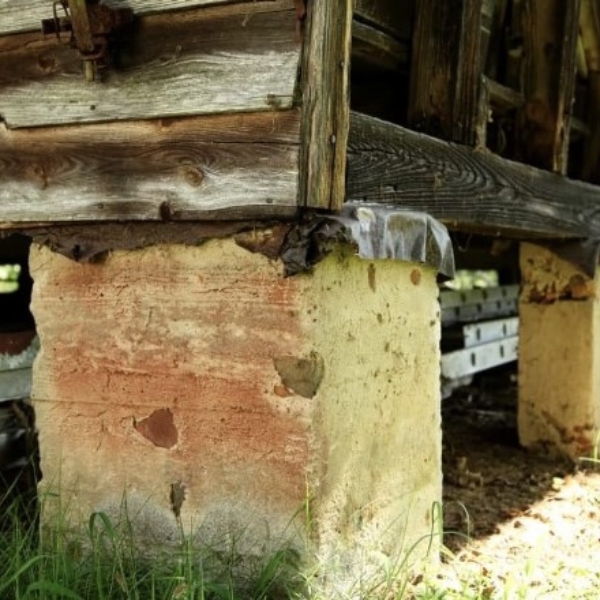
How Exceeding Support Capacity Damages Florida Foundations
When the soil under your home can’t carry its weight, the foundation starts to compress and shift. This leads to uneven settlement, floor gaps, wall cracks, and other early signs of house foundation damage that point to unstable ground.
In Florida, sandy soil, high moisture levels, and seasonal rainstorms reduce the bearing capacity of soil, making homes more vulnerable to stress. As the ground continues to sink or weaken, the foundation struggles to stay supported. This creates a cycle of movement that affects stability, safety, and long-term structural value.
Understanding how this strain develops helps you recognize early signs and protect your home before the damage becomes more severe.
Factors That Lead to Exceeding Support Capacity Under Florida Homes
Florida’s soil and moisture conditions can weaken the ground under your home, reducing how much weight it can safely support.
Below are the most common factors that weaken soil strength and reduce house foundation support across Florida.
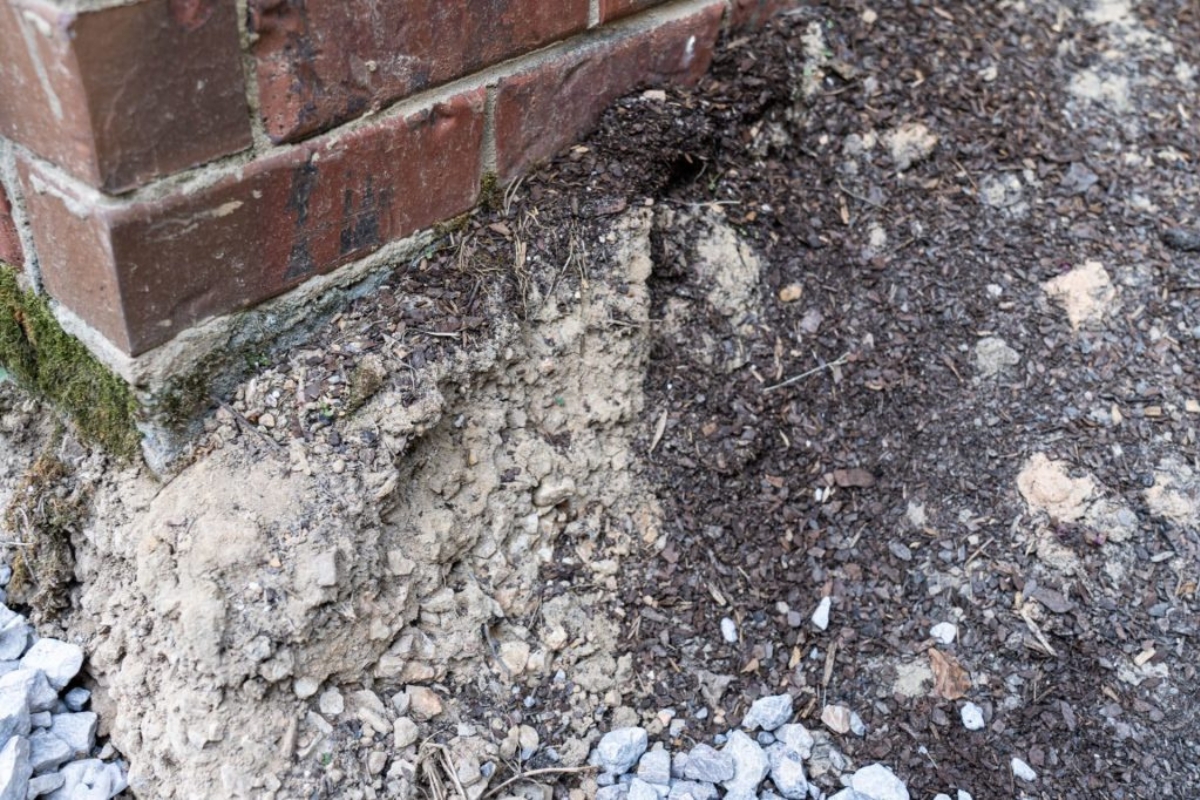
Weak or Loose Soil Layers
Large areas of Florida sit on sandy or loosely compacted soil that struggles to hold steady foundation loads. As this soil compresses, the foundation loses consistent support, leading to uneven settlement and early signs of house foundation damage.
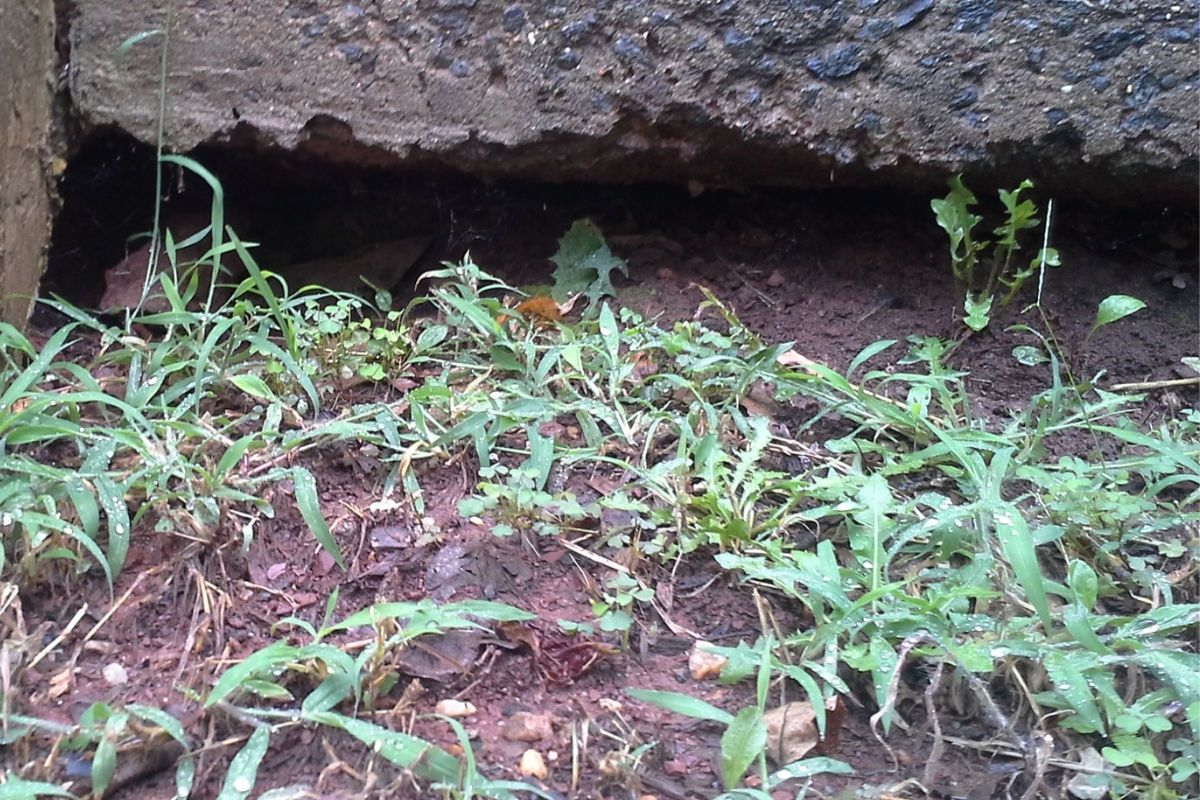
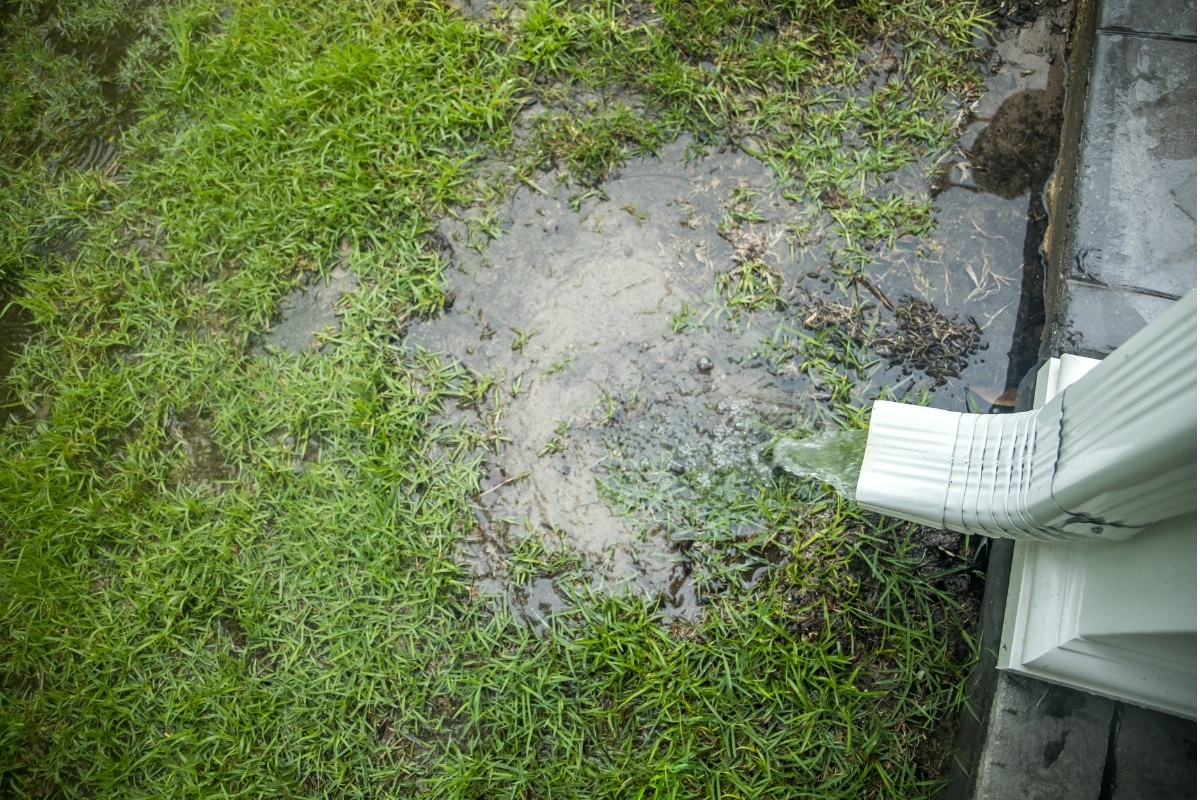
Soil Washout From Heavy Rain
Frequent storms and seasonal downpours can wash away the soil supporting your home. As erosion reduces the bearing capacity of soil, gaps form beneath the structure. This makes the foundation settle into weakened areas and often speeds up settlement problems.
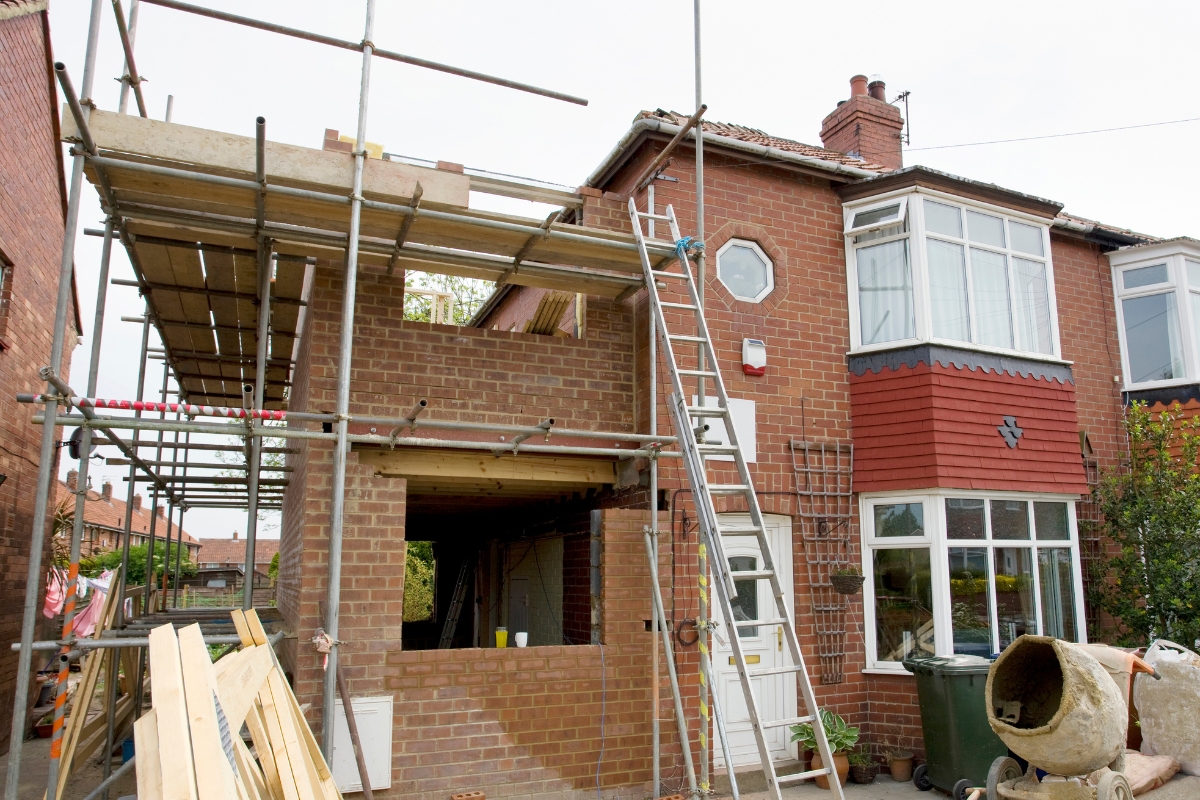
Added Structural Weight Over Time
Home additions, concrete slabs, and other heavy structures can create a heavy foundation load that the soil wasn’t designed to support. When the structure becomes heavier but the bearing capacity of the soil stays the same, the foundation may settle or shift unevenly.
Poor Soil Preparation During Construction
If the soil wasn’t properly compacted or evaluated before construction, it may not have the strength needed to support a long-term structure. Without adequate testing or preparation, the ground can fail early, leading to sinking and unsupported areas below the home.
If any of these conditions develop, the soil can no longer support the load of your home. LUX Foundation Solutions uses engineered repair methods to stabilize foundation structures and restore safe support in Florida’s challenging soil conditions.
Engineered Solutions for Homes Exceeding Support Capacity in Florida
When the soil can’t hold the weight of your home, the foundation needs engineered support to stop movement and restore stability. LUX Foundation Solutions uses repair methods designed for Florida’s loose soils, heavy rain, and shifting ground conditions.
Here’s how we reinforce overloaded foundations and prevent further settlement.
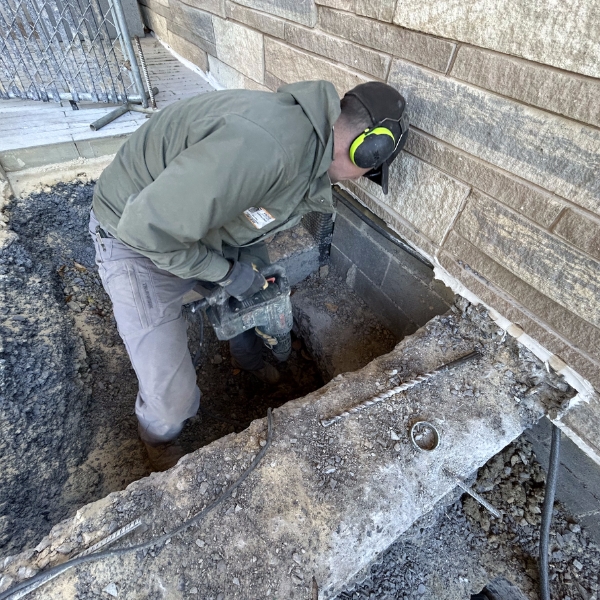
Foundation Piering Systems
Foundation piers transfer the weight of your home from weak surface soil to deeper, load-bearing layers. LUX installs steel push or helical piers to support overloaded foundations and stop ongoing settlement.
This method is ideal when the soil’s bearing capacity fails, giving your home a stronger, more reliable base in Florida conditions.
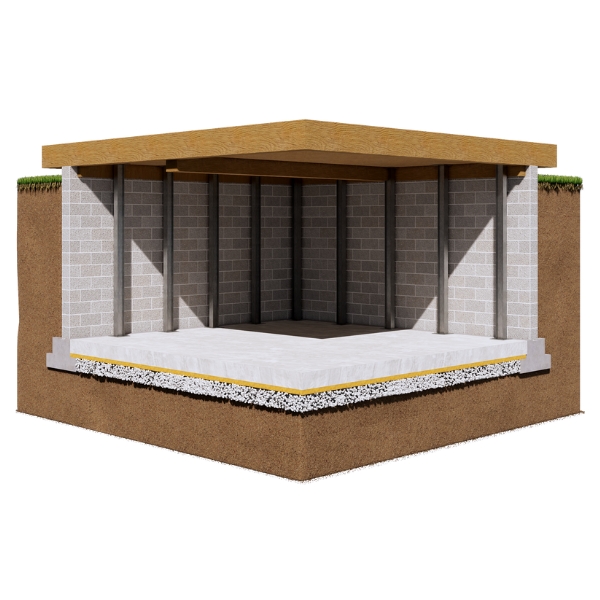
Structural Reinforcement
When exceeding support capacity causes walls to bow, crack, or shift, structural reinforcement helps stabilize the structure. LUX installs steel I-beams or carbon fiber straps to strengthen weakened foundation walls and prevent further movement.
These reinforcements are engineered for Florida’s changing soil pressures and help protect your home from long-term structural damage.
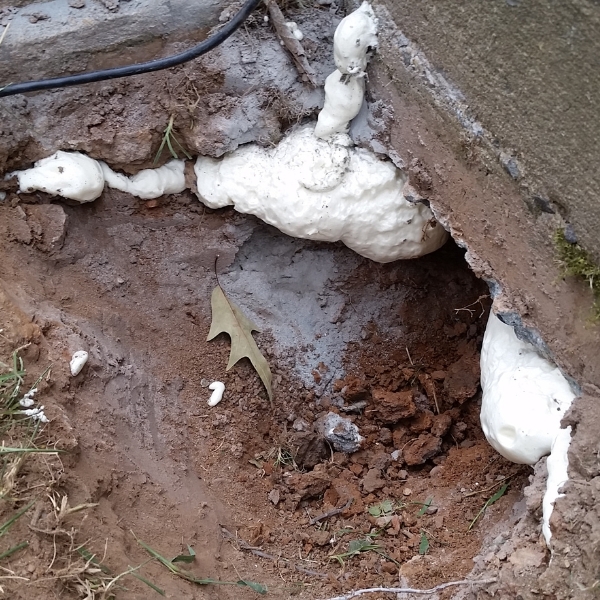
Foundation Soil Stabilization
Soil stabilization strengthens weak or washed-out soil by filling voids and increasing density beneath the foundation. LUX uses high-grade polyurethane foam designed for Florida’s sandy, moisture-prone terrain.
The material expands to support overloaded areas, reduce settlement, and help your foundation maintain stability, even when soil capacity is exhausted.
Each of these solutions helps stabilize your foundation when the soil can no longer support its weight. LUX Foundation Solutions evaluates your home’s soil condition, structural load, and settlement patterns to determine the most effective repair for long-term protection.
Protect Your Home From Support Capacity Failure — Schedule Your Free Assessment
When a foundation exceeds the soil’s support capacity, early action is the best way to prevent costly damage.
LUX Foundation Solutions provides detailed evaluations and engineered foundation repairs designed for Florida’s sandy soils and shifting ground conditions. Our team identifies the reasons your foundation is settling and recommends long-term solutions to restore strength and stability.
Serving Jacksonville, Gainesville, Ocala, Palm Coast, and St. Augustine.
Call us at 904-921-3589 today to schedule your free foundation assessment.
Request a free Estimate
FAQs About Poor Foundation Drainage in Florida
How do I know if my foundation is carrying more weight than the soil can support?
You may notice cracks widening over time, uneven floors, doors that stop closing properly, or parts of the home sinking faster than others. These issues often develop when the soil beneath the foundation can’t handle the load.
If the movement continues after rain or during dry periods, schedule a professional assessment to confirm the cause.
Can exceeding support capacity cause long-term foundation damage?
Yes. Once the soil can’t handle the load, the foundation may start sinking or tilting. This creates structural stress that spreads to walls, floors, and framing.
If you’ve noticed changes recently, reach out for an evaluation to stop the damage before it becomes more expensive to repair.
Can exceeding support capacity be fixed in Florida homes?
Yes. Solutions like piering, structural reinforcement, and soil stabilization can restore proper support. These repairs transfer the home’s weight to stronger ground or strengthen the soil beneath it. Experts at LUX can determine which method is right for your home’s condition.
How can I prevent further damage from an unstable foundation in Florida?
Address movement as soon as you notice it. Avoid adding extra weight to affected areas, improve drainage around the home, and have the soil and structure evaluated by a foundation expert. Stabilizing the foundation early helps prevent cracks, settlement, and more expensive structural repairs.
If you’re worried, LUX can assess the problem and recommend a long-term fix tailored to Florida’s soil conditions.