
Concrete Heavy Load
Heavy weight on your driveway, patio, or garage can push the concrete beyond its design limits. In Florida, heat, moisture changes, and soft soil make slabs crack or sink under pressure. Here’s why it happens and what you can do to prevent major damage.
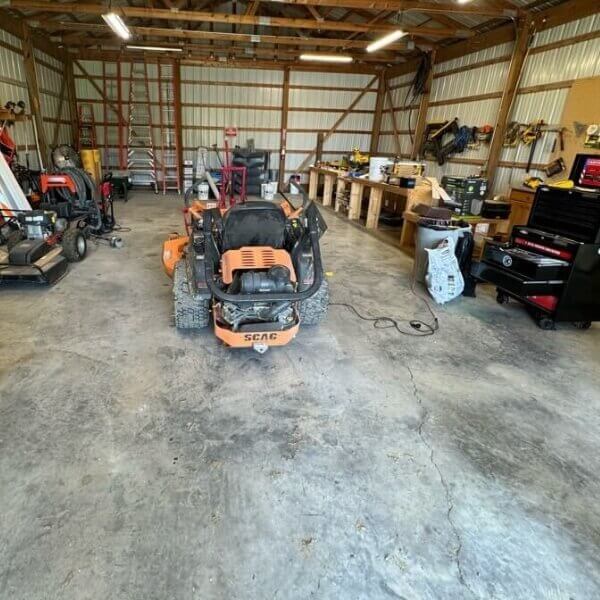
Why Heavy Weight Causes Your Florida Concrete to Crack or Sink
Heavy weight can strain any concrete around your home, whether it’s the driveway, garage floor, sidewalk, patio, or pool deck. When cars, trucks, storage items, or equipment sit on the slab, they press into the soil beneath it.
Florida’s sandy soil and rapid moisture swings make that soil shift faster than in other states. After long dry heat or heavy rain, the ground softens or settles and can no longer support the load. The slab begins to crack, sink, or tilt, creating hazards and lowering curb appeal.
If you’ve noticed small fractures, sinking spots, or areas that feel uneven, LUX can evaluate the concrete slab and explain what’s happening before the damage spreads.
What Causes Concrete to Fail Under Heavy Loads in Florida
Concrete heavy loads can stress any surface in your home, but in Florida, certain conditions make the damage show up faster. The way local soil moves, dries out, and softens plays a big role in how your slab handles weight. Here are the main reasons this happens.
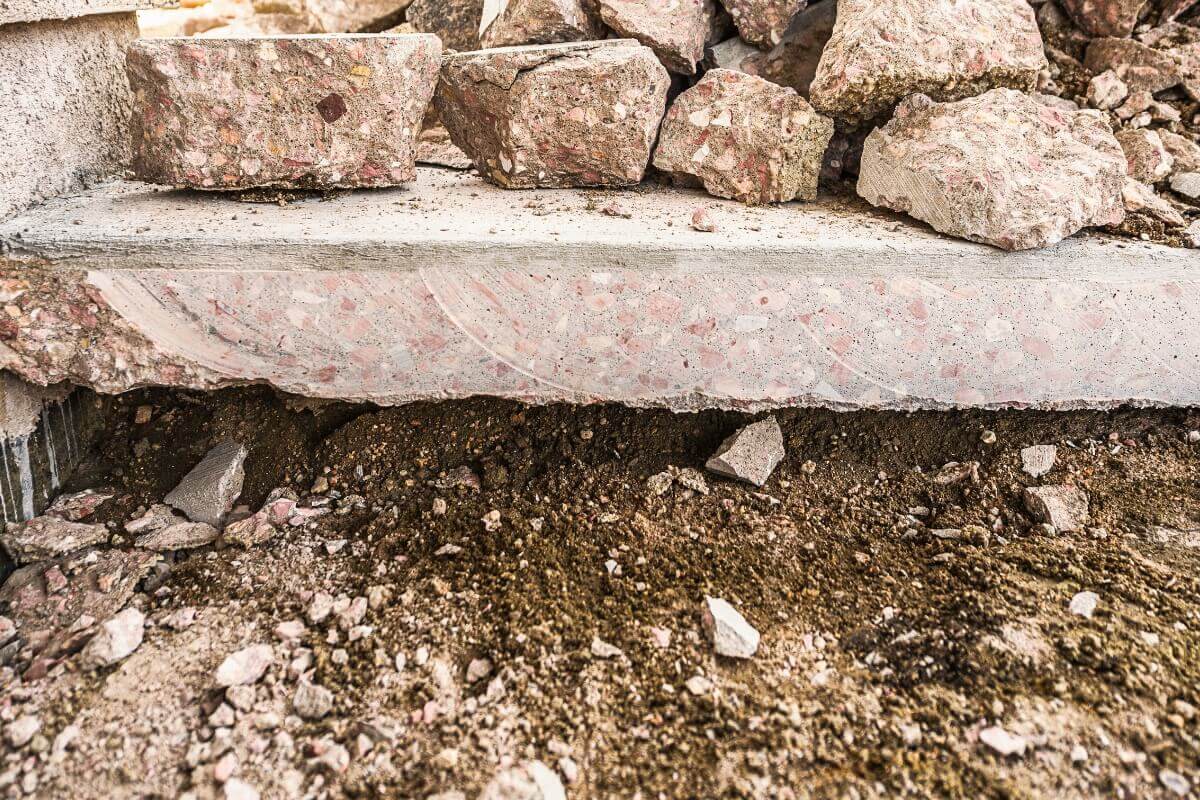
Poorly Compacted Soil
Concrete depends on strong soil beneath it. If the soil wasn’t compacted tightly during construction, any slab on your property can sink—garage floors, interior slabs, patios, pool decks, and walkways. Florida’s loose soil compresses easily, leading to dips or cracked concrete under heavy loads.
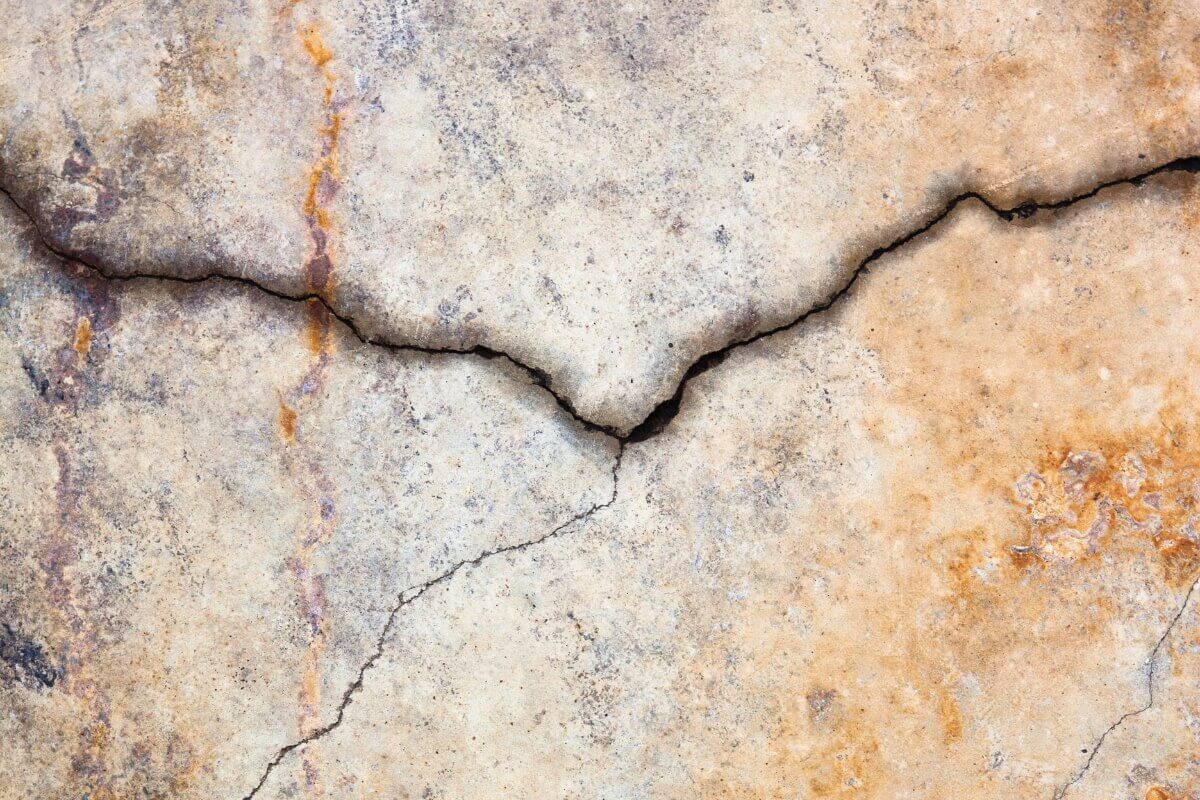
Aging Concrete
As concrete ages, it becomes less able to handle heavy loads. Older slabs often have small cracks or worn areas that get worse under pressure from vehicles, gym equipment, appliances, or storage racks. That pressure makes weakened sections sink or break apart sooner.
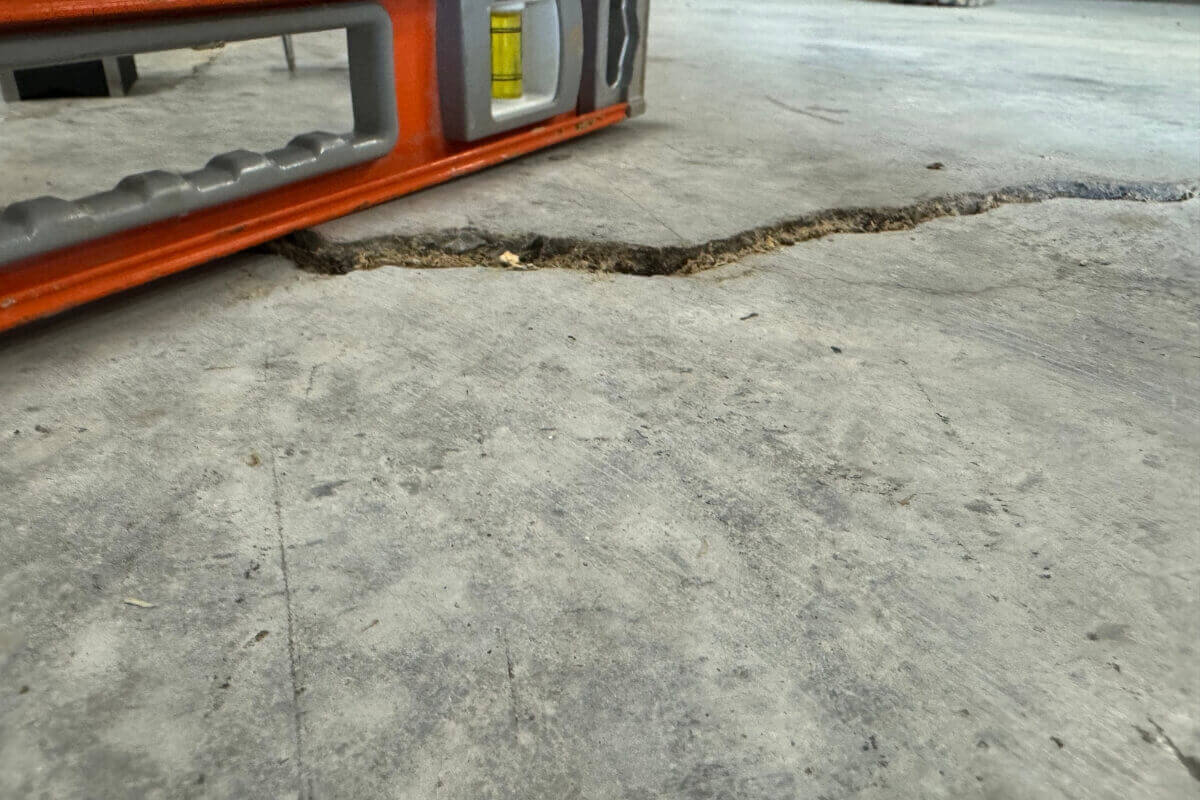
Repeated Weight in the Same Spot
Parking in the same place every day or storing heavy items in one corner puts constant pressure on your concrete. Over time, the slab breaks down from that stress. You’ll see early signs of cracked garage floors, patios, driveways, sidewalks, and any concrete you use daily.
Slab Built Poorly or Too Weak for Heavy Weight
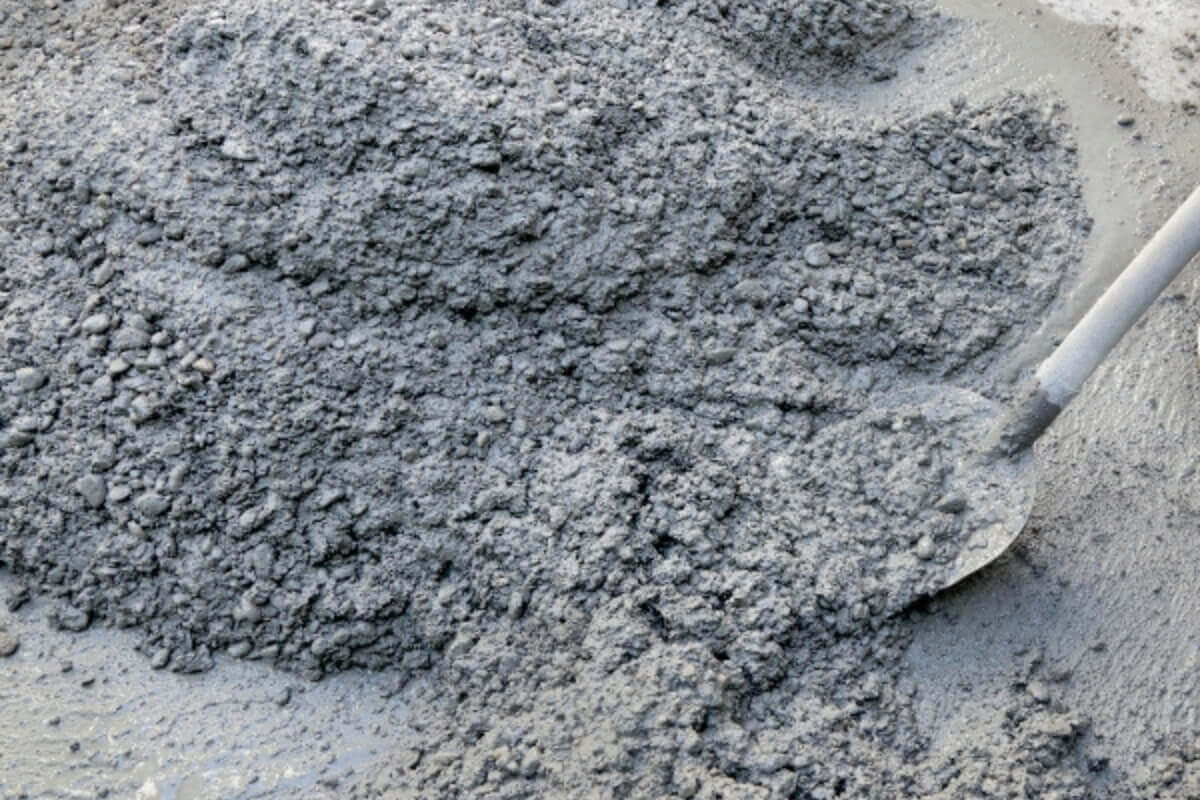
If your concrete was poured thin, made with weak materials, or installed without enough support, it can’t handle heavy weight. In many Florida homes, these weaker slabs flex under pressure from vehicles or equipment, leading to cracking, sinking, or uneven concrete spots over time.
Florida’s shifting soil and older concrete make heavy-load damage more common than most homeowners expect. If you’re seeing early signs of stress, LUX can assess the area and guide you through the repair options that help protect your concrete moving forward.
Proven Solutions for Concrete Heavy Load Damage in Florida
Heavy weight is hard on concrete, but there are practical ways to strengthen your slabs and prevent damage from worsening. LUX offers repair approaches designed for Florida soil, helping your concrete stay supported even when heavy loads are part of your everyday routine.
Drainage Improvements
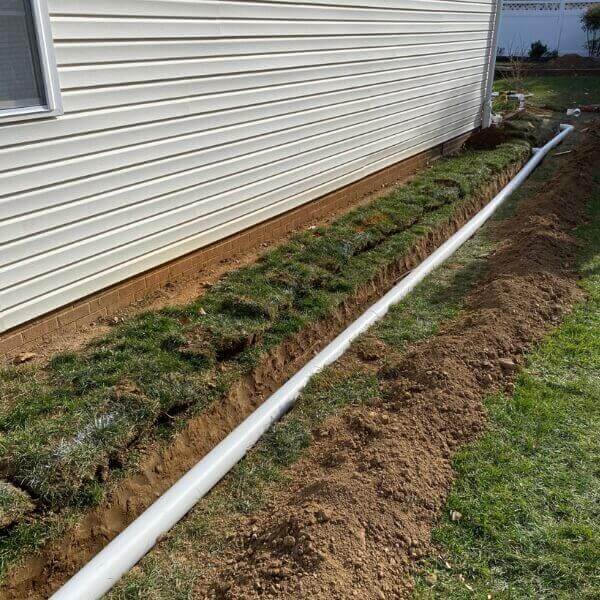
Florida’s moisture swings can weaken soil and worsen heavy-load damage. LUX installs French drains, channel drains, and downspout extensions to move water away from your slab, preventing soil washout and soft spots. This helps maintain consistent soil support under the slab.
Concrete Caulking
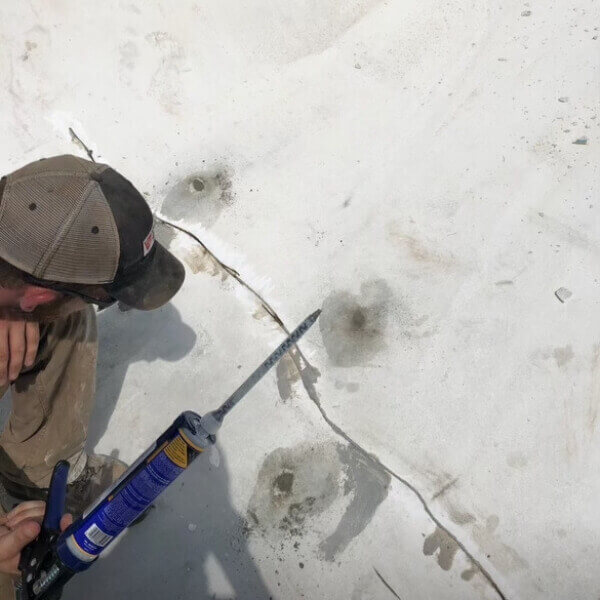
Cracks and open joints allow water to reach the soil beneath your slab, softening the ground and making it easier for heavy loads to cause damage. LUX seals these gaps so Florida rain can’t weaken the soil, helping your concrete stay supported under pressure.
Concrete Lifting
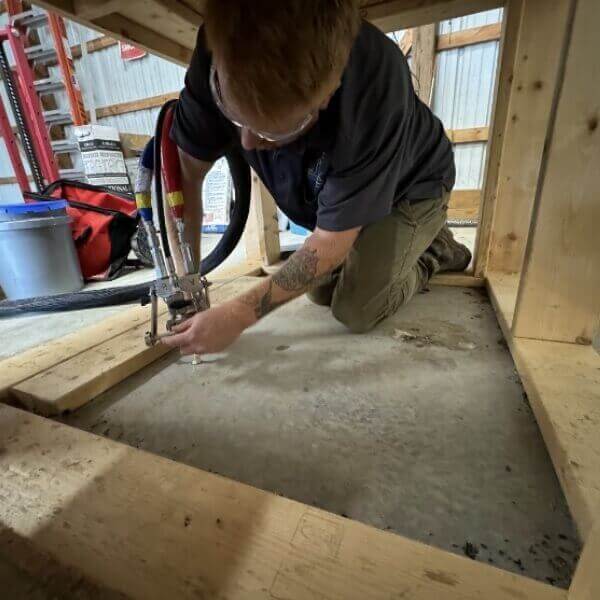
If heavy loads have pushed your driveway, sidewalk, or patio out of level, LUX injects high-density polyurethane foam to lift settled sections back into place so the slab regains proper support. Restoring the height reduces stress on weakened areas and helps your concrete handle everyday loads without tipping, rocking, or sinking further.
Soil Stabilization
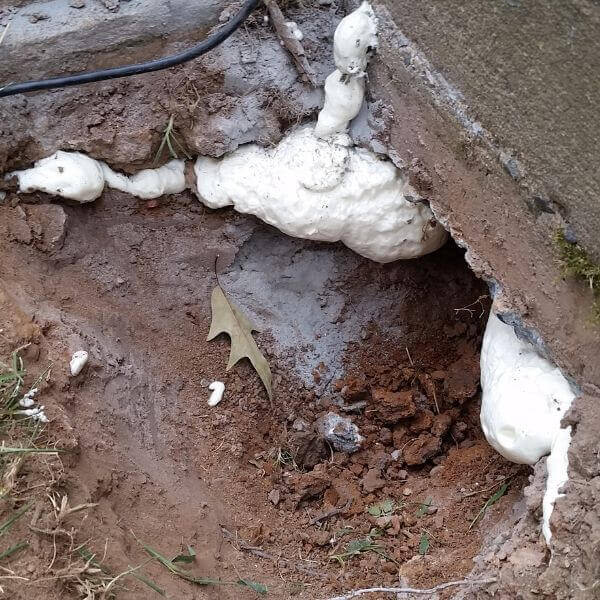
Heavy loads compress weak or sandy soil. LUX strengthens the ground beneath the slab by injecting stabilizing polyurethane foam into voids and soft spots. This helps Florida’s sandy or weakened soil hold heavy weights without shifting. A stronger base keeps concrete from sinking or cracking under pressure.
Concrete Sealing
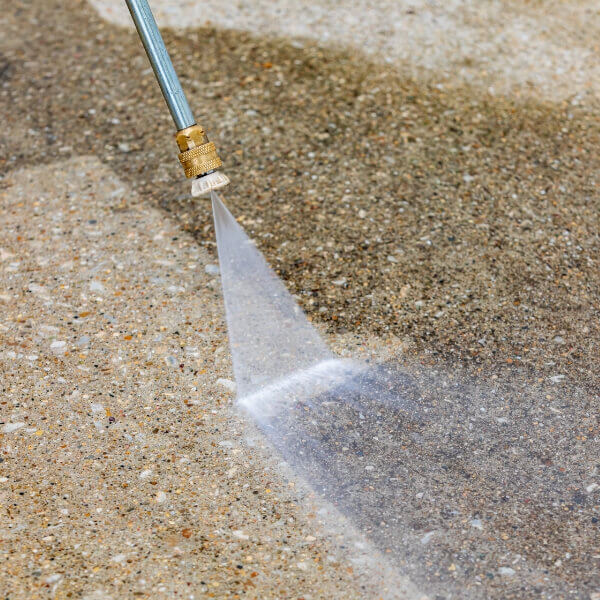
Florida’s heat, high moisture, and heavy use wear down concrete surfaces. LUX applies high-quality protective coatings that shield your slab from water, stains, and chemicals. This added layer helps older or stressed concrete withstand everyday loads from vehicles, equipment, and stored items.
Heavy-load stress doesn’t have to keep spreading across your concrete. If you’re unsure which option best fits your home, LUX can assess the issue and recommend the best Florida-ready solutions to protect your slab going forward.
Protect Your Concrete From Heavy Load Damage — Get a Free Evaluation
Heavy-load damage can get worse if the slab keeps losing support, but you don’t have to deal with it alone.
LUX Foundation Solutions understands how Florida soil, moisture, and weight affect your concrete and offers repair options that protect your home long-term.
We help homeowners across Jacksonville, Gainesville, Ocala, Palm Coast, and St. Augustine understand what’s happening and choose the right fix.
If your slab looks uneven, cracked, or stressed from heavy weight, our team is ready to help. Call 904-921-3589 to schedule your free concrete evaluation today.
Request a free Estimate
FAQs About Concrete Heavy Load Damage in Florida
Can heavy vehicles damage garage floor concrete slabs in Jacksonville, FL?
Yes. Heavy vehicles can damage garage slabs in Jacksonville because the sandy soil under the concrete compresses easily under pressure. Older or thinner slabs take the hit first, leading to cracking or sinking. If your garage floor is shifting, LUX can assess what’s happening under the slab.
What are the signs of heavy-load stress on concrete in Gainesville, FL?
The most common signs are cracking, sinking, flexing, or uneven areas—especially where vehicles or equipment sit the longest. Gainesville’s mixed sandy-clay soil makes these symptoms appear sooner. If your slab looks uneven, LUX can assess the area before the damage spreads.
What should I do if my concrete slab is sinking from heavy weight in Palm Coast, FL?
Stop placing heavy items in the area and check for widening cracks or gaps. Palm Coast’s coastal moisture softens the soil, making slabs sink more easily under pressure. LUX can examine the concrete problem and walk you through the safest repair options for your home.
How can I prevent heavy-load concrete damage in homes across North Florida?
Distribute weight evenly, seal the surface, improve drainage, and keep the supporting soil stable. These steps reduce stress on garage slabs, driveways, and patios. If you’re not sure what your slab needs, LUX can recommend Florida-ready protection tailored to your home and soil conditions.