Concrete Chemical Damage
Moisture, salt, and chemical exposure break down concrete faster in Florida’s climate. If you’re seeing surface flaking, discoloration, or crumbling spots, this guide explains what’s causing the damage and how LUX can help you protect your slabs long-term.
Why Chemical Exposure Damages Concrete in Florida
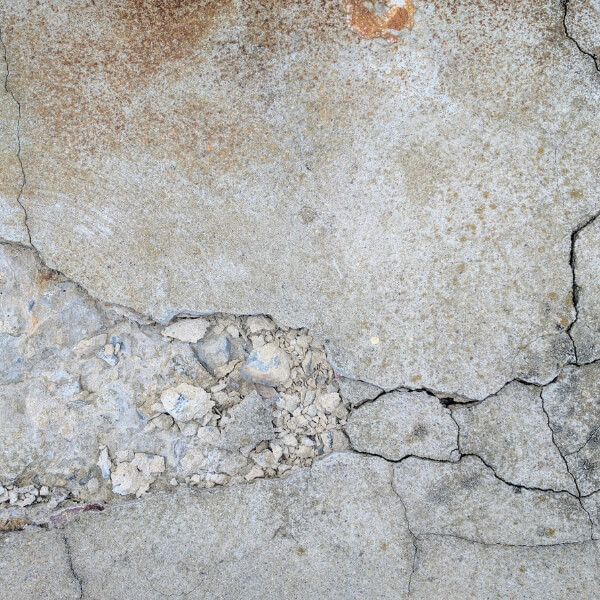
Concrete chemical damage develops when harsh substances react with the minerals inside the slab, weakening it from the surface inward. Florida’s salty air, fertilizers, and high moisture make chemical reactions happen faster than most homeowners realize.
Driveways, walkways, patios, pool decks, and garage slabs often show early signs like pitting, white residue, chipping, or unevenness. Over time, the slab becomes brittle and begins to crack or break apart.
LUX Foundation Solutions will evaluate the surface, identify the chemical source, and recommend a repair plan that strengthens the slab instead of simply patching the symptoms.
What Causes Concrete Chemical Damage in Florida
Chemical damage shows up faster in Florida because concrete is exposed to heat, moisture, and everyday products that break down the surface. These are the most common reasons your driveway, patio, garage floor, or pool deck starts to weaken or discolor.
Saltwater Exposure
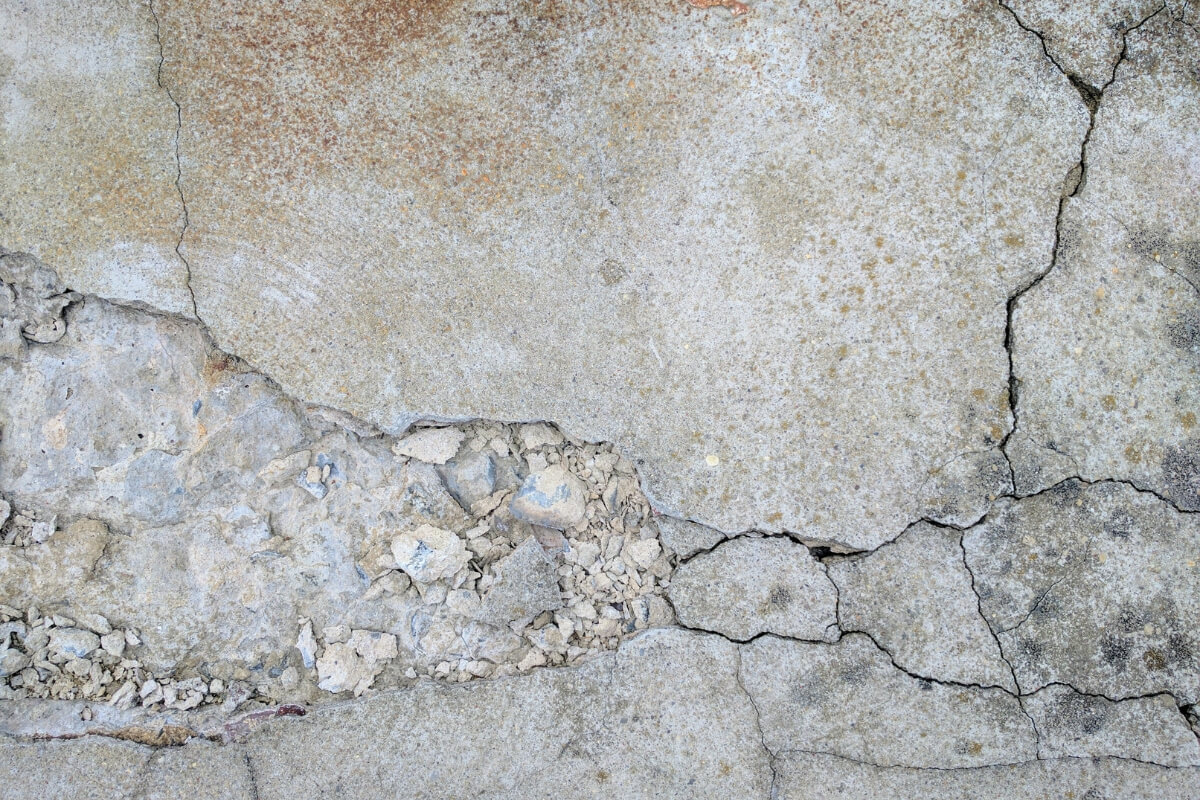
If you live near Florida’s coastline, salty air and storm spray constantly land on your concrete. That salt penetrates the surface and corrodes the steel beneath. You’ll usually see flaking, cracking, or rough patches on driveways, patios, and balconies long before the damage becomes noticeable elsewhere.
Pool Chemicals on Decks & Patios
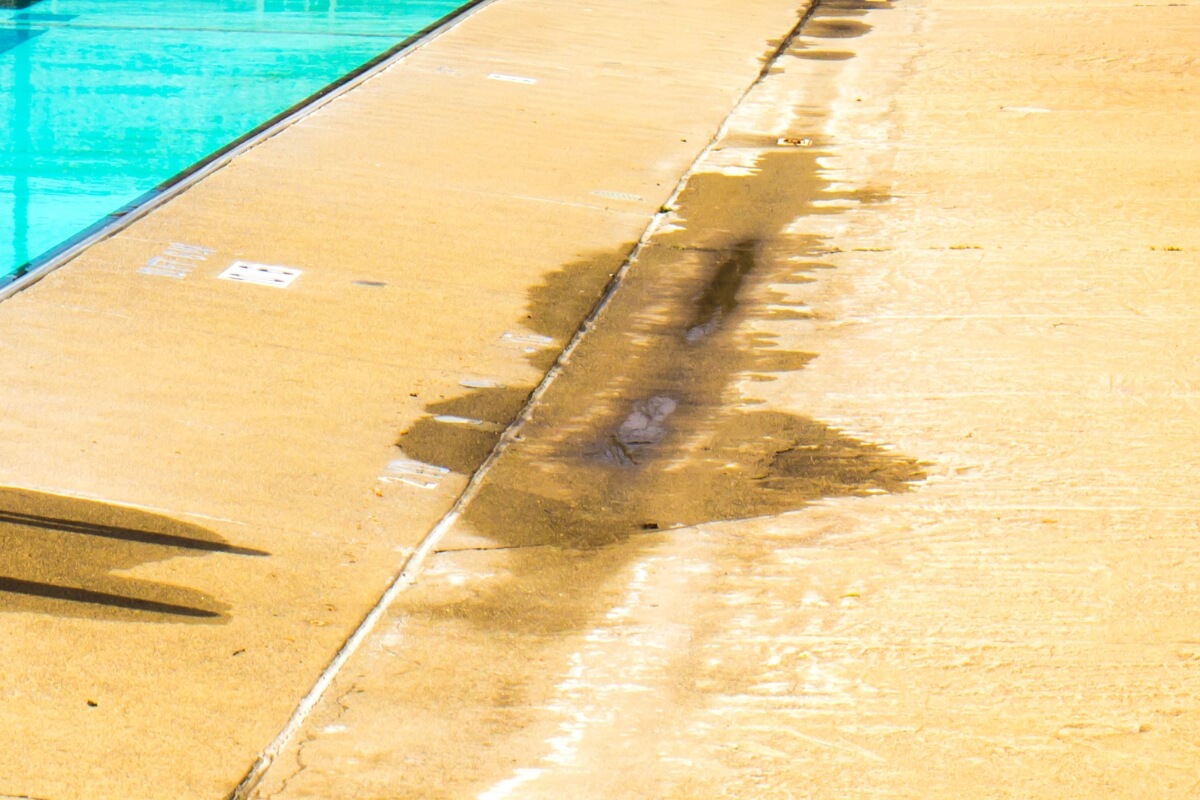
Splashout from chlorinated pools and cleaning agents slowly weakens the top layer of your pool deck or patio. You might notice a powdery texture, surface peeling, soft areas underfoot, or minor cracks on the pool deck. In Florida’s humid climate, repeated exposure speeds up this breakdown.
Cleaning Agents & Pressure Washing Damage
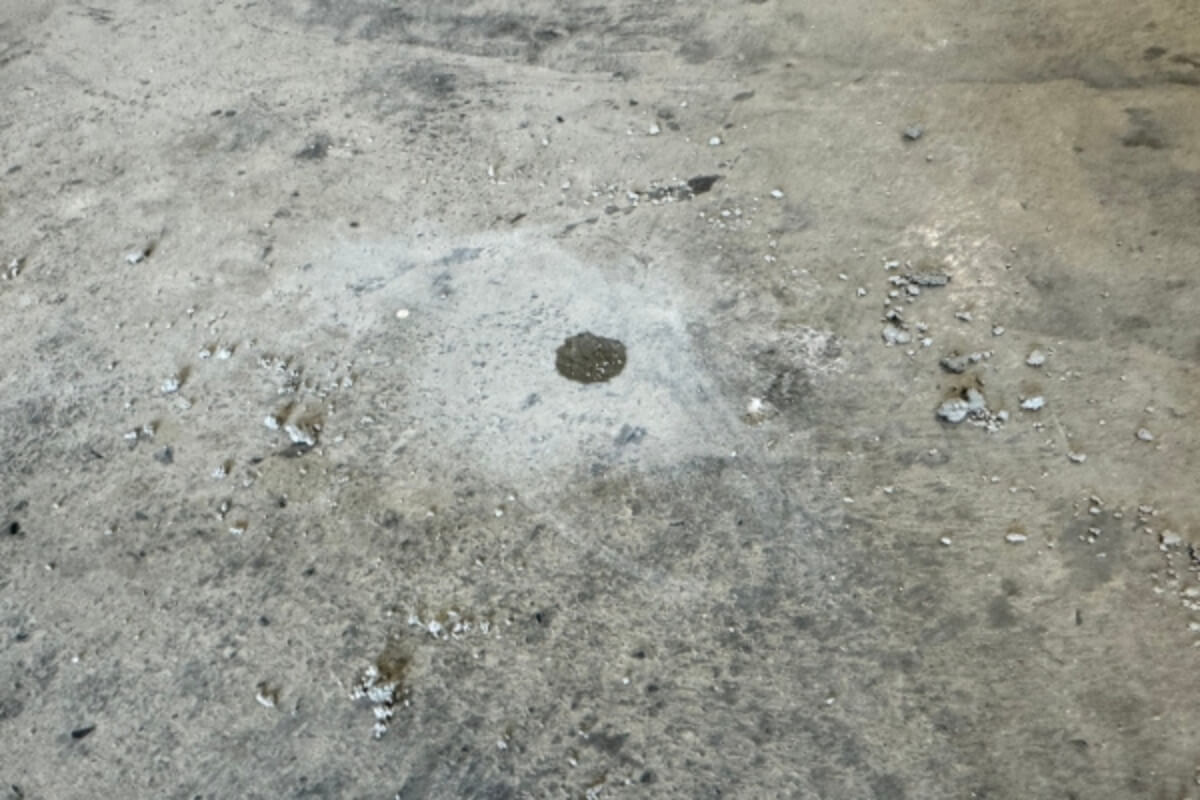
Some household cleaners and high-pressure washing remove the protective layer on your concrete. Once that layer is stripped away, Florida’s moisture and salts enter the slab, beginning to break it down. Homeowners often notice flaking, peeling, or minor cracks soon after aggressive cleaning, which can worsen over time to uneven concrete.
Fertilizer & Lawn Chemical Runoff
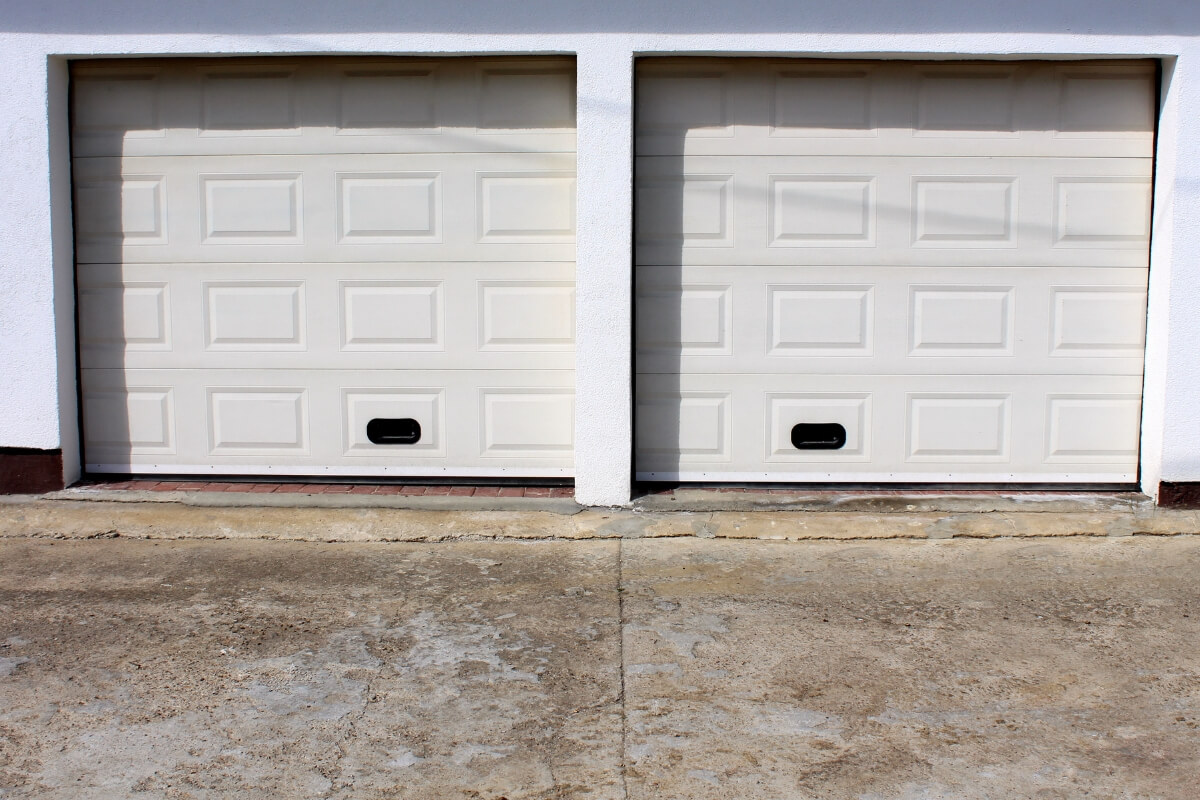
When yard fertilizers or weed treatments wash across your driveway or sidewalk, the chemicals react with the concrete surface. Over time, this creates pitting, discoloration, and crumbling edges. If your lawn is close to your slab, you’re more likely to see this damage after heavy rain or irrigation.
Vehicle Fluids on Garage Floors
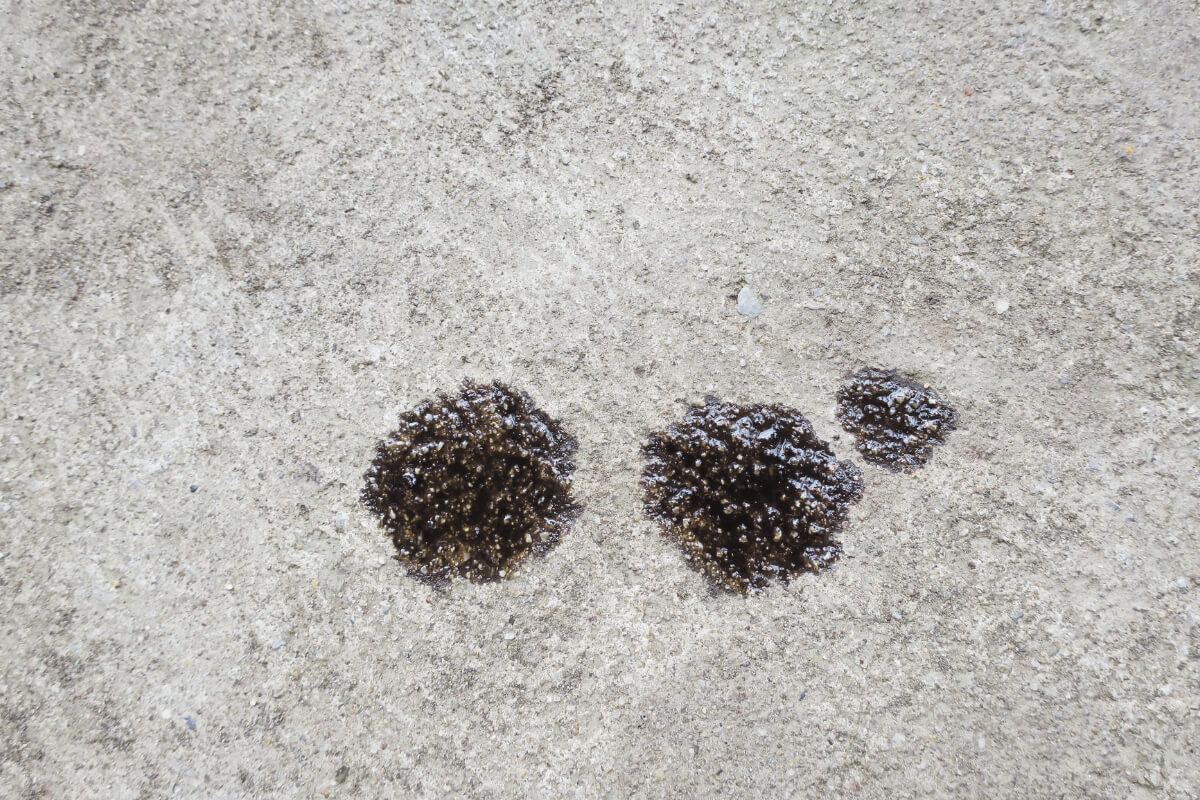
Oil, coolant, brake fluid, and cleaners can soak into your cracked garage slab, weakening the bond between the concrete and the slab. In Florida’s heat, damage typically shows up sooner as stains, soft spots, or hairline cracks. These areas continue to worsen unless the surface is sealed and reinforced.
Florida’s warm climate and common household products make chemical wear a growing issue for many homeowners. If you notice stains, rough areas, or surface deterioration, LUX can assess the area and guide you on the safest ways to protect and restore your concrete.
Proven Solutions for Concrete Chemical Damage in Florida
Chemical damage doesn’t fix itself, but there are practical ways to stop it from spreading. LUX offers Florida-ready solutions that strengthen the surface, block moisture, and protect your concrete from everyday exposure to chemicals, heat, and heavy use.
Drainage Improvements
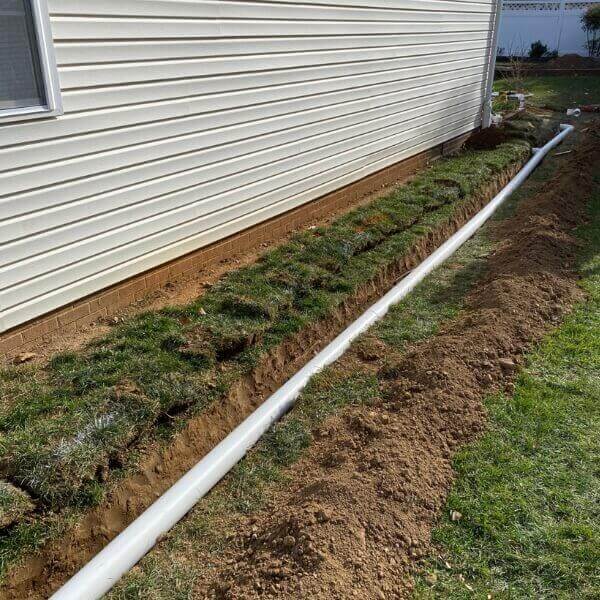
Poor drainage can wash fertilizers, automotive fluids, and pool chemicals across the slab. LUX installs French drains, downspout extensions, and other small improvements that help keep chemical runoff away from vulnerable areas, especially around pool decks, patios, and driveways.
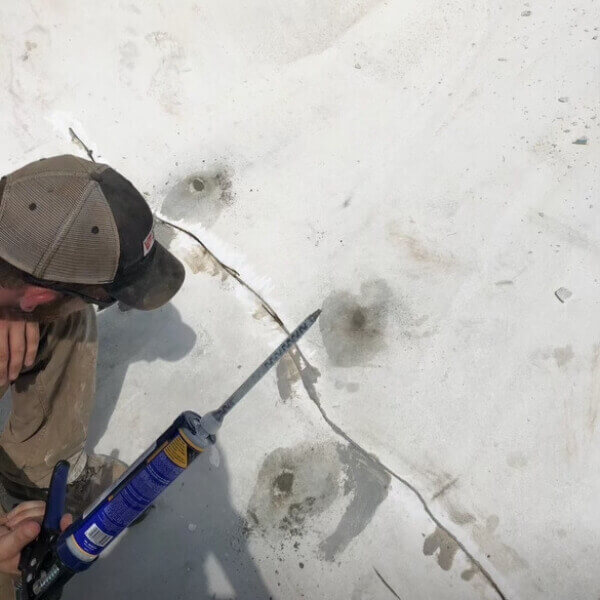
Concrete Caulking
Open cracks allow chemicals to reach deeper into the slab. LUX seals joints and fractures so moisture, cleaners, automotive fluids, and lawn treatments can’t spread damage. This helps stabilize the surface and prevents chemical wear from moving beyond the top layer of the concrete.
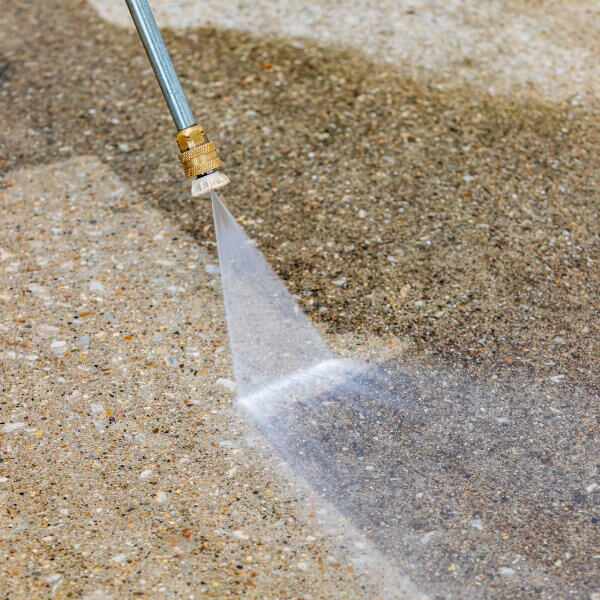
Concrete Sealing
Sealing the concrete creates a protective barrier that stops chemicals from soaking into the surface. LUX applies high-quality coatings designed for Florida’s heat and moisture, helping driveways, patios, garage floors, and pool decks resist stains, fading, and surface breakdown from harsh products and everyday spills.
Chemical damage usually spreads slowly, but it becomes harder to reverse once the surface starts breaking down. If you’re unsure which protection method your concrete needs, LUX can assess the concrete area and recommend the most effective approach for protecting your slab in Florida’s climate.
Protect Your Concrete From Chemical Damage — Get a Free Evaluation
Chemical damage can keep spreading until the surface weakens, but you don’t have to figure it out alone. LUX Foundation Solutions understands how Florida’s heat, moisture, and everyday chemicals break down concrete, and we offer tailored concrete solutions to stop that damage before it grows.
Homeowners across Jacksonville, Gainesville, Ocala, Palm Coast, and St. Augustine count on our team for clear answers and reliable protection.
If your concrete is showing stains, surface wear, or early signs of erosion, we can help you choose the right solution. Call 904-921-3589 to schedule your free concrete evaluation today.
Request a free Estimate
FAQs About Concrete Chemical Damage in Florida
Why does my concrete discolor after chemical spills in Gainesville, FL?
Concrete in Gainesville often discolors after chemical spills because, in warm weather, the pores absorb chlorine, cleaners, fertilizers, and automotive fluids quickly. These reactions create permanent stains or rough patches. If the damage spreads, LUX can evaluate the cause and provide a tailored solution to protect the surface.
Can pool chemicals damage my concrete deck in Ocala, FL?
Chlorinated water and cleaning agents often erode the surface of pool decks in Ocala’s hot climate. Homeowners may notice powdery residue or peeling. LUX offers sealing that protects decks exposed to splashout and intense sunlight.
Can chemical damage lead to structural problems in Jacksonville, FL?
Chemical damage usually affects the surface, but it can spread deeper if the concrete is older or frequently exposed. Pool chemicals, cleaners, or auto fluids can weaken the top layer and eventually lead to cracking. LUX can assess the concrete damage and determine if deeper repairs are needed.
How do I protect concrete from chemical exposure in Palm Coast?
Palm Coast’s coastal salt, fertilizers, and strong cleaners all contribute to surface deterioration. Concrete sealing, good drainage, and routine inspections help prevent long-term damage.
If you’re unsure which protection is best, LUX can assess the problem and recommend options based on your home’s concrete type and location.