
Soil Erosion Behind Seawall
Soil erosion behind a seawall happens when water washes the backfill away, leaving soft spots, sinking ground, or gaps near the wall. In Florida, tides, storms, and drainage issues speed up that erosion. Here’s what’s causing it and how to stay ahead of the damage.
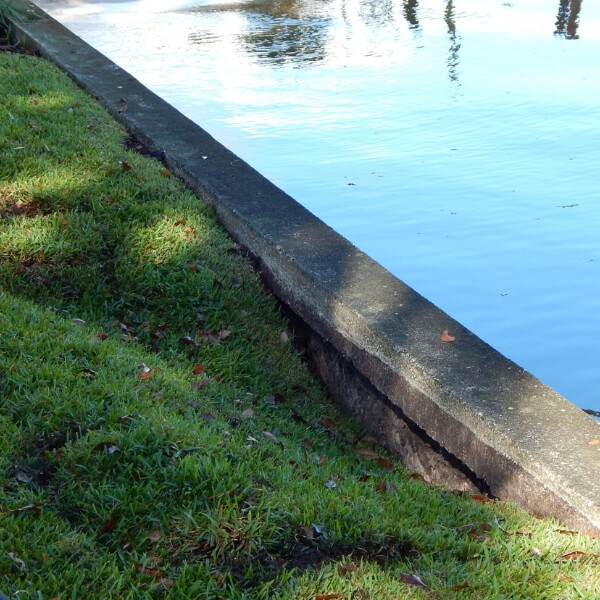
How Soil Settlement and Shifting Cause Foundation Problems
Soil erosion behind seawall usually starts when water finds tiny openings and pulls sand out from underneath your yard. It doesn’t happen all at once. It develops slowly every time the tide rises, a storm rolls through, or boat traffic pushes waves against your wall.
Florida’s constant high moisture, daily tidal changes, and heavy rains speed up the washout, especially if the seawall is older or the joints aren’t sealed properly. You may notice low spots, soft ground, or gaps forming near the back of the wall.
If the soil feels like it’s disappearing or sinking, LUX can assess the seawall and explain what’s happening before the erosion spreads farther.
What Causes Soil Erosion Behind Seawalls in Florida?
Soil behind a seawall erodes for different reasons, but Florida’s tide cycles, storms, and loose coastal soil make the problem spread faster. Here are the most common factors that lead to voids, sinking ground, and weakening support behind your seawall.
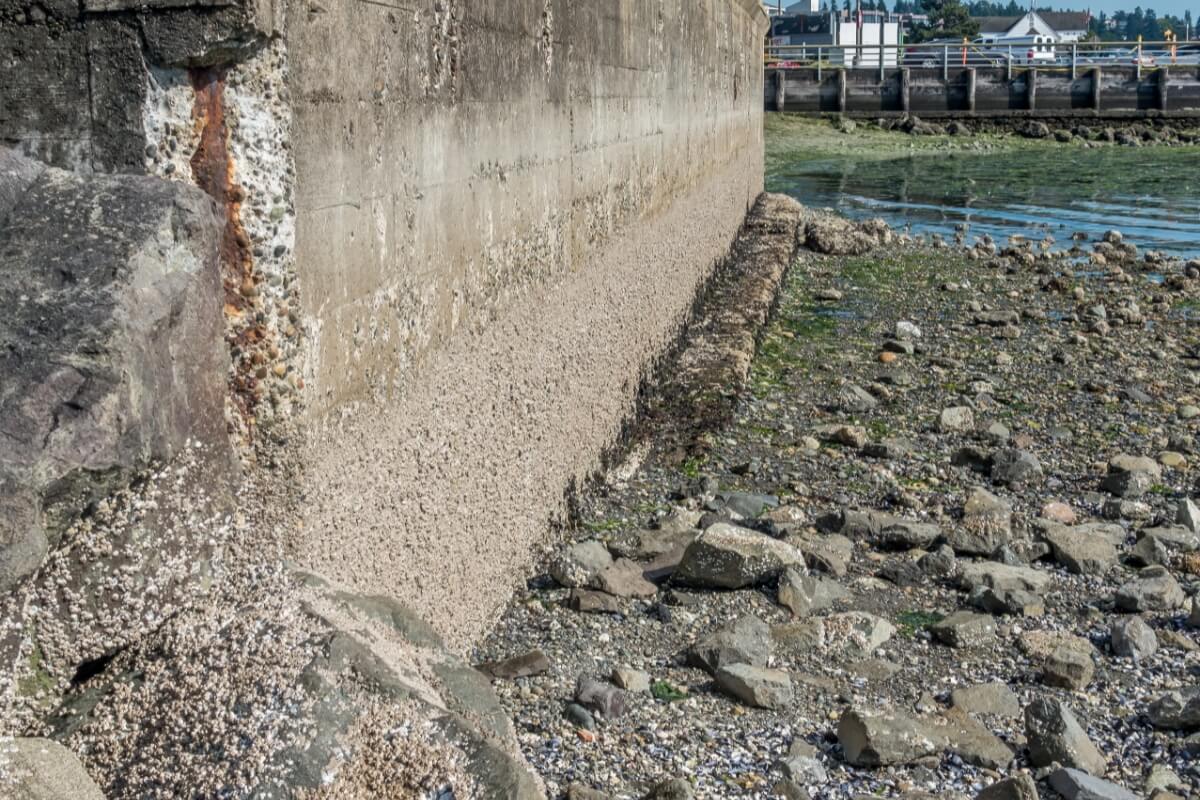
Water Seeping Through Cracks and Open Joints
When water slips through cracks or loose joints, it drags soil with it. Florida’s tides and boat wakes push water against your seawall all day, and even a small opening can create a steady washout. You’ll usually notice soft or sagging ground forming near the top of the wall.
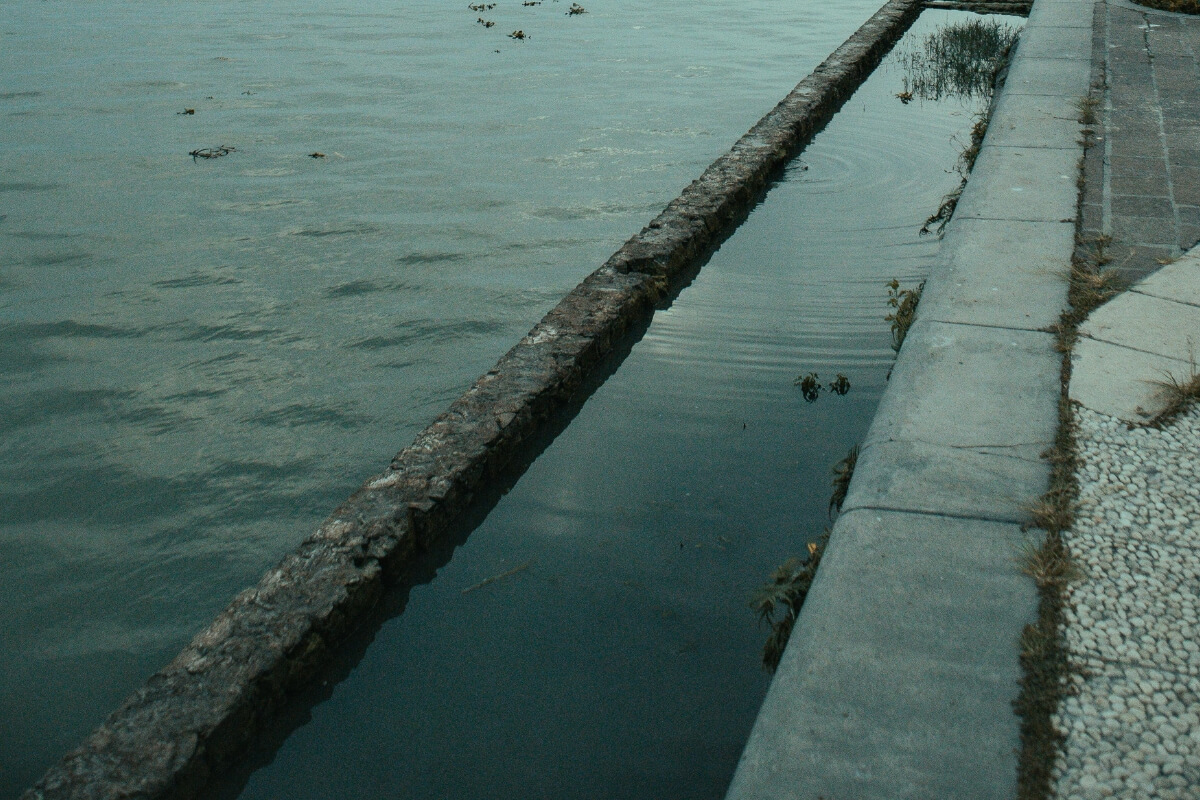
Poor Drainage Behind the Seawall
If water gets trapped behind the seawall, it needs somewhere to go. In Florida, heavy rain, lawn irrigation, and runoff add even more pressure. That trapped water eventually escapes through weak spots—and it takes the soil with it. This often shows up as sinking patches after storms.
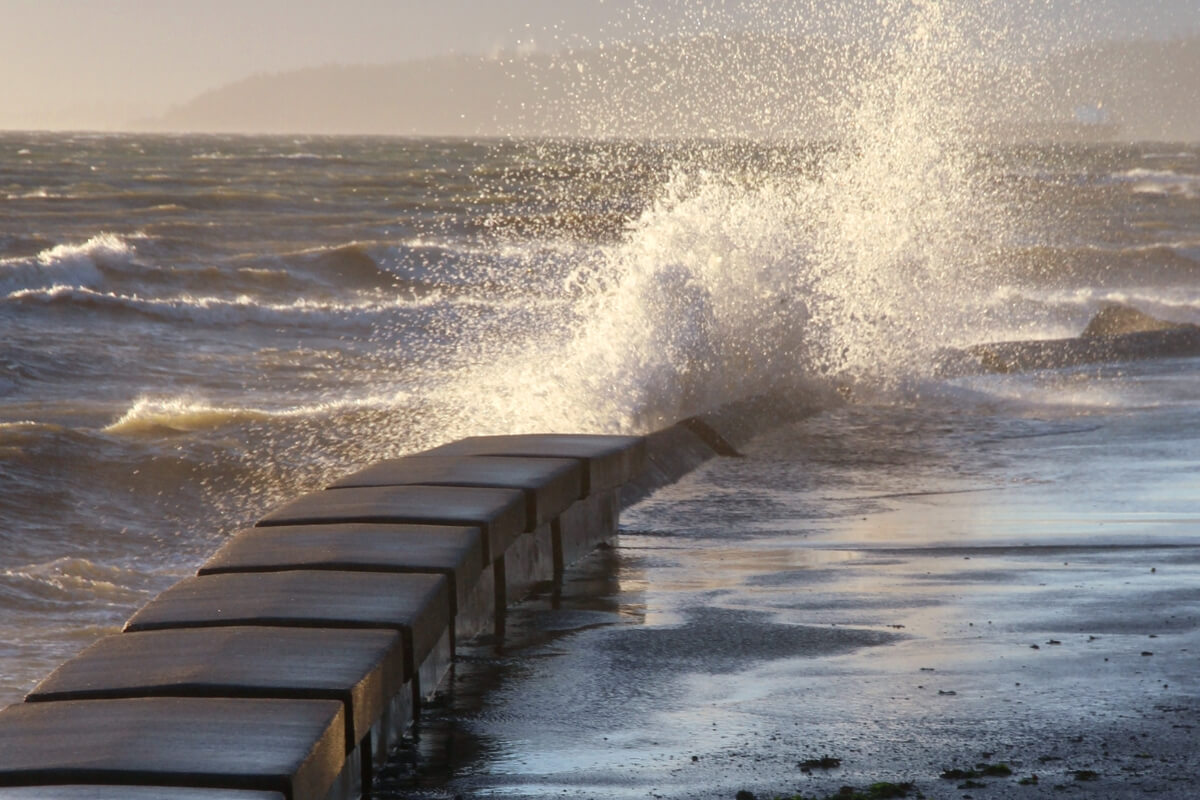
Wave Action and Daily Tidal Movement
Daily wave action and rising tides act like a pump, pulling sand and soil through any gap. Florida waterfront homes deal with this constant movement, which is why erosion often worsens slowly but steadily. You may see tiny depressions growing over time.
Storm Surge and Heavy Rain Events
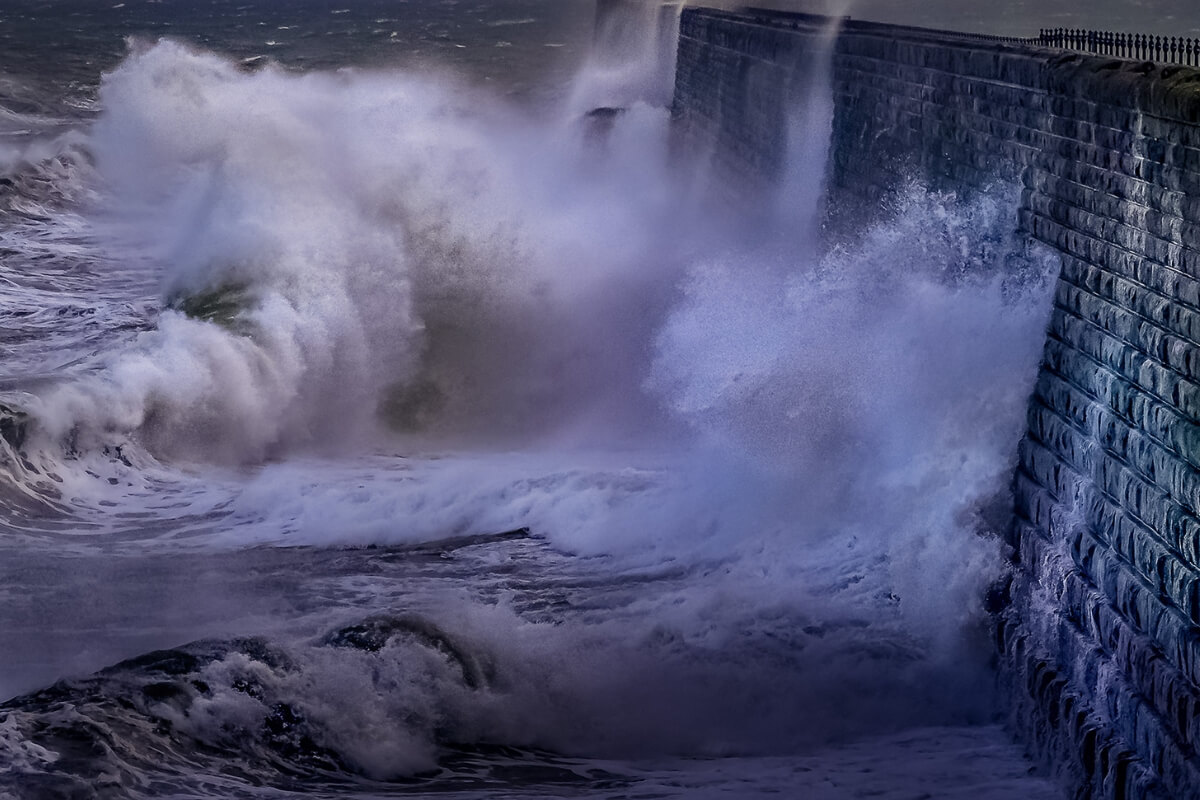
Hurricanes and strong storms push powerful waves against the wall, forcing soil out quickly. Many homeowners find new voids or deeper depressions right after a major Florida storm. Once the soil leaves, the wall loses support and begins to take more stress.
Aging Seawalls and Weak Construction Materials
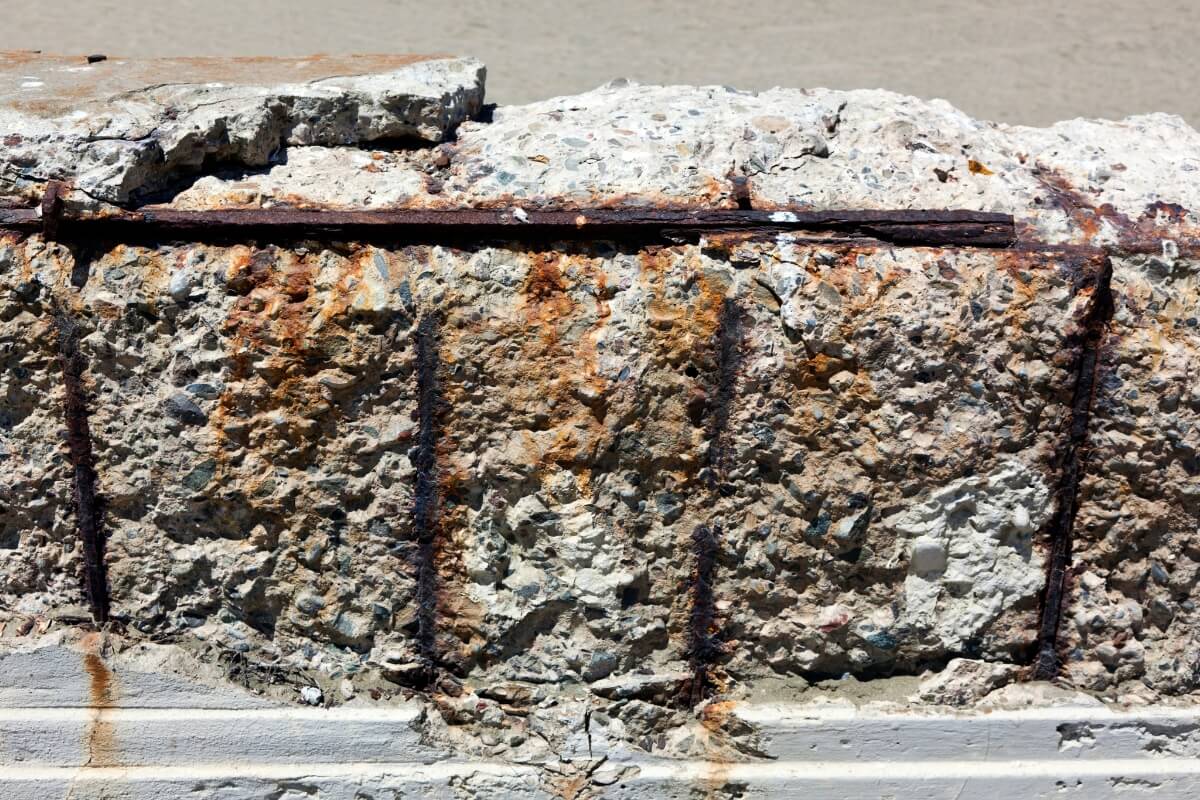
As seawalls age, their joints loosen, and their materials break down. Florida salt, heat, and moisture speed up that wear. When the wall weakens, water gets through more easily, and soil begins to disappear. You might notice leaning panels or widening gaps as the erosion progresses.
If you’re noticing sinking areas or soft ground, LUX can assess and find the exact source and help you protect your seawall before the problem becomes costly.
Proven Solution to Fix Soil Erosion Behind Seawall in Florida
Soil erosion behind a seawall can get worse quickly once voids begin forming. LUX uses a Florida-ready method to repair erosion behind the seawall, restoring lost soil support and helping keep the seawall stable in the long term.
Seawall Polyurethane Grout Injection
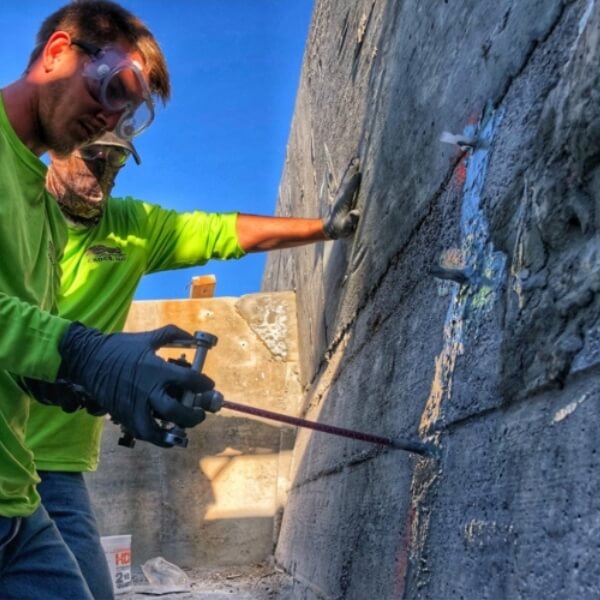
Polyurethane grout injection fills gaps and weakens in the soil behind your seawall, preventing water from washing out more ground. LUX injects a strong, expanding foam that stabilizes the base, strengthens soft spots, and helps your seawall stand up to Florida’s tides, storms, and constant water pressure.
If you’re noticing depressions, soft spots, or sinking areas near your seawall, LUX can evaluate the erosion and recommend the right stabilization plan to repair erosion behind seawall.
Protect Your Seawall Before the Erosion Gets Worse — Get a Free Evaluation
Soil erosion behind a seawall can weaken the structure faster than most homeowners expect. Soft spots, sinking areas, or gaps along the edge usually mean the backfill is already washing out. Addressing the problem early helps avoid larger repairs and protects your waterfront property.
LUX Foundation Solutions understands how Florida tides, storms, and loose coastal soil pull soil away from seawalls. Our seawall polyurethane injection restores lost support and slows future erosion.
If you’re concerned about soil movement, call 904-921-3589 to schedule your free seawall evaluation.
Request a free Estimate
FAQs About Soil Erosion Behind Seawall Damage in Florida
Why is soil disappearing behind my seawall in Jacksonville, FL?
Soil usually washes out when water moves through small cracks or joints in the seawall. In Jacksonville, daily tides and boat wakes push water against those openings, pulling sand with it. If the ground is sinking, LUX can check how widespread the erosion is.
What are the signs of soil erosion behind a seawall in Palm Coast, FL?
Common signs include soft ground, small sinkholes, depressions, or gaps along the seawall. Palm Coast’s coastal waves and storms often make these issues appear more quickly. If you’re noticing uneven ground, LUX can assess the backfill before more soil disappears.
Can soil erosion damage or weaken a seawall in Ocala, FL?
When the soil washes away, the seawall loses the support it needs to stay upright. In Ocala, heavy rain and stormwater runoff can accelerate the process. LUX can evaluate the wall and explain whether stabilization is needed.
How do I stop soil washout behind my seawall in Gainesville, FL?
The most effective fix is stabilizing the soil with polyurethane injection. This fills voids and strengthens the ground that’s already washed out. Gainesville homeowners often see improvement quickly because the foam restores support without major excavation.
LUX can help determine if this is the right solution for your property.