
Hydrostatic Pressure
Is hydrostatic pressure affecting your foundation? Water trapped behind your seawall builds intense pressure that pushes the wall outward and weakens the soil supporting it. Florida’s storms, tides, and saturated ground accelerate the problem, so knowing the causes helps you avoid costly damage.
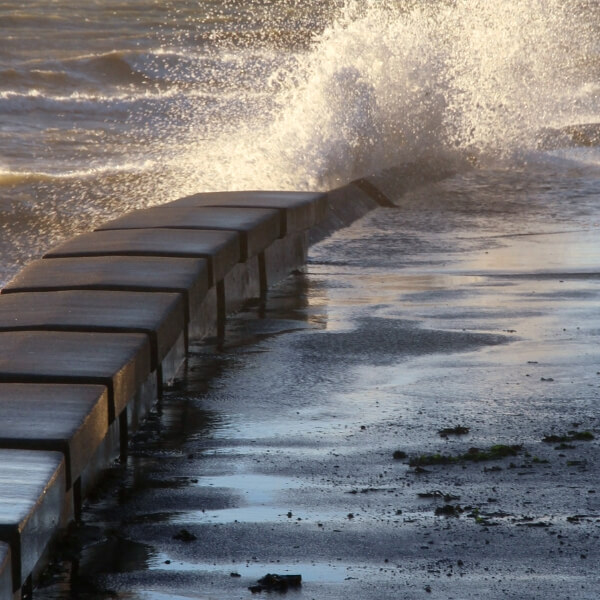
How Hydrostatic Pressure Damages Florida Seawalls
Hydrostatic pressure builds when rain, tides, or runoff soak the soil behind your seawall. That trapped water has nowhere to go, so it exerts increasing pressure against the wall.
Florida’s heavy storms and high water tables quickly increase pressure, which is why many homeowners notice cracking, leaning panels, or soft ground after a major weather event.
As pressure increases, the soil shifts, joints loosen, and small gaps form, allowing more water to pass through. If the wall can’t release that pressure, the structure starts to bow or separate from the backfill.
When you see these early signs, LUX can evaluate the seawall and explain what’s happening before the damage spreads.
What Causes Hydrostatic Pressure to Build Behind Florida Seawalls
Hydrostatic pressure occurs when water becomes trapped in the soil behind your seawall and exerts a force greater than the wall can withstand. These are the most common reasons for pressure buildup.
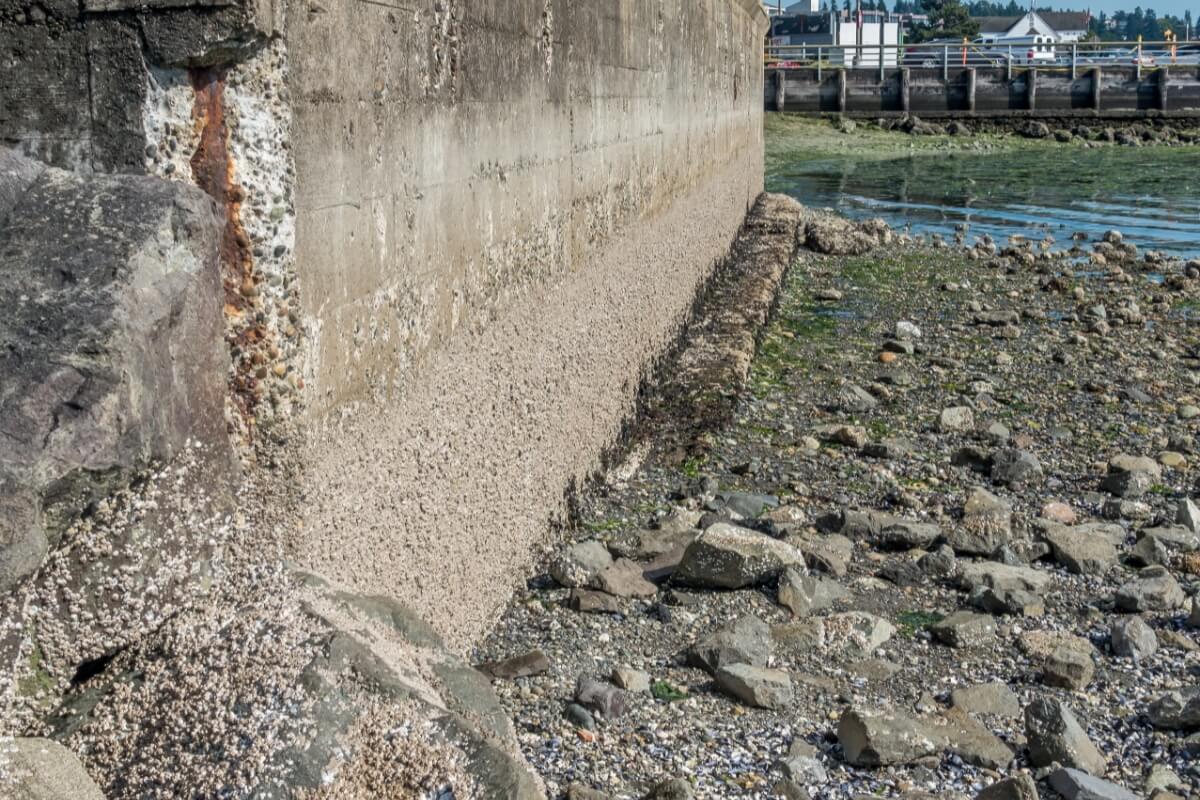
Saturated Soil From Heavy Rain
Florida downpours soak the soil behind your seawall faster than it can drain. That trapped moisture expands the ground and exerts pressure on the wall, often causing cracks or a leaning seawall. If the pressure builds after storms, your seawall may already be under stress.
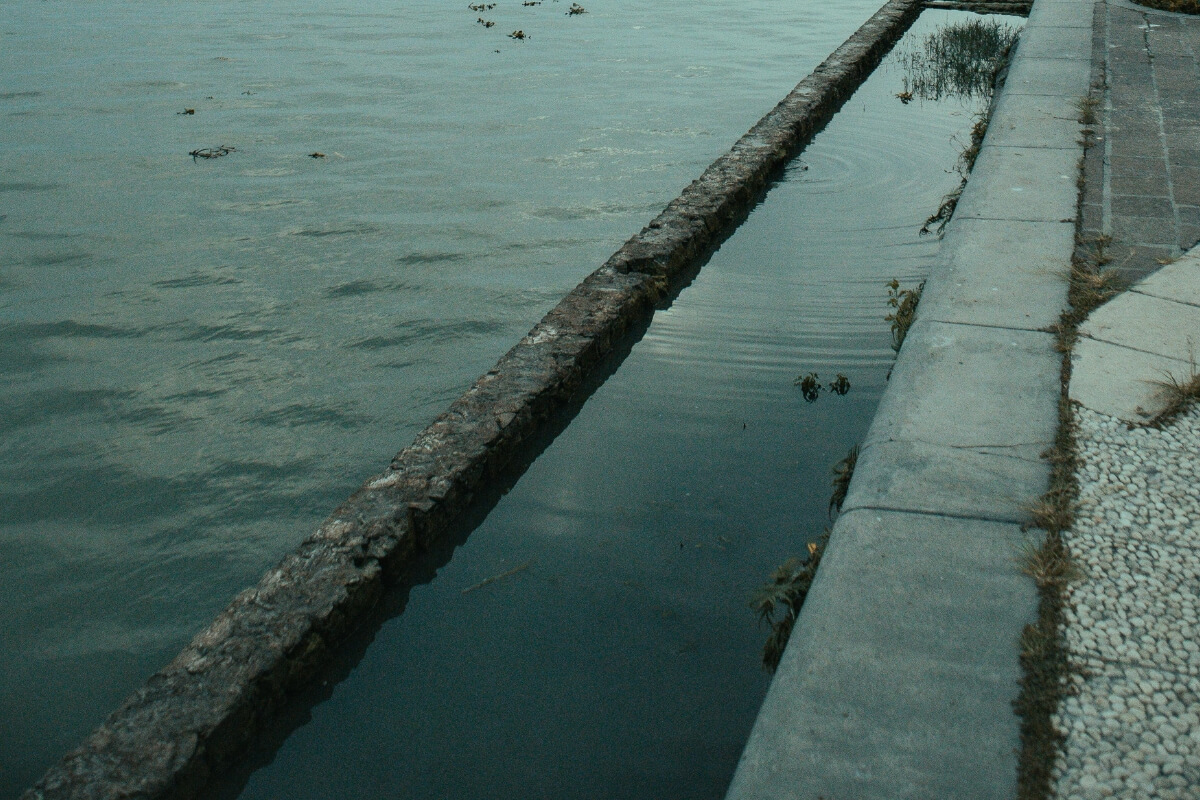
Poor Drainage Behind the Seawall
When water can’t drain properly, it accumulates behind the seawall, creating constant pressure. Lawn irrigation, runoff, and low grading make the soil stay wet longer. Over time, that trapped water weakens the wall, loosens joints, and leads to gradual shifting or settling.
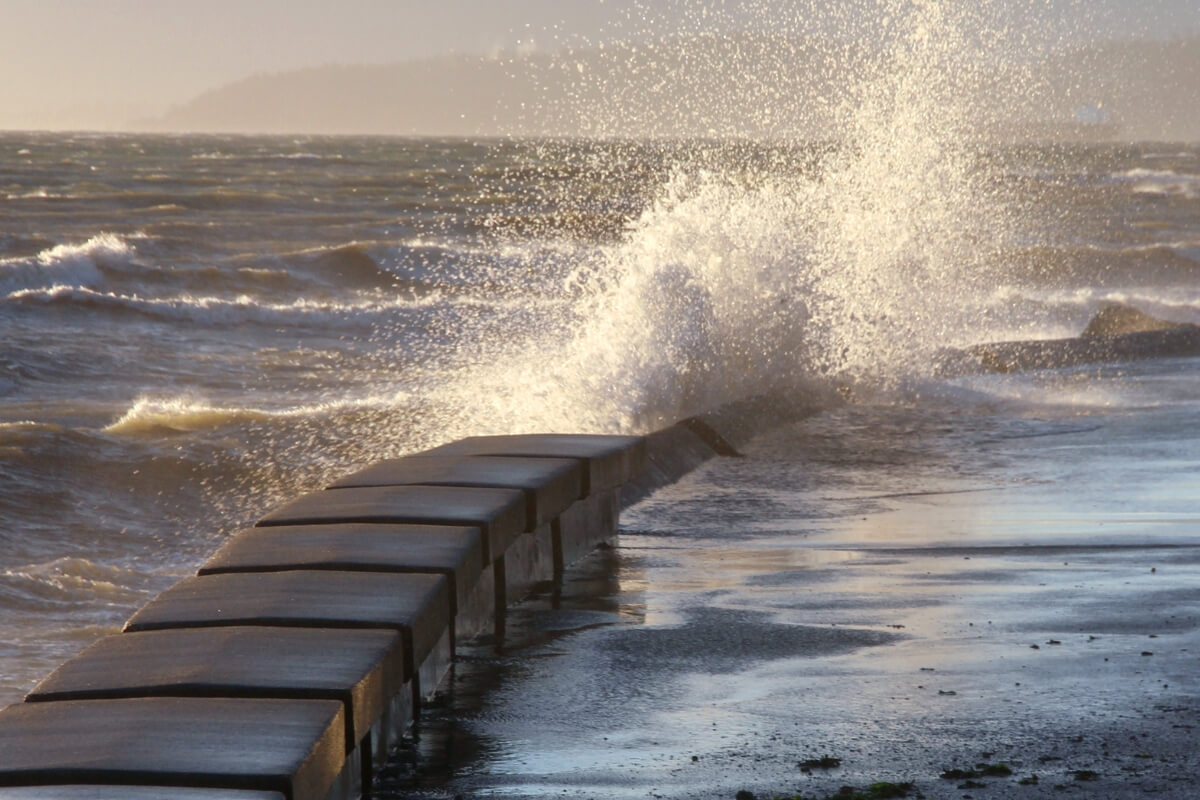
Rising Tides and High Water Levels
Daily high tides raise the water table and keep the soil behind your seawall saturated for hours. This constant moisture adds steady pressure, especially on older walls. If you notice damp soil or small depressions, the tide cycle may be stressing your seawall.
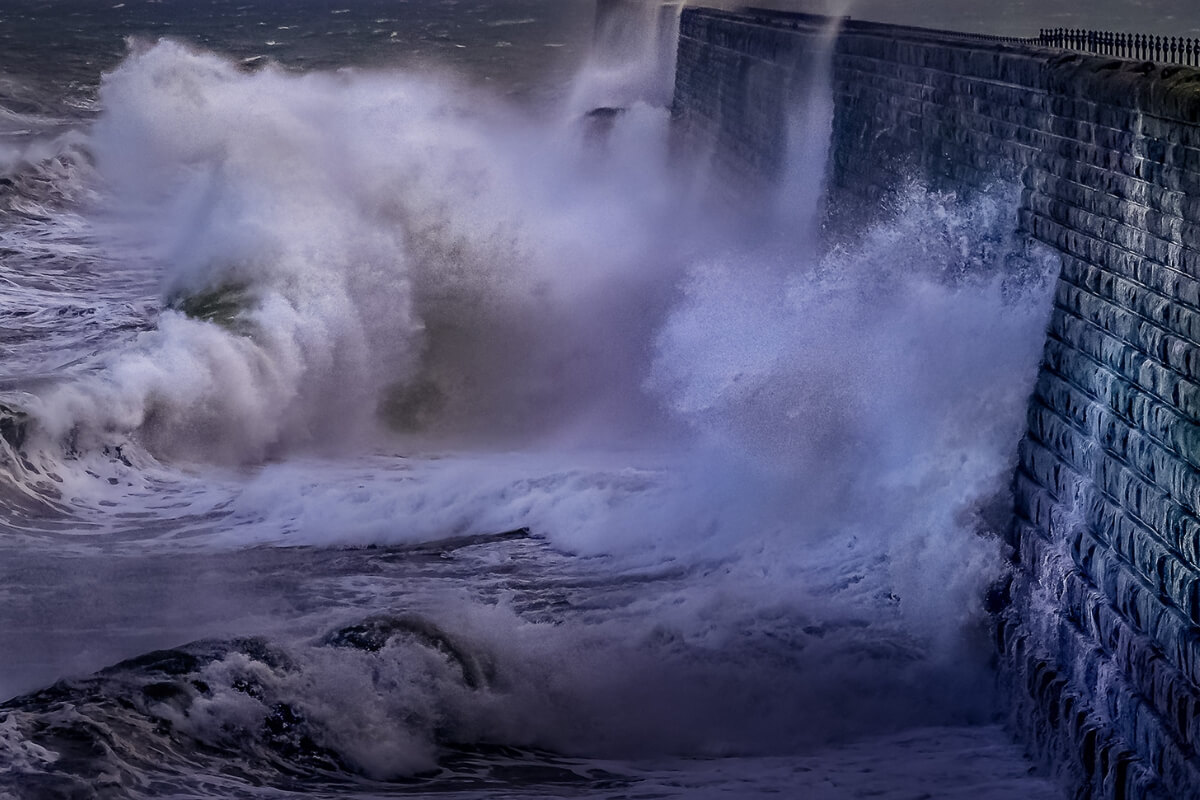
Storm Surge Increasing Water Buildup
During hurricanes and intense coastal storms, surge pushes large volumes of water against your seawall at once. That sudden rise forces water deep into the soil behind the wall, creating intense pressure. When the surge recedes, the saturated soil continues to push, often causing cracks, leaning, or tidal washouts.
If you notice gaps, leaning panels, or sinking areas next to the wall, LUX can assess the source of pressure and recommend the right fix.
Proven Solution to Reduce Hydrostatic Pressure on Florida Seawalls
Hydrostatic pressure can quickly weaken a seawall once the soil becomes saturated, but LUX offers a proven way to restore support and stop washout before it spreads.
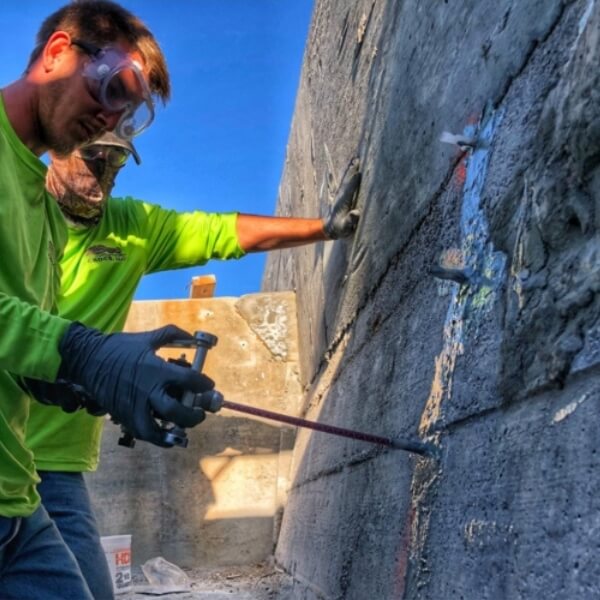
Seawall Polyurethane Grout Injection
Hydrostatic pressure eases once the soil behind the wall is stabilized. LUX injects hydrophobic polyurethane grout to fill voids, firm up soft soil, and prevent water from seeping through cracks or joints. The expanding material restores lost support and helps your seawall handle Florida’s rain, tides, and pressure changes.
If you’re seeing new cracks, soft spots, or gaps forming behind the wall, LUX can evaluate the problem and walk you through the stabilization approach that fits your property and Florida’s conditions.
Keep Hydrostatic Pressure From Weakening Your Seawall — Start With a Free Evaluation
When groundwater accumulates behind your seawall, the pressure can shift panels, erode soil, and create uneven spots across your yard. Once these changes begin, they progress quickly, especially after storms or prolonged rainy periods. Getting ahead of the issue helps protect your property before the damage grows.
LUX Foundation Solutions helps Florida homeowners stabilize and protect seawalls exposed to rising groundwater and storm-driven moisture. We serve Jacksonville, Gainesville, Ocala, Palm Coast, and St. Augustine with polyurethane grout injection designed to stop washout and restore lost support.
If you’re concerned about pressure buildup behind your seawall, call 904-921-3589 to schedule your free seawall assessment and estimate.
Request a free Estimate
FAQs About Hydrostatic Pressure and Seawall Damage in Florida
Why is hydrostatic pressure causing my seawall to shift in Jacksonville, FL?
Jacksonville’s saturated soil holds large amounts of water after storms. When that water has nowhere to drain, it pushes hard against the back of your seawall and can cause bowing or movement. LUX can assess whether pressure buildup or soil loss is driving the problem.
What are the signs of hydrostatic pressure behind my seawall in Palm Coast, FL?
Palm Coast homeowners often notice sinking soil, gaps near the cap, cracking panels, or a wall that begins to lean. These issues usually appear after heavy rain or high water levels. LUX can check the seawall and identify where the pressure is building.
Can hydrostatic pressure weaken a seawall in Gainesville, FL?
Yes. Gainesville experiences frequent heavy rainfall that quickly saturates the soil. When the seawall can’t release that trapped water, the pressure can crack joints, widen gaps, and reduce structural support. LUX can evaluate the wall and determine if stabilization is needed.
How do I reduce hydrostatic pressure behind my seawall in St. Augustine, FL?
Improving drainage and sealing weak points helps reduce pressure buildup. St. Augustine’s tidal changes and storms make it easy for water to collect behind the wall. LUX can recommend whether hydrophobic polyurethane grout injection is necessary to fill voids and help the wall handle moisture cycles.