
Corrosion from Saltwater
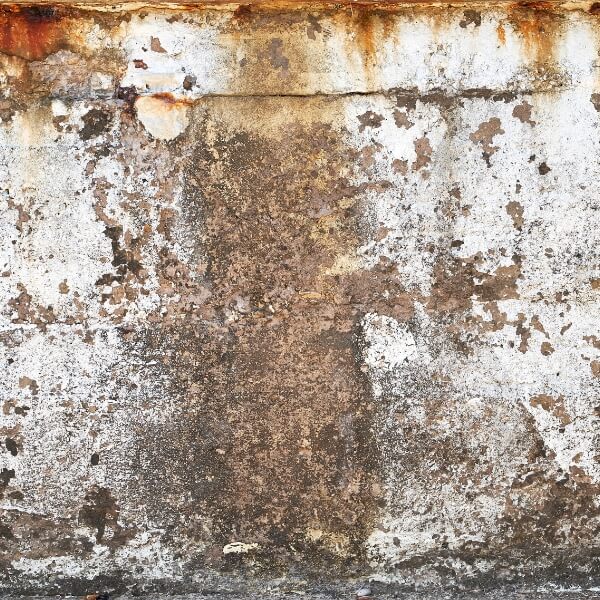
Saltwater corrodes steel, weakens concrete, and wears out joints in coastal Florida. If you’re seeing rust stains, rough patches, or fragile areas along the wall, you’re likely dealing with early corrosion that needs attention.
Why Corrosion from Saltwater Damages Florida Seawalls
Saltwater breaks seawalls down faster in Florida because the minerals in seawater react with the concrete, steel, and joints that hold the wall together. Daily tides, storms, and constant moisture keep those materials wet, allowing seawall corrosion to spread faster than most homeowners expect.
Over time, you may notice rust stains, chipping, cracking, or spots where the wall looks worn or hollow. These early signs often mean saltwater has already reached the inside of the wall and is weakening its support.
If something looks off along the seawall, LUX can help identify the severity of the corrosion and what’s needed to stabilize and protect your shoreline.
What Causes Saltwater Corrosion in Florida
Corrosion from saltwater develops for several reasons, but Florida’s coastal conditions make the process faster and more aggressive. These are the main factors that cause corrosion to spread.
Salt Spray and Coastal Wind Exposure
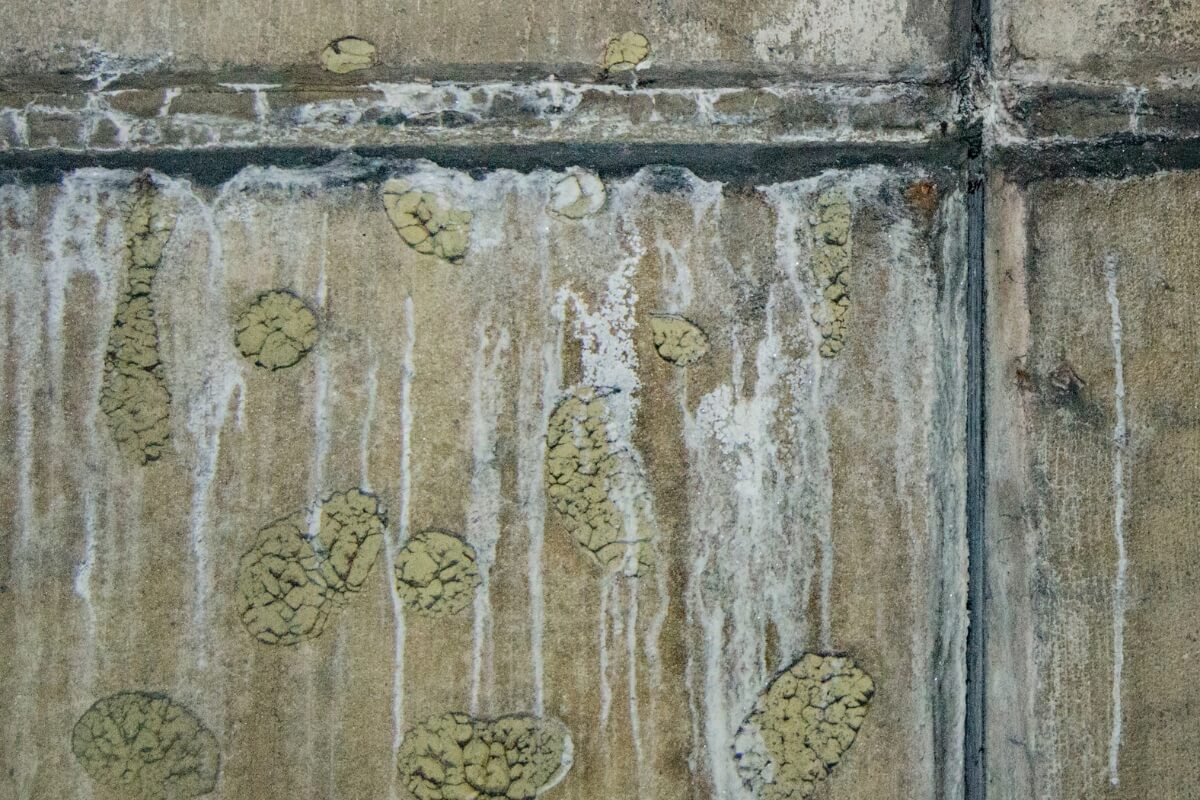
Salt carried by coastal winds settles on the seawall every day. This salt holds moisture and seeps into small pores in the concrete. Over time, it breaks down the surface and corrodes the steel reinforcement. Homeowners often notice early rust streaks or surface flaking near the waterline.
Daily Tidal Cycles Saturating the Wall
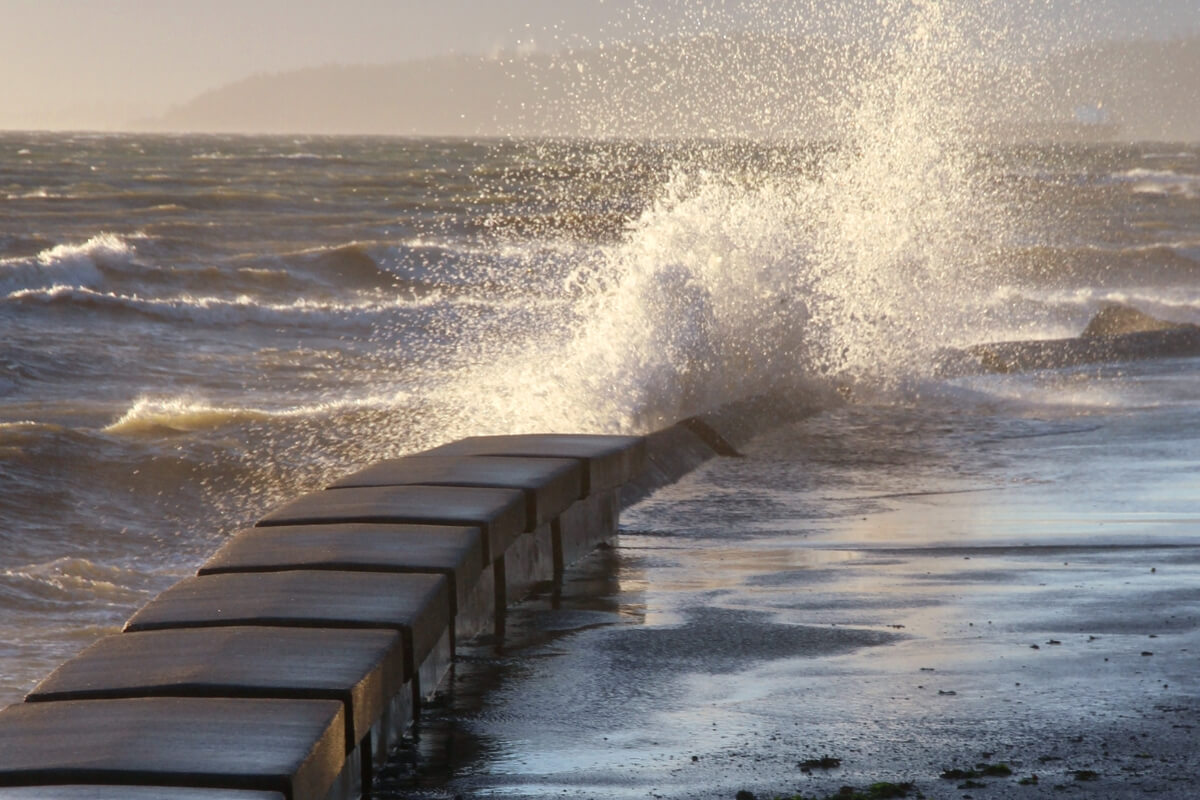
Florida’s tides repeatedly push saltwater against the seawall, soaking and drying the concrete multiple times a day. This cycle traps salt deep inside the structure, causing internal corrosion and weakening. As the rebar expands, cracks and spalling appear, often starting at the bottom of the wall
Storm Surge and Wave Pressure
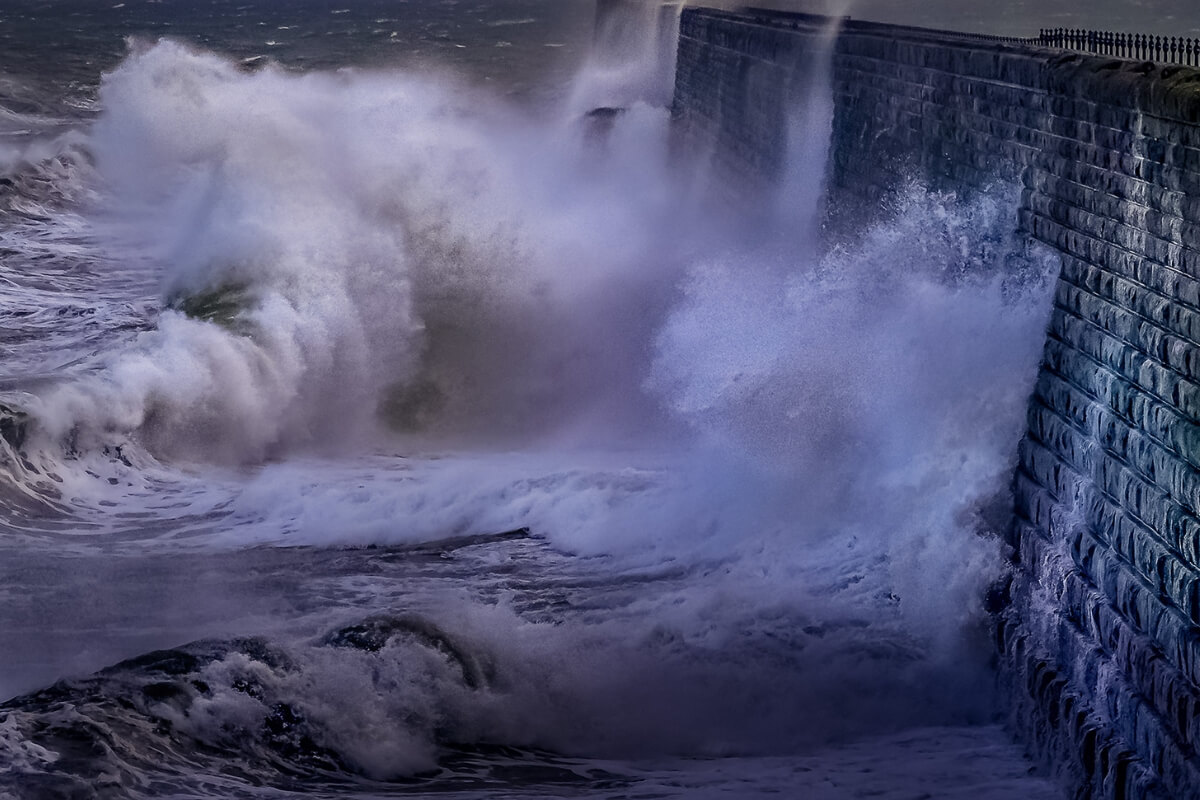
During storms, strong waves and surge force large amounts of saltwater into small joints and cracks. This speeds up corrosion and washes out soil behind the seawall. Once water gets through, the wall begins to bow, separate, or lose backfill, creating visible dips or soft spots in your yard.
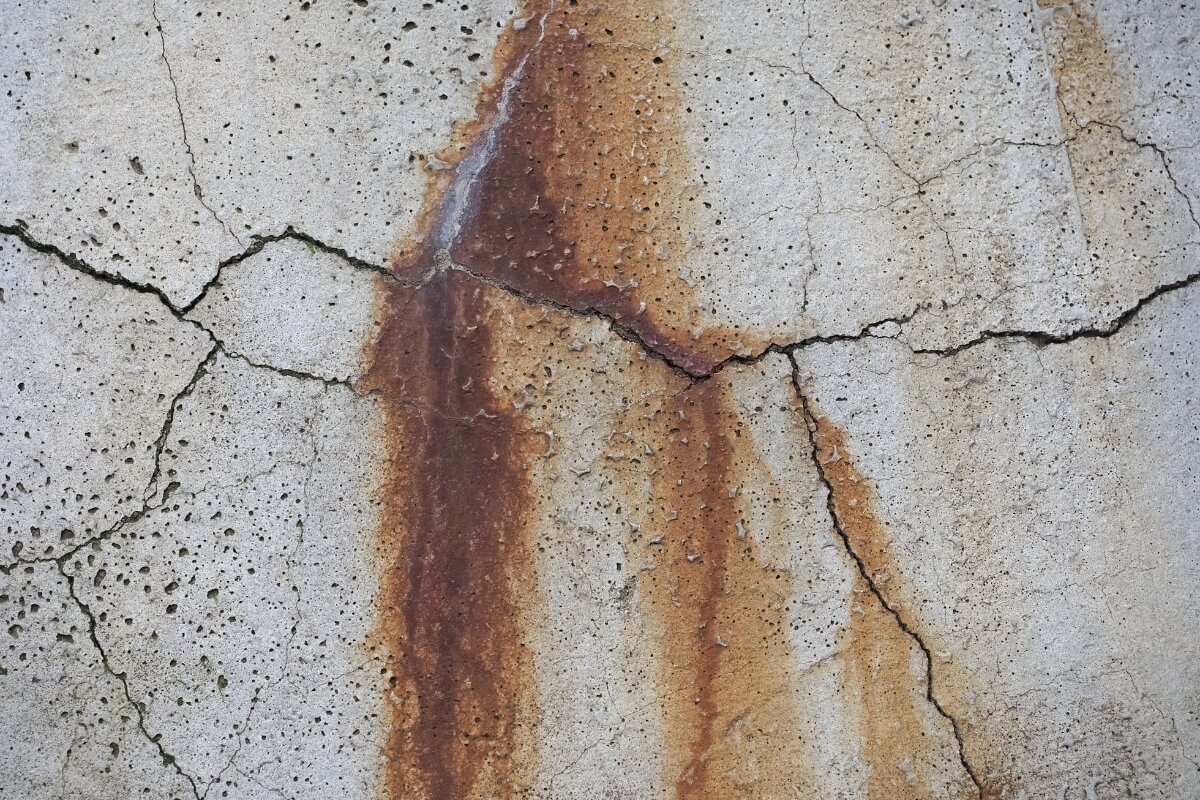
Saltwater Penetration Through Cracks
Even small cracks allow saltwater to reach the steel inside the seawall. Once salt enters, corrosion starts quickly, especially in Florida’s humid climate. The rebar expands as it rusts, causing the concrete to break apart and creating larger cracks, voids, and long-term structural risks.
If you’re seeing cracking, rust streaks, or erosion behind your seawall, LUX can determine how saltwater is entering the structure and recommend the right long-term fix.
Proven Solution to Stop Saltwater Corrosion in Florida Seawalls
If corrosion is weakening your seawall or causing soil loss behind it, LUX restores support and blocks saltwater from entering the structure.
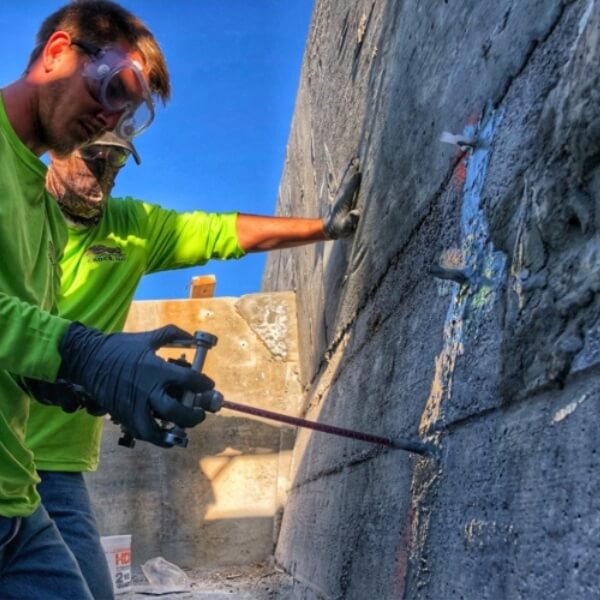
Seawall Polyurethane Grout Injection
Polyurethane grout injection fills hidden voids and stabilizes the soil behind corroded seawalls. LUX injects hydrophobic polyurethane grout into cracks, joints, and voids behind the seawall. It rebuilds lost support, blocks future washout paths, and helps the seawall handle Florida’s daily tides without major excavation.
If you’re seeing rust staining, cracking, or soft ground near the seawall, LUX can evaluate the damage and recommend the right stabilization plan to help protect your waterfront property.
Protect Your Seawall From Saltwater Damage — Start With a Free Evaluation
Saltwater corrosion only moves in one direction—deeper and faster. If you’re seeing rust stains, flaking concrete, loose soil, or weakening panels, your seawall is already losing support. Repairing it early protects your yard, shoreline, and peace of mind.
LUX Foundation Solutions serves homeowners across Jacksonville, Gainesville, Ocala, Palm Coast, and St. Augustine with seawall polyurethane injection built for Florida’s coastal conditions.
If you’re worried about ongoing corrosion, call 904-921-3589 to schedule your free seawall evaluation today.
Request a free Estimate
FAQs About Saltwater Corrosion on Florida Seawalls
Why is my seawall rusting so quickly in Jacksonville, FL?
Saltwater in Jacksonville speeds up corrosion because daily tides keep the wall wet and coated with salt. That moisture reacts with concrete and steel, causing fast rusting and surface wear. If the rust is spreading, LUX can evaluate the wall, identify areas that are losing strength, and recommend the best solution for your seawall.
What are the early signs of saltwater corrosion in Palm Coast, FL?
Homeowners in Palm Coast often notice stains, flaking, rough patches, or small cracks along the seawall. Coastal spray and waves make these signs appear sooner. If the surface is deteriorating, LUX can evaluate the wall and determine whether stabilization is needed.
Can saltwater corrosion weaken my seawall in Ocala, FL?
Yes. Saltwater reacts with concrete and steel, gradually reducing the wall’s ability to hold back soil. In Ocala, storm runoff and rising water levels can intensify the corrosion. LUX can assess the seawall damage and recommend the best approach to reinforce it.
How do I slow down corrosion on my seawall in Gainesville, FL?
Rinsing the wall, sealing cracks, and controlling drainage help reduce corrosion. Gainesville’s humidity and warm temperatures make saltwater reactions stronger, so early protection matters. LUX can assess the wall and determine if polyurethane injection is needed to restore support.
Why does saltwater cause surface flaking on my seawall in St. Augustine, FL?
Saltwater leaves behind crystals that break down the surface as they expand. In St. Augustine, constant tides make this process faster, leading to flaking and rough concrete. If the texture is worsening, LUX can examine the wall and recommend the right stabilization approach.