
Droughts and Heavy Rainfall

Florida’s weather swings between long dry spells and intense storms, both of which affect the soil supporting your home. Learn how droughts and heavy rainfall cause foundation movement and the steps you can take to protect your home from long-term damage.

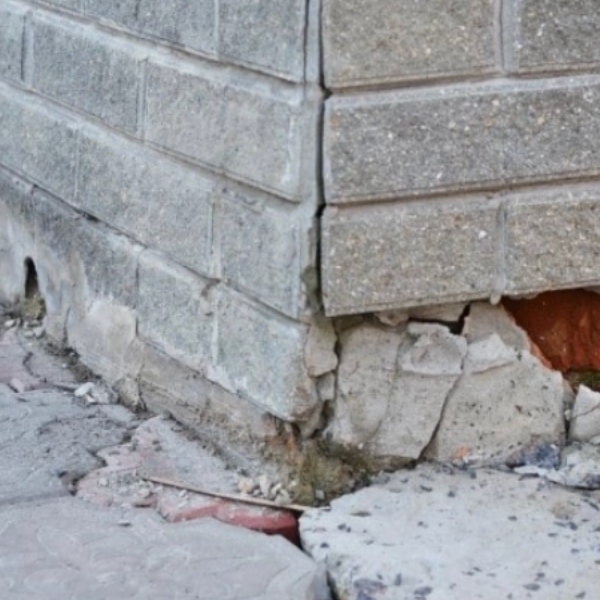
Foundation edge crumbling due to soil shrinking and expanding, needing a drought and rainfall damage solution in Jacksonville, FL.

How Droughts and Heavy Rainfall Damage Florida Foundations

Florida soils respond quickly to changes in moisture. During droughts, the ground dries out and shrinks, creating gaps beneath the foundation. 

When heavy rainfall follows, the soil swells fast, putting pressure on the structure. This constant cycle of shrinking and expanding leads to cracks, uneven concrete floors, sticking doors, and long-term structural stress.

Because Florida’s weather swings between long dry periods and intense storms, these foundation issues show up faster here than in many other states. 

These shifts don’t always cause damage right away. Keeping an eye on your home after long dry spells or heavy rain helps you stay ahead of any movement.

What Causes Foundation Problems During Droughts and Heavy Rainfall in Florida

Florida’s sandy soil reacts quickly to moisture changes. Long dry spells shrink the ground, while heavy rain makes it swell or wash out. These shifts can strain the foundation and create early signs of structural movement. 


Below are the main factors that make droughts and heavy rainfall a serious concern for Florida homes.

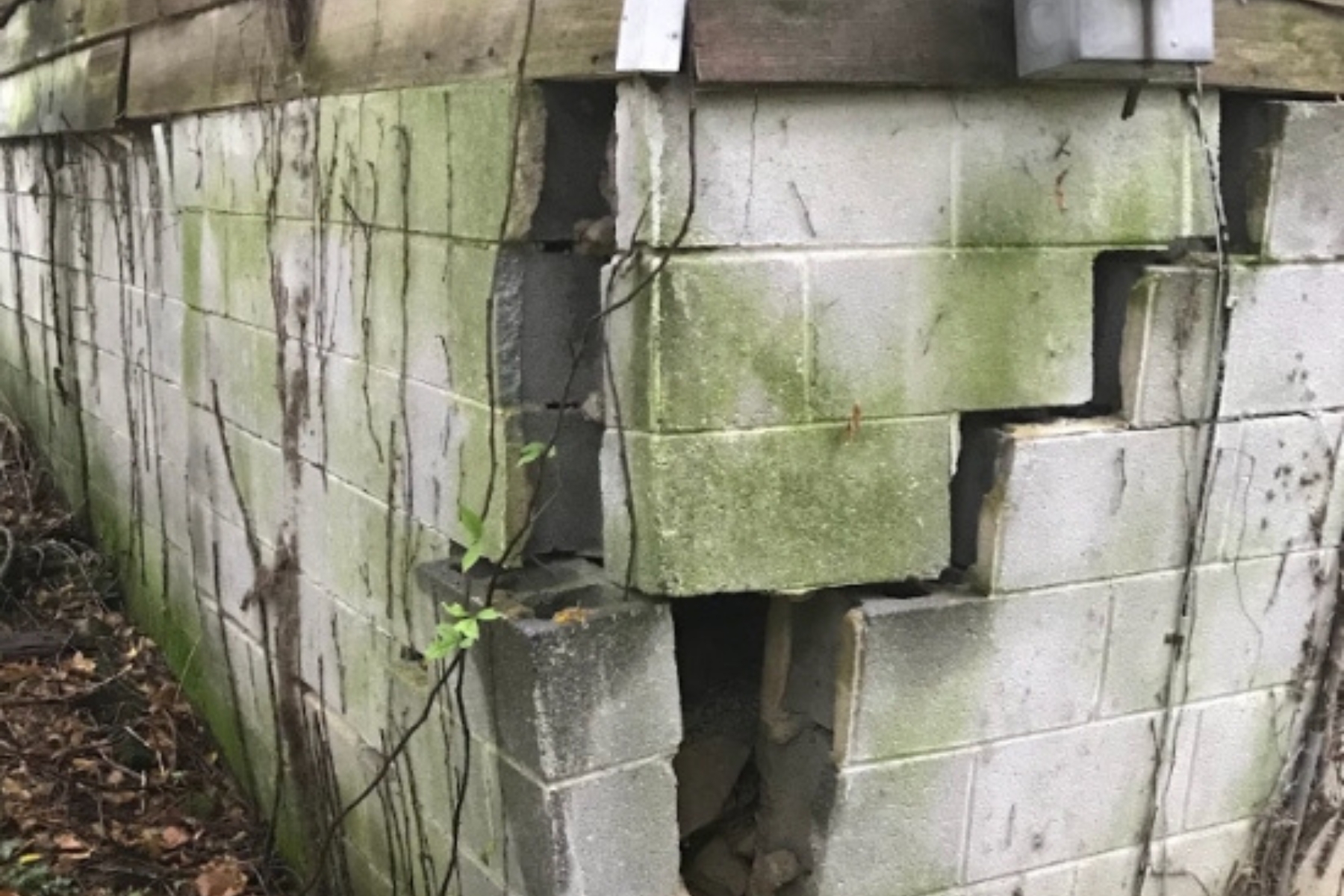
Wide foundation cracks due to drought conditions and soil shrinkage, causing foundation damage in St Augustine, FL.

Extended Drought and Soil Shrinkage

During droughts, the soil loses moisture and contracts, creating gaps around the foundation. As the ground dries out, support weakens, and corners of the home may start to settle. Many dry soil foundation problems begin with this shrink-and-separate effect.

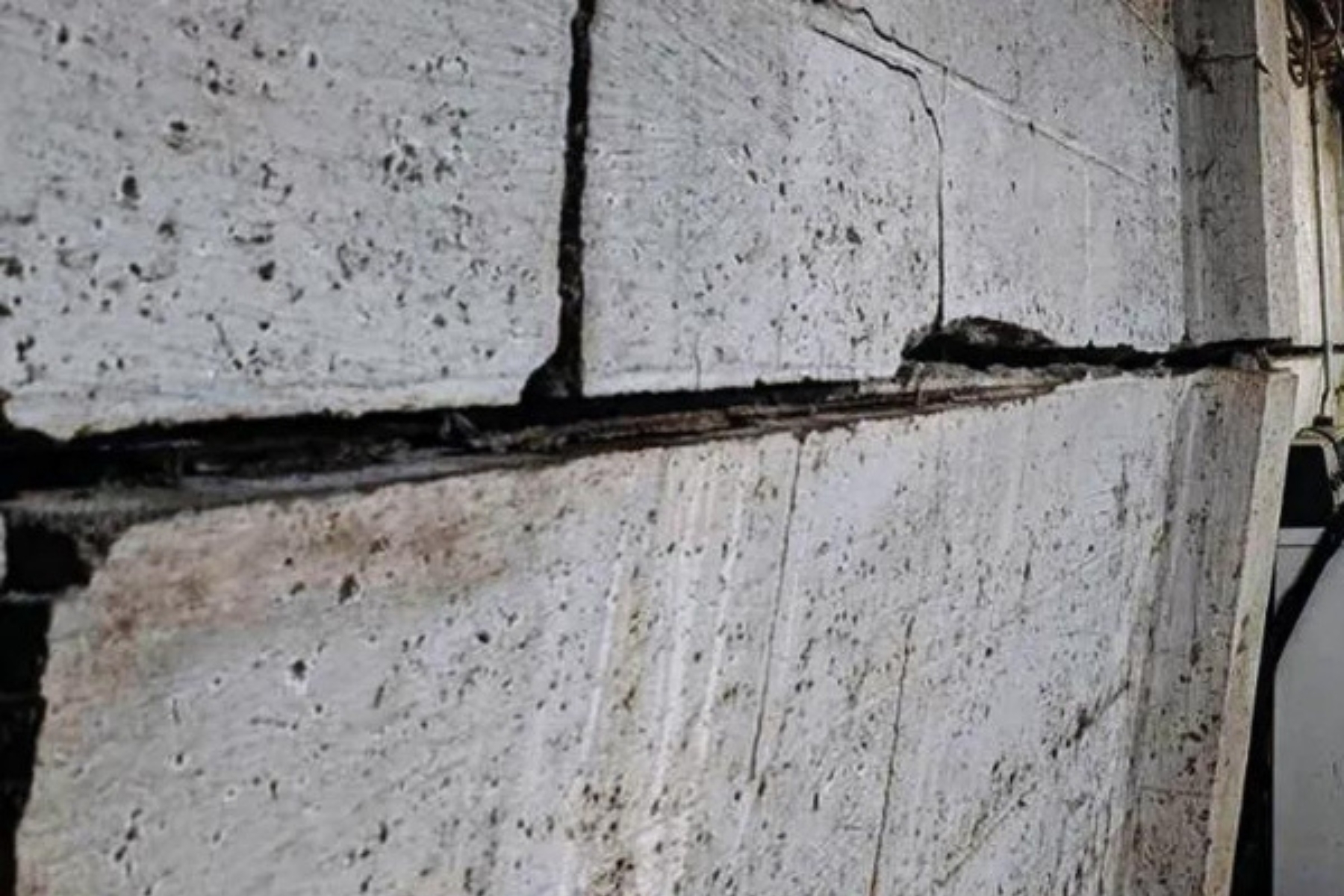
Bowing foundation wall due to saturated soil expansion, causing foundation damage in Palm Coast, FL.

Rapid Soil Expansion After Heavy Rain

Once the drought breaks and heavy rain arrives, the soil absorbs water quickly and swells. This rapid expansion puts pressure on foundation walls and can widen existing cracks. Many Florida homeowners notice foundation wall cracks after heavy rain due to this sudden swelling and hydrostatic pressure buildup.

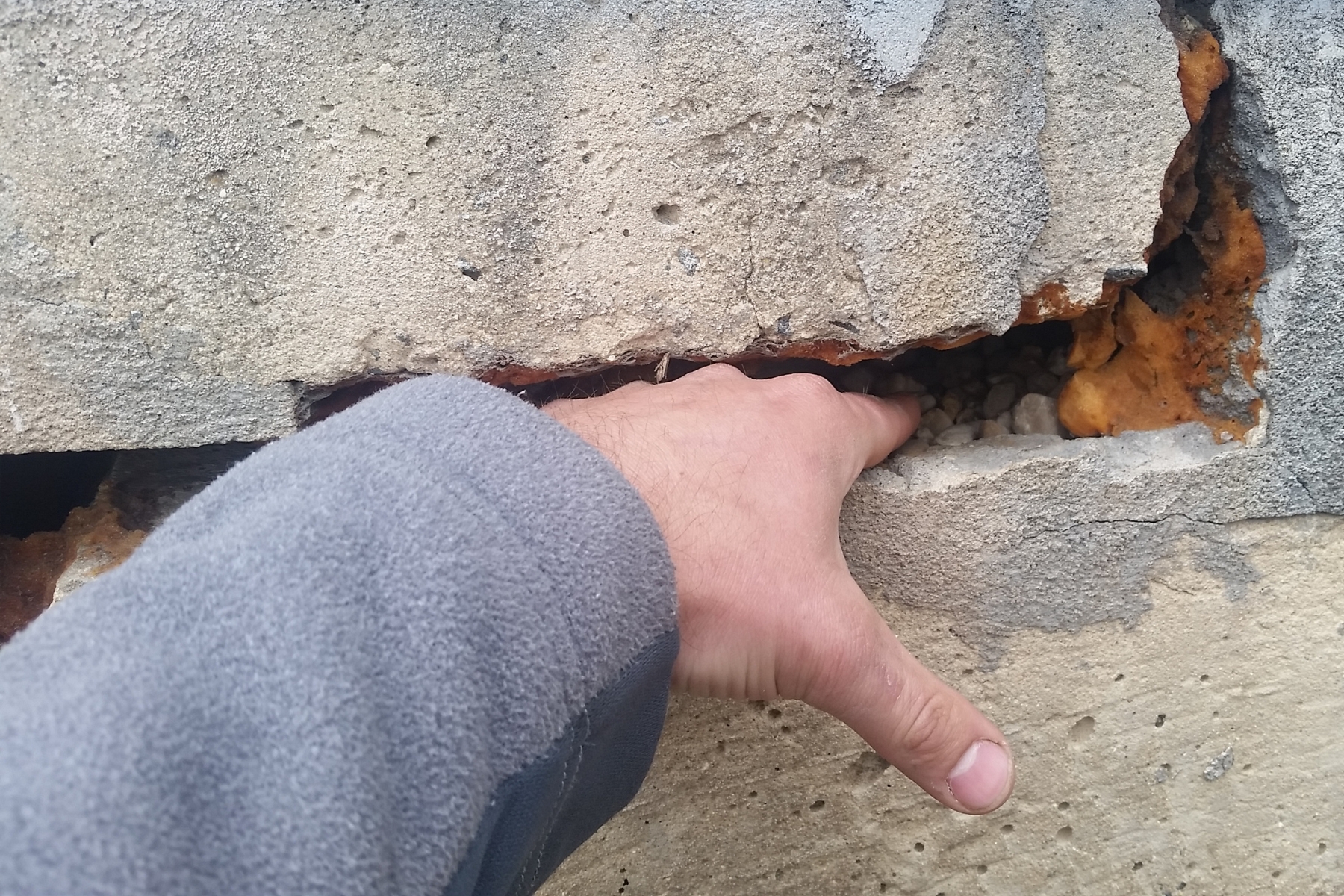
A huge foundation crack in a home’s wall due to hydrostatic pressure, causing foundation damage in Ocala, FL.

Hydrostatic Pressure From Stormwater

Heavy rainfall increases groundwater levels and pushes water against the foundation. This hydrostatic pressure can lead to moisture intrusion, bowed walls, or new structural cracks. Florida’s flat terrain and frequent storms make this pressure cycle more intense.

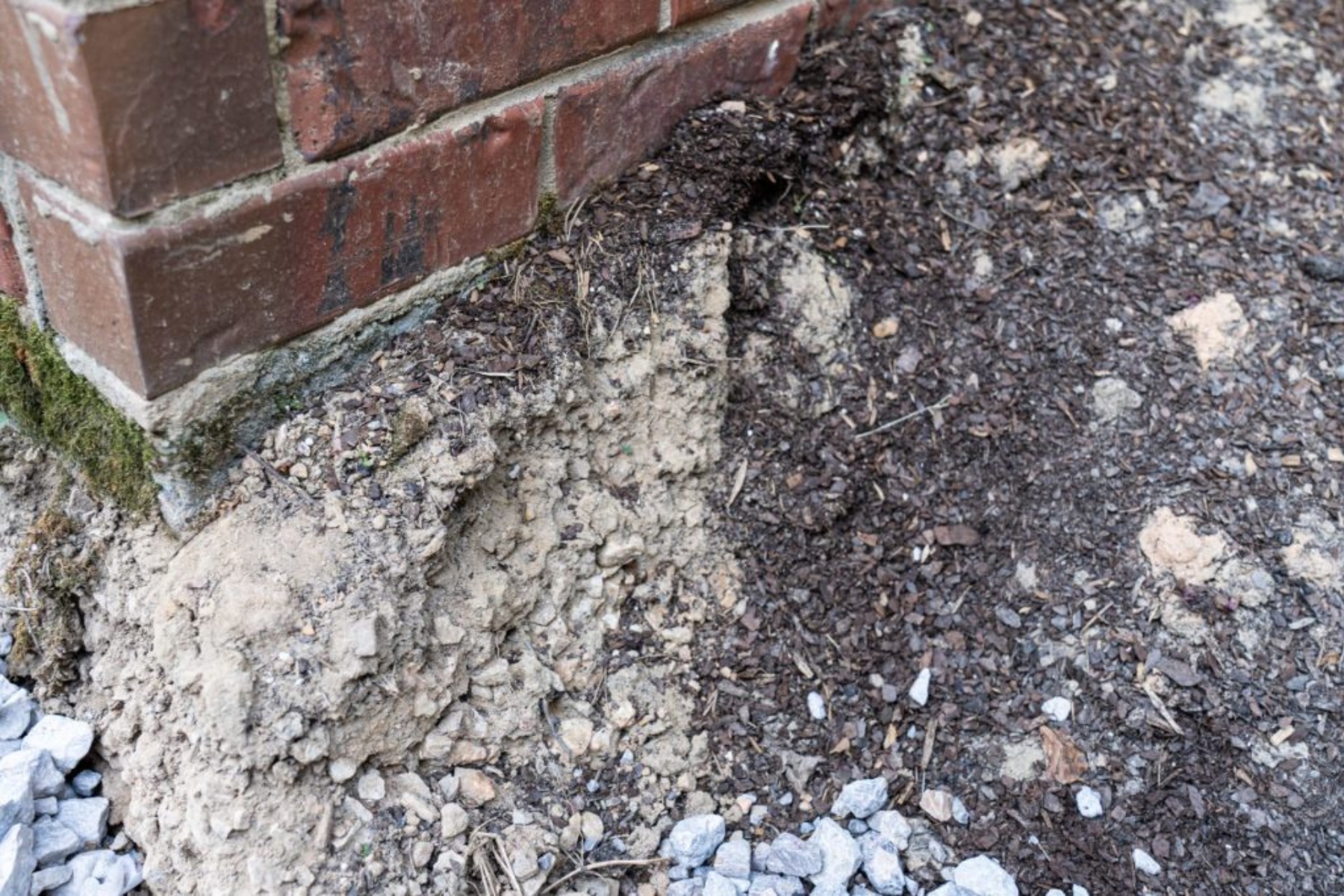
Loose soil in foundation edges, showing weak support during weather swings, causing foundation damage in Gainesville, FL.

Loose or Sandy Soil Conditions

Large parts of Florida sit on sandy soil that shifts easily when dry and washes out quickly when wet. This makes homes more vulnerable to movement during droughts and storms, especially when soil can no longer hold consistent support.

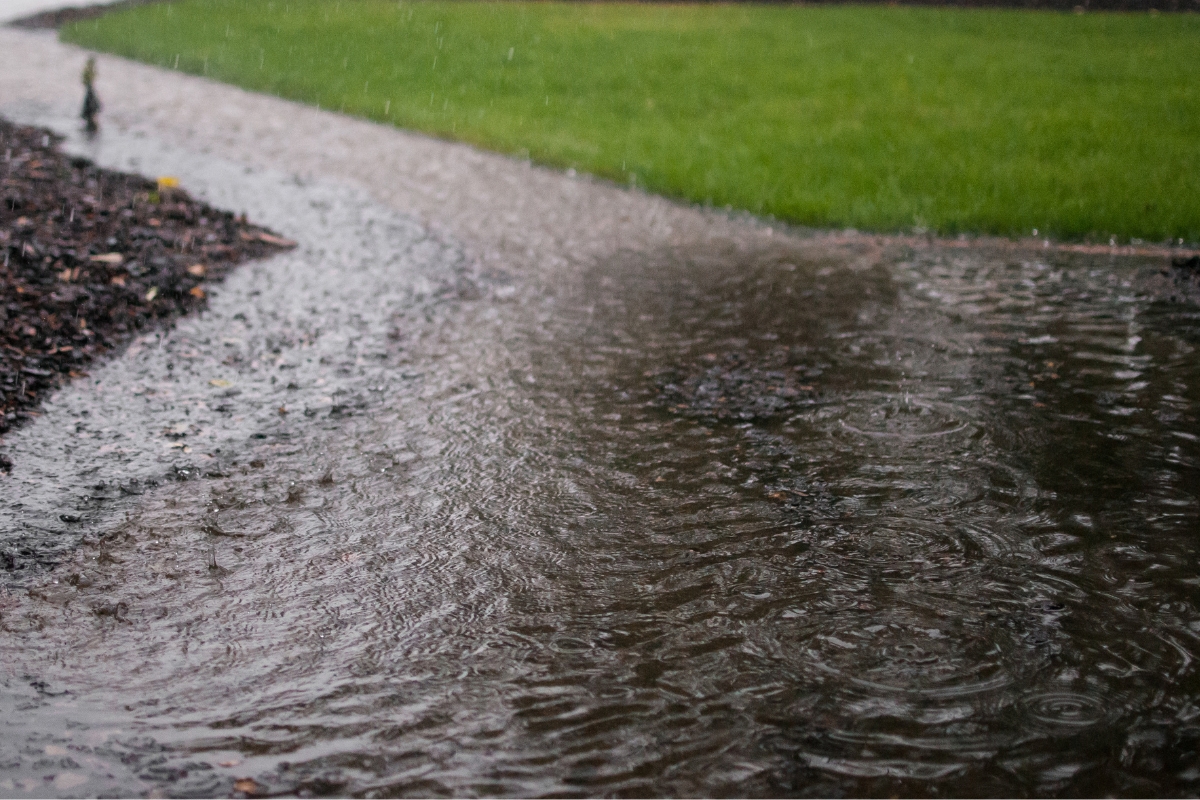
Pooling water in the front yard due to a high water table, causing foundation damage in St Johns, FL.

High Water Table Conditions

High groundwater levels are common across Florida, keeping soil wet for long periods. Saturated soil loses strength and washes away more easily, causing foundation erosion and reducing the support your home relies on.

When these conditions combine, the soil can’t support the structure consistently — and the foundation begins to show signs of distress. 

LUX evaluates what’s happening beneath your home and recommends solutions that stop the movement before it grows more serious.

Our Solutions to Fix Foundation Damage from Droughts and Heavy Rainfall

Soil movement from droughts and heavy rain can shift, crack, or weaken your foundation. LUX Foundation Solutions uses repair methods tailored to Florida’s fast-changing soil conditions to restore stability and break the cycle of damage.

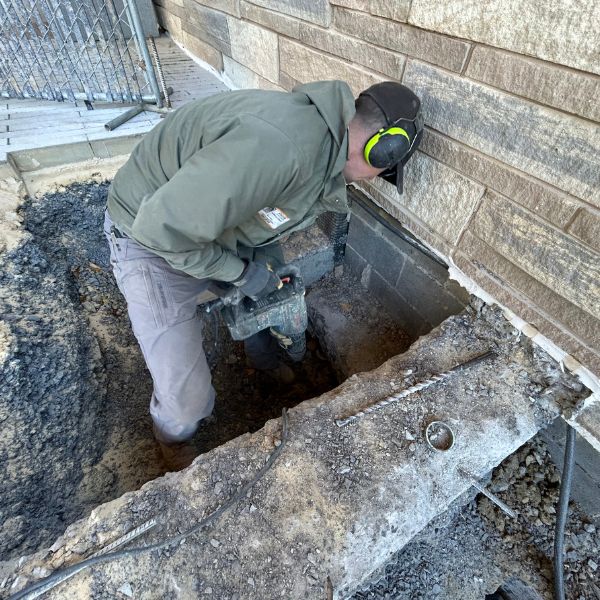
Technician installing steel piers under a settling foundation caused by drought and rain cycles in Fort Lauderdale, FL.

Foundation Piering Systems

Piering supports areas of the home that have sunk or shifted due to dry soil foundation problems or washout after storms. LUX installs steel push piers or helical piers to transfer the home’s weight to deeper,  stable layers. This stops settlement, lifts sinking areas, and provides steady support for years to come.

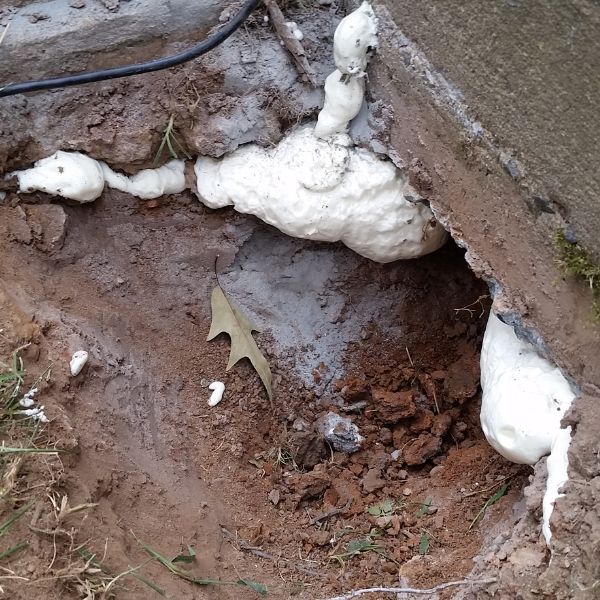
Polyurethane foam injected beneath a Florida home to stabilize soil weakened by drought and heavy rainfall in Palatka, FL.

Foundation Soil Stabilization

Drought can loosen soil, and heavy rain weakens it even more. Our soil stabilization process uses expanding polyurethane foam to fill voids, boost density, and support the foundation. This helps protect the structure from recurring soil movement during Florida’s dry-to-wet cycles.

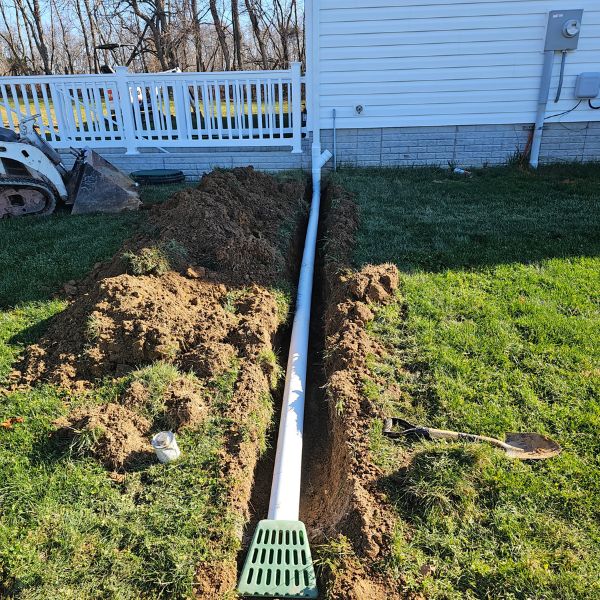
French drain installed to redirect stormwater away from a foundation and prevent soil saturation in Middleburg, FL.

Drainage Solutions

Improper drainage makes heavy rain damage worse. Redirecting water away from the home helps prevent erosion, pooling, and pressure that cause foundation cracks after heavy rain. LUX installs French drains, grading corrections, and downspout extensions to keep stormwater from collecting near the foundation.

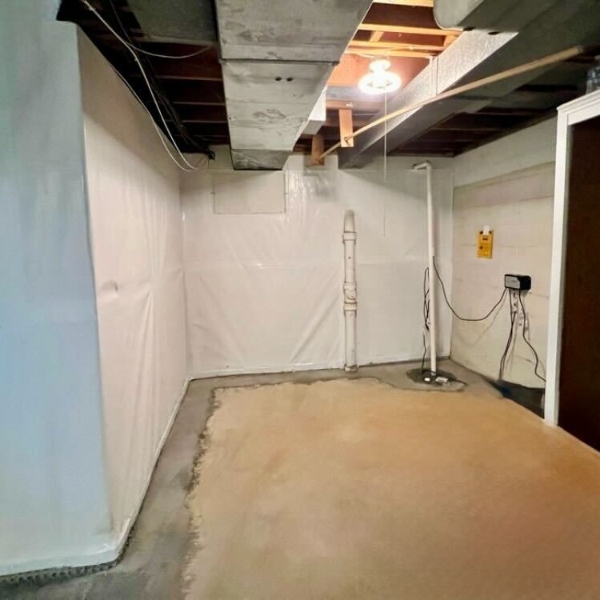
An installed interior waterproofing system to stop moisture from entering a foundation after heavy rainfall in Crescent City, FL.

Interior Foundation Waterproofing

When heavy rain pushes moisture inside the home, interior waterproofing protects the living space and relieves pressure against the foundation. LUX installs vapor barriers, sump systems, and drainage systems that help manage Florida’s frequent stormwater intrusion.

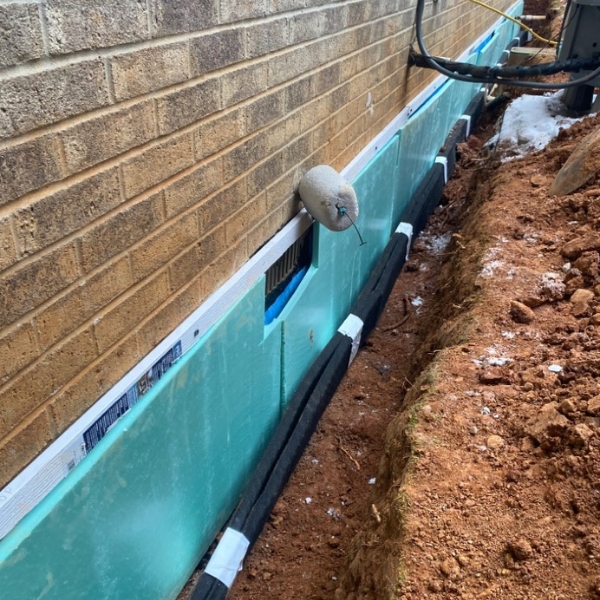
Exterior waterproofing barrier applied to protect a Florida home from rain-driven moisture during storm seasons in Orange Park, FL.

Exterior Foundation Waterproofing

Exterior waterproofing shields the foundation from repeated moisture swings. It adds a protective barrier that stops water from soaking into weakened concrete and reduces hydrostatic pressure during long periods of heavy rainfall. This is especially important in Florida’s humid, storm-heavy climate.

Each of these solutions helps rebuild lost soil support and protect your foundation from ongoing erosion. After evaluating your yard, drainage patterns, and soil conditions, LUX Foundation Solutions recommends the right long-term repair to keep your Florida home stable and protected.

Protect Your Florida Home From Weather-Related Foundation Damage — Get Your Free Assessment

Droughts and heavy rainfall can shift the soil under your home faster than you think. The sooner you address movement, the easier it is to stop cracks, settling, and moisture problems from getting worse. 


LUX Foundation Solutions provides Florida-focused evaluations that pinpoint the effects of weather on your foundation and the proven solutions needed to keep it stable. We proudly serve homeowners across Jacksonville, Gainesville, Ocala, Palm Coast, and St. Augustine.

Call 904-921-3589 today to schedule your free foundation assessment and protect your home before the next weather swing hits.

Request a free Estimate

FAQs About Droughts & Heavy Rainfall in Florida

How does heavy rain cause foundation damage in Florida?

Heavy rain pushes large amounts of water into Florida’s sandy soil, which makes it soften, wash out, or shift. When the ground loses strength, the foundation can settle or crack, especially after long storms in areas like Jacksonville. 


If you’ve noticed changes after a downpour, LUX can evaluate and confirm what’s moving.

Should I be concerned about foundation cracks after heavy rain in Gainesville?

Yes. Rapid soil expansion from sudden rainfall in Gainesville can create pressure against the foundation, leading to cracks in chimney bricks and movement. These foundation cracks from heavy rain concerns are often early warnings of stress below the surface. 

If the cracks widen or appear after each storm, LUX can assess what’s happening before the issue spreads.

Can the weather affect the stability of my foundation in Ocala?

Absolutely. Ocala sees periods of drought followed by intense rainfall, and that soil movement can create gaps, settlement, or shifting under the home. When the ground expands and contracts, the foundation reacts. 


If you’ve noticed changes, LUX can help you understand what the weather has done and what to do next.

Can drought cause foundation problems in Palm Coast?

Yes. During droughts, Florida’s sandy soil dries out and contracts, creating gaps under the foundation. When rain eventually returns, the soil swells again, which can cause movement and cracking. This pattern is common in Palm Coast and nearby areas. 


If you’ve noticed new gaps between your foundation and the soil, LUX can evaluate them and recommend the right fix.

Scroll to Top