
Concrete Water Damage
Water is one of the biggest threats to concrete in Florida. Heavy rain, standing moisture, and groundwater seepage weaken slabs, create cracks, and cause sinking. Here’s what homeowners should know about what’s causing the water damage—and how to stop it before it spreads.
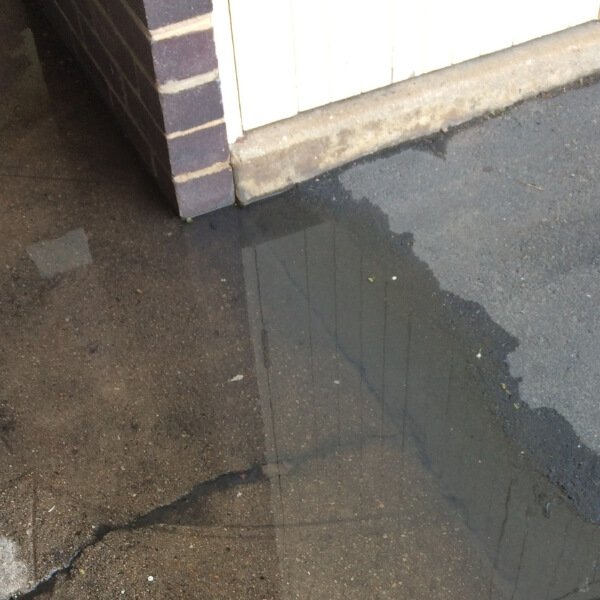
Why Concrete Water Damage Happens in Florida Homes
Concrete water damage occurs when moisture seeps into the slab, slowly weakening its structure. In Florida, this happens more quickly because your concrete is constantly exposed to heavy rain, high humidity, and damp soil.
When water seeps through the surface or collects around the edges, the slab begins to soften, crack, or separate. Over time, this trapped moisture leads to erosion, surface breakdown, and uneven settling that many homeowners first notice as small cracks or sinking spots.
LUX Foundation Solutions can help you pinpoint how water is getting into your concrete and what’s weakening the concrete, so repairs stop the damage—not just cover the symptoms.
Common Causes of Concrete Water Damage in Florida
Florida’s climate overloads concrete surfaces with moisture from storms, humidity, and rising groundwater. When water reaches the slab or the soil beneath it, the concrete weakens, cracks, and begins sinking.
Below are the Florida-specific factors that make water damage show up faster—and how they impact your home.
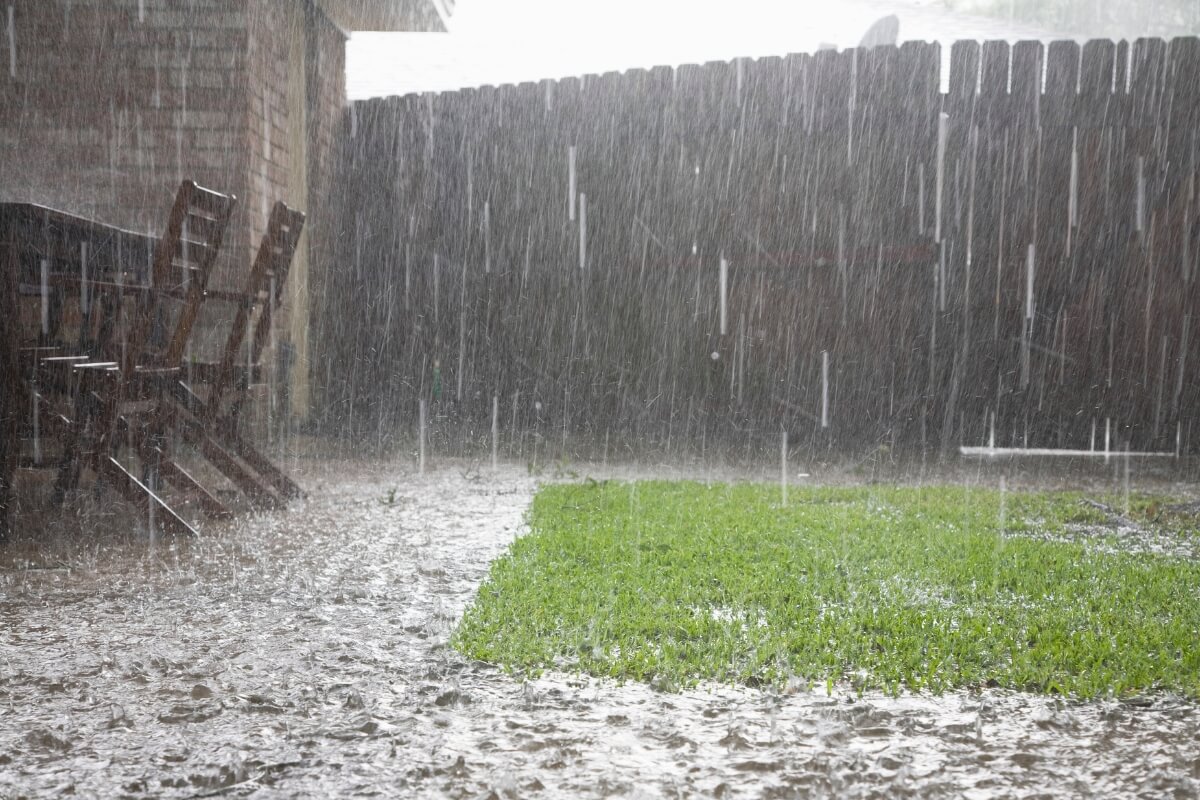
Heavy Rainfall
Florida’s intense downpours push water deep into your driveway, patio, or walkway slab. When the concrete stays wet, it begins to weaken from the inside. You may see dark patches, soft spots, or early cracking that keeps spreading after every storm. Waterlogged concrete only gets worse without correction.
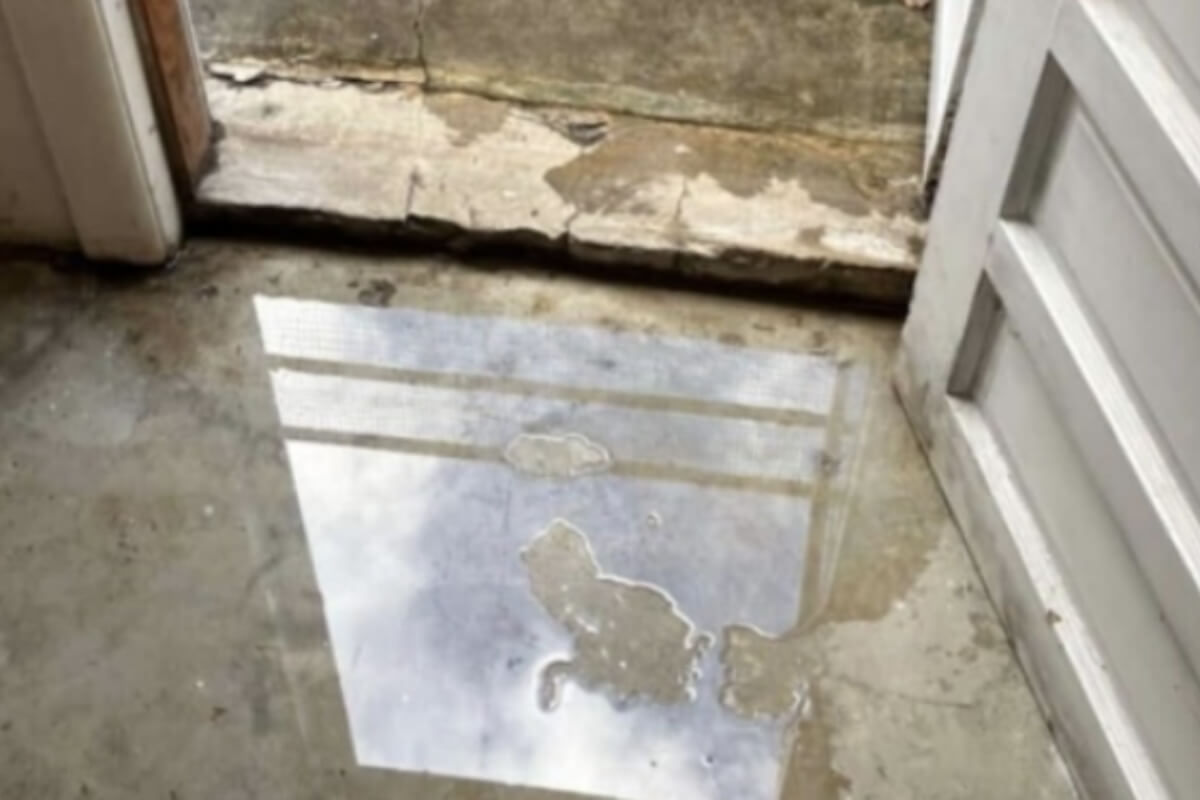
High Humidity
Florida’s humidity makes concrete absorb moisture even on days without rain. Your garage slab or interior floor may feel cool, damp, or show light surface flaking. This trapped moisture slowly breaks down the slab, making it easier for cracks or sinking to form over time.
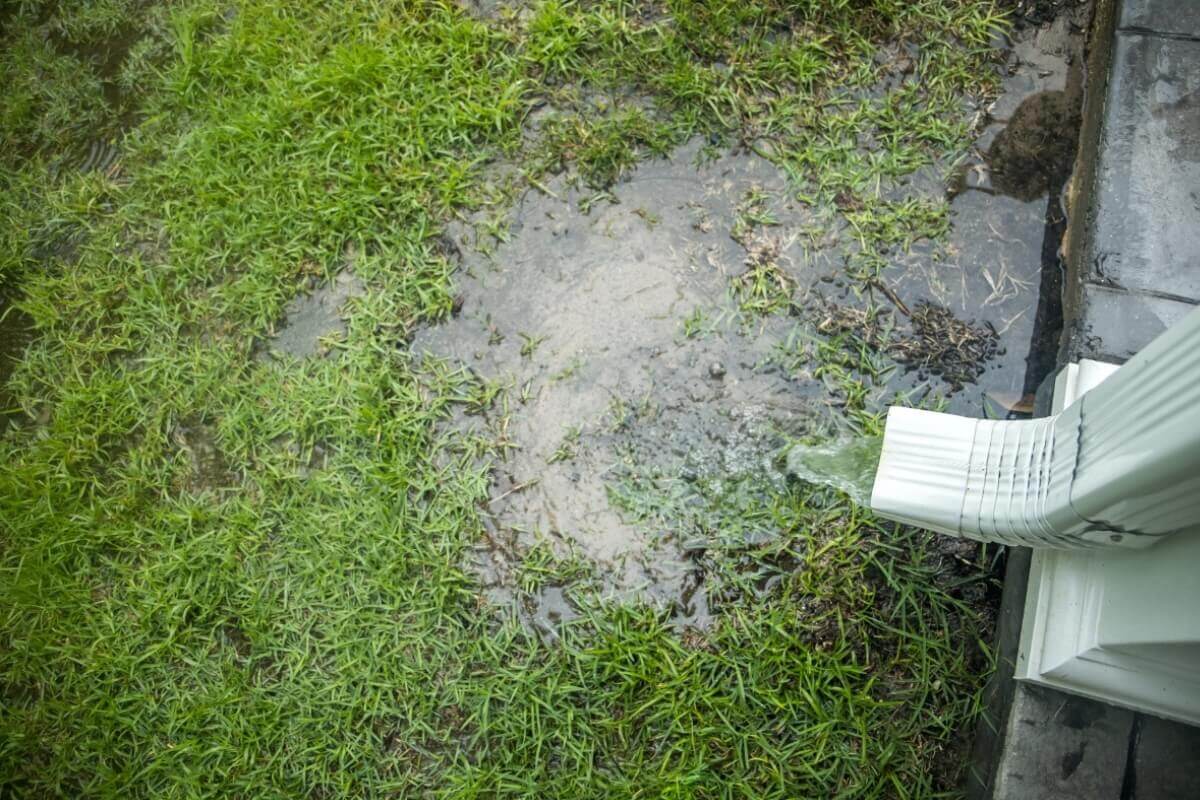
Poor Drainage Around the Home
If your yard slopes toward your driveway, patio, or pool deck, water collects around the edges and begins seeping underneath. Over time, this weakens the soil and the concrete resting on top of it. Homeowners usually notice widening cracks or small dips forming in the slab.
Saltwater Exposure in Coastal Areas
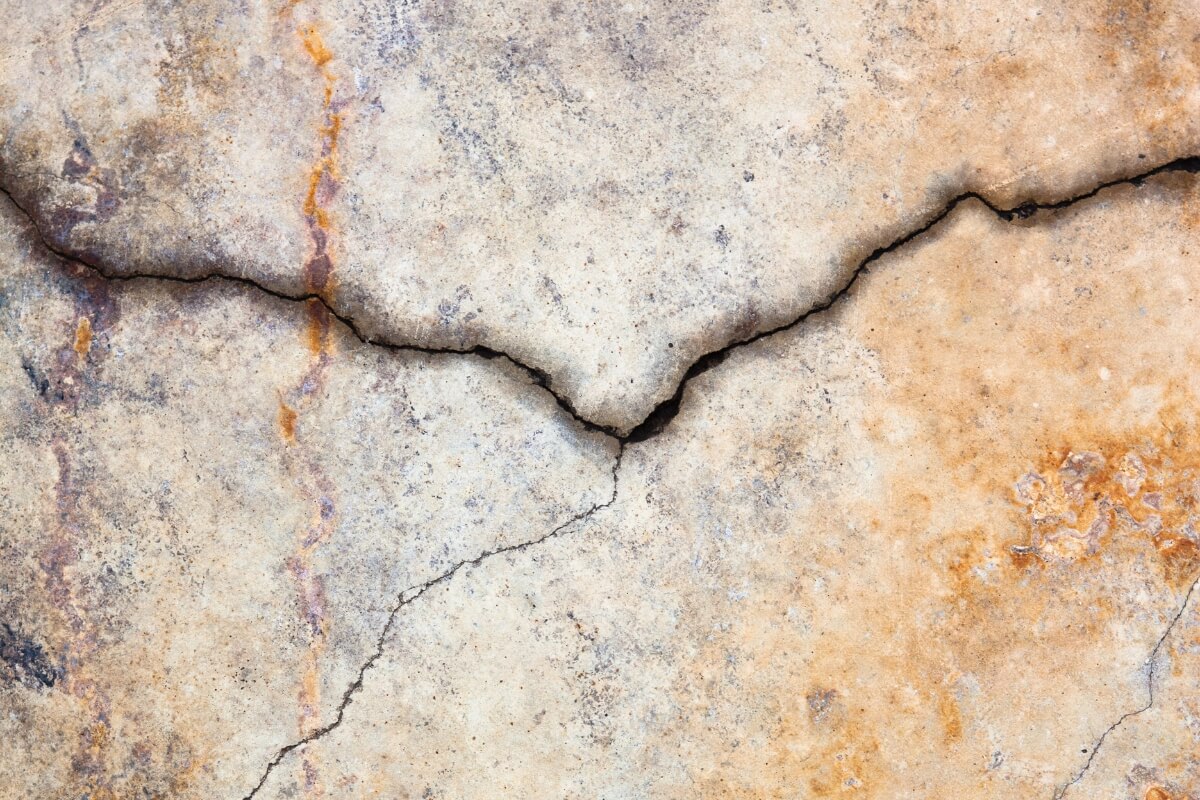
Coastal Florida homes are constantly exposed to salt from wind, rain, and high humidity. Saltwater corrodes concrete more quickly by breaking down its surface and weakening the steel reinforcement within. Over time, this leads to spalling, cracking, and structural deterioration that worsens without proper sealing and protection.
Tree Roots
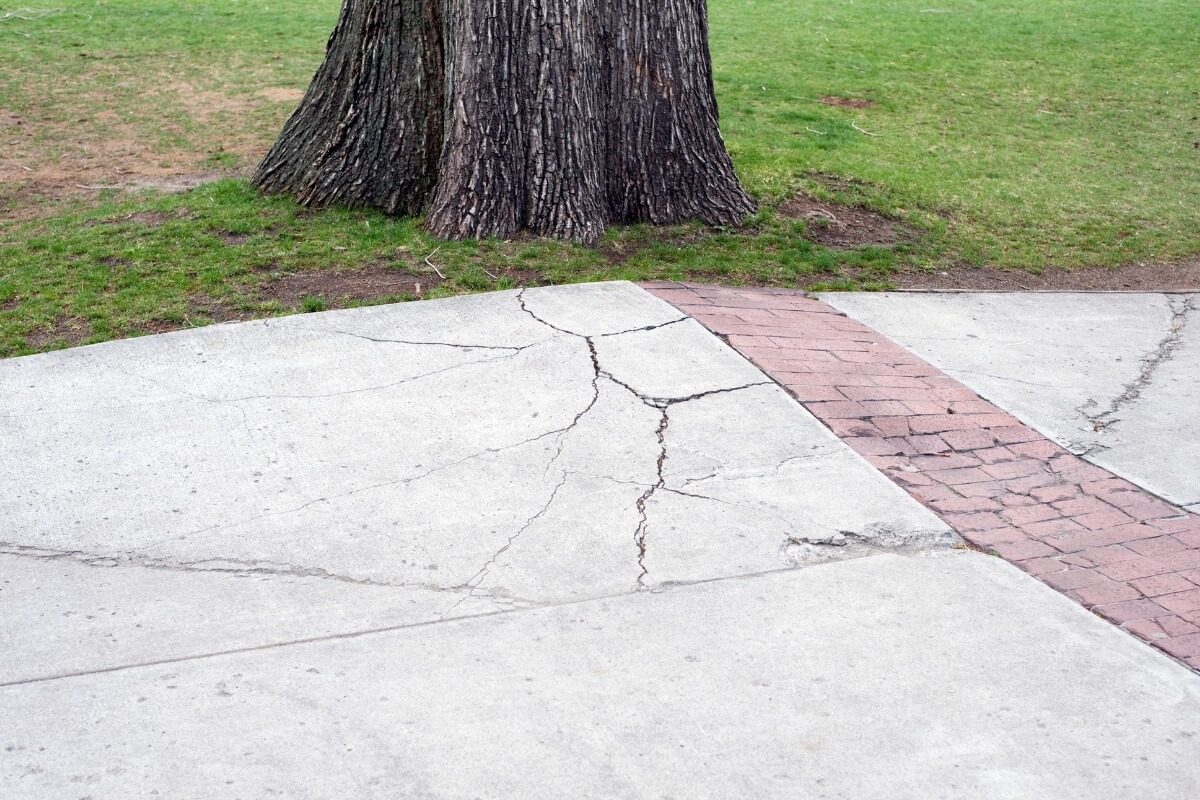
Large Florida tree roots trap moisture against concrete and push upward as they grow. When roots sit under your driveway, walkway, or slab floor, they hold water against the surface, creating pressure that can lead to cracking, lifting, or uneven settling.
Cracks and Weak Spots
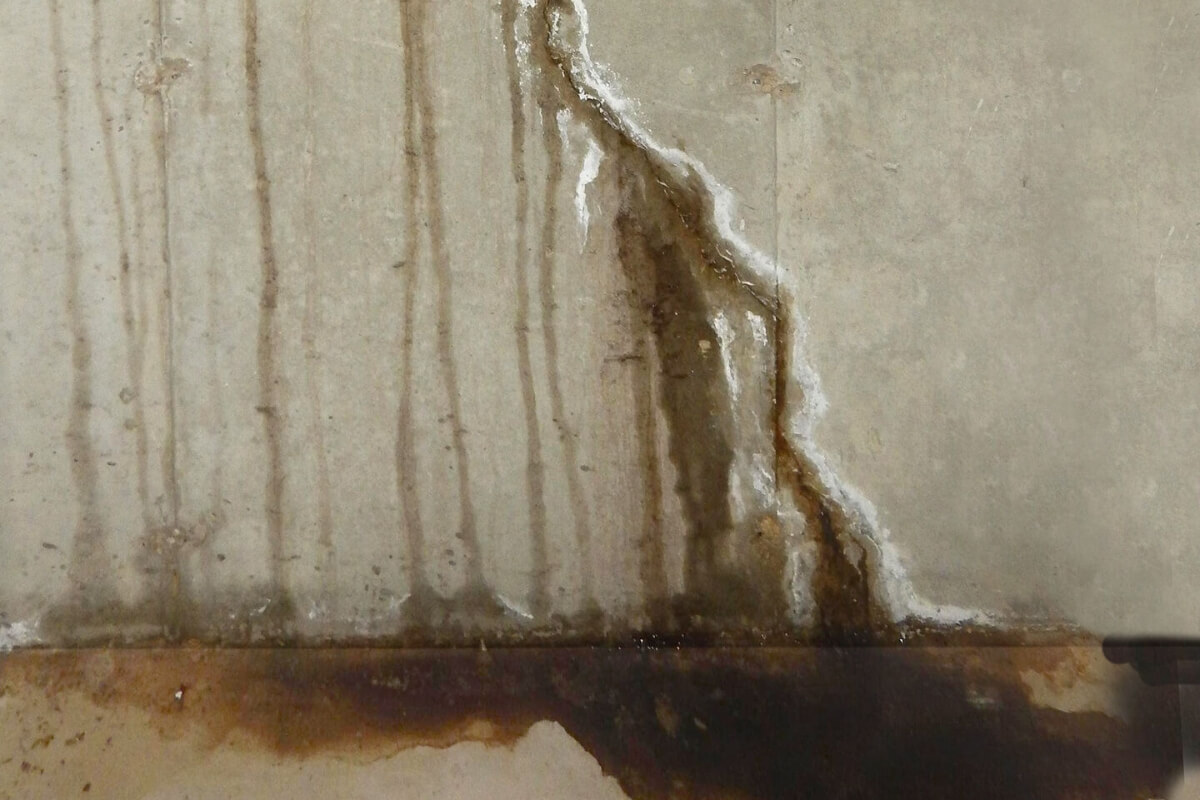
Small cracks in your concrete walls let stormwater seep and move to the surface. Once water gets inside, it spreads and erodes the slab from underneath. Many homeowners notice the damage only after cracks widen or pieces of concrete start breaking away.
If moisture has already caused sinking, cracking, or soil erosion, LUX can evaluate the damage and recommend the right solution to restore the slab and prevent future water intrusion.
Proven Solutions to Repair Water-Damaged Concrete in Florida
Concrete water damage keeps getting worse until both the moisture source and the weakened concrete are addressed. Here are the long-term repair options LUX Foundation Solutions uses to stop water intrusion, strengthen damaged slabs, and protect your home from Florida’s rain, humidity, and high groundwater.
Drainage System Installation
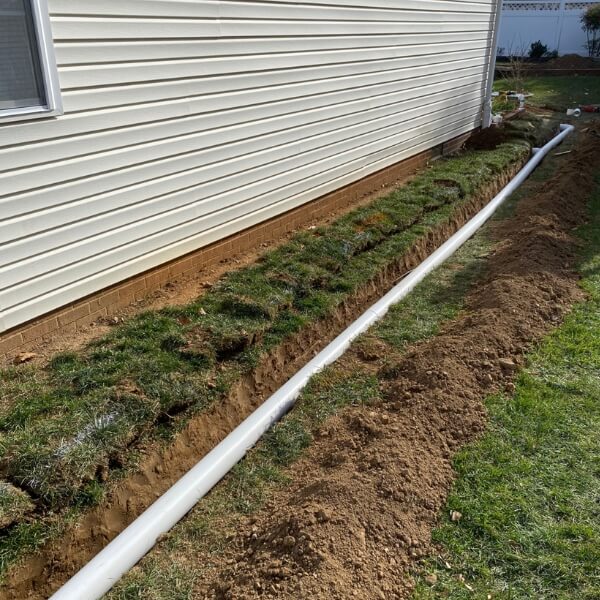
Poor drainage pushes rainwater toward concrete patios, driveways, walkways, and garage slabs. LUX installs French drains, channel drains, and full yard drainage that redirect stormwater away before it can saturate the concrete. This prevents standing water, reduces erosion, and protects your slab during Florida’s frequent downpours.
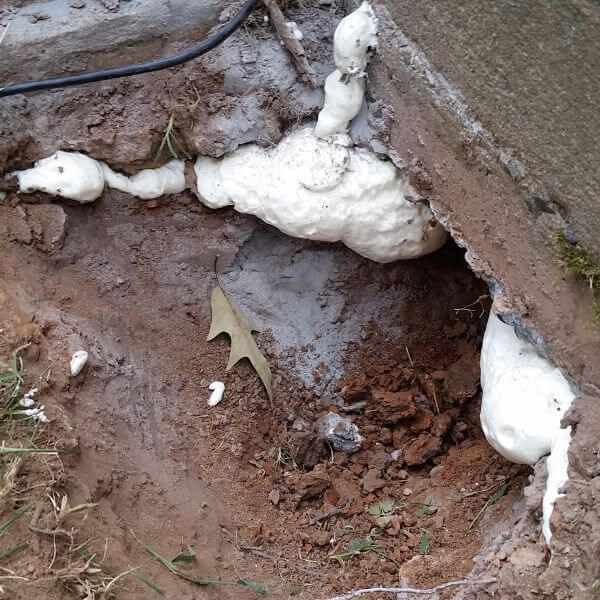
Soil Void Filling
Water washing out soil beneath concrete creates hollow pockets that make slabs sink. LUX fills these voids with high-strength, closed-cell polyurethane foam to restore support under driveways, pool decks, patios, and interior slabs. This stops additional settlement after storms and reinforces the slab for long-term durability.
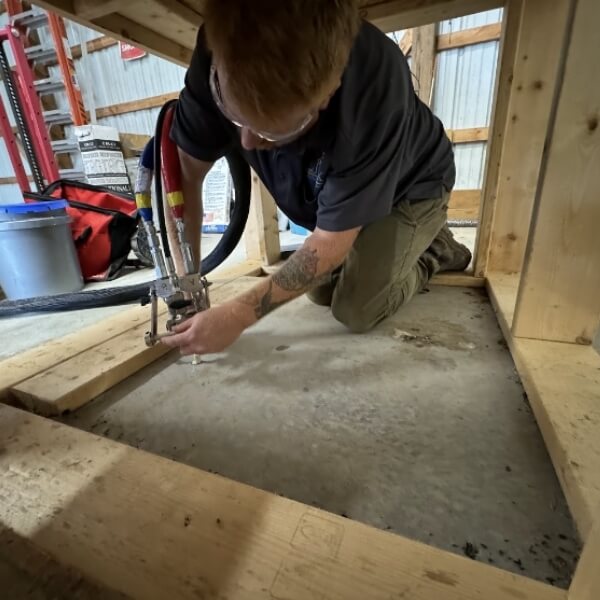
Concrete Lifting
Water-damaged concrete often settles unevenly. LUX injects high-density polyurethane foam to lift sinking slabs back to a safe, level position, eliminating tripping hazards and preventing deeper cracking. This method restores the integrity of driveways, sidewalks, pool decks, and other surfaces affected by moisture and unstable soil.
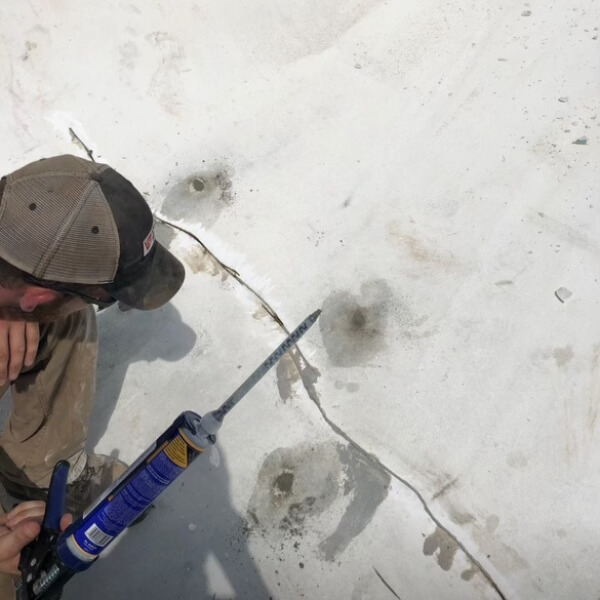
Concrete Caulking
Cracks allow water to seep into concrete, further weakening it. LUX seals these cracks with durable, moisture-blocking, high-performance silicone-based sealant that prevents widening and keeps rainwater from penetrating the slab. This protects patios, walkways, interior slabs, and foundations during Florida’s rainy months and hurricane season.
When these Florida conditions combine, concrete absorbs more moisture than it can handle, leading to faster cracking, sinking, and surface breakdown. LUX identifies the source of the water intrusion so we can recommend the right repairs before the damage spreads.
Protect Your Home From Costly Concrete Water Damage — Start With a Free Expert Evaluation
What looks like a small crack or soft spot today can turn into a sinking driveway, uneven patio, or hazardous walkway next month.
You don’t have to guess what’s happening — and you shouldn’t wait for it to get worse.
LUX Foundation Solutions gives Florida homeowners clear answers, honest recommendations, and concrete repair solutions built to withstand Florida’s moisture, storms, and high groundwater. Our specialists pinpoint the exact source of the water intrusion and create a long-term plan that protects your concrete — and your property value.
Serving homeowners in Jacksonville, Gainesville, Ocala, Palm Coast, and St. Augustine.
Call 904-921-3589 to schedule your free concrete evaluation today.
Request a free Estimate
FAQs About Concrete Water Damage in Florida
How to repair water-damaged concrete in Jacksonville, FL?
Repairing water-damaged concrete in Jacksonville starts by removing trapped moisture and fixing the weakened surface. Depending on the damage, repairs may include sealing cracks, filling voids, resurfacing, or lifting sunken slabs. Jacksonville’s humidity makes damage return quickly without moisture control.
LUX can assess the slab and recommend the right long-term solution.
What happens if water gets under a concrete slab in Gainesville, FL?
When water gets under a slab in Gainesville, the soil softens and washes away, causing the concrete to sink, tilt, or crack. High groundwater in this area makes the problem spread fast.
Ignoring it often leads to trip hazards and structural stress on nearby surfaces. LUX can locate the source of moisture and stabilize the slab before the damage worsens.
Can concrete water damage lead to sinking slabs in Ocala, FL?
Yes. In Ocala, moisture softens the sandy-clay soil beneath concrete, creating voids that make slabs drop unevenly. This is common after heavy rain or sprinkler oversaturation. Once the slab starts sinking, cracks and edges break apart quickly.
LUX offers slab lifting and drainage upgrades designed for Ocala’s soil conditions.
How do I prevent water-related concrete damage in Palm Coast, FL?
Palm Coast’s coastal moisture and heavy afternoon storms require strong water-management systems. Keeping water away from driveways and walkways with sealed joints, proper grading, and drainage upgrades helps protect the slab.
LUX can assess your concrete and recommend Florida-ready waterproofing and soil-support solutions.